
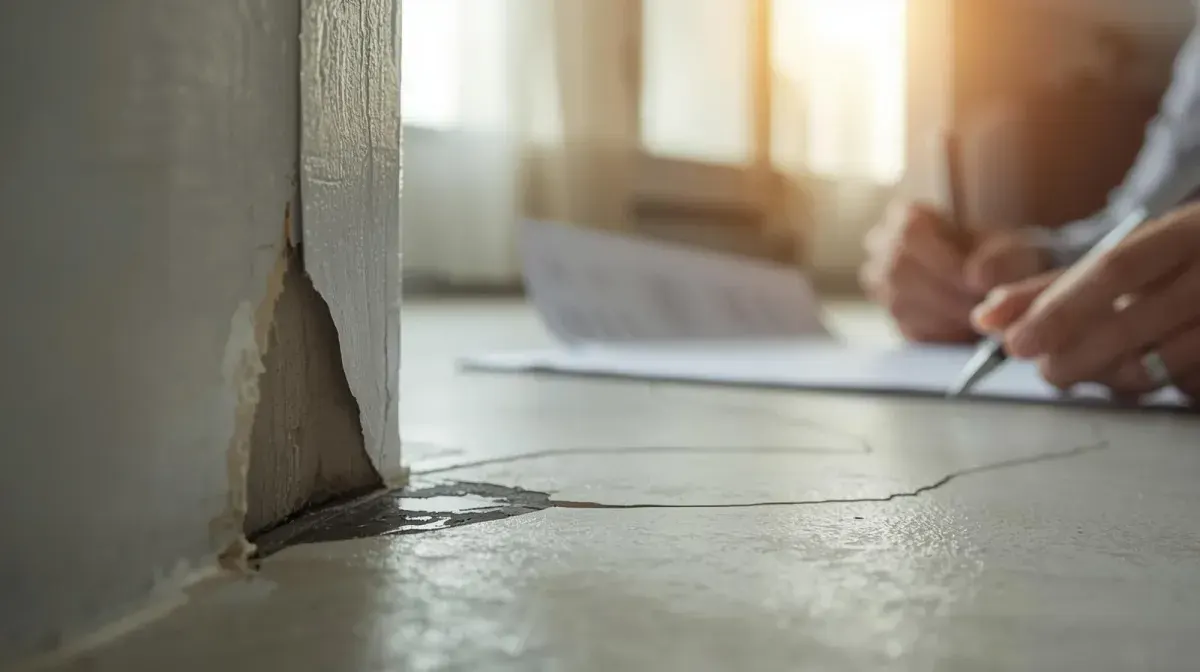
Buying an apartment off the plan or settling on a newly built unit should be an exciting milestone. But for many Australian apartment owners, that excitement quickly fades when defects start showing up: cracked tiles, leaking balconies, waterproofing failures, and poorly finished joinery. The question then becomes: who is responsible, what are your rights, and how do you actually get these problems fixed?
This guide breaks down the warranty claim process for apartment defects across Australia, covering what counts as a defect, your statutory protections in each state, and how to build a strong claim that gets results.
What Counts as a Building Defect in an Apartment?
A building defect is any part of the construction that does not meet the plans, specifications, Australian Standards, or the National Construction Code (NCC). Defects can appear in individual apartments (lot property) or in common areas managed by the owners corporation (common property).
Not every issue is a defect. Normal wear and tear, damage caused by residents, and problems arising from lack of maintenance are not covered by builder warranties. The distinction matters because builders will often argue that a reported issue falls outside their responsibility.
- Work that does not comply with approved plans and specifications
- Construction that fails to meet the National Construction Code (NCC) or relevant Australian Standards
- Materials that are faulty, unsuitable, or not fit for purpose
- Workmanship that falls below the standard a competent tradesperson would deliver
- Systems that do not function as intended, such as ventilation, plumbing, or fire safety
Under Australian consumer law and state building legislation, there is an implied warranty that residential building work will be carried out with due care and skill, using suitable materials, and in compliance with the law. These warranties apply regardless of whether they are written into the building contract.
Minor Defects vs Major Defects
The distinction between minor and major defects affects both the warranty period and the urgency of your claim. Each state defines these categories slightly differently, but the general principles are consistent across Australia.
| Type | Description | Examples | Warranty Period |
|---|---|---|---|
| Minor Defects | Cosmetic or non-structural issues that do not affect the building's safety, structural integrity, or intended use | Cracked tiles, paint defects, poorly fitted cupboard doors, minor plaster cracks, uneven grout lines | Typically 2 years from completion |
| Major Defects | Defects that affect the structural soundness of the building, make it uninhabitable, or create a risk to safety | Structural cracking, waterproofing failures, fire safety non-compliance, major water ingress, foundation movement | 6 years (NSW, QLD) or 10 years (VIC) from completion |
Important
A defect that appears minor on the surface can sometimes indicate a major underlying issue. For example, a small water stain on a ceiling could signal a failed waterproofing membrane, which is a major defect. An independent building inspector can determine whether a visible issue is cosmetic or structural.
Statutory Warranty Periods Across Australia
Each state and territory has its own legislation governing statutory warranties for residential building work. Understanding which laws apply to your apartment is the first step in any warranty claim.
| State | Legislation | Minor Defects | Major Defects | Regulator |
|---|---|---|---|---|
| NSW | Home Building Act 1989 | 2 years | 6 years | NSW Fair Trading |
| VIC | Domestic Building Contracts Act 1995 | 2 years (domestic) | 10 years (structural) | Victorian Building Authority (VBA) |
| QLD | QBCC Act 1991 | 6 months (non-structural) | 6 years 6 months (structural) | Queensland Building and Construction Commission (QBCC) |
| SA | Building Work Contractors Act 1995 | 5 years | 5 years | Consumer and Business Services SA |
| ACT | Building Act 2004 | 2 years | 6 years | ACT Planning and Land Authority |
Warranty periods start from the date of practical completion, not the date you moved in or settled on the property. In many apartment developments, there can be a gap of several months between practical completion and settlement. Check your contract of sale and the occupation certificate date to confirm when your warranty period began.
Step-by-Step Guide to Lodging a Warranty Claim
A structured approach increases the likelihood of a successful warranty claim. Builders and developers are more responsive when they receive formal, well-documented notices rather than informal complaints.
Identify and record every defect
Walk through your apartment room by room and note every issue. Check walls, ceilings, floors, wet areas, balconies, windows, doors, and all fixtures. Do not assume any issue is too small to record.
Classify each defect as minor or major
Determine whether each issue is cosmetic or structural. This affects the warranty period and the urgency of your claim. When in doubt, have a licensed building inspector assess the defect.
Document everything with photos, video, and written descriptions
Photograph every defect from multiple angles with good lighting. Record video walkthroughs. Write a description of each issue including its location, size, and any changes over time.
Send a formal written defect notice to the builder
Write a formal letter or email to the builder listing all identified defects with supporting evidence. Reference the applicable legislation and statutory warranty provisions. Keep a copy of everything you send.
Set a reasonable deadline for response and rectification
Give the builder a specific timeframe to respond, typically 14 to 28 days. State that if defects are not rectified, you intend to pursue the matter through the relevant tribunal or regulator.
Follow up and escalate if needed
If the builder does not respond or refuses to fix the defects, lodge a formal complaint with your state's building regulator. In NSW, this is NSW Fair Trading. In QLD, contact the QBCC. In VIC, approach the VBA or VCAT.
Documenting Apartment Defects Effectively
The strength of your warranty claim depends on the quality of your documentation. Builders and their insurers will challenge claims that lack clear evidence, so thorough records from the start save time and disputes later.
- Do not attempt permanent repairs yourself before the builder inspects the defect
- Do not accept verbal promises from the builder without written confirmation
- Do not let warranty deadlines pass without lodging a formal written notice
The Role of Strata and Owners Corporations
In apartment buildings, defects can affect individual lots, common property, or both. Understanding who is responsible for lodging the warranty claim depends on where the defect is located.
| Defect Location | Who Lodges the Claim | Examples |
|---|---|---|
| Individual Lot Defects | The individual lot owner lodges the claim | Internal wall cracks, faulty fixtures within the apartment, defective kitchen or bathroom fittings |
| Common Property Defects | The owners corporation or strata committee lodges the claim | Roof leaks, lift breakdowns, car park structural issues, common area waterproofing, fire safety systems |
| Shared Defects | Coordination required between lot owner and owners corporation | Balcony waterproofing (which may affect both the lot and the unit below), window seals, external cladding |
If your apartment is part of a strata scheme, raise defects at strata meetings and request that the owners corporation take action on common property issues. In many cases, the strata manager will coordinate the defect claim process and engage a building inspector on behalf of all owners.
Tip
If your owners corporation is slow to act on common property defects, individual owners in NSW can apply to NSW Fair Trading or the NSW Civil and Administrative Tribunal (NCAT) to compel the owners corporation to address the defects.
Common Apartment Defects in Australian Buildings
Research from UNSW's City Futures Research Centre and reports from NSW Fair Trading consistently show that certain defect types appear far more often than others in Australian apartment buildings. Knowing what to look for helps you identify issues early.
- Waterproofing failures in bathrooms, balconies, and rooftops are the most reported defect category. Failed membranes allow water to seep into structural elements, causing long-term damage to concrete, steel, and timber framing.
- Cracking in walls, ceilings, and structural elements can indicate settling, poor concrete pouring, or inadequate reinforcement. Cracks wider than 2mm generally require structural assessment.
- Fire safety non-compliance includes missing or incorrectly installed fire doors, defective sprinkler systems, inadequate smoke detection, and combustible cladding. These are considered major defects due to the safety risk.
- Water ingress through windows, doors, and external walls results from poor sealing, incorrect flashing installation, or substandard window fitting.
- Defective plumbing and drainage including leaking pipes, incorrect falls in wet areas, and blocked or poorly installed stormwater systems.
- Poor tiling and wet area finishes such as uneven tile laying, cracked tiles, missing or deteriorating grout, and incorrect waterproofing under tiles.
- Mechanical ventilation issues where exhaust fans, air conditioning ducting, or common area ventilation systems do not meet NCC requirements or function correctly.
72%
of NSW apartment buildings built between 2016 and 2022 had at least one serious defect (UNSW City Futures Research Centre)
$300,000+
average cost of rectifying major defects in apartment buildings with waterproofing and structural issues
42%
of apartment defect complaints relate to water ingress and waterproofing failures
What Happens When the Builder Refuses to Fix Defects
Builders do not always respond promptly or cooperatively to defect claims. Some dispute responsibility, argue that the defect is outside the warranty period, or simply stop responding. When this happens, you have several formal options.
Lodge a formal complaint with the state regulator
In NSW, lodge a complaint with NSW Fair Trading. In QLD, contact the QBCC. In VIC, approach the Victorian Building Authority. The regulator can investigate and issue rectification orders against the builder.
Apply to the relevant tribunal
If the regulator cannot resolve the issue, apply to your state's civil and administrative tribunal. In NSW this is NCAT, in VIC it is VCAT, and in QLD it is QCAT. Tribunals can order rectification or award compensation.
Claim against the home warranty insurance
If the builder has become insolvent, disappeared, or died, you may be able to claim under the home warranty insurance (called Home Building Compensation Fund in NSW). This provides a safety net when the builder cannot fulfil their warranty obligations.
Seek legal advice for complex or high-value claims
For defect claims involving substantial repair costs or multiple parties, consult a construction lawyer who specialises in residential building disputes. Many offer initial consultations at no charge.
Time limits apply to all dispute resolution options. In NSW, you must lodge a complaint with Fair Trading before the warranty period expires. Tribunal applications also have strict limitation periods. Acting early protects your rights.
Independent Building Inspections for Defect Claims
An independent defect inspection report from a qualified building inspector strengthens your warranty claim by providing expert evidence of each defect, its likely cause, the applicable Australian Standard or NCC provision, and the estimated cost of rectification.
Pros
- Provides an unbiased, professional assessment not influenced by the builder or developer
- Documents defects systematically with photos, measurements, and references to standards
- Classifies defects as minor or major, helping you understand your warranty rights
- Identifies hidden defects that a visual walk-through may miss
- Produces a report that can be used as evidence in tribunal proceedings
Cons
- Relying on your own photos and descriptions, which builders may dispute
- Risk of missing structural defects that are not visible to untrained eyes
- No professional reference to Australian Standards or the NCC
- Weaker position if the matter goes to a tribunal or formal dispute
Building inspectors who carry out defect assessments should hold a relevant licence in their state and have experience with apartment and multi-unit buildings. The inspection should comply with AS 4349.1 (Inspection of buildings) and reference AS 3740 (Waterproofing of domestic wet areas) where applicable.
Strata Building Bond and Inspection Scheme (NSW)
In NSW, the Strata Building Bond and Inspection Scheme (SBBIS) provides additional protection for apartment owners. Under this scheme, developers of new strata buildings with more than three lots must lodge a building bond equal to 2% of the contract price with NSW Fair Trading before an occupation certificate is issued.
- An interim defect report must be completed between 15 and 18 months after the occupation certificate is issued
- A final defect report must be completed between 21 and 24 months after the occupation certificate
- Both inspections must be conducted by a qualified building inspector appointed by the owners corporation
- The bond money is held as security and can be used to pay for defect rectification if the developer fails to fix identified issues
- The bond is released only after all defects from the final report have been addressed
Tip
If you are part of a strata scheme in NSW, make sure your owners corporation is aware of the SBBIS deadlines. Missing the inspection windows can result in losing access to the bond money, leaving the owners corporation to fund rectification from its own reserves or through special levies.
Protecting Yourself as an Apartment Buyer
Whether you are buying off the plan or purchasing a completed apartment, there are steps you can take before and during ownership to protect your warranty rights.
Key Takeaways
- Australian apartment owners have statutory warranty rights covering minor defects for two years and major defects for six to ten years depending on the state.
- Defects must be reported formally in writing to the builder or developer, with supporting evidence and a clear deadline for rectification.
- Waterproofing failures, structural cracking, and fire safety non-compliance are the most common serious defects found in Australian apartment buildings.
- The owners corporation is responsible for lodging warranty claims on common property defects, while individual lot owners handle defects within their own apartments.
- An independent building inspection report provides professional evidence that strengthens your warranty claim and can be used in tribunal proceedings.
- In NSW, the Strata Building Bond and Inspection Scheme provides additional financial protection through a compulsory 2% developer bond.
- If a builder refuses to rectify defects, owners can escalate through state regulators, tribunals, or home warranty insurance.
- Acting within the warranty timeframes is critical because claims lodged after the warranty period expires may not be accepted.
Frequently Asked Questions
How long do I have to make a warranty claim for apartment defects in Australia?
The timeframe depends on your state and whether the defect is classified as minor or major. In NSW, minor defects must be claimed within 2 years and major defects within 6 years of completion. In Victoria, structural defects are covered for up to 10 years. In Queensland, non-structural defects have a much shorter window of 6 months, while structural defects are covered for 6 years and 6 months. Always check the specific legislation in your state and act well before the deadline.
What is the difference between a minor defect and a major defect?
A minor defect is a cosmetic or non-structural issue that does not affect the safety, structural integrity, or habitability of the building. Examples include paint imperfections, chipped tiles, and poorly fitted joinery. A major defect compromises the building's structural soundness, makes it uninhabitable, or creates a safety risk. Examples include waterproofing failures, foundation movement, and fire safety non-compliance. The classification affects the warranty period and the urgency of rectification.
Who is responsible for fixing defects in common areas of an apartment building?
The owners corporation (also called the body corporate in some states) is responsible for managing and maintaining common property. When defects appear in common areas such as roofs, lifts, car parks, hallways, and external facades, it is the owners corporation's responsibility to lodge a warranty claim against the builder or developer. Individual lot owners should raise these issues at strata meetings and request formal action.
Can I make a warranty claim if I bought the apartment from a previous owner?
Yes. Statutory warranties transfer with the property and are not limited to the original purchaser. If you buy a second-hand apartment that is still within the warranty period, you can lodge a defect claim against the original builder. The warranty period is calculated from the date of practical completion of the building work, not from when you purchased the property.
What should I include in a formal defect notice to the builder?
A formal defect notice should include your name and address, the property details, a list of all identified defects with descriptions and photographs, the date each defect was first noticed, references to the applicable legislation and warranty provisions, and a reasonable deadline for the builder to inspect and rectify the defects (typically 14 to 28 days). Send the notice by registered mail or email with delivery confirmation, and keep copies of everything.
What is the Strata Building Bond and Inspection Scheme in NSW?
The Strata Building Bond and Inspection Scheme (SBBIS) requires developers of new strata buildings with more than three lots in NSW to lodge a security bond equal to 2% of the contract price with NSW Fair Trading. The scheme mandates two independent defect inspections: an interim report at 15 to 18 months and a final report at 21 to 24 months after the occupation certificate is issued. The bond is held until all identified defects are rectified.
What happens if the builder goes bankrupt before fixing the defects?
If the builder becomes insolvent, disappears, or dies, apartment owners may be able to claim under the home warranty insurance. In NSW, this is the Home Building Compensation Fund managed by icare. Each state has a similar scheme. Home warranty insurance covers the cost of rectifying defects when the builder is unable to fulfil their obligations. There are caps on the amount that can be claimed, so check the specific limits in your state.
Do I need an independent building inspection to support my warranty claim?
While not legally required, an independent building inspection report significantly strengthens your warranty claim. A qualified building inspector will document every defect with photographs, measurements, and references to Australian Standards and the NCC. This report provides professional evidence that is difficult for the builder to dismiss and can be presented at tribunals such as NCAT, VCAT, or QCAT if the dispute is not resolved directly.
How much does it cost to get a defect inspection on an apartment?
The cost of an apartment defect inspection in Australia typically ranges from $400 to $1,500 depending on the size of the apartment, the number of defects, and whether common areas are included. A basic single-unit inspection starts at around $400 to $600, while a comprehensive inspection covering the apartment and common areas costs more. For large strata buildings requiring a full building defect report, the cost may be shared among owners through the strata fund.
Can I withhold strata levies if the owners corporation refuses to pursue defect claims?
No. Withholding strata levies is not a legal remedy and can result in penalties against you. If your owners corporation refuses to pursue a defect claim on common property, you have other options. In NSW, you can apply to NSW Fair Trading for mediation or to NCAT for an order compelling the owners corporation to take action. Similar processes exist in other states through their respective tribunals and regulators.
What Australian Standards apply to apartment construction and defects?
Several Australian Standards are relevant to apartment construction and defect assessment. AS 4349.1 covers building inspections, AS 3740 covers waterproofing of domestic wet areas, and the National Construction Code (NCC) sets the minimum requirements for structural adequacy, fire safety, health, amenity, and sustainability. Building inspectors reference these standards when assessing defects to determine whether the construction meets the required benchmarks.
Is there a time limit for taking a builder to the tribunal over apartment defects?
Yes. Tribunal applications must generally be made within the statutory warranty period. In NSW, the limitation period for a building claim is 6 years for major defects and 2 years for minor defects from the date of practical completion. If you miss the warranty period, you may still have rights under general contract law or the Australian Consumer Law, but these claims are more complex. Seek legal advice promptly if your warranty period is close to expiring.
References and Resources
- NSW Fair Trading - Home Building Compensation - Information on statutory warranties and the Home Building Act 1989
- Victorian Building Authority (VBA) - Builder registration, dispute resolution, and domestic building regulations in Victoria
- Queensland Building and Construction Commission (QBCC) - Defect complaints, warranty claims, and builder licensing in Queensland
- UNSW City Futures Research Centre - Apartment Defects Report - Research on building defect prevalence in Australian apartment buildings
- NSW Strata Building Bond and Inspection Scheme - SBBIS requirements, bond lodgement, and inspection deadlines
- National Construction Code (NCC) - Minimum construction standards for residential buildings in Australia
Related Articles

Common Issues Found in Pre-Settlement Inspections
Pre-settlement inspections are a critical step before finalising a property purchase. This guide covers the most common issues found during these inspections, including structural defects, plumbing and electrical problems, cosmetic issues, and what to do if problems are identified.
What's the Difference Between Cosmetic Issues and Structural Concerns in Unit Blocks?
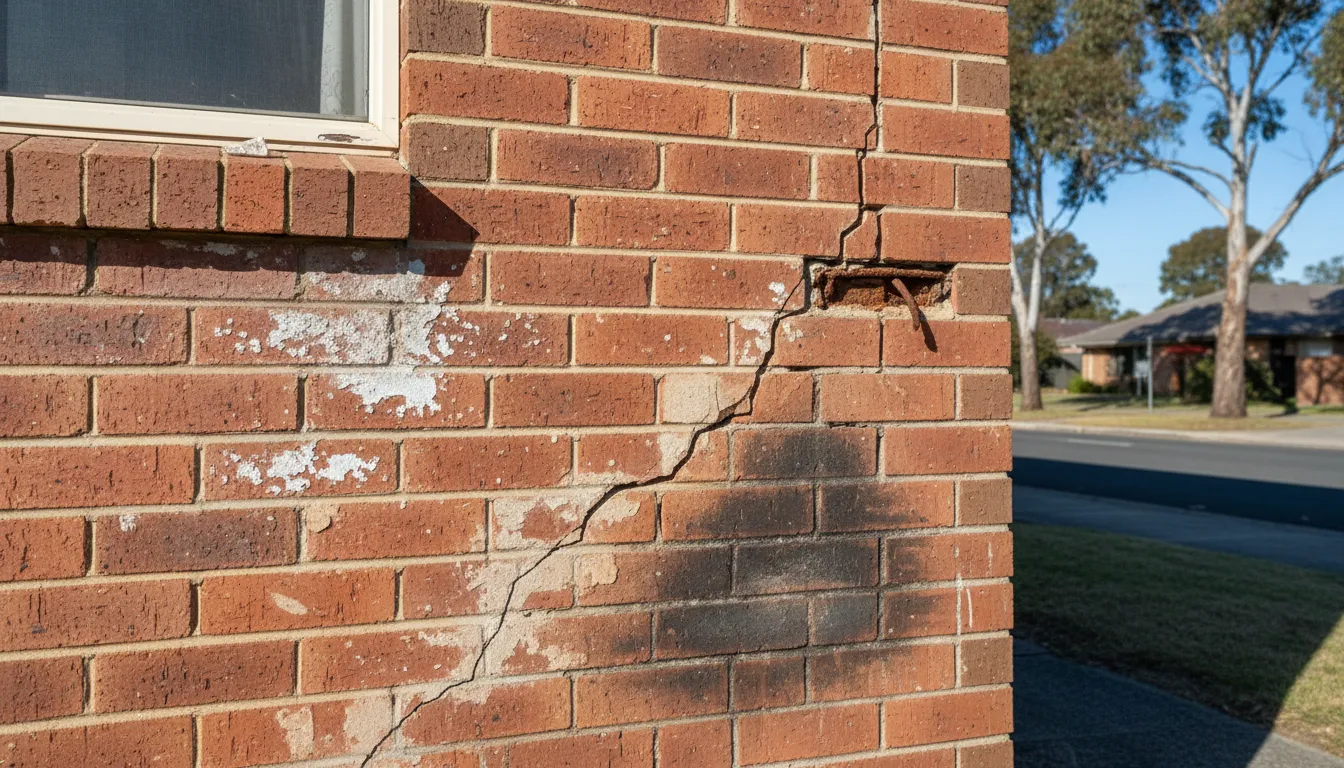
Understanding the difference between cosmetic issues and structural concerns in unit blocks is essential for buyers, owners, and strata committees. This guide explains how to identify each type, their implications for property value, and when professional assessment is required.
Ensuring Strata Building Bond Compliance: The Role of SBBIS
The Strata Building Bond and Inspection Scheme protects apartment owners in NSW by requiring developers to lodge a 2% security bond. Learn about compliance requirements, penalties, and how inspections work.
Dealing with defects in your apartment? Owner Inspections provides independent defect assessment reports for individual apartments and strata buildings across NSW, Victoria, and Queensland. Our licensed building inspectors document every defect with references to Australian Standards and the NCC, giving you the evidence you need for warranty claims and tribunal proceedings. Request a defect inspection quote or call us on 1300 471 805.