
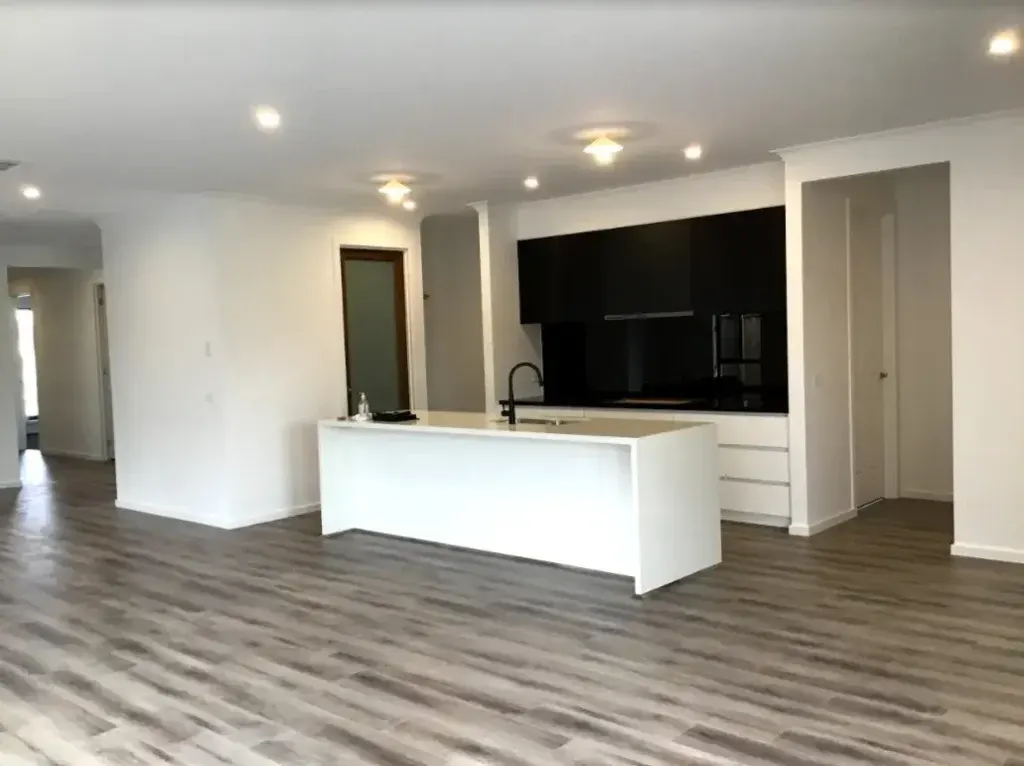
Builder obligations extend far beyond simply completing construction. They encompass compliance with building codes, adherence to contract specifications, rectification of defects, and honouring statutory warranties that continue well after settlement. The Master Builders Association reports that disputes over builder obligations account for approximately 40% of all residential building complaints in Australia.
This guide examines the legal framework governing builder obligations, defect classification systems, warranty entitlements by state, and the dispute resolution pathways available when builders fail to meet their responsibilities.
Builders have a legal duty to deliver properties that comply with the National Construction Code, meet contract specifications, and are fit for habitation. These obligations cannot be contracted away and remain enforceable through statutory warranty periods.
Key Legislative Framework Governing Builder Obligations
Australian builders operate within a comprehensive regulatory environment that establishes minimum standards, warranty requirements, and consumer protections. Understanding this framework helps buyers identify when obligations have not been met.
Home Building Act 1989 (NSW)
The Home Building Act 1989 (NSW) provides the primary legislative framework for residential building work in New South Wales. This Act establishes statutory warranties that builders must provide, including that work will be done with due care and skill, in accordance with plans and specifications, and using suitable materials. Section 18B of the Act implies these warranties into every residential building contract.
The Act also establishes the home building compensation fund, which protects homeowners if a builder dies, disappears, or becomes insolvent before completing rectification work. Licensed builders must hold insurance covering work valued over $20,000.
Domestic Building Contracts Act 1995 (VIC)
Victoria's Domestic Building Contracts Act 1995 regulates building contracts for domestic building work exceeding $10,000. The Act requires builders to provide written contracts containing specific information, comply with implied warranties, and follow prescribed dispute resolution procedures. Section 8 implies warranties that work will be carried out in a proper and workmanlike manner and with reasonable care and skill.
The Act also establishes cooling-off periods for contracts, limits on deposit amounts, and requirements for progress payment schedules. These provisions protect consumers from unfair contract terms and payment demands.
Queensland Building and Construction Commission Act 1991
The Queensland Building and Construction Commission Act 1991 establishes the QBCC as the regulatory body for the building and construction industry in Queensland. The Act provides for licensing of contractors, home warranty insurance, and dispute resolution services. The QBCC maintains a defects liability period during which builders must rectify defects at their own cost.
Queensland's statutory warranty scheme provides coverage for structural defects for 6 years and 6 months and non-structural defects for 12 months from practical completion. The QBCC can direct builders to rectify defective work and can take disciplinary action against non-compliant builders.
Building Act 2004 (ACT)
The Building Act 2004 (ACT) governs building work in the Australian Capital Territory. It requires builders to hold appropriate licences, comply with the Building Code of Australia, and meet statutory warranty obligations. The Act establishes rectification order provisions allowing the regulator to direct builders to fix defective work.
ACT building legislation also establishes the residential building warranty scheme, which provides coverage when builders fail to complete work or rectify defects. Homeowners can claim against this scheme when builders become insolvent or refuse to honour warranty obligations.
National Construction Code Requirements
The National Construction Code (NCC) sets the minimum technical standards for building work throughout Australia. All builders must ensure their work complies with NCC requirements covering structural adequacy, fire safety, access and egress, services and equipment, energy efficiency, and health and amenity provisions.
Compliance with the NCC is mandatory and cannot be varied by contract. Building surveyors and certifiers verify NCC compliance through inspections during construction and at completion. Non-compliant work must be rectified regardless of contract terms.
Australian Consumer Law Protections
The Australian Consumer Law (ACL), contained in Schedule 2 of the Competition and Consumer Act 2010, provides additional consumer guarantees for building services. Under the ACL, building services must be provided with due care and skill, be fit for any specified purpose, and be completed within a reasonable time.
The ACL prohibits misleading or deceptive conduct, unconscionable conduct, and unfair contract terms. These provisions apply to building contracts and can be enforced through state consumer tribunals or courts. Remedies include compensation, repair, and in serious cases, contract termination.
| Legislation | Jurisdiction | Key Builder Obligations |
|---|---|---|
| Home Building Act 1989 | NSW | Statutory warranties, insurance requirements, defect rectification |
| Domestic Building Contracts Act 1995 | VIC | Written contracts, implied warranties, dispute resolution |
| QBCC Act 1991 | QLD | Licensing, home warranty insurance, defects liability |
| Building Act 2004 | ACT | Licensing, rectification orders, warranty scheme |
| National Construction Code | National | Technical standards, safety requirements, performance criteria |
| Australian Consumer Law | National | Consumer guarantees, fair trading, remedies for breaches |
Defect Classification and Rectification Obligations
Building defects are categorised according to their severity and impact on the property. This classification determines builder rectification timeframes, warranty coverage periods, and the urgency of required repairs. Understanding defect categories helps buyers communicate effectively with builders and regulatory authorities.
Major Defects (Structural)
Major defects are defined under state legislation as defects that cause or are likely to cause the inability to inhabit or use the building for its intended purpose, destruction of the building or part of the building, or a threat of collapse that is imminent or will result from a defect in a primary structural element.
Examples of major defects include foundation failures, structural cracking indicating movement, roof frame defects, load-bearing wall failures, waterproofing failures in wet areas, and fire safety system deficiencies. These defects typically require immediate attention and carry longer warranty periods.
Minor Defects (Non-Structural)
Minor defects are issues that do not fall within the major defect definition but still represent departures from contract specifications or acceptable workmanship standards. These include cosmetic issues, finish defects, minor waterproofing problems in non-structural areas, and incomplete work.
Common minor defects include paint imperfections, scratched surfaces, uneven tiling, minor gaps in joinery, misaligned doors and windows, and defective fixtures. While less serious than major defects, builders remain obligated to rectify these issues within warranty periods.
The classification of a defect as major or minor significantly affects your warranty entitlements. Major defects carry warranties of 6 years in most states, while minor defects are typically covered for only 2 years. Document and report defects promptly to preserve your rights.
| Defect Category | Examples | Typical Rectification Timeframe | Priority Level |
|---|---|---|---|
| Major Structural | Foundation cracks, roof failures, load-bearing issues | Immediate to 60 days | Critical |
| Major Non-Structural | Waterproofing failures, fire safety defects | 7 to 30 days | High |
| Minor Functional | Plumbing issues, electrical faults, HVAC problems | 7 to 14 days | Medium |
| Minor Cosmetic | Paint defects, scratches, minor gaps | 14 to 28 days | Low |
| Incomplete Work | Missing fixtures, unfinished landscaping | Prior to settlement | Settlement blocker |
Builder Rectification Process
Builders must follow a structured process when addressing defects identified during pre-settlement inspections. This process ensures defects are properly documented, assessed, and rectified within appropriate timeframes.
- Defect Documentation: Builders must acknowledge receipt of defect notifications and maintain records of all reported issues with photographs, descriptions, and dates.
- Classification and Assessment: Each defect must be classified according to severity and assessed against contract specifications and applicable standards.
- Rectification Plan: Builders must provide a written rectification plan specifying the proposed remedy, timeframe for completion, and any access requirements.
- Repair Execution: Work must be completed by appropriately qualified tradespeople using suitable materials and methods that comply with relevant standards.
- Verification Inspection: Upon completion, buyers should verify repairs meet acceptable standards. Follow-up inspections may be necessary for complex defects.
Statutory Warranties by State
Each Australian state and territory provides statutory warranty protections for residential building work. These warranties are implied by law into building contracts and cannot be excluded or limited. Understanding your state's warranty provisions ensures you can enforce your rights within applicable timeframes.
| State/Territory | Major Defects | Minor Defects | Regulatory Body |
|---|---|---|---|
| New South Wales | 6 years | 2 years | NSW Fair Trading |
| Victoria | 10 years | 2 years | VBA / Consumer Affairs |
| Queensland | 6 years 6 months | 12 months | QBCC |
| South Australia | 10 years (structural) | 5 years | Consumer and Business Services |
| Western Australia | 6 years | 6 years | Building and Energy |
| ACT | 6 years | 2 years | Access Canberra |
| Tasmania | 6 years | 6 years | Consumer Affairs and Fair Trading |
| Northern Territory | 10 years | 2 years | NT Consumer Affairs |
What Statutory Warranties Cover
Statutory warranties implied into building contracts typically include the following builder obligations:
- Due care and skill: Work will be done with the care and skill expected of a competent builder
- Compliance with plans: Work will be in accordance with approved plans and specifications
- Suitable materials: All materials supplied will be suitable for their intended purpose and new unless otherwise specified
- Compliance with laws: Work will comply with all applicable laws, including the National Construction Code
- Fitness for purpose: The completed building will be reasonably fit for occupation as a dwelling
- Completion with due diligence: Work will be completed within the agreed timeframe or a reasonable time
Dispute Resolution When Builders Fail to Meet Obligations
When builders fail to meet their obligations during pre-settlement inspections, a structured dispute resolution process provides pathways to resolution. Starting with direct communication and escalating through formal channels maximises your chances of a satisfactory outcome.
Step 1: Formal Written Notice to the Builder
Begin by providing the builder with a formal written notice identifying defects and requesting rectification. Include specific details of each defect, photographs as evidence, references to contract specifications or standards breached, and a reasonable deadline for response and action. Keep copies of all correspondence as evidence.
Step 2: State Building Authority Complaint
If the builder fails to respond adequately, lodge a complaint with your state building authority. In NSW, contact NSW Fair Trading. Victorian buyers should contact the Victorian Building Authority or Consumer Affairs Victoria. Queensland residents should lodge complaints with the QBCC, which has specific powers to direct rectification work.
Step 3: Alternative Dispute Resolution
Most states offer mediation or conciliation services for building disputes. These processes are faster and less expensive than tribunal or court proceedings. A neutral third party helps both sides reach agreement. If mediation fails, you may proceed to more formal resolution options.
Step 4: Tribunal Applications
State civil and administrative tribunals hear building disputes and can order builders to rectify defects or pay compensation. In NSW, apply to NCAT (NSW Civil and Administrative Tribunal). Victorian disputes go to VCAT. Queensland has QCAT. Tribunal processes are designed to be accessible without legal representation, though complex cases may benefit from professional assistance.
Step 5: Court Proceedings
For significant disputes exceeding tribunal jurisdictional limits, or where tribunal decisions are appealed, court proceedings may be necessary. This option is expensive and time-consuming, typically reserved for major disputes involving substantial amounts. Legal representation is strongly recommended for court proceedings.
| Resolution Stage | Typical Duration | Estimated Cost | Binding Outcome |
|---|---|---|---|
| Written notice | 1 to 2 weeks | Nil | No (voluntary) |
| Building authority complaint | 2 to 8 weeks | Nil | Sometimes (direction powers) |
| Mediation/Conciliation | 2 to 6 weeks | $0 to $2,000 | Yes (if agreement reached) |
| Tribunal hearing | 2 to 6 months | $100 to $1,000 filing | Yes |
| Court proceedings | 6 months to 2+ years | $10,000 to $100,000+ | Yes |
Specific Builder Obligations During Pre-Settlement Inspections
During the pre-settlement inspection process, builders have specific obligations that extend beyond general construction requirements. These obligations ensure buyers can properly assess the property before settlement proceeds.
Access and Cooperation
Builders must provide reasonable access for pre-settlement inspections, including access for independent building inspectors engaged by the buyer. This includes making available all areas of the property, providing access to roof spaces and subfloor areas where safely accessible, and ensuring all services and systems are operational for testing.
Practical Completion
Before requesting settlement, builders must achieve practical completion, meaning the work is complete except for minor omissions or defects that do not prevent the property being used for its intended purpose. Builders cannot demand settlement when significant work remains incomplete.
Documentation Provision
Builders must provide required documentation at or before settlement, including occupation certificates, warranty certificates for appliances and systems, as-built drawings where applicable, compliance certificates for fire safety and electrical work, and maintenance manuals for installed systems.
Defect Response
When defects are identified during pre-settlement inspections, builders must acknowledge the defect list in writing, provide a rectification timeline, complete repairs before settlement where practical, or agree to documented post-settlement rectification for minor items with specific completion dates.
Builders cannot use settlement deadlines to pressure buyers into accepting defective work. If significant defects remain unresolved, buyers may have grounds to delay settlement or negotiate retention amounts. Always seek legal advice before refusing to settle.
Frequently Asked Questions
What are a builder's legal obligations during pre-settlement inspections?
Short answer: Builders must provide access for inspections, achieve practical completion, rectify identified defects, and supply required documentation including compliance certificates.
Builders have comprehensive legal obligations during pre-settlement inspections under state building legislation and the Australian Consumer Law. They must allow reasonable access for buyer inspections, including independent building inspectors. The property must reach practical completion before settlement can be demanded. All identified defects must be acknowledged and rectified within appropriate timeframes. Builders must also provide occupation certificates, warranty documents, and compliance certificates. Failure to meet these obligations may entitle buyers to delay settlement or seek remedies through dispute resolution processes.
How long do builders have to fix defects found during pre-settlement inspections?
Short answer: Timeframes vary by defect severity: major defects should be addressed immediately to 60 days, minor functional issues within 7 to 14 days, and cosmetic defects within 14 to 28 days.
Rectification timeframes depend on the nature and severity of defects identified. Major structural defects affecting habitability or safety should be addressed as a matter of urgency before settlement proceeds. Functional defects affecting systems like plumbing, electrical, or HVAC typically require rectification within 7 to 14 days. Cosmetic defects such as paint imperfections or minor scratches may be allowed 14 to 28 days for rectification. Where defects cannot be resolved before the contracted settlement date, written agreements should document post-settlement rectification with specific completion deadlines. Builders who fail to meet agreed timeframes may be subject to regulatory action or tribunal orders.
What is the difference between major and minor defects under Australian building law?
Short answer: Major defects affect structural integrity, habitability, or safety and carry 6 to 10 year warranties. Minor defects are cosmetic or non-structural issues with 2 year warranties in most states.
Australian building legislation distinguishes between major and minor defects based on their impact on the property. Major defects are defined as those causing or likely to cause inability to inhabit the building, destruction of the building, or threat of collapse. Examples include foundation failures, structural cracking, waterproofing failures in wet areas, and fire safety deficiencies. Minor defects encompass all other departures from contract specifications or workmanship standards, including paint imperfections, minor gaps, and surface damage. This classification matters because warranty periods differ significantly: NSW provides 6 years for major defects and 2 years for minor defects, while Victoria extends major defect coverage to 10 years.
Can I refuse to settle if the builder has not fixed defects?
Short answer: Potentially yes for major defects affecting habitability or significant contract breaches, but seek legal advice first as wrongful refusal can put you in breach of contract.
Your ability to refuse settlement depends on the nature and severity of outstanding defects and your contract terms. For major defects that affect the habitability or safety of the property, or where the property has not reached practical completion, you may have grounds to delay settlement. However, unilaterally refusing to settle carries significant risks. If your refusal is found to be unjustified, you may be in breach of contract, potentially forfeiting your deposit and facing damages claims. For minor defects, settlement typically proceeds with documented rectification agreements. Always obtain legal advice from a property lawyer before refusing to settle, as the consequences of either decision can be substantial.
What statutory warranties must builders provide under Australian law?
Short answer: Builders must warrant that work is done with due care and skill, complies with plans and laws, uses suitable materials, and the building is fit for habitation.
Statutory warranties are implied by law into every residential building contract and cannot be excluded or limited. Under the Home Building Act 1989 (NSW), builders warrant that work will be done with due care and skill, in accordance with plans and specifications, in compliance with all applicable laws including the National Construction Code, using materials that are suitable and new unless otherwise specified, and that the building will be reasonably fit for occupation. Similar warranties exist under the Domestic Building Contracts Act 1995 (VIC) and equivalent legislation in other states. These warranties continue for specified periods after completion, protecting buyers against defects discovered after settlement.
How do I lodge a complaint against a builder who refuses to fix defects?
Short answer: Contact your state building authority: NSW Fair Trading, VBA in Victoria, or QBCC in Queensland. Provide documentation including defect lists, photographs, and correspondence.
Begin by documenting all defects with photographs and written descriptions, and keep copies of all correspondence with the builder. In NSW, lodge a complaint with NSW Fair Trading online or by phone. Victorian buyers should contact the Victorian Building Authority or Consumer Affairs Victoria. Queensland complaints go to the QBCC, which has specific powers to direct rectification and discipline non-compliant builders. Your complaint should include your building contract, the defect list provided to the builder, the builder's response or lack thereof, photographs and inspection reports, and copies of all written communication. The regulator will assess your complaint and may facilitate resolution, issue directions to the builder, or advise on further options including tribunal applications.
What happens if my builder becomes insolvent before fixing defects?
Short answer: Claim against the home warranty insurance scheme in your state. Licensed builders must hold insurance that covers completion and rectification if they become insolvent.
Home warranty insurance, also known as home building compensation fund coverage, protects homeowners when builders die, disappear, or become insolvent. In NSW, builders must hold insurance through the icare Home Building Compensation Fund for work over $20,000. This insurance covers the cost of rectifying defective work and completing unfinished work when the builder cannot do so. To claim, contact the insurer with evidence of the builder's insolvency and details of outstanding defects or incomplete work. Coverage limits and eligibility criteria vary by state, so check your specific scheme. The insurance does not cover disputes with solvent builders, which must be pursued through normal dispute resolution channels.
Can builders charge extra to fix defects identified in pre-settlement inspections?
Short answer: No, builders must rectify defects that represent departures from contract specifications or building standards at no additional cost to the buyer.
Builders cannot charge for rectifying defects that constitute non-compliance with the building contract, departures from approved plans and specifications, breaches of the National Construction Code, or failures to meet statutory warranty obligations. These defects represent work that should have been completed correctly in the first instance. However, builders may legitimately charge for additional work requested by buyers that goes beyond contract requirements, variations agreed during construction, or repairs to damage caused by the buyer or their agents. Ensure any additional charges are justified by comparing requests against your original contract and specifications. If you dispute charges, document your objection in writing and seek advice from your conveyancer or the relevant building authority.
What documentation should builders provide at pre-settlement inspection?
Short answer: Builders must provide occupation certificates, compliance certificates, warranty documents, appliance manuals, and as-built drawings where applicable.
At or before settlement, builders are obligated to provide comprehensive documentation including the occupation certificate or certificate of completion issued by the certifying authority, compliance certificates for electrical work, gas fitting, plumbing, air conditioning, and fire safety systems, warranty certificates for appliances, hot water systems, and other installed equipment, manufacturer manuals and maintenance instructions, as-built drawings showing any variations from approved plans, and evidence of required inspections during construction. This documentation is essential for future warranty claims, maintenance, and compliance verification. Do not settle without receiving all required documentation, or ensure written agreements specify delivery dates for outstanding items.
How do NCAT and VCAT handle builder obligation disputes?
Short answer: State tribunals hear building disputes and can order rectification, compensation, or contract termination. Applications cost $100 to $1,000 and typically resolve within 2 to 6 months.
NCAT (NSW Civil and Administrative Tribunal) and VCAT (Victorian Civil and Administrative Tribunal) provide accessible forums for resolving building disputes. To apply, complete the relevant application form, pay the filing fee, and provide supporting documentation including your contract, inspection reports, photographs, and correspondence with the builder. The tribunal will schedule a hearing where both parties present their case. Tribunals can order builders to rectify defects within specified timeframes, pay compensation for losses, reduce the contract price, or in serious cases, terminate the contract. Decisions are legally binding and can be enforced through the courts. While legal representation is not required, complex cases may benefit from professional assistance. Similar tribunals exist in other states including QCAT in Queensland.
Key Takeaways
- Builders have comprehensive legal obligations under state legislation including the Home Building Act 1989 (NSW), Domestic Building Contracts Act 1995 (VIC), and QBCC Act 1991.
- Statutory warranties are implied into all residential building contracts and cannot be excluded. These cover workmanship, materials, compliance, and fitness for habitation.
- Major defects affecting structure or habitability carry warranty periods of 6 to 10 years depending on your state. Minor defects typically have 2 year coverage.
- Builders must achieve practical completion before demanding settlement and must provide access for pre-settlement inspections including independent building inspectors.
- Defects identified during inspections must be acknowledged in writing with rectification timelines. Builders cannot charge for fixing work that does not meet contract standards.
- Dispute resolution follows a structured pathway: written notice, building authority complaint, mediation, tribunal, and finally court proceedings as a last resort.
- Home warranty insurance protects buyers if builders become insolvent. Licensed builders must hold this insurance for work over $20,000 in NSW.
- Document everything: keep contracts, specifications, correspondence, photographs, and inspection reports to support any future claims against builders.
References and Resources
- NSW Fair Trading - Building complaints and dispute resolution in New South Wales
- Victorian Building Authority (VBA) - Building regulation and compliance in Victoria
- Queensland Building and Construction Commission (QBCC) - Licensing, insurance, and dispute services in Queensland
- Housing Industry Association (HIA) - Industry standards and best practice guidance
- Master Builders Australia - Industry information and contractor standards
- NSW Civil and Administrative Tribunal (NCAT) - Building dispute resolution in NSW
- Victorian Civil and Administrative Tribunal (VCAT) - Building dispute resolution in Victoria
- Australian Competition and Consumer Commission (ACCC) - Consumer rights under Australian Consumer Law
- National Construction Code (NCC) - Technical standards for building work in Australia
Related Articles
Common Mistakes to Avoid at Your Apartment Pre-Settlement Inspection
Pre-settlement inspections are your last chance to verify your new apartment meets contractual standards. Avoid these common mistakes that could cost you thousands after settlement.

Your Complete Checklist for Apartment Pre-Settlement Inspections
A thorough pre-settlement inspection checklist ensures you catch every defect before taking ownership of your apartment. This room-by-room guide covers everything from structural elements to appliances and finishes.

How to Resolve Pre-Settlement Disputes Effectively
Pre-settlement disputes create significant challenges for property buyers. Learn how to navigate construction defects, delays, and contractual issues with effective resolution strategies.