
Expert witnesses serve as independent professionals who provide objective, evidence-based analysis of property damage and building defects. Their role is not to advocate for either party but to present factual findings that help resolve disputes efficiently and fairly. In homeowner vs insurance company disputes, this independence is what makes expert witnesses so valuable.
Whether your insurer has undervalued your claim, denied it outright, or you simply disagree with their assessment, engaging an expert witness can be the difference between accepting an inadequate settlement and receiving the compensation you are entitled to.
Unsure how your insurance claim is being assessed?
Learn how property damage claims are reviewed in Australia, what assessors look for, and what you can do if the insurer’s position does not match the evidence.
Assessment Guide
Understanding Homeowner vs Insurance Disputes
Disputes between homeowners and insurance companies typically arise when there is a disagreement about the cause, extent, or cost of property damage. These conflicts can be stressful, time-consuming, and financially draining for homeowners who often lack the technical expertise to challenge an insurer's assessment.
Common reasons homeowner vs insurance disputes occur include:
- The insurer denies the claim entirely, arguing the damage is not covered under the policy
- The insurer accepts the claim but offers a settlement amount that does not cover the full cost of repairs
- Disagreements about whether the damage was caused by a covered event or pre-existing conditions
- The insurer's assessor underestimates the scope of work required to properly rectify the damage
- Disputes over whether temporary repairs are sufficient or full replacement is needed
- Delays in claim processing that result in further deterioration of the property
Insurance companies have dedicated claims teams with access to engineers, quantity surveyors, and legal professionals. Homeowners, on the other hand, may have limited knowledge of building standards, construction costs, and insurance policy interpretation. This imbalance is where expert witnesses play a critical balancing role.
For example, a homeowner may be told roof damage is due to wear and tear, while an independent inspection finds recent storm-driven water entry and hidden internal damage. That kind of technical disagreement is where expert evidence can change the direction of a claim.
The Role of Expert Witnesses in Insurance Disputes
An expert witness in a homeowner vs insurance dispute provides independent, professional opinions on the technical aspects of the claim. Their role is to present objective findings based on their qualifications, experience, and thorough investigation of the property.
Expert witnesses in insurance disputes may be called upon to:
The key distinction between an expert witness and other building professionals is the expert's duty to the court. While an insurer's assessor works for the insurance company and a homeowner's builder works for the homeowner, an expert witness owes their primary duty to the tribunal or court. This obligation to independence gives their evidence significant weight in dispute resolution.
An expert witness does not decide the insurance outcome. Their job is to provide impartial technical evidence that may support negotiations, AFCA complaints, or tribunal proceedings.
Independent Analysis and Case Evaluation
The foundation of an expert witness's contribution to an insurance dispute is their independent analysis. This process involves a thorough evaluation of the property, the damage, and the competing claims made by the homeowner and the insurer.
A useful expert report usually combines four things: site evidence, document review, causation analysis, and repair costing. In practice, that means inspecting the property, reviewing the insurer’s scope and correspondence, identifying where the evidence agrees or differs, and setting out a clear schedule of repair work with reasons.
Site Inspection and Documentation
The expert witness conducts a comprehensive site inspection that goes well beyond what a standard insurance assessment typically covers. This includes:
- Detailed photographic and video documentation of all damage
- Measurement and mapping of affected areas
- Assessment of both visible damage and potential hidden damage
- Testing and sampling where appropriate, such as moisture readings or material analysis
- Review of the building's construction type, age, and condition prior to the damage event
Cause and Origin Analysis
One of the most contested aspects of insurance disputes is the cause of the damage. Insurers may argue that damage was caused by lack of maintenance, wear and tear, or a non-covered event. The expert witness provides an independent assessment of causation based on their professional experience and the physical evidence.
This analysis considers factors such as weather records, building age and construction methods, maintenance history, and the pattern of damage observed. The expert's findings on causation can be decisive in determining whether a claim is valid and what the insurer is liable for.
Scope and Cost Assessment
Expert witnesses provide detailed assessments of the scope of work required to properly rectify the damage. This typically includes a comprehensive schedule of works and independent cost estimates based on current market rates. Their costings are based on what is reasonably required to restore the property to its pre-damage condition, which may differ significantly from the insurer's estimate.
Settlement Recommendations
A well-prepared expert report can give a homeowner a stronger basis for negotiation by clarifying the likely cause of damage, the repair scope, and a reasonable cost range. It may also help AFCA or a tribunal understand the technical issues more quickly. Their recommendations are based on:
- The actual cost of repair or replacement works based on independent assessment
- Current market rates for materials and labour in the relevant area
- The scope of work required to meet applicable Australian Standards and the National Construction Code
- Any consequential costs such as temporary accommodation, storage, or loss of use
- The difference between temporary repairs and permanent rectification
Having an independent expert's assessment of the appropriate settlement figure gives the homeowner a credible basis for negotiation. Insurance companies are more likely to revise their position when confronted with a well-documented, independent expert opinion that they know would carry weight in tribunal proceedings.
Expert witness settlement recommendations are particularly effective because they are based on the same objective standards that a tribunal or court would apply. This gives both parties a realistic preview of the likely outcome if the dispute proceeds to a hearing.
Mediation and Dispute Resolution
Many insurance disputes are resolved through mediation before they reach a tribunal or court. Mediation is a structured negotiation process where a neutral mediator helps the parties reach a mutually acceptable agreement. Expert witnesses play an important role in this process.
How Expert Witnesses Support Mediation
During mediation, the expert witness can:
- Present their independent findings to both parties and the mediator
- Explain complex technical issues in plain language that all participants can understand
- Respond to questions from the insurer's representatives about their methodology and conclusions
- Help identify common ground between the parties on technical matters
- Provide realistic assessments of what a tribunal or court would likely find on each issue
The presence of a credible expert witness at mediation often encourages more reasonable negotiation from both sides. The insurer knows that if mediation fails, the expert's evidence will be presented at a hearing. This reality check can significantly improve the prospects of settlement.
Complaint Pathways Before Tribunal: AFCA
If you cannot resolve the dispute directly with the insurer, AFCA may be an option before tribunal action. AFCA handles complaints about general insurance and can consider independent expert evidence as part of its process.
Escalation to Tribunal or Court
If mediation is unsuccessful, the dispute may proceed to a tribunal such as NCAT in New South Wales, VCAT in Victoria, or QCAT in Queensland. In these proceedings, the expert witness report becomes formal evidence, and the expert may be required to give oral evidence and face cross-examination.
Expert witnesses who have experience in tribunal proceedings understand the procedural requirements and can present their evidence effectively. Their familiarity with the process adds credibility and ensures that the technical evidence is communicated clearly to the decision-maker.
Tips for Hiring an Expert Witness
Choosing the right expert witness is critical to the success of your insurance dispute. The following considerations will help you make an informed decision.
Check Credentials and Qualifications
Verify Professional Qualifications
Ensure the expert holds relevant qualifications in building inspection, structural engineering, or the specific discipline related to your damage. In Australia, look for registration with the Victorian Building Authority (VBA), NSW Fair Trading, or the Queensland Building and Construction Commission (QBCC).
Confirm Expert Witness Experience
Ask how many expert witness reports the professional has prepared and whether they have given evidence at NCAT, VCAT, QCAT, or in court proceedings. Experience matters when it comes to preparing reports that meet evidentiary standards and withstanding cross-examination.
Assess Insurance Dispute Knowledge
The expert should have specific experience with insurance-related disputes, not just general building inspections. They should understand insurance policy terminology, common insurer arguments, and the technical standards that apply to repair and replacement works.
Evaluate Impartiality
A credible expert witness must be genuinely independent. They should have no financial relationship with any insurance company, building contractor, or other party that could create a conflict of interest. Ask directly about any potential conflicts before engaging them.
Discuss Budget and Fees
Expert witness fees vary depending on the complexity of the matter. Get a clear fee estimate upfront, including costs for the site inspection, report preparation, and any attendance at mediation or hearings. Discuss whether fees are fixed or charged on an hourly basis.
Assess Openness to Negotiation and Mediation
The best expert witnesses understand that most disputes are resolved through negotiation rather than adversarial proceedings. They should be willing to participate in mediation, engage constructively with the other party's expert, and provide practical recommendations that facilitate settlement.
Not sure who to trust as an expert witness?
Choosing the wrong expert can weaken your case and waste money. Our guide explains what to look for, what to avoid, and which questions to ask before you engage an expert.
the Right Expert Witness
What to Avoid When Hiring an Expert Witness
- Experts who guarantee a particular outcome or promise to support your position regardless of the evidence
- Professionals who have no experience preparing reports for tribunal or court proceedings
- Experts who are unwilling to attend mediation or give oral evidence if required
- Individuals who have a commercial relationship with insurance companies or loss adjusters
- Professionals who cannot clearly explain their methodology and reasoning
Insurance Dispute Pathways by State
For most homeowner versus insurer disputes, the first external complaint pathway is AFCA. That is because AFCA handles many consumer complaints about general insurance, including home and contents issues. State tribunals may still become relevant where the dispute involves home building insurance, warranty insurance, defective building work, or a related review process.
| State | Main external complaint pathway | Tribunal or review pathway that may also apply | Where expert evidence fits |
|---|---|---|---|
| NSW | AFCA for most consumer home and general insurance complaints | NCAT may also be relevant for home building matters, including some insurance claim appeals under the Home Building Act 1989 | An expert report can help explain causation, the extent of damage, the repair scope, and a reasonable rectification cost. NCAT also has formal procedures for expert evidence. |
| Victoria | AFCA for most consumer home and general insurance complaints | VCAT may also be relevant for building and construction disputes, including disputes between a property owner and a warranty insurer | Expert reports should stay within the expert’s actual field of knowledge and remain independent. In VCAT matters, an expert’s duty is to the Tribunal, not the party who engaged them. |
| Queensland | AFCA for most consumer home and general insurance complaints | QCAT may also be relevant for domestic and commercial building disputes. For some QBCC home warranty insurance decisions, the review pathway can run through QBCC internal review and then QCAT |
Expert evidence is often used to address building defects, technical cause, repair scope, and rectification cost. In QCAT matters, the expert’s role is to assist the tribunal rather than act as an advocate. |
The key point for homeowners is this: if the dispute is mainly about a standard insurance claim decision, AFCA is often the main external pathway. If the dispute also involves building defects, statutory warranty insurance, or a reviewable building-related decision, a state tribunal may also come into play.
In either pathway, a clear and independent expert report can help explain what happened, what repairs are actually needed, and whether the insurer’s scope matches the evidence.
Need an Expert Witness Report?
Our experienced expert witnesses support cases at NCAT, VCAT, and tribunals across Australia.
Frequently Asked Questions
What is an expert witness in the context of a homeowner vs insurance dispute?
An expert witness is an independent professional with specialised knowledge who provides objective analysis and opinions on the technical aspects of a property damage claim. Their primary duty is to the tribunal or court, not to the party who engaged them.
How does an expert witness differ from an insurance assessor?
An insurance assessor is employed by or engaged on behalf of the insurance company. Their role is to evaluate the claim from the insurer's perspective. An expert witness, by contrast, is independent of both parties and provides objective analysis. Their duty is to the court or tribunal, which gives their evidence greater credibility in dispute resolution proceedings.
When should I engage an expert witness for an insurance dispute?
You should consider engaging an expert witness when you disagree with the insurer's assessment of the damage, when the claim has been denied and you believe it should be covered, or when the settlement offer does not cover the actual cost of repairs. Early engagement gives the expert more time to document evidence before conditions change.
How much does an expert witness cost for an insurance dispute?
Expert witness fees in Australia typically range from $1,500 to $5,000 or more, depending on the complexity of the matter, the extent of the site inspection, and whether attendance at mediation or hearings is required. Get a detailed fee estimate before engaging an expert and consider whether the potential improvement in your settlement justifies the cost.
Can an expert witness help resolve my dispute without going to a tribunal?
Yes. Many insurance disputes are resolved through negotiation or mediation after an expert witness provides their independent assessment. Insurers are often more willing to revise their position when presented with credible, independent expert evidence. The expert's report can serve as a powerful negotiation tool even if tribunal proceedings are never commenced.
What qualifications should an expert witness have for an insurance dispute?
The expert should hold relevant professional qualifications such as a building inspector licence, structural engineering degree, or other credentials pertinent to the type of damage. They should also have experience preparing expert witness reports and giving evidence at tribunals such as NCAT, VCAT, or QCAT. Registration with bodies like NSW Fair Trading, VBA, or QBCC is important.
What role does AFCA play in homeowner vs insurance disputes?
The Australian Financial Complaints Authority (AFCA) is the national external dispute resolution scheme for financial services, including general insurance. If you are unable to resolve your dispute directly with your insurer, you can lodge a complaint with AFCA. They can make binding determinations on complaints involving insurance claims. An expert witness report can support your AFCA complaint.
Can I claim the cost of the expert witness from the insurance company?
In some cases, yes. If you are successful in your claim at a tribunal, the tribunal may order the other party to contribute to your expert witness costs. AFCA may also take expert costs into account. However, cost recovery is not guaranteed and varies between jurisdictions and individual cases. Discuss this with your solicitor before engaging an expert.
How long does the expert witness process take in an insurance dispute?
The timeline depends on the complexity of the matter. A site inspection typically takes half a day to a full day. Report preparation usually takes two to four weeks. If the matter proceeds to mediation, this may add several weeks to the process. Tribunal hearings can take months to schedule. Overall, engaging an expert early gives you the best chance of a timely resolution.
What should I prepare before meeting with an expert witness?
Gather all relevant documents including your insurance policy, the claim lodgement correspondence, the insurer's assessment or scope of works, any quotes you have obtained for repairs, photographs of the damage taken at various stages, and any correspondence with the insurer. The more information the expert has, the more thorough their analysis will be.
Key Takeaways
- Expert witnesses provide independent, objective analysis that balances the expertise gap between homeowners and insurance companies
- Their primary duty is to the tribunal or court, not to the party who engaged them, which gives their evidence significant credibility
- Expert witnesses can assist with case evaluation, independent costings, settlement recommendations, mediation, and tribunal proceedings
- When hiring an expert, check their credentials, insurance dispute experience, impartiality, and willingness to attend mediation or hearings
- Many insurance disputes are resolved through negotiation or mediation once a credible expert witness report is presented
- Expert witness services are available across NSW, Victoria, and Queensland, with AFCA providing a national avenue for insurance complaints
- Early engagement of an expert witness gives you the best chance of preserving evidence and achieving a fair outcome
References and Resources
- Australian Financial Complaints Authority (AFCA)
- NSW Civil and Administrative Tribunal (NCAT)
- Victorian Civil and Administrative Tribunal (VCAT)
- Queensland Civil and Administrative Tribunal (QCAT)
- Insurance Council of Australia
- NSW Fair Trading
- Victorian Building Authority (VBA)
- Queensland Building and Construction Commission (QBCC)
Related Articles
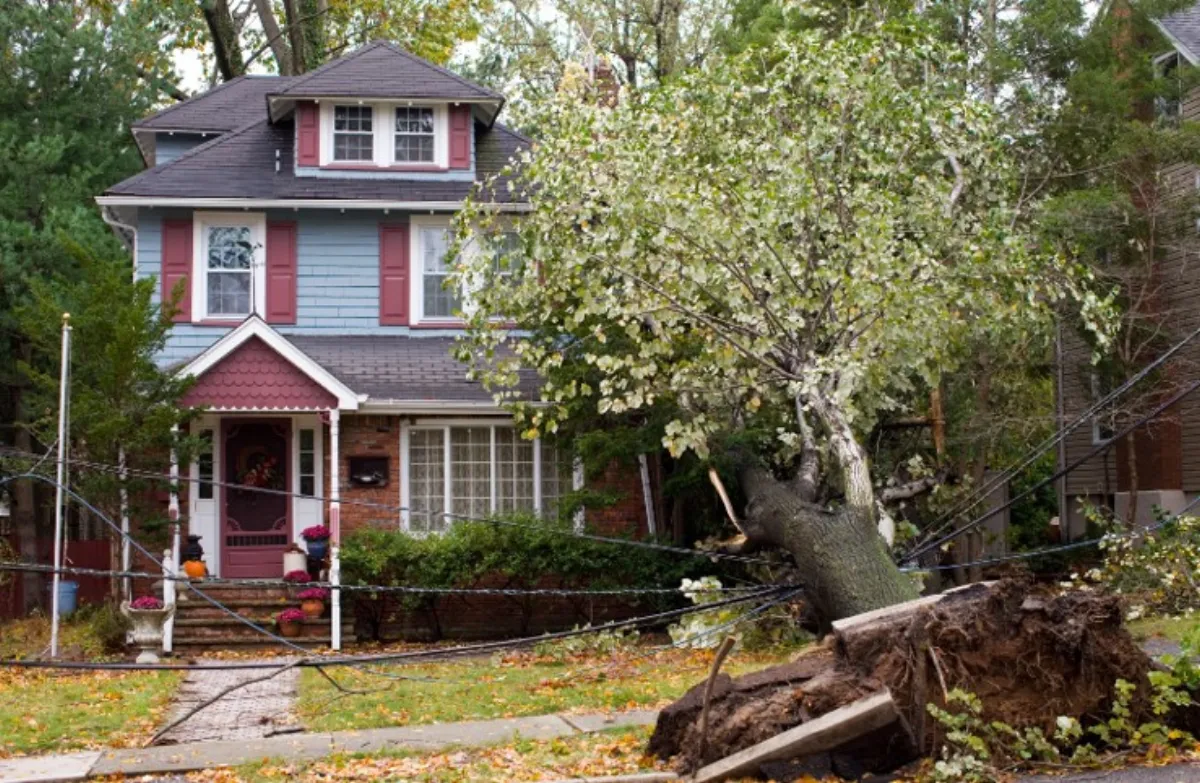
A Guide to Insurance Claim Assessments for Property Damage
Understand how insurance claim assessments work for property damage in Australia, including what assessors look for and how to prepare for the process.

How Do Insurance Companies Assess Claims in Australia?
Learn how Australian insurance companies evaluate property damage claims, the role of loss adjusters, and what homeowners can do to support their claims.
Expert Witnesses in Construction Disputes
Discover how expert witnesses contribute to construction dispute resolution in Australia, from report preparation to tribunal evidence.
Need an Expert Witness for an Insurance Dispute?
Our licensed building inspectors and expert witnesses provide independent analysis for homeowner vs insurance disputes across NSW, Victoria, and Queensland. Contact us for a confidential discussion about your situation.
For a complete overview, see our guide to expert witness reports for building disputes.
Dealing with a property damage insurance dispute? See our guide to insurance claim assessments for practical steps to get a fair outcome.