
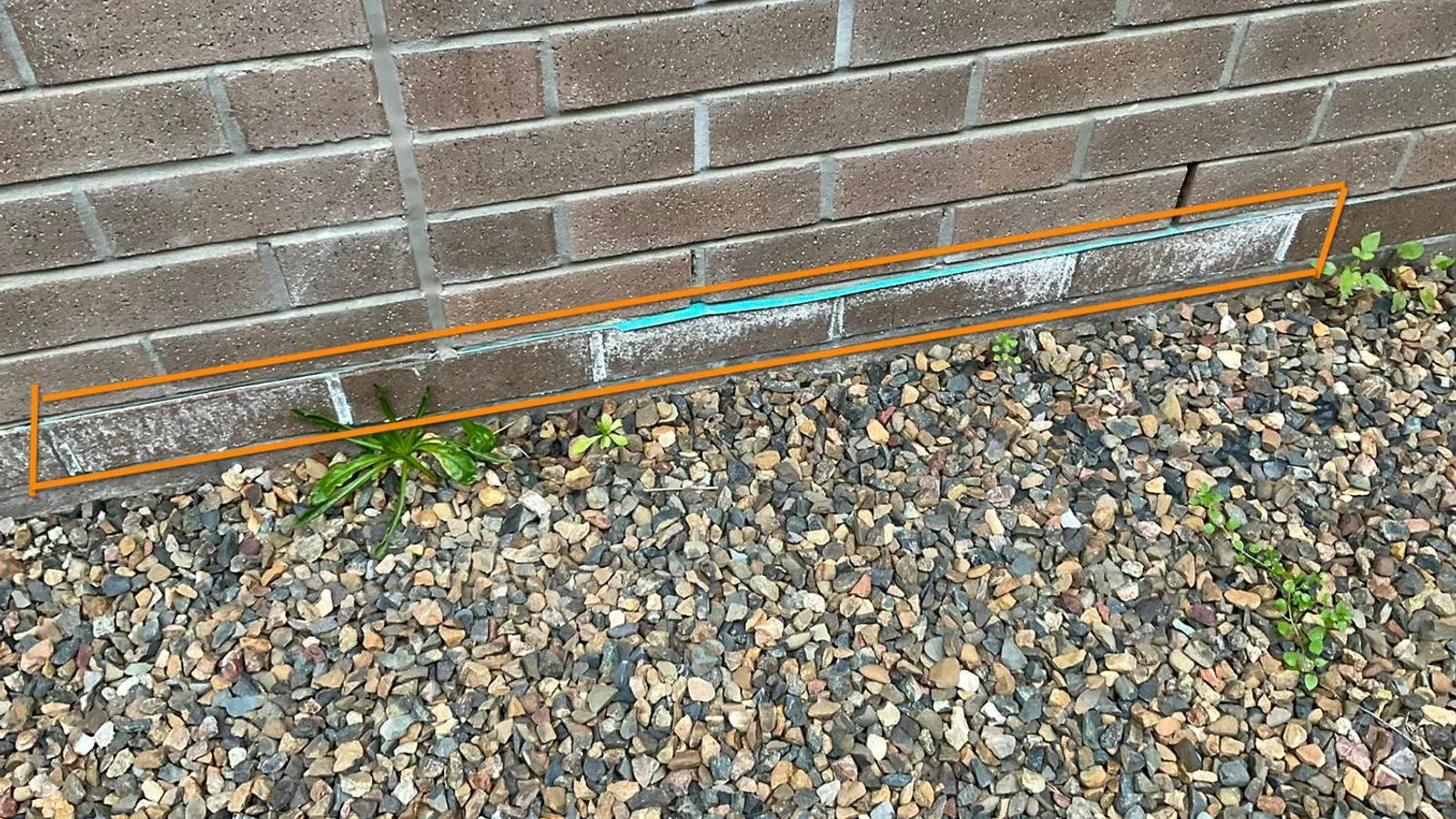
This is a common and stressful discovery, usually made at the final inspection with days or hours left on the clock. The sections below cover how to work out where you stand, what your realistic options are, and what evidence makes any of them work.
Are the Agreed Repairs Actually in Your Contract?
Agreed repairs are enforceable when they appear in the contract as a written special condition naming the work and the deadline. A promise made by phone, in a text from the agent, or noted on an inspection report is far weaker, because the signed contract is generally treated as the complete agreement between the parties. Check the contract first, before you argue with anyone.
Ask your conveyancer or solicitor to point you to the exact clause. What you are looking for is a condition that says what work will be done, to what standard, by when, and what happens if it is not. The Queensland Government makes this point in its guidance for buyers: at the pre-settlement inspection you should check the property is in the same condition as when you signed, and in particular check anything you specifically included in your contract.
- Named in a special condition. Strong position. The vendor has a contractual obligation and failing to meet it is a breach.
- Agreed in writing but never added to the contract. Weak but not always hopeless. Raise it with your solicitor, because a written variation signed by both parties can still count.
- Verbal only, or implied by a price reduction. Usually unenforceable. If you accepted a discount instead of repairs, the discount was the remedy.
Separately from any repair promise, most standard contracts require the vendor to hand the property over in essentially the same condition as at the contract date, fair wear and tear excepted. That is what the final walkthrough exists to confirm, and it is why the same Queensland guidance tells buyers to check the property is still in the condition it was in when they signed. Note what that obligation does and does not do. It covers new damage. It does not, by itself, force a vendor to improve the property beyond the condition you agreed to buy it in.
What Are Your Options If the Vendor Has Not Done the Repairs?
There are four practical routes: have the vendor complete the work before settlement, agree a retention of funds held in trust until the work is done, negotiate a price adjustment at settlement, or settle on time and pursue the vendor afterwards. A retention is the most common commercial outcome because it keeps the settlement date intact while protecting your money.
| Option | How it works | Main risk |
|---|---|---|
| Vendor completes the work | Settlement is delayed by agreement while the trade attends | Rushed work, and the vendor may refuse |
| Retention of funds | An agreed sum is held in a solicitor's trust account until the work is verified | Both solicitors must agree the terms in writing |
| Price adjustment | The purchase price is reduced by the cost of the outstanding work | You need a defensible repair figure, not a guess |
| Settle and pursue later | You complete on time and claim the cost afterwards | Slow, and you carry the cost in the meantime |
Whichever route you take, you need a number. A written quote from a licensed trade for the outstanding work, sitting alongside a dated report showing the work was not done, is what moves a vendor's solicitor. An assertion that the repairs "were not finished properly" does not.
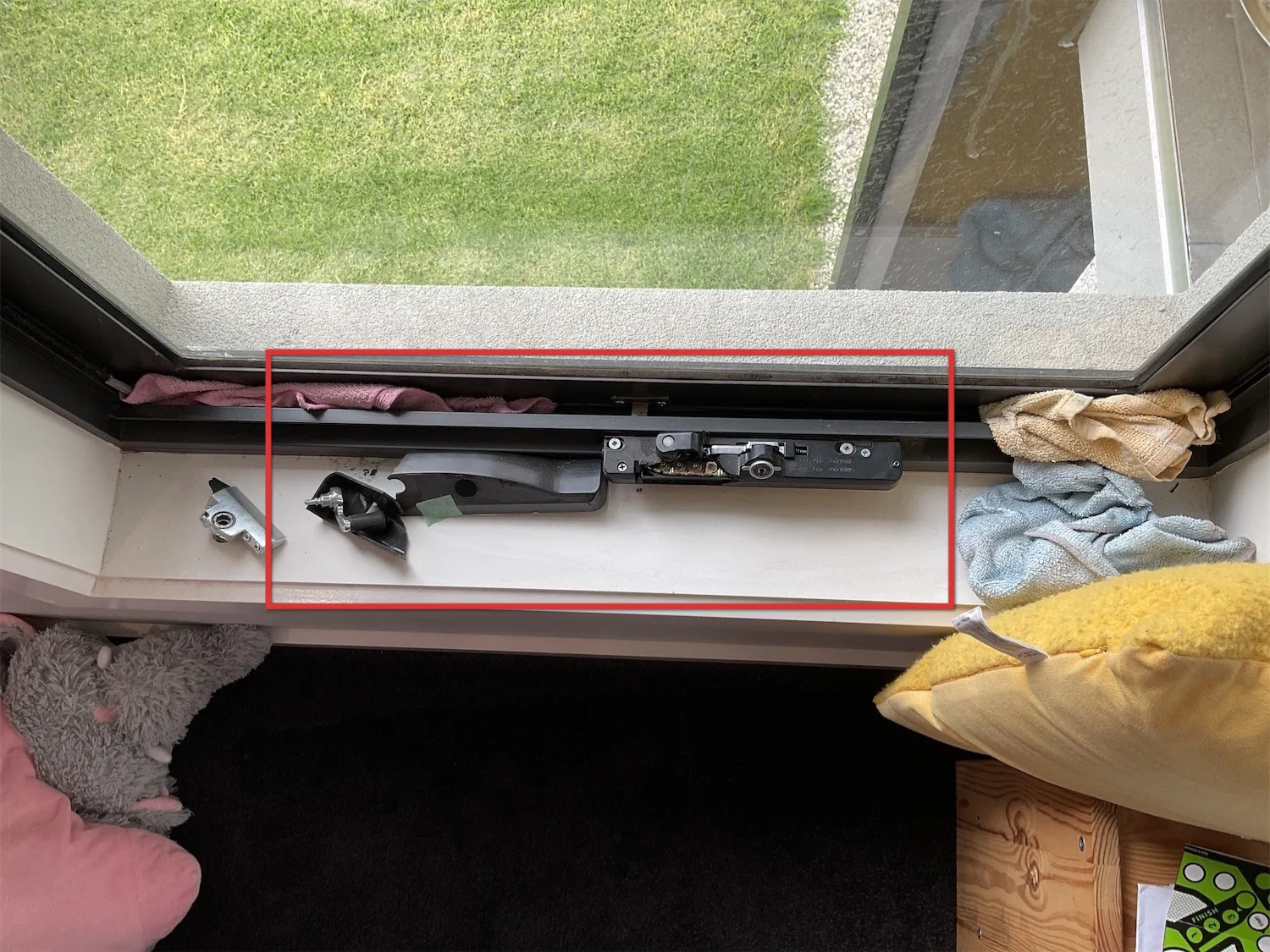
Above is the pattern that causes most of these disputes. A trade has attended, started the work, and left it part-done. The vendor's position is that the repair was actioned. The buyer's position is that nothing has been fixed. Only a dated photograph of the actual state of the work settles that argument.
Can You Delay Settlement Until the Repairs Are Done?
You can ask, and vendors often agree, but you generally cannot unilaterally refuse to settle because repairs were skipped. Withholding settlement without a contractual right puts you in breach instead of the vendor, which can expose you to penalty interest and a notice to complete. Get advice from your solicitor before you miss a settlement date.
The Queensland Government's guidance to sellers acknowledges the practical reality here: if the property is not in good condition at the buyer's pre-settlement inspection, the buyer can ask their lawyer to delay settlement until you fix the problem. Note the wording. The buyer asks. A delay that both sides agree to is very different from a buyer simply not turning up.
Note
Owner Inspections is a building inspection company, not a law firm. We can document exactly what was and was not done to the building. Whether a particular clause entitles you to delay settlement, withhold funds or terminate is a legal question for your conveyancer or solicitor.
How Do You Prove the Repairs Were Not Done?
You prove it with an independent, dated inspection carried out before settlement, comparing the current condition against the agreed scope of works. The report needs photographs, locations, and a plain statement of what was and was not completed. Once you settle, you lose the ability to show the property in the condition the vendor handed it over in.
This is the step buyers most often skip, and it is the one that decides the outcome. Two or three phone photos taken in a hurry rarely establish anything, because they show a defect without showing that it falls inside the agreed scope. A defect investigation report does the comparison explicitly, item by item against the contract condition.
Prove What Was Not Done, Before You Settle
An independent defect investigation documents each agreed repair against what is actually there, with photos and dates, while you still have access to the property.
Bring the original pre-purchase inspection report to the re-inspection. The defect list that triggered the repair agreement in the first place is the scope your inspector should be checking against, and having both reports from the same period makes the comparison far harder to dispute. NSW Fair Trading notes that beyond inspecting a property yourself you can arrange property inspection reports such as a building inspection report, and that the agent must tell you about previous reports on the property.
What If the Repairs Were Done But Done Badly?
Poor workmanship on an agreed repair is still a failure to meet the condition, provided the condition specified a standard or the work is obviously not fit for purpose. A patched crack that has been filled and painted over without addressing the movement behind it has not been repaired, it has been concealed. An inspector can usually tell the difference; a buyer standing in the room on settlement morning usually cannot.
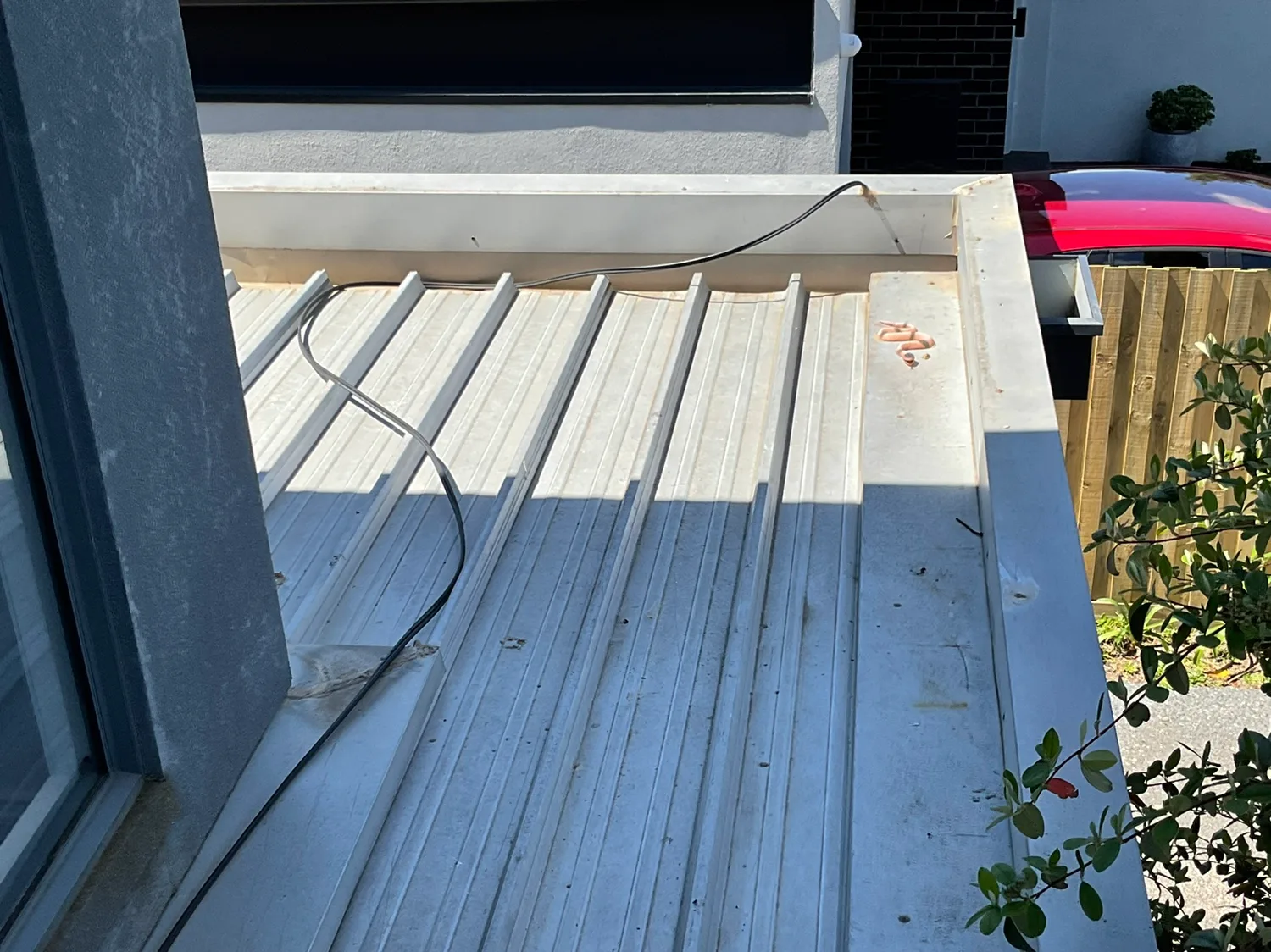
This is unfinished external work of the kind that gets signed off as complete because it is out of sight from the ground. Cosmetic repairs are easy to verify at a walkthrough. Roof, subfloor, drainage and wet area work are not, which is why they account for a disproportionate share of post-settlement disputes.
The most common version of this problem is not a vendor who did nothing. It is a vendor who did the cheapest possible version of the work and considers the condition satisfied. Whether that is enough depends on how specifically the special condition was drafted, which is why vague wording like "vendor to rectify bathroom leak" causes so much trouble.
Should You Settle and Chase It Afterwards?
Often yes, if the outstanding amount is small relative to the risk of losing the property or paying penalty interest. Settling on time protects your position on the purchase itself, and a documented claim can still be pursued afterwards. The trade-off is that recovery gets slower and harder once the vendor has your money and no reason to cooperate.
Consumer Affairs Victoria sets out what buyers should attend to before property settlement, and separately covers the more difficult territory of building problems found after settlement. The gap between those two pages is the whole argument for doing the work now. Before settlement you have access, leverage and an unpaid balance. After settlement you have a letter of demand.
If you do settle with the matter unresolved, make sure your solicitor records the reservation of rights in writing and that you hold a dated report and a repair quote. Those three documents are what a later claim rests on. For a broader view of how these disagreements typically play out, see our guide on resolving pre-settlement disputes and on your legal rights at a pre-settlement inspection.
Frequently Asked Questions
Can I refuse to settle if the vendor did not do the agreed repairs?
What is a retention of funds at settlement?
Does a verbal promise from the agent count?
When should the pre-settlement inspection happen?
What evidence do I need to make a claim later?
Related Articles

Understanding Your Legal Rights in Pre-Settlement Inspections
A state by state guide to what buyers are entitled to inspect, request and claim before settlement.

Common Issues Found in Pre-Settlement Inspections
The defects that turn up most often at final inspections, and which ones are worth stopping settlement for.

Can You Negotiate Price After a Building Inspection?
How to turn documented defects into a fair price reduction, and what to do when the seller refuses.