

A pre-settlement inspection is the buyer’s final chance to check that the property is in the agreed condition before settlement. In Victoria, buyers are entitled to inspect the property at any reasonable time during the week before settlement, and the seller must hand it over in the same condition as when it was sold.
This article explains what to look for in a pre settlement inspection, how to build a clear defect list, what to do if there is damage found after settlement, and when to seek help from a building inspector, conveyancer, or property lawyer.
What Is a Pre-Settlement Inspection?
A pre-settlement inspection is a final walkthrough before settlement. It helps buyers confirm that the property, fixtures, inclusions, appliances, and agreed repairs match the contract of sale.
It is different from a pre-purchase inspection. A pre-purchase inspection is usually done before exchange or before signing a contract, while a pre-settlement inspection happens close to settlement. NSW Government guidance explains that pre-purchase inspection reports can identify major defects, safety hazards, damp, cracking, roof problems, and other issues before buying.
| Inspection Type | When It Happens | Main Purpose |
|---|---|---|
| Pre-purchase inspection | Before signing or exchanging contracts | Checks the property condition before committing |
| House inspection before settlement | During the final week before settlement | Confirms the property is still in the agreed condition |
| Handover or practical completion inspection | Before accepting a new build | Checks construction quality and incomplete work |
| Reinspection | After repairs or rectification work | Confirms agreed defects have been fixed |
Found a Defect That Could Become a Legal Issue?
Get an independent defect investigation report with clear photos, findings, and repair guidance before the issue becomes harder to prove.
Investigation
What to Look for in a Pre-Settlement Inspection
A good final inspection before settlement should be practical, organised, and evidence-based.
Consumer Affairs Victoria advises buyers to check that all items included in the contract are present and in the right condition, and to request repairs if damage or non-working items are found during the final inspection.
| Area to Check | What to Look For | Why It Matters |
|---|---|---|
| Walls and ceilings | Cracks, water stains, sagging, fresh patching | May point to movement, leaks, or poor repairs |
| Floors | Loose tiles, scratches, swelling, uneven surfaces | Can show poor finishing or moisture issues |
| Kitchen | Cabinets, benchtops, taps, appliances, splashbacks | Confirms inclusions and workmanship |
| Bathrooms | Leaks, drainage, waterproofing signs, loose fittings | Wet areas can hide costly defects |
| Doors and windows | Locks, alignment, smooth opening and closing | Affects safety, security, and usability |
| Electrical items | Lights, switches, power points, exhaust fans | Confirms working fixtures before handover |
| Plumbing | Taps, toilets, drains, water pressure, hot water | Helps identify leaks and drainage issues |
| Outdoor areas | Fencing, gates, drainage, balconies, garages | Confirms condition of external areas |
| Shared areas | Car parks, lifts, stairwells, storage cages | Useful for apartments and strata properties |
| Contract inclusions | Appliances, blinds, remotes, keys, fixtures | Helps avoid missing items after settlement |
Pre-Settlement Inspection Defect List
A defect list is a written record of issues found during the inspection. It should include clear notes, dated photos, room names, and the action requested.
Use a simple table so the seller, agent, conveyancer, and inspector can understand the problem quickly.
| Defect | Location | Evidence | Requested Action |
|---|---|---|---|
| Cracked wall | Bedroom 2 | Photo and measurement | Assess and repair |
| Leaking tap | Ensuite | Photo or short video | Repair before settlement |
| Missing appliance | Kitchen | Contract inclusion list | Install or replace |
| Loose power point | Living room | Photo | Licensed electrical check |
| Scratched flooring | Hallway | Photo | Repair or agree adjustment |
| Door not closing | Main bedroom | Video | Adjust hinges or frame |
| Damaged cabinet | Kitchen | Photo | Replace or repair panel |
A building inspection report can also help buyers understand property problems before purchase and may help with price negotiations. NSW Government guidance says a pre-purchase report can help buyers use the information to negotiate a lower price and get specialist advice.
Structural Defects: The Foundation of Your Home
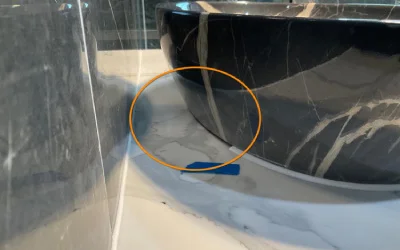
This cracked stone vanity top was circled during a pre-settlement inspection. Cracks like this are easy to miss on a quick walkthrough and far harder to attribute once you have moved in.
Structural defects are serious because they can affect safety, stability, long-term repair costs, and property value.
Common structural issues found during a pre-settlement inspection include:
- Foundation cracks or movement
- Large wall or ceiling cracks
- Sagging roof areas
- Water damage near structural areas
- Poorly repaired movement cracks
- Balcony or stair movement
- Signs of termite or moisture damage
Foundation Issues
Foundation problems can manifest as cracks in the slab, uneven surfaces, or signs of movement. In new builds, these may indicate poor site preparation, inadequate compaction, or issues with the concrete pour. Foundation defects can worsen over time and lead to significant structural problems if left unaddressed.
Wall and Ceiling Cracks
Cracks in walls and ceilings are one of the most frequently identified issues during pre-settlement inspections. Not all cracks are structural. Hairline cracks in plaster can result from the natural settling of a new building. However, wider cracks, diagonal cracks around door and window frames, or cracks that appear in patterns can indicate structural movement or poor workmanship that requires further investigation.
Roofing Defects
Roofing issues can include incorrectly installed tiles or sheeting, poor flashing around penetrations and junctions, inadequate sealing, and blocked or improperly graded gutters. These defects can lead to water ingress, which can cause significant damage to the internal structure and finishes of a property over time.
Plumbing and Electrical Systems: Hidden Problems That Cost Money
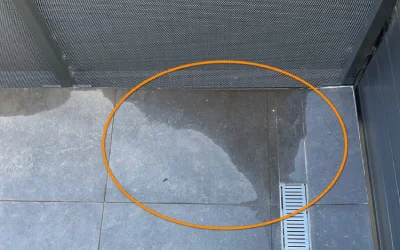
Here water is ponding on balcony tiles instead of running to the floor waste. Poor falls like this cause staining and water entry over time, and they are a common after-settlement complaint in apartments.
Plumbing and electrical defects are often missed during a quick walkthrough. Buyers should test what can be safely checked during the inspection.
Common plumbing issues include:
- Leaking taps
- Moisture under sinks
- Slow-draining basins or showers
- Poor water pressure
- Running toilets
- Water stains near wet areas
- Hot water faults
Common electrical issues include:
- Lights not working
- Faulty switches
- Loose or damaged power points
- Exhaust fans not working
- Smoke alarms missing or not tested
- Exposed or unsafe wiring
Leaking Fixtures
Leaking taps, showerheads, toilets, and pipe connections are common findings in new properties. These may result from improper installation, faulty fittings, or connections that have not been adequately tightened. While individual leaks may seem minor, they can lead to water damage and mould growth if not rectified.
Water Pressure Issues
Low water pressure can indicate problems with the plumbing system, including undersized pipes, partially closed valves, or blockages. During the inspection, all taps and showers should be tested to ensure adequate and consistent water pressure throughout the property.
Drainage Problems
Blocked or slow-draining sinks, basins, showers, and floor wastes are common issues. In new builds, these can result from construction debris left in the drainage system. External drainage should also be checked to ensure water flows away from the building and does not pool against the foundation.
Non-Functional Power Points and Switches
Power points and switches that do not work are a frequent finding. This can be caused by loose connections, wiring errors, or tripped circuit breakers. All power points, switches, and light points should be tested during the inspection.
Exposed Wiring
Any exposed or improperly enclosed wiring is a safety hazard and a non-compliance issue. This includes wiring that is visible in living spaces, incomplete junction boxes, or cables that have not been properly secured.
Flickering Lights
Flickering or intermittent lighting can indicate loose connections, faulty light fittings, or wiring issues. While it may seem like a minor inconvenience, it can point to a more significant electrical problem that needs to be investigated by a licensed electrician.
Cosmetic and Finishing Issues: Small Defects Can Point to Poor Workmanship
Cosmetic defects may look minor, but they can point to rushed work, poor quality control, or unfinished construction.
Common finishing defects include:
- Uneven paint
- Peeling paint
- Scratched flooring
- Chipped tiles
- Poor grout lines
- Loose handles
- Gaps around cabinetry
- Poor silicone work
- Damaged benchtops
- Misaligned cupboards
Paintwork Defects
Common paintwork issues include uneven coverage, drips, runs, missed areas, paint on surfaces where it should not be (such as window frames or hardware), and colour inconsistencies between rooms or surfaces. These are some of the most frequently reported issues in new builds.
Flooring Problems
Flooring defects can include uneven surfaces, gaps between boards or tiles, chipped tiles, scratched timber, poorly finished edges, and inconsistent grout lines. In carpeted areas, look for wrinkles, uneven stretching, and poorly finished transitions between different flooring types.
Fixtures and Finishing Quality
Poorly fitted skirting boards, architraves, cornices, and door hardware can detract from the presentation of a new property. Look for gaps, uneven joins, misaligned elements, and rough or unfinished edges. While these are cosmetic, they reflect the builder's attention to detail and should be rectified before settlement.
Fixtures and Fittings: Make Sure Everything in the Contract Is There
Fixtures and fittings are common sources of settlement disputes. Buyers should compare the property against the contract of sale, marketing material, inclusions list, and special conditions.
Check:
- Ovens, cooktops, dishwashers, and rangehoods
- Air conditioning units and remotes
- Light fittings
- Curtains, blinds, and shutters
- Door handles and locks
- Garage remotes
- Built-in wardrobes
- Bathroom fittings
- Tapware
- Keys, fobs, and access devices
Missing Appliances or Fixtures
Check that all appliances, fixtures, and fittings listed in the contract or schedule of inclusions are present and correctly installed. Missing items can include dishwashers, ovens, rangehoods, towel rails, toilet roll holders, and shower screens. Everything specified in the contract should be in place at the time of inspection.
Faulty Windows and Doors
Windows and doors should open, close, and lock smoothly. Common issues include windows that do not seal properly, doors that stick or swing open on their own, misaligned sliding doors, faulty locks, and damaged or missing flyscreens. These issues can affect security, weather sealing, and energy efficiency.
Built-In Features
Check built-in features such as wardrobes, shelving, cabinetry, and storage units. Common problems include doors that do not close properly, shelves that are not level, drawers that stick, and hardware that is loose or missing. Verify that these features match the specifications in the contract.
Need Evidence for a Builder Dispute?
When a claim may reach a tribunal, court, or insurer, an expert witness report can help explain the defect, likely cause, and supporting evidence.
Witness Reports
HVAC and Ventilation: Comfort, Moisture, and Mould Risk
Heating, ventilation, and air conditioning should be checked before settlement where safe and practical.
Look for:
- Air conditioning that does not turn on
- Heating that does not work
- Weak airflow
- Noisy systems
- Blocked vents
- Mould near vents
- Poor bathroom exhaust
- Rangehoods not extracting air
Air Conditioning and Heating
Test all heating and cooling systems to ensure they operate correctly. Common issues include units that do not turn on, inconsistent temperatures between zones, unusual noises, and systems that have not been properly commissioned. In ducted systems, check that air flows from all vents and that the thermostat responds correctly.
Blocked Vents
Ventilation openings in wet areas such as bathrooms, laundries, and kitchens should be clear and functional. Blocked or non-functional exhaust fans can lead to moisture buildup and mould growth. Sub-floor vents in homes with raised floors should also be checked to ensure adequate airflow beneath the property.
Ductwork Issues
In properties with ducted heating or cooling, inspect accessible ductwork for disconnections, damage, or poor insulation. Poorly installed ductwork can result in air leaks, reduced efficiency, and uneven temperature distribution throughout the property.
Common Building Areas in Apartments and Strata Properties
Apartment buyers should not only inspect the inside of the unit. Shared areas can affect safety, convenience, strata levies, and future costs.
Check:
- Lifts
- Stairwells
- Basement car parks
- Storage cages
- Security doors
- Intercoms
- Fire doors
- Drainage areas
- Shared balconies
- Common hallways
- Visitor parking
- Signs of leaks or water ponding
Lifts and Stairwells
Check that lifts are operational and that stairwells are properly finished, well-lit, and free of defects. Common issues include incomplete painting, damaged handrails, uneven steps, and missing or faulty emergency lighting.
Basement and Car Parking
Inspect basement areas and car parking spaces for water ingress, poor drainage, cracked or uneven surfaces, and inadequate lighting. Verify that your allocated car space and storage cage (if applicable) are correctly identified and accessible.
Security Systems
Test security features such as intercom systems, swipe card access, CCTV, and security gates. Ensure that all access points are secure and that the systems are functioning as described in the contract or marketing materials.
Damage Found After Settlement: What Can You Do?
If you find damage after settlement, photograph it the same day, tell your conveyancer or property lawyer, and work out which of three routes applies: a breach of the contract of sale, a statutory warranty for recent building work, or misrepresentation by the seller or agent. For an established home with no warranty and no evidence the damage existed before settlement, recovery is often difficult.
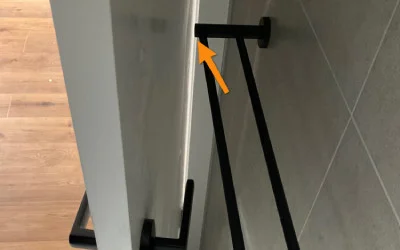
This door strikes the towel rail every time it opens. It is a small fault, but exactly the kind of item that is simple to fix before settlement and a debate afterwards.
Step 1: Record the damage and the timing
Take dated photos and video, and compare them with your pre-settlement photos, the agent's listing images and any pre-purchase report. The strongest after-settlement claims prove the damage was already present, or was caused by the seller, before the keys changed hands.
Step 2: Check the contract and settlement correspondence
Your conveyancer can check whether the seller breached a condition, such as handing over the property in the condition it was sold in, or failed to complete repairs they agreed to in writing. See what to do if the vendor skips agreed repairs.
Step 3: Check whether a building warranty applies
Statutory warranties for recent building work generally pass to later owners:
- Victoria: warranties under the Domestic Building Contracts Act apply for up to 10 years from the occupancy permit or certificate of final inspection.
- Queensland: the Queensland Home Warranty Scheme may cover defective work, with structural defect cover generally lasting 6 years and 6 months for policies since 28 October 2016.
- NSW: statutory warranties commonly run for 6 years for major defects and 2 years for other defects from completion of the work.
Step 4: Get independent evidence before repairing
Make the property safe, but do not carry out permanent repairs until the problem has been independently documented, or you may remove the evidence a claim depends on. Owner Inspections is not a law firm and cannot advise on your legal rights, but a report can establish what the defect is, its likely cause and when it probably occurred, which is what a solicitor or tribunal needs.
| Situation | What to Do |
|---|---|
| Damage found before settlement | Photograph it, list it, notify the agent and conveyancer |
| Damage found after settlement | Speak to your conveyancer or lawyer quickly |
| New build defect | Check statutory warranty and builder obligations |
| Apartment defect | Check strata records, builder warranties, and defect claims |
| Serious safety issue | Get specialist advice before using the affected area |
| Repaired defect not fixed properly | Book a reinspection and update the defect list |
Can You Still Negotiate House Price After a Pre-Settlement Inspection?
Yes, buyers may be able to negotiate repairs, a price adjustment, or another agreed outcome if the pre-settlement inspection finds a problem. The result depends on the contract, evidence, timing, and legal advice.
Consumer Affairs Victoria says that if the final inspection finds new damage or an item is not working as it was when the property was sold, buyers can request that the seller make repairs before settlement.
Common options include:
- Requesting repairs before settlement
- Asking for missing inclusions to be supplied
- Requesting a price adjustment
- Asking for money to be held until repairs are completed
- Delaying settlement if legally available
- Seeking advice from a conveyancer or property lawyer
Do not rely on a verbal promise. Put the issue in writing, attach photos, include the defect list, and ask your conveyancer to handle formal communication.
Off-the-Plan and New Build Pre-Settlement Issues
Pre-settlement inspections are especially useful for off-the-plan apartments and new builds because the buyer may not have seen the finished property before.
Common issues include:
- Incomplete finishes
- Missing inclusions
- Poor paintwork
- Damaged flooring
- Defective cabinets
- Poor drainage
- Balcony defects
- Appliance faults
- Cracked tiles
- Poor waterproofing signs
Pre-Settlement Inspection Checklist
Use this checklist during the final walkthrough.
| Area | Check These Items | Evidence to Capture |
|---|---|---|
| Entry and keys | Door locks, keys, remotes, fobs | Photo of all supplied access items |
| Kitchen | Appliances, taps, cabinets, benchtops | Photos of damage or missing items |
| Bathrooms | Toilets, showers, basins, exhaust fans | Photos and videos of leaks or drainage |
| Bedrooms | Wardrobes, windows, flooring, walls | Photos of cracks or scratches |
| Living areas | Lights, power points, floors, walls | Photos of visible defects |
| Laundry | Taps, trough, drainage, ventilation | Video of drainage issue |
| Exterior | Fences, gates, garage, drainage | Photos of damage or missing items |
| Apartment common areas | Car park, storage, lifts, security | Photos of visible defects |
| Contract inclusions | Fixtures, fittings, appliances | Compare against contract list |
| Repairs promised | Confirm completed work | Before and after photos |
How to Document Settlement Issues Properly
Good evidence makes it easier to raise settlement issues before handover.
Use this process:
- Take clear photos in good light.
- Record short videos for moving parts, leaks, or faulty systems.
- Note the room and exact location.
- Compare the issue with the contract or inclusion list.
- Add each issue to the defect list.
- Send the list to your conveyancer or agent before settlement.
- Keep copies of all emails and replies.
- Book a reinspection if repairs are promised.
Legal and Financial Considerations
Negotiate Repairs Before Settlement
If defects are identified during the pre-settlement inspection, you have several options. The most common approach is to negotiate with the builder or seller to have the defects rectified before settlement. Provide a written list of defects with supporting photographs and request a timeline for rectification. Your solicitor can advise on the best approach depending on the severity of the issues.
Request Price Adjustments
For defects that cannot be rectified before settlement, you may be able to negotiate a price reduction or a retention of funds in a trust account until the work is completed. This approach ensures you are not left out of pocket if repairs are needed after you take possession.
Engage Your Solicitor
Your property solicitor plays a critical role in managing defect claims and negotiations. They can advise on your legal rights, draft correspondence to the builder or developer, and ensure that any agreed rectification works are documented and enforceable.
Know Your Rights Under Australian Consumer Law
Australian Consumer Law and state-specific building legislation provide protections for property buyers. For new builds, statutory warranties typically cover structural defects for six to seven years and non-structural defects for two years (timeframes vary by state). Understanding your rights ensures you can hold the builder or developer accountable for defective work.
Getting the Most Value from Your Home and Building Investment
A pre-settlement inspection protects buyers from avoidable stress at the last stage of a property purchase. It helps confirm that the property is in the agreed condition, fixtures are present, repairs are complete, and defects are recorded before settlement.
Found Damage After Settlement?
A defect investigation report records the defect, its likely cause and when it occurred, so your solicitor has evidence to work with.
Frequently Asked Questions
What is a pre-settlement inspection?
What should I check in a pre-settlement inspection?
What should be included in a pre-settlement inspection defect list?
What happens if damage is found after settlement?
Can you still negotiate house price after a pre-settlement inspection?
Can I claim against the seller for damage found after settlement?
Should I repair damage found after settlement straight away?
Is a house inspection before settlement different from a pre-purchase inspection?
Are cosmetic defects grounds for delaying settlement?
Should I hire a professional inspector for the final inspection before settlement?
Key Takeaways
- Pre-settlement inspections commonly reveal structural defects, plumbing and electrical issues, cosmetic problems, and missing or faulty fixtures
- Engaging a professional building inspector is highly recommended to identify issues you might miss
- Document all defects with photographs and written descriptions to support negotiations with the builder or seller
- Negotiate rectification, price adjustments, or retention of funds before settlement
- For new builds, statutory warranties provide protection against structural and non-structural defects
- Understand your rights under Australian Consumer Law and state-specific building legislation
- Request a follow-up inspection after defects have been rectified to confirm the work has been completed properly
Identify Defects Before You Settle
Book a pre-settlement inspection with Owner Inspections to catch structural, plumbing, electrical, and cosmetic issues before settlement. Our detailed reports give you the evidence you need to negotiate repairs.
Related Articles

What to Expect in Your Pre-Settlement Inspection
A walkthrough of the final inspection, from what to test to how long it takes.
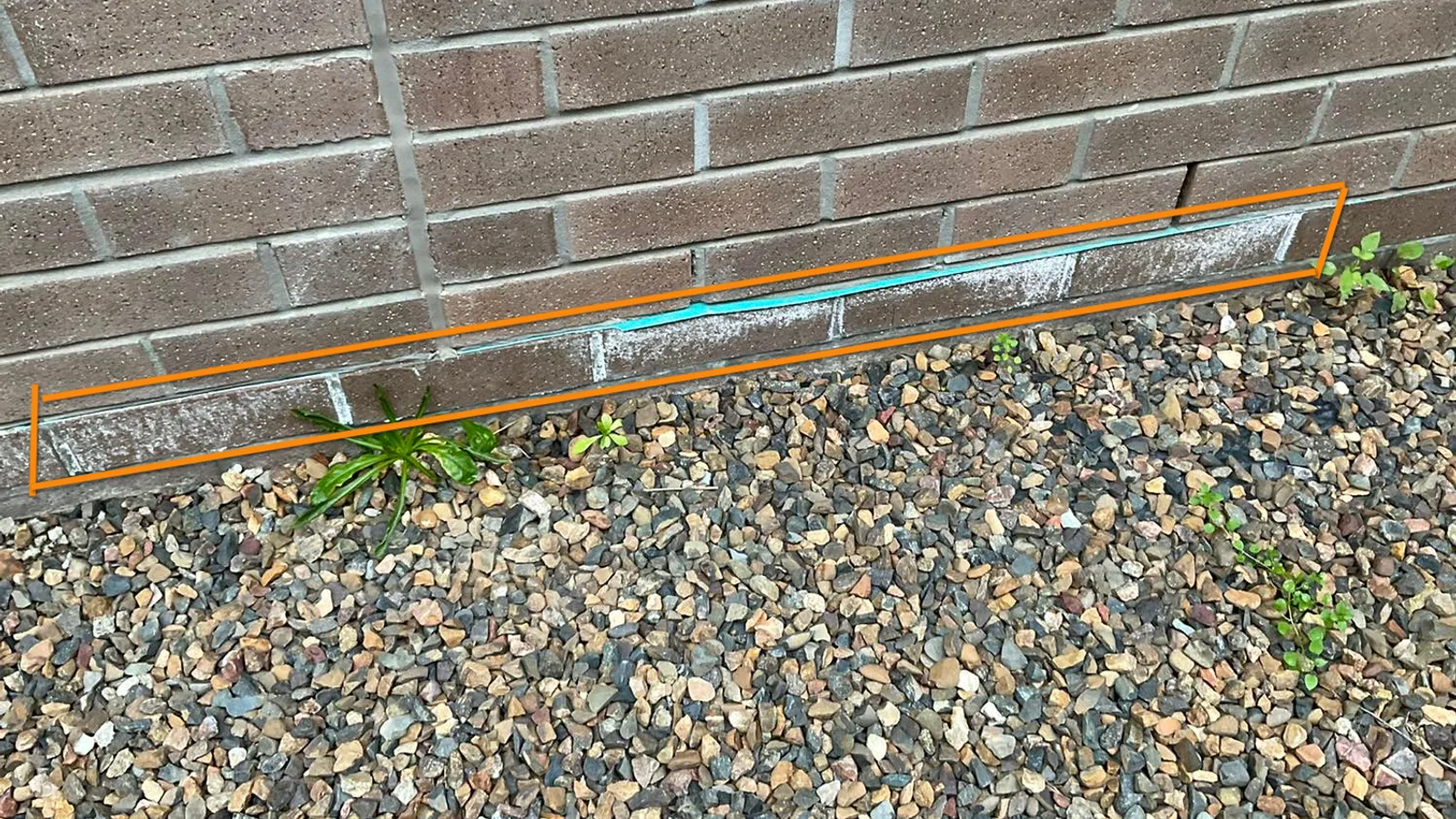
What Can You Do If the Vendor Skips Agreed Repairs Before Settlement?
Your options when promised repairs are missing at the final inspection.

How to Resolve Pre-Settlement Disputes Effectively
How buyers and sellers settle disagreements over defects before settlement day.