
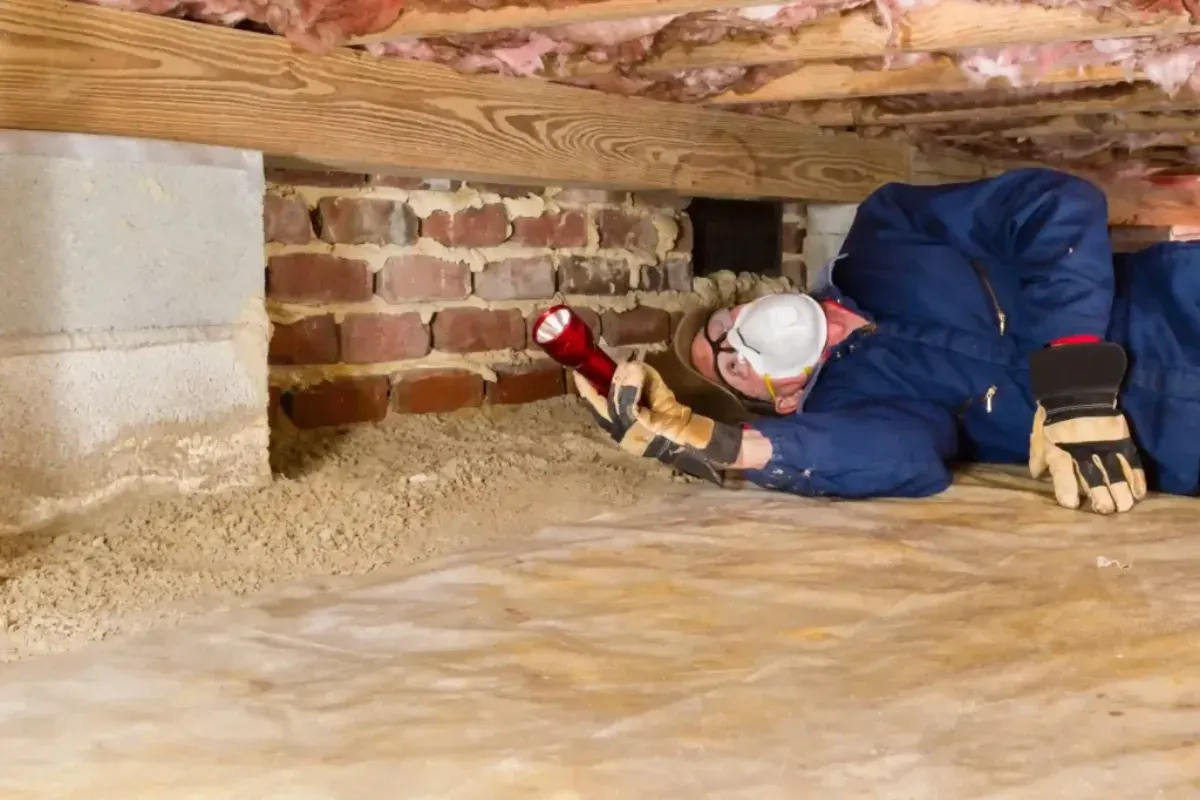
In Victoria and Queensland restumping generally needs a building permit or building approval, and in Victoria the builder must be registered for restumping whatever the job is worth. In NSW, check approval with your council or a certifier, and a licensed builder is needed once the work is worth more than $5,000.
Quick Summary: Restumping a House
- What it is: replacing some or all of the stumps under a raised house, then re-levelling the floor.
- Warning signs: sloping, dipping or bouncy floors, wall cracks near door and window corners, sticking doors, gaps at skirting boards, rotten or leaning stumps.
- Main causes: reactive clay soil movement, poor drainage, plumbing leaks, termites and age.
- How long: a few days for partial work, about a week or more for a full restump, longer if extra damage turns up.
- Materials: concrete or galvanised steel stumps are the usual replacement for old timber.
- Permits: generally required in Victoria and Queensland; check with your council or a certifier in NSW.
- Who does it: a registered or licensed builder, not a DIY job.
Document Building Defects Before They Escalate
If restumping concerns are linked to cracks, uneven floors, or structural movement, proper defect documentation can help you understand the issue more clearly.
Document Defects
Why Restumping Matters for Australian Homes
Restumping matters because many older Australian houses, especially weatherboard homes in Victoria and Queensland, sit on stumps rather than a concrete slab. When those stumps rot, sink or are eaten by termites, the floor and frame above lose support, and the damage spreads to walls, doors, plumbing and roofing until the stumps are replaced.
Restumping a house involves replacing damaged or unstable stumps to restore structural support and improve the stability of the property. In older Australian homes, especially weatherboard properties, restumping is often necessary after decades of movement and wear.
Foundation movement is common in areas with reactive clay soils, which expand and contract during changing weather conditions. This movement places pressure on house stumps and can gradually affect the structural integrity of the home. The Australian Government’s Your Home resource explains how soil movement impacts residential foundations and structural performance.
For homeowners, investors, builders, and property managers, identifying stump problems early can prevent expensive structural repairs later.
What Is Restumping a House?
Restumping a house, also known as reblocking, is replacing the old or damaged stumps beneath a raised house with new ones and re-levelling the floor. The stumps carry the bearers and joists of the subfloor and spread the weight of the house onto footings in the ground, so failed stumps mean an unlevel, unsupported floor.
Older Australian homes often used timber stumps because they were affordable and widely available. While timber stumps can last many years, they are vulnerable to moisture damage, termite attacks, and gradual deterioration. Modern restumping projects commonly use concrete or steel stumps because they offer improved durability and resistance to environmental conditions.
Restumping vs Reblocking
Restumping and reblocking mean the same thing: replacing the stumps under a house. Which word is used varies by region and builder. Some contractors use reblocking for a full replacement and restumping for a partial one, so confirm the scope in the quote.
Restumping vs Underpinning
Homeowners sometimes confuse restumping with underpinning.
| Restumping | Underpinning |
|---|---|
| Replaces damaged stumps | Strengthens existing foundations |
| Common in raised homes | Common in slab homes |
| Improves floor leveling | Stabilises sinking foundations |
| Often used in older timber homes | Often used for severe structural movement |
The Australian Building Codes Board outlines foundation performance requirements for residential buildings under the National Construction Code.
Signs Your House Needs Restumping
A house usually needs restumping when floors slope, dip or bounce, cracks open around door and window corners, doors and windows start sticking, gaps appear under skirting boards, or the stumps themselves look rotten, cracked, leaning or sunk. One sign on its own is not proof; a subfloor inspection confirms the cause.
- Uneven or sloping floors: One of the most common signs of stump failure is uneven flooring. Floors may slope, dip, bounce, or feel unstable when walked on. This usually happens because one or more stumps have shifted or deteriorated.
- Cracks in walls and ceilings: Foundation movement often causes plaster or drywall cracks around windows, door frames, ceilings, and corners of rooms. Small cracks may not always indicate serious problems, but widening cracks can signal ongoing movement beneath the house.
- Doors and windows no longer align: If doors suddenly become difficult to close or windows start sticking, the home may be shifting unevenly. Misaligned frames are a common sign that the foundation support has changed.
- Visible deterioration of stumps: Timber stumps can rot, crack, or suffer termite damage over time. Concrete stumps may crack due to soil movement, while steel stumps may corrode if exposed to excessive moisture. If timber damage or pest activity is suspected, a timber pest inspection can help confirm whether termites or borers have affected the subfloor.
- Gaps around skirting boards or flooring: Movement in the foundation can create visible gaps between floors, walls, and skirting boards. This usually develops gradually as the structure shifts.
Why Restumping Is Important
Restumping is important because a house on failing stumps keeps moving, and every season of movement spreads damage to plaster, tiles, door frames, plumbing and the roof. Replacing the stumps stops the cause, restores a level floor and removes a defect that buyers' building inspectors will report.
- Ensuring Structural Integrity and Safety: Restumping restores support beneath the home and helps redistribute structural loads evenly. This improves the overall stability of the property.
- Preventing Further Property Damage: As foundations continue shifting, additional damage may occur to walls, ceilings, roofing, tiling, plumbing, and flooring systems.
- Protects Property Value: Homes with unresolved foundation problems may lose value and become harder to sell. Buyers often request structural inspections before purchasing a property. A professional pre purchase building inspection can identify foundation movement and stump issues before settlement.
- Enhances Safety: Unstable flooring and weakened foundations can become safety hazards for occupants. Addressing stump problems early reduces structural risks.
How Soil Movement Affects House Stumps in Australia
Soil movement affects house stumps because reactive clay soils, found in many parts of Australia's cities and regions, swell when wet and shrink when dry. Stumps sitting in that soil rise and sink unevenly with the seasons, which tilts floors, cracks stumps and loosens the bearers they carry.
Common causes of soil movement include:
- Poor drainage around the property
- Plumbing leaks beneath the home
- Tree roots extracting moisture from the soil
- Seasonal weather changes
- Flooding or excessive rainfall
Managing drainage and moisture levels around the property can help reduce future stump movement.
The Restumping Process: Step by Step
Restumping a house follows the same basic steps: assess the stumps and floor levels, get the permit, jack the house up in stages, remove the failed stumps, set new stumps on new footings, lower and re-level the floor, and have the work inspected. The house stays on its frame throughout.
Assessment of Existing Stumps
Obtaining Building Permits
Jacking Up the House
Removing Old Stumps
Installing New Stumps
Releveling the House
Final Inspection
Restumping Process Timeline
Restumping usually takes a few days for a partial job and about a week or more for a full restump of a typical house, with larger or harder-to-access homes taking longer. Permit approval, wet weather and hidden damage found once the floor is lifted are what most often extend the timeline.
The timeframe depends on:
- Size of the property
- Number of stumps replaced
- Soil conditions
- Accessibility beneath the house
- Weather conditions
- Permit approvals
| Type of Project | Typical Timeframe (estimates vary by builder) |
|---|---|
| Partial restumping | 1 to 3 days |
| Full restumping small home | 5 to 7 days |
| Large or complex homes | 1 to 2 weeks |
Unexpected structural damage or poor weather can extend project timelines.
Get a Professional Inspection Before Major Repairs
A pre-purchase or defect inspection can help identify foundation movement, timber damage, and other warning signs before restumping work begins.
Services
Materials Used in Restumping
The three materials used for house stumps are concrete, galvanised steel and timber. Concrete and steel are the usual choices for restumping today because they resist termites and rot; timber is mainly found in older houses and in heritage work where a matching look matters.
Concrete Stumps
Concrete stumps are widely used in modern Australian homes.
Pros
- Resistant to termites
- Long lifespan
- Low maintenance
- Strong structural support
Cons
- Can crack if soil movement is severe
- Heavier installation requirements
Timber Stumps
Timber stumps remain common in older properties.
Pros
- Lower upfront cost
- Easier to install
- Traditional appearance for heritage homes
Cons
- Vulnerable to termites
- Can rot from moisture exposure
- Shorter lifespan compared to concrete or steel
Steel Stumps
Steel stumps are becoming more common for modern structural repairs.
Pros
- High durability
- Resistant to termites and moisture
- Suitable for reactive soils
Cons
- Higher installation cost
- Requires corrosion protection in some environments
Concrete vs Timber Stumps
Concrete stumps outlast timber stumps because they do not rot and termites cannot eat them, which is why most restumping replaces timber with concrete or steel. Timber is cheaper to buy and easier to cut on site, but it needs more maintenance and is the usual reason an old house needs restumping in the first place.
| Feature | Concrete Stumps | Timber Stumps |
|---|---|---|
| Lifespan | Long | Moderate |
| Termite Resistance | Excellent | Poor |
| Moisture Resistance | High | Moderate to low |
| Maintenance | Low | Higher |
| Cost | Moderate | Lower upfront |
| Common Use | Modern homes | Older homes |
Cost of Restumping a House
The cost of restumping a house depends mainly on how many stumps are replaced, how much clearance there is under the floor, the stump material, the soil and footing design, permit and engineering fees, and any rotten bearers or joists found once the house is lifted. Get several itemised quotes for the same scope.
Main Factors Affecting Cost
- Number of stumps needing replacement
- Size and weight of the house
- Material selection
- Site accessibility
- Soil conditions
- Permit requirements
- Additional structural repairs
Comparing Restumping Quotes
Quotes vary widely between builders and suburbs, so compare them on the same scope rather than the headline figure. Check that each quote states:
- How many stumps will be replaced, and whether it is a full or partial job
- The stump material and footing size
- Whether permit, engineering and survey fees are included
- How rotten bearers, joists or flooring found during the work will be priced
- Whether re-levelling, re-attaching plumbing and making good are included
Building Permits for House Restumping
Restumping is structural work, so in most of Australia it needs a building permit or approval and a licensed or registered builder. Who issues the approval, and the dollar value at which a licence is required, differ by state, so check the rules where the house is before signing a contract:
- Victoria: councils such as Knox City Council list reblocking or restumping as work needing a building permit, issued by the council or a registered private building surveyor. Consumer Affairs Victoria says anyone who reblocks or restumps a home must be registered with the Building and Plumbing Commission, regardless of the value of the work.
- Queensland: councils treat restumping as building work that needs a building approval from the council or a private certifier, and the QBCC requires a licence to contract for building work valued over $3,300.
- NSW: whether approval is needed depends on the work and your council, so ask your council or a registered certifier before starting. NSW Government requires a licence for residential building work worth more than $5,000 in labour and materials.
Homeowners should:
- Check local council regulations
- Work with licensed contractors
- Ensure engineering requirements are met
- Confirm compliance with Australian building codes
Ask your builder to show you the permit before work starts, and keep it with the final inspection certificate; a buyer's conveyancer or building inspector may ask for both.
Common Mistakes Homeowners Make Before Restumping
The most common restumping mistakes are waiting until the movement is severe, choosing the cheapest quote without comparing scope, skipping an independent inspection that confirms the cause, and leaving the drainage or plumbing leak that rotted the old stumps unfixed, so the new ones face the same problem.
Ignoring Early Warning Signs
Small cracks and uneven floors are often dismissed until the structural movement becomes severe.
Choosing the Cheapest Quote
Low pricing may lead to poor workmanship, inferior materials, or incomplete structural repairs.
Skipping Professional Inspections
Structural assessments help determine whether full restumping or partial repairs are necessary.
Failing to Address Drainage Problems
Poor drainage can continue damaging new stumps if moisture issues remain unresolved.
Choosing a Restumping Contractor
Choose a restumping contractor who holds the right registration or licence for your state (in Victoria, registration that covers restumping), carries insurance, will arrange the permit, and gives an itemised written quote and warranty. Check their licence on the state register before you sign.
- Licensing and insurance: Verify credentials to ensure compliance with local regulations and insurance coverage for potential damages
- Experience: Choose professionals with a track record of successful restumping projects, especially for homes similar to yours
- Reviews and references: Check testimonials, past client reviews, and request references from previous projects
- Transparent pricing: Get multiple quotes and ensure clear breakdowns of costs, including any potential additional expenses
Questions to Ask a Restumping Contractor
- Are you licensed and insured?
- Have you completed similar projects?
- What stump materials do you recommend?
- Do permits need to be arranged?
- How long will the project take?
- Is the work covered by warranty?
Why Multiple Quotes Matter
Obtaining several quotes helps homeowners compare:
- Scope of work
- Material quality
- Project timelines
- Structural recommendations
- Warranty coverage
Can Restumping Increase Property Value?
Restumping can protect a property's value more than it adds to it. A house with failing stumps is flagged in buyers' building inspection reports and often sells at a discount, so permitted, documented restumping removes that objection and gives buyers a level, supported floor.
Benefits may include:
- Improved floor leveling
- Better structural integrity
- Reduced risk for future buyers
- Easier property sales
- Increased confidence during building inspections
Internal Property Maintenance Tips After Restumping
After restumping, keep the new stumps dry and visible: fix drainage so water runs away from the house, repair plumbing leaks under the floor promptly, keep subfloor vents clear, and watch for termites, new cracks or floor movement, especially in the first year as the house settles.
Homeowners should continue monitoring:
- Drainage around the property
- Plumbing leaks beneath the house
- Signs of termite activity
- Floor movement
- Cracking in walls or ceilings
Protect Your Property Before Foundation Problems Get Worse
The best way to protect a house before foundation problems get worse is to have the subfloor inspected as soon as floors start sloping or cracks appear. An independent inspection confirms whether stumps are the cause and how many need replacing, before you commit to a builder's scope.
Homeowners, investors, builders, and property managers should work with qualified professionals who understand Australian building standards, soil conditions, and structural movement. A professional inspection can help determine whether partial repairs or full house restumping is the best solution for the property.
For additional guidance on structural movement and foundation issues, consult trusted building professionals and relevant Australian building authorities before starting major structural repairs.
Need Help Assessing Foundation or Stump Issues?
Speak with Owner Inspections about structural concerns, property defects, or inspection support before making repair decisions.
Investigation
Frequently Asked Questions
Can you live in a house during restumping?
How often should a house be restumped?
Is restumping worth it?
What causes house stumps to fail?
Will restumping fix uneven floors?
Do you need council approval for restumping?
Can restumping fix wall cracks?
Is restumping covered by insurance?
Can restumping be a DIY project?
How do I know if my stumps are timber or concrete?
Key Takeaways
- Restumping (reblocking) is the process of replacing deteriorated stumps under a house to restore structural stability
- Warning signs include uneven floors, wall cracks, sticking doors/windows, and visible stump deterioration
- The process involves assessment, jacking up the house, removing old stumps, installing new ones, and lowering the house back down
- Concrete stumps are the most popular choice for durability and termite resistance
- Cost depends on how many stumps, access, materials, footings, permits and hidden damage, so compare itemised quotes
- Building permits are generally required in Victoria and Queensland; check with your council or a certifier in NSW
- Always use a licensed and insured contractor with a proven track record
- A professional building inspection can confirm whether restumping is needed and identify the full scope of work
Related Articles

How to Thoroughly Inspect the Condition of a House
The structural, plumbing, electrical and pest checks that reveal a house's real condition.

Structural Defect Inspections to Prevent Future Problems
How a structural defect inspection finds movement and failing supports before repairs get expensive.
Common Frame Defects and How to Address Them
The frame faults inspectors find most often and how each one is fixed.
Assess Your Home's Foundation
Not sure if your home needs restumping? A professional building inspection can assess the condition of your stumps, identify foundation issues, and recommend the right course of action to protect your property.