
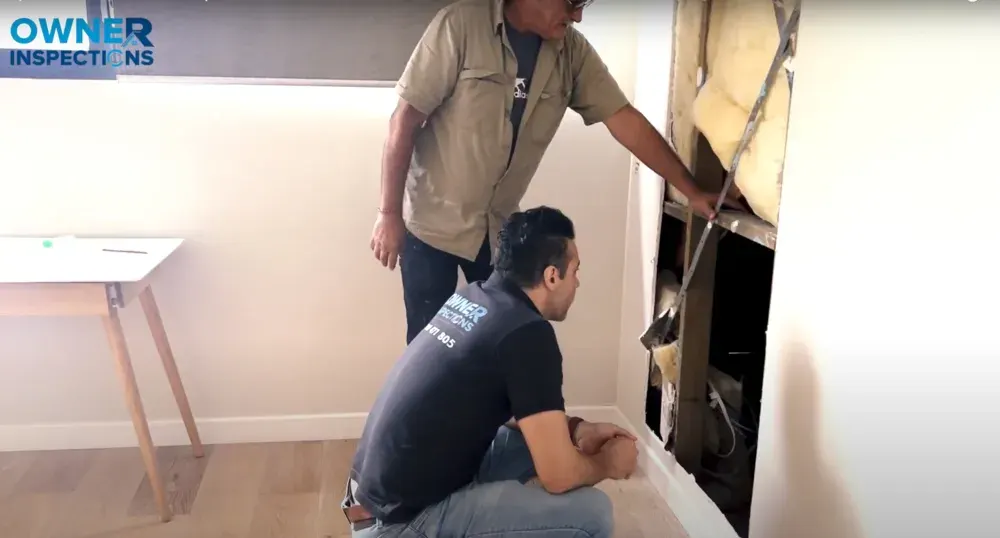
Building inspections, particularly fixing inspections, are a starting point. They identify defects and areas needing repair. But what happens once those fixes are done? Without a plan for continuous care, new problems develop, old repairs degrade, and property value erodes over time. This guide walks you through how to develop, budget, and manage a long-term maintenance plan suited to Australian conditions.
Why Post-Inspection Maintenance Matters
After a fixing inspection and repairs have been completed, many property owners assume the job is done. In reality, every repair has a lifespan, and all building materials degrade over time. Without ongoing maintenance:
- Minor issues like hairline cracks or slow leaks go unnoticed and become major structural problems
- Warranty claims can be jeopardised if the property is not properly maintained
- Resale value drops when buyers or their inspectors find evidence of neglect
- Insurance claims may be denied if the insurer determines that damage resulted from poor upkeep
A long-term maintenance plan turns reactive repairs into proactive care. It reduces emergency callouts, spreads costs over time, and keeps your property in a condition that meets Australian standards including the National Construction Code (NCC).
Benefits of Long-Term Planning
Factors That Shape Your Maintenance Plan
No two properties are the same. Your maintenance plan should be informed by several factors specific to your building and location.
Age and Condition of the Property
Older properties generally require more attention. A home built in the 1970s will have different maintenance demands than a property completed in 2020. Common age-related concerns include:
- Deteriorating roof tiles and flashing on homes over 20 years old
- Outdated plumbing (galvanised pipes prone to corrosion)
- Asbestos-containing materials in homes built before 1990
- Subsidence or foundation movement in properties on reactive soils
A property with a documented history of structural defects will need more frequent monitoring than one with a clean inspection record.
Climate and Location
Australia's diverse climate means properties in different regions face different threats:
| Key Risks | Maintenance Priority | |
|---|---|---|
| Coastal Areas | Salt air corrosion on metal fixtures, window frames, and roofing | Wash down external surfaces regularly, inspect metal components every 6 months |
| Tropical Regions (QLD) | Mould growth, timber pest activity, cyclone damage | Annual termite inspections, mould checks after wet season, roof tie-down inspections |
| Temperate Regions (VIC, SA) | Rising damp, cracking from temperature fluctuations, gutter blockages | Check insulation annually, clear gutters before winter, monitor foundations for movement |
| Arid/Inland Areas | Soil shrinkage and foundation cracking, UV damage to external surfaces | Monitor foundations for cracks, repaint and seal external surfaces every 5 to 7 years |
Type of Property
- Residential homes need periodic checks on roofing, plumbing, electrical systems, and external drainage
- Commercial buildings require more frequent HVAC, fire safety, and public area inspections due to higher foot traffic and regulatory obligations
- Strata properties must meet specific maintenance requirements set by the owners corporation and comply with state-level strata legislation
- Industrial properties may require specialised maintenance for machinery, heavy-duty flooring, and loading areas
How to Structure a Long-Term Maintenance Plan
A good maintenance plan is a living document. It should be clear, organised, and reviewed regularly.
List all maintenance tasks
Start with the most recent inspection report. Every defect, recommendation, and area of concern should translate into a maintenance task. Include everything from daily cleaning to annual inspections of roofing, plumbing, and electrical systems.
Set frequencies for each task
Group tasks by how often they need to happen: weekly, monthly, quarterly, half-yearly, or annually. Some items like roof inspections may only be needed every 2 to 3 years unless damage is suspected.
Assign responsibilities
Each task should have a named person or team responsible. For homeowners, this might be a combination of DIY tasks and professional contractors. For strata properties, the building manager or owners corporation typically coordinates.
Allocate a budget
Assign a cost estimate to each task. Include a contingency buffer of 10% to 20% for unexpected issues. A common rule of thumb is to budget 1% to 2% of the property's market value per year for maintenance.
Track and review
Use a spreadsheet, property management app, or dedicated software to log completed tasks, costs, and any issues found. Review the plan at least once a year and adjust based on what you have learned.
Maintenance Schedules by Property Type
Residential Properties
For homes, focus on periodic checks of the areas that degrade most quickly:
Commercial Properties
Budgeting for Ongoing Maintenance
Poor budgeting is one of the main reasons maintenance plans fail. Many property owners underestimate costs or fail to set aside funds consistently.
| Annual Budget (1% to 2%) | Key Inclusions | |
|---|---|---|
| Residential Home (Median Value $800,000) | $8,000 to $16,000 | Roof, plumbing, electrical, pest inspections, external painting |
| Apartment (Strata) | Covered by strata levies plus individual unit owner costs | Common area maintenance, sinking fund contributions, internal unit upkeep |
| Commercial Property | Varies widely, typically 1.5% to 3% of property value | HVAC, fire systems, lifts, structural inspections, compliance audits |
Always include a contingency fund of at least 10% above your planned maintenance budget. Unexpected issues like burst pipes, storm damage, or sudden termite activity can arise at any time.
Tips for a Successful Maintenance Plan
Get Professional Help
If you are unsure where to start, a licensed building inspector can assess your property and help you build a prioritised maintenance plan. This is especially valuable for older properties or those with a history of defects. Construction stage inspections and defect investigation reports can also inform your long-term plan.
Communicate With Stakeholders
Whether you are a homeowner, landlord, strata manager, or commercial property operator, every person involved needs to know the plan. Share the schedule, responsibilities, and expected costs with tenants, co-owners, and contractors. Transparency prevents confusion and missed tasks.
Stay Flexible
A maintenance plan is not set in stone. As your property ages, as regulations change, and as you learn more about the building's behaviour, adjust the plan. Annual reviews are a good practice. If a new issue appears during a routine check, add it to the schedule right away.
Common Maintenance Tasks and Frequencies
| Frequency | Why It Matters | |
|---|---|---|
| Gutter cleaning | Every 6 months | Prevents water overflow, roof leaks, and foundation damage |
| Roof inspection | Annually (or after severe weather) | Identifies cracked tiles, damaged flashing, and potential leak points |
| Termite inspection | Annually | Early detection saves thousands in repair costs |
| Plumbing check | Annually | Detects slow leaks, corroded pipes, and water pressure issues |
| External painting and sealing | Every 5 to 7 years | Protects against moisture ingress, UV damage, and timber rot |
| Smoke alarm testing | Every 6 months | Required by law in all Australian states and territories |
| Electrical safety check | Every 3 to 5 years | Identifies faulty wiring, overloaded circuits, and non-compliant installations |
Key Takeaways
- A long-term maintenance plan is the best way to protect your property's value after fixing inspections are completed.
- Budget 1% to 2% of your property's market value per year for ongoing maintenance, with a 10% contingency buffer.
- Tailor your plan to the property's age, climate, location, and type (residential, commercial, or strata).
- Schedule tasks at clear intervals ranging from weekly cleaning to annual professional inspections.
- Assign every task to a responsible person and track completion using a spreadsheet or property management tool.
- Review and update your maintenance plan at least once a year to account for new issues, regulatory changes, and ageing materials.
- Professional building inspectors can help you build a prioritised maintenance plan based on your property's condition.
- Communicate the plan to all stakeholders including tenants, co-owners, and contractors.
Frequently Asked Questions
Why is a maintenance plan needed after a building inspection?
A building inspection identifies defects and areas needing repair at a single point in time. Once those repairs are completed, the property still requires ongoing care to prevent new issues from developing. A maintenance plan schedules regular checks and upkeep so that small problems are caught early before they become expensive to fix.
How much should I budget for property maintenance in Australia?
A common industry guideline is to budget 1% to 2% of your property's current market value per year. For a home valued at $800,000, that means setting aside $8,000 to $16,000 annually. Include an additional 10% to 20% contingency for unexpected repairs like storm damage or plumbing emergencies.
What are the most common maintenance tasks for Australian homes?
The most common tasks include gutter cleaning every six months, annual roof and plumbing inspections, annual termite inspections (especially in QLD and NSW), smoke alarm testing every six months, and external painting every five to seven years. Electrical safety checks should be carried out every three to five years by a licensed electrician.
How often should I get a termite inspection in Australia?
Australian Standard AS 4349.3 recommends annual termite inspections for all properties. In high-risk areas like coastal Queensland, northern NSW, and parts of the Northern Territory, inspections every six months may be warranted. Termite damage is not covered by most standard home insurance policies, making prevention far cheaper than repair.
Does poor maintenance affect insurance claims?
Yes. Insurers can deny claims if they determine that the damage resulted from neglect or lack of maintenance rather than a sudden, accidental event. Keeping records of your maintenance activities, including receipts and photos, provides evidence that you have met your duty of care as a property owner.
What should a strata maintenance plan include?
A strata maintenance plan should cover common areas such as lobbies, stairwells, car parks, roofing, and external walls. It should also include fire safety equipment servicing, lift maintenance, plumbing and drainage, and landscaping. The owners corporation is responsible for funding maintenance through strata levies and the capital works (sinking) fund.
Can a building inspector help create a maintenance plan?
Yes. A licensed building inspector can assess the current condition of your property and provide a prioritised list of maintenance tasks. Their inspection report identifies areas that need immediate attention and areas that should be monitored over time, which forms the foundation of an effective long-term plan.
How does climate affect property maintenance in Australia?
Climate has a significant impact. Coastal properties face salt air corrosion on metals and need more frequent washing and inspection. Tropical regions like Queensland deal with mould, termites, and cyclone risks. Properties in temperate areas like Victoria and South Australia must manage rising damp, temperature-related cracking, and gutter blockages from leaf fall.
What happens if I skip maintenance on my property?
Skipping maintenance leads to accelerated deterioration. Small cracks become structural failures. Minor leaks cause mould, timber rot, and water damage. Pest activity goes undetected and causes thousands of dollars in damage. Your property's resale value drops, and you may face difficulties with insurance claims or compliance audits.
How do I track my property maintenance activities?
Use a spreadsheet, property management app, or dedicated maintenance software. Record the date of each task, what was done, who performed it, the cost, and any issues found. Keep photos and receipts as supporting evidence. Review the log at least once a year and use it to update your maintenance schedule.
References and Resources
- National Construction Code (NCC) - Australian Building Codes Board
- NSW Fair Trading - Home Building - NSW Government
- Victorian Building Authority (VBA) - Victorian Government
- Queensland Building and Construction Commission (QBCC) - Queensland Government
- Australian Standard AS 4349.3 - Timber Pest Inspections - Standards Australia
Related Articles
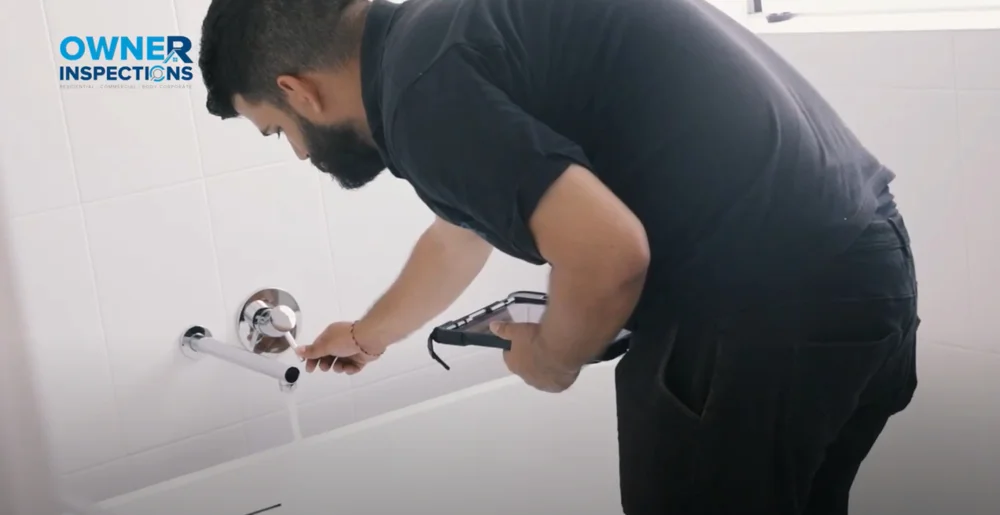
Fixing Inspections: Complete Guide
A fixing stage inspection evaluates internal components before they are concealed, including cladding, architraves, doors, and built-in shelves. Learn what to expect.

How Weather Affects Property Inspection Reports
Weather conditions significantly influence what inspectors can detect during property assessments. Rain can reveal leaks but obscure drainage, while heat affects material expansion. This guide covers how Australian weather impacts inspection results.
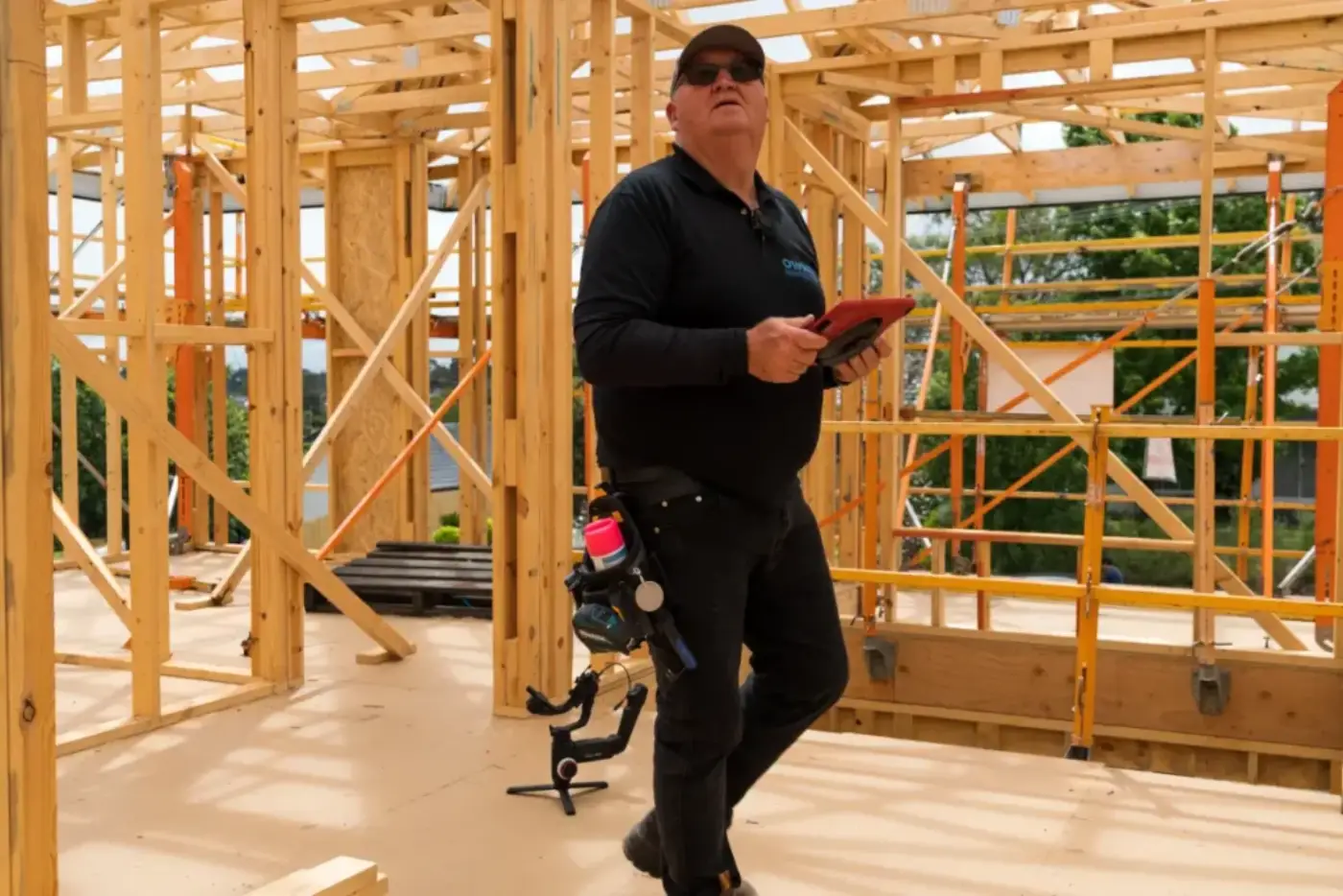
Structural Defect Inspections to Prevent Future Problems
Approximately one in five Australian homes experience structural issues. Learn how structural defect inspections can prevent expensive repairs and ensure safety.
Need help building a long-term maintenance plan for your property? Owner Inspections provides detailed building inspection reports with prioritised maintenance recommendations across NSW, Victoria, and Queensland. Our licensed inspectors identify what needs attention now and what to monitor over time. Get a quote today or call us on 1300 471 805.