
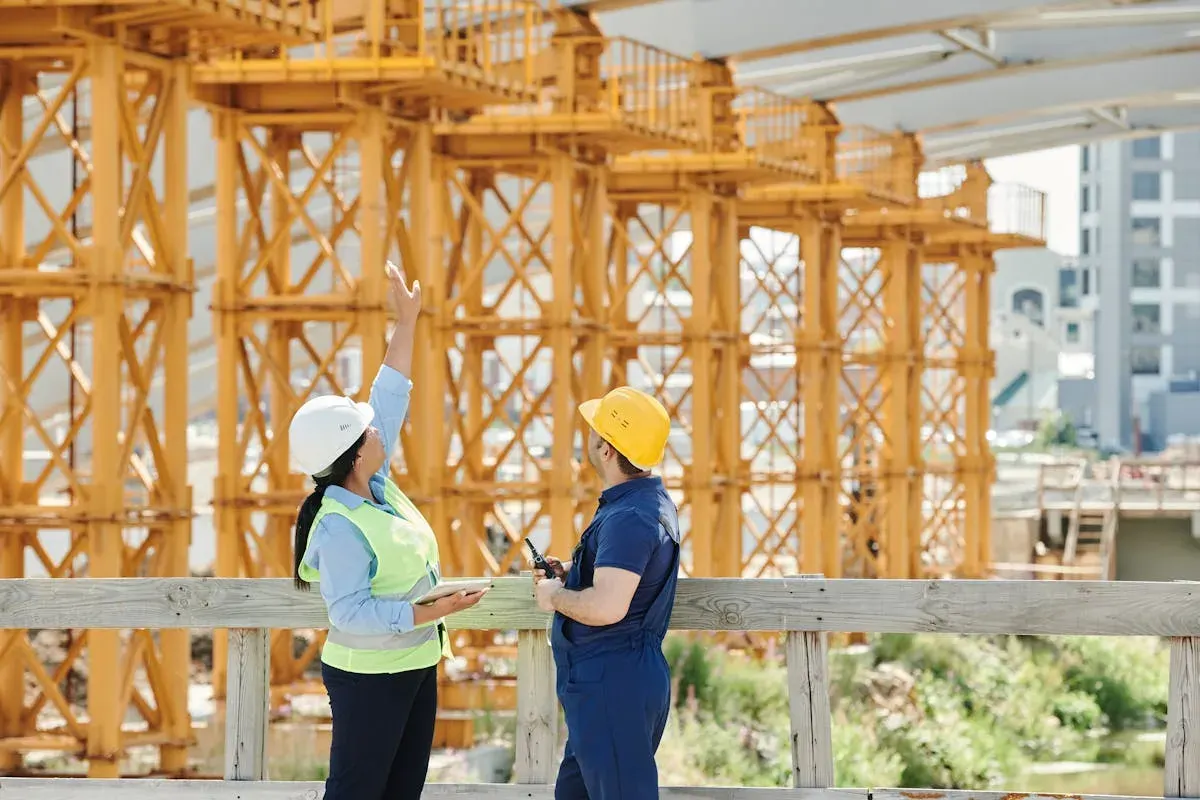
An expert witness is an independent professional who provides objective technical analysis and opinion in legal proceedings. Their job is not to take sides. It is to help the decision-maker understand the facts. In Australian construction disputes, expert witnesses are often the single most influential factor in determining the outcome of a case.
This guide explains the types of expert witnesses used in construction disputes, their primary functions, when you need one, and how they operate within Australian tribunals.
A Real-World Example: Perth's Shenton Quarter
To understand why expert witnesses matter, consider the Shenton Quarter development in Perth. This large-scale project became the subject of significant dispute when defects were identified in the building's construction. Structural engineers, building code specialists, and cost estimators were all called upon to provide independent analysis.
The expert witnesses assessed whether the construction met the requirements of the National Construction Code and relevant Australian Standards. They quantified the cost of rectification and provided opinions on the cause of the defects. Without their input, the tribunal would have had no reliable basis on which to assess the competing claims.
This case highlights a common pattern in Australian construction disputes. The issues are too technical for a tribunal member or judge to assess without professional guidance. Expert witnesses bridge that gap between technical complexity and legal decision-making.
Types of Expert Witnesses in Construction Disputes
Different disputes call for different types of expertise. The following are the most commonly engaged expert witnesses in Australian construction matters.
Structural and Civil Engineers
Structural engineers assess load-bearing elements, foundation systems, concrete work, and steel framing. They determine whether structural components comply with Australian Standards and the Building Code of Australia (BCA). When disputes involve cracking, subsidence, or structural failure, a structural engineer's opinion is typically required.
Architects
Architects provide expert evidence on design intent, compliance with planning approvals, and whether the built form matches the approved plans and specifications. They are particularly useful in disputes about variations, design deficiencies, or departures from the contract documentation.
Quantity Surveyors and Cost Estimators
Cost disputes are common in construction. Quantity surveyors and cost estimators assess the reasonable cost of rectification work, the value of incomplete work, and whether claimed costs are fair and reasonable. Their evidence is often central to the quantum (financial amount) of a claim.
Project Managers
When disputes involve delays, scheduling failures, or poor project coordination, a project management expert can analyse the construction programme, identify the causes of delay, and apportion responsibility between the parties.
Building Code Specialists
Building code specialists focus on compliance with the National Construction Code, the BCA, and relevant Australian Standards. They assess whether completed work meets the minimum performance requirements and identify specific non-compliances. For more on how these reports are prepared, see our guide on expert witness reports explained.
Three Primary Functions of Expert Witnesses
Expert witnesses serve three distinct functions in construction disputes. Each function contributes to the tribunal's ability to make a well-informed decision.
Impartial Analysis
The expert's overriding duty is to the tribunal, not to the party that engaged them. This principle is reinforced by tribunal practice directions and the Uniform Civil Procedure Rules in each state. An expert witness must provide an honest, unbiased assessment of the issues, even if their findings do not support the position of the party paying their fees.
This independence is what gives expert evidence its weight. A tribunal member can rely on an impartial expert's opinion in a way that they cannot rely on the opinions of the disputing parties.
Technical Reports
Expert witnesses prepare detailed written reports that set out their qualifications, methodology, findings, and opinions. These reports must comply with the relevant tribunal's requirements and are typically the most substantial piece of technical evidence in a construction dispute.
A well-structured expert report will identify each defect or issue, reference the applicable standard or code provision, explain the basis for the expert's opinion, and provide a cost estimate for rectification where relevant. For an understanding of how these reports differ from standard inspection reports, see our comparison of expert witness vs routine inspection reports.
Credible Testimony
Expert witnesses may be required to give oral evidence at the hearing and respond to cross-examination from the opposing party. The ability to explain complex technical issues in plain language, remain composed under questioning, and make appropriate concessions where the evidence warrants it are all hallmarks of a credible expert witness.
Tribunal members pay close attention to how an expert presents under cross-examination. An expert who becomes defensive or appears to be advocating for one party will lose credibility quickly.
Why Expert Witnesses Matter
Clarifying Complex Issues
Construction disputes almost always involve technical questions that fall outside ordinary knowledge. Whether the issue is the adequacy of waterproofing, the compliance of a fire separation wall, or the cause of concrete cracking, expert witnesses translate these technical matters into evidence that a tribunal can assess and act upon.
Supporting Legal Arguments
A party's legal arguments are only as strong as the evidence that supports them. Expert evidence provides the factual foundation for claims about defective work, non-compliance, or unreasonable costs. Without expert support, legal arguments about technical matters are effectively unsupported assertions.
Aiding Fair Resolution
Australian tribunals aim to resolve disputes fairly and on their merits. Expert witnesses support this objective by providing the independent, technically sound evidence that tribunals need to make well-reasoned decisions. The quality of expert evidence often determines whether the outcome reflects the true nature and extent of the issues in dispute.
When Do You Need an Expert Witness?
Not every construction disagreement requires expert evidence. However, there are several common scenarios where engaging an expert witness is strongly recommended.
Construction Defects
Disputes about defective building work are the most common reason for engaging an expert witness. Defects may involve structural elements, waterproofing, tiling, plastering, roofing, electrical work, or plumbing. An expert can identify each defect, assess its severity, determine its cause, and estimate the cost of rectification. For more background, see our article on construction defect inspections.
Cost Overruns
When a project exceeds the agreed budget, disputes arise about whether the additional costs are reasonable and who should bear them. A quantity surveyor or cost estimator can assess whether claimed costs align with industry rates and whether the additional work was within the scope of the original contract.
Project Delays
Delays are a frequent source of construction disputes. A project management expert can analyse the construction programme, identify which party caused the delay, and calculate the financial impact. This type of analysis is particularly important in commercial construction disputes where delay costs can be substantial.
Breach of Contract
When one party alleges that the other has failed to meet their contractual obligations, expert evidence can demonstrate whether the work was performed in accordance with the contract, plans, and specifications. Building code specialists and architects are commonly engaged for these disputes.
Insurance Claims
Disputes with insurers about building defects often require expert evidence to establish the cause, extent, and cost of the defective work. Expert witnesses help differentiate between defects caused by poor workmanship and damage caused by other factors such as weather or ground movement. See our guide on insurance claim assessments for more information.
Expert Witnesses in Australian Tribunals
Construction disputes in Australia are frequently heard by state and territory tribunals rather than courts. These tribunals provide a more accessible and less formal avenue for dispute resolution, but they still rely heavily on expert evidence.
NCAT (New South Wales)
The NSW Civil and Administrative Tribunal handles building disputes under the Home Building Act 1989. NCAT has specific practice directions governing expert evidence, including requirements for expert reports and provisions for expert conclaves (meetings between opposing experts). For a detailed overview, see our guide on NCAT building disputes.
VCAT (Victoria)
The Victorian Civil and Administrative Tribunal resolves building disputes under the Domestic Building Contracts Act 1995 and the Building Act 1993. VCAT frequently uses expert evidence in building disputes, and its procedures for managing expert evidence are well established.
QCAT (Queensland)
The Queensland Civil and Administrative Tribunal handles building disputes under the Queensland Building and Construction Commission Act 1991. Like its counterparts in other states, QCAT relies on expert evidence to resolve technical disputes about building work.
Each tribunal has its own rules and practice directions for expert evidence. It is important to ensure that your expert witness is familiar with the specific requirements of the tribunal hearing your matter.
Frequently Asked Questions
QWhat qualifications does an expert witness need in a construction dispute?
An expert witness must hold qualifications and experience relevant to the subject matter of the dispute. For building defect disputes, this typically means a licensed builder or building inspector with extensive practical experience. For structural issues, a qualified structural engineer is usually required.
Beyond technical qualifications, the expert should have experience preparing reports for tribunal or court proceedings and giving oral evidence. Tribunals assess an expert's credibility based on their qualifications, experience, methodology, and independence.
QHow do I select the right expert witness for my case?
Start by identifying the specific technical issues in your dispute. Match those issues to an expert with demonstrated experience in that area. Ask about their tribunal experience, request examples of previous reports, and check that they understand their duty to the tribunal rather than to the party engaging them.
Your solicitor or building lawyer can often recommend experts they have worked with previously. Choose someone who communicates clearly and can explain technical issues in plain language.
QCan an expert witness have a conflict of interest?
Yes, and conflicts of interest must be disclosed. If an expert has a prior relationship with either party, a financial interest in the outcome, or any other factor that could compromise their independence, they must declare it. Failure to disclose a conflict can undermine the expert's credibility and, in serious cases, result in their evidence being excluded entirely.
QWhat procedures do expert witnesses follow in tribunal proceedings?
Expert witnesses typically conduct a site inspection, review relevant documentation, and prepare a written report. If both parties have engaged experts, the tribunal may direct them to attend a conclave to identify areas of agreement and disagreement. The experts then prepare a joint report summarising their respective positions.
At the hearing, experts may give oral evidence and be cross-examined. Some tribunals also use "hot-tubbing," where both experts give evidence concurrently and respond to questions from the tribunal member. For more on how Scott Schedules are used to organise this evidence, see our related guide.
QHow does impartiality affect an expert's evidence?
Impartiality is the foundation of credible expert evidence. An expert who appears to be advocating for one party rather than providing an objective assessment will lose credibility with the tribunal. Practice directions in all Australian jurisdictions reinforce that the expert's primary duty is to the tribunal.
Tribunal members are experienced at identifying experts who have crossed the line from independent analysis to advocacy. An expert who makes reasonable concessions and acknowledges the limitations of their opinion is generally viewed as more credible than one who refuses to concede any point.
QCan an expert witness change their opinion during proceedings?
Yes. An expert witness can and should update their opinion if new information comes to light or if a conclave discussion reveals a flaw in their original reasoning. Changing an opinion is not a sign of weakness. It demonstrates intellectual honesty and reinforces the expert's commitment to objectivity.
However, an expert who frequently changes their opinion without good reason, or who appears to shift their position to align with their client's case, will lose credibility.
QWhat is the scope of an expert witness's role?
The scope of an expert witness's role is defined by the issues in dispute and the instructions they receive. An expert should only provide opinions within their area of expertise and qualifications. They should not stray into areas outside their competence, comment on legal questions, or express opinions on matters they have not been asked to address.
A clear and well-defined scope of engagement helps the expert focus their analysis and ensures that their report addresses the relevant issues efficiently.
QHow is an expert witness's credibility assessed?
Tribunals assess credibility based on several factors: the expert's qualifications and experience, the thoroughness of their methodology, the clarity and logic of their reasoning, their independence and objectivity, and their performance under cross-examination. An expert who has inspected the site thoroughly, referenced the applicable standards, and provided clear reasoning for their opinions will generally be viewed as credible.
QCan an expert witness be held liable for their opinions?
Expert witnesses have immunity from civil liability for evidence given in tribunal or court proceedings. This immunity exists to encourage frank and honest testimony. However, this immunity does not extend to negligent report preparation outside of proceedings. An expert who prepares a negligent report that causes loss may be exposed to a professional negligence claim.
QWhat impact can an expert witness have on the outcome of a dispute?
The impact can be significant. In many construction disputes, the expert's report and testimony are the primary basis on which the tribunal makes its findings of fact. A well-prepared, credible expert can substantiate claims worth tens or hundreds of thousands of dollars. Conversely, a poorly prepared or biased expert can undermine an otherwise strong case.
Studies of tribunal decisions in building disputes consistently show that the quality and credibility of expert evidence is one of the strongest predictors of the outcome. Investing in a qualified, experienced, and independent expert witness is one of the most effective steps a party can take to strengthen their position.
QDo both parties always engage separate expert witnesses?
Not necessarily. In some cases, the tribunal may appoint a single joint expert, or the parties may agree to share one expert to reduce costs. Single experts are more common in smaller disputes where the cost of two experts would be disproportionate to the amount in dispute. In more complex cases, each party usually engages their own expert, and the tribunal manages the process through conclaves and joint reports.
QHow much does an expert witness cost in an Australian construction dispute?
Fees vary depending on the type of expert, the complexity of the dispute, and the number of defects or issues involved. For a standard residential building dispute, a basic expert report typically costs between $2,000 and $5,000. Complex disputes involving structural engineering assessments, multiple defects, or large commercial properties can cost considerably more. Additional costs may apply for conclave attendance, supplementary reports, and hearing appearances.
Key Takeaways
- Expert witnesses provide independent, impartial technical analysis that tribunals rely on to resolve construction disputes fairly
- Common types of construction experts include structural engineers, architects, quantity surveyors, project managers, and building code specialists
- The expert's overriding duty is to the tribunal, not to the party that engaged them
- Expert evidence is strongly recommended for disputes involving defects, cost overruns, delays, breach of contract, and insurance claims
- Australian tribunals including NCAT, VCAT, and QCAT all have specific rules and practice directions governing expert evidence
- A well-prepared expert report is often the single most influential piece of evidence in a construction dispute
- Credibility is assessed based on qualifications, methodology, independence, and performance under cross-examination
- Expert witness fees for residential disputes typically range from $2,000 to $5,000, with complex matters costing more
References and Resources
Related Articles
How Can Expert Witnesses Help You Win NCAT Building Disputes?
Building disputes in NSW often end up at NCAT, where expert witnesses play a key role. This guide covers when to engage an expert, how they prepare, and what makes their testimony effective in tribunal proceedings.

How Do Scott Schedules Strengthen Construction Dispute Cases?
Scott Schedules provide a structured way to present claims and responses in construction disputes. This guide explains how they work, their benefits for tribunal proceedings, and how to prepare one effectively.
What Is the Difference Between Expert Witness and Routine Inspection Reports?
A routine inspection report tells you what is wrong with a property. An expert witness report tells a tribunal why it is wrong, who is responsible and what it costs to fix, in the form the rules of evidence require. This guide compares scope, duty, legal standing and cost.
Need an Expert Witness for a Construction Dispute?
Our licensed building inspectors prepare expert witness reports for tribunals and courts across Australia. Get independent, professional analysis for your case.
For a complete overview, see our guide to expert witness reports for building disputes.
Need an Expert Witness Report?
Our experienced expert witnesses support cases at NCAT, VCAT, and tribunals across Australia.