
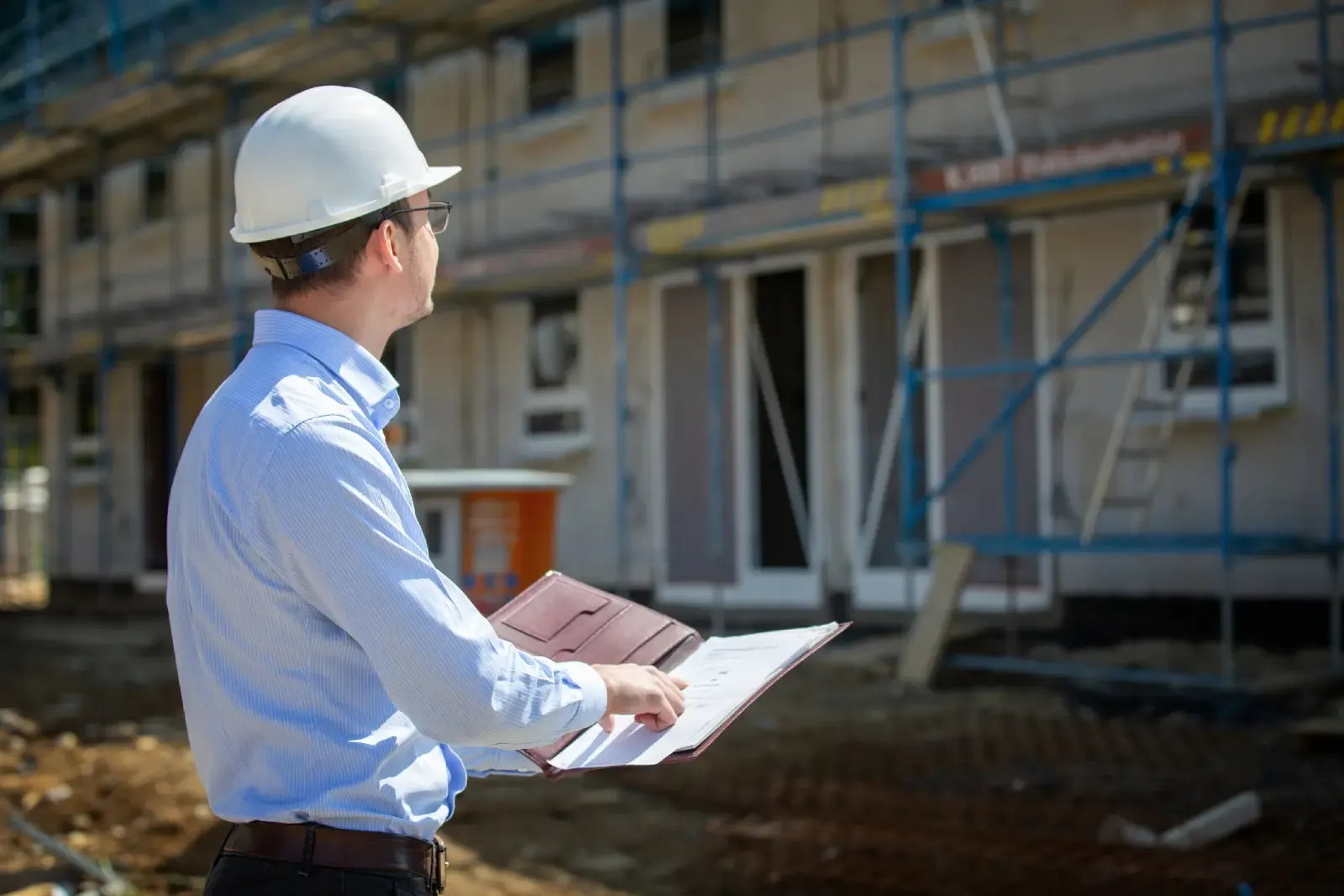
Whether you are building a new home, undertaking a major renovation, or investing in a property under construction, stage inspections give you an independent set of eyes at every point where defects could be concealed by subsequent work. Without these inspections, problems with foundations, framing, waterproofing, or finishing work may go unnoticed until they cause serious structural damage or costly rectification after handover.
This guide explains the five key construction stages where inspections should occur, who is qualified to conduct them, the benefits of engaging professional inspectors, and what to expect throughout the process.
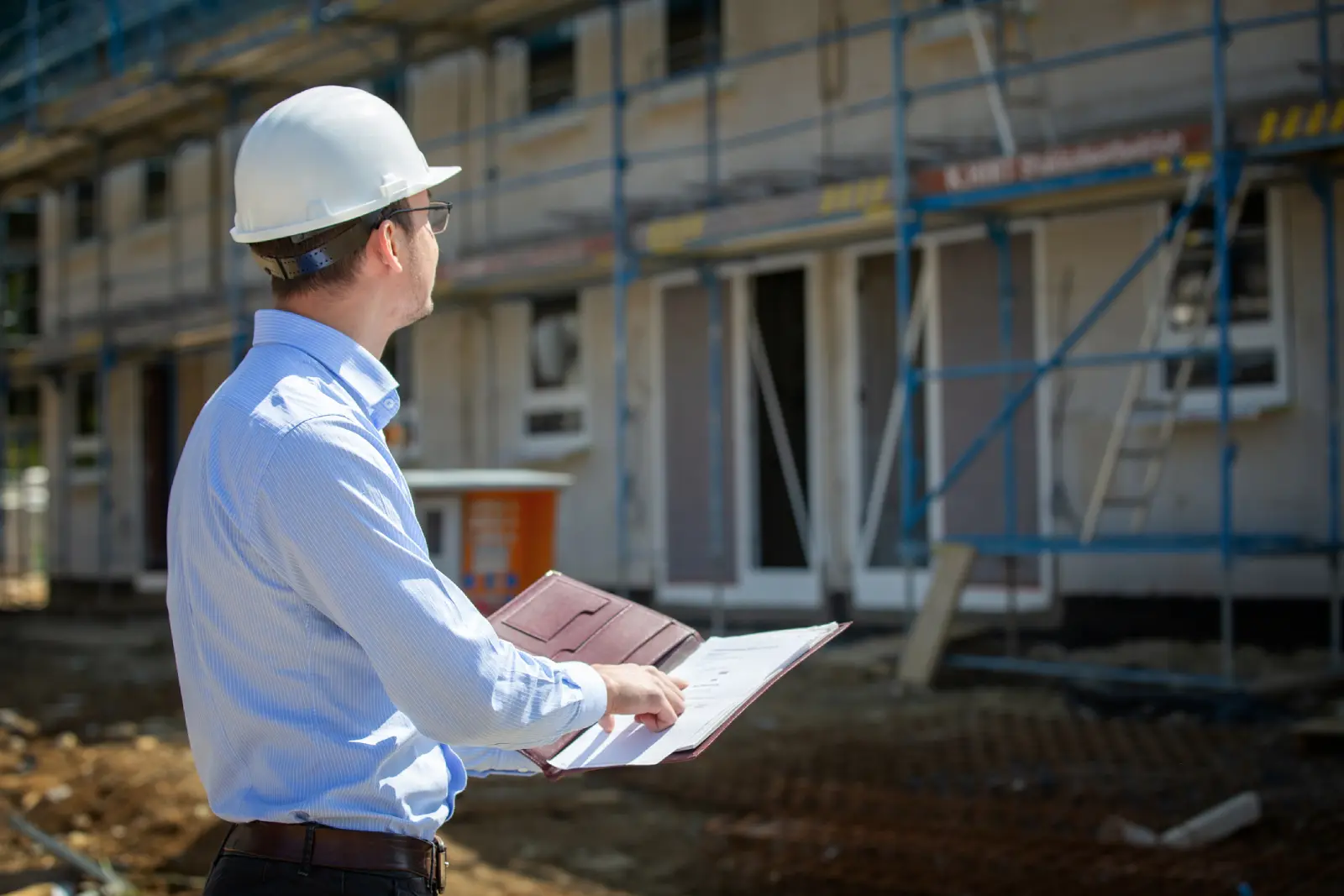
What Are Construction Stage Inspections?
Construction stage inspections are formal assessments carried out at predetermined milestones during the building process. Each inspection evaluates whether the completed work at that stage complies with the approved building plans, the NCC, and the relevant Australian Standards.
The purpose of these inspections is to:
- Monitor structural integrity throughout the build
- Confirm compliance with the NCC and applicable Australian Standards
- Identify defects and non-conformances while they can still be corrected at minimal cost
- Provide independent verification separate from the builder's own quality checks
- Create documented records for compliance, insurance, and warranty purposes
Stage inspections differ from a single final inspection because they catch problems progressively. A defect in the foundation stage that goes undetected will be buried under concrete, framing, and finishes. By the time it manifests as a crack in a wall or an uneven floor, the rectification cost may be ten or twenty times what it would have been to fix during construction.
The Five Key Construction Stage Inspections
Each construction stage has specific elements that must be assessed. The following breakdown covers the five stages where independent inspections deliver the greatest value.
1. Foundation Stage Inspection
The foundation stage is the starting point for the entire structure. Errors at this stage affect every subsequent phase of construction.
A foundation stage inspection covers:
- Site preparation, including clearing, levelling, and set-out accuracy
- Soil compaction and classification against the geotechnical report
- Drainage provisions, including stormwater and subsoil drainage systems
- Steel reinforcement placement, size, spacing, and cover as specified in the engineering drawings
- Compliance with AS 2870 (Residential Slabs and Footings)
- Formwork integrity and dimensions
- Service penetrations and their locations
The foundation inspection must occur after reinforcement is placed but before concrete is poured. Once the concrete is in, the reinforcement cannot be visually inspected, and any errors become permanently embedded in the structure.
2. Frame Stage Inspection
The frame stage establishes the skeleton of the building. This inspection verifies that the structural frame will safely carry all loads throughout the life of the building.
A frame stage inspection covers:
- Alignment and plumb of wall frames, ensuring they are straight and true
- Bracing installation and adequacy per engineering requirements
- Load-bearing walls, lintels, and beam connections
- Tie-down connections from frame to slab or subfloor
- Roof truss installation, spacing, and fixing
- Compliance with AS 1684 (Residential Timber-Framed Construction) or relevant steel framing standards
- NCC structural performance requirements
The frame inspection takes place after all framing, bracing, and tie-down work is complete but before any external cladding or internal linings are installed. Framing defects discovered after the walls are lined require the linings to be removed, which adds significant cost and delays.
3. Lock-Up Stage Inspection
The lock-up stage marks the point where the building is enclosed and secure. External walls, windows, doors, and roofing are all in place, and the building envelope should be sealed and watertight.
A lock-up inspection assesses:
- External wall cladding installation and weatherproofing
- Window installation, flashing, and sealing
- Door installation, frames, and hardware operation
- Roofing installation, ridge capping, valleys, and flashing details
- Fascia, guttering, and downpipe connections
- Overall watertightness of the building envelope
Water ingress through poorly sealed windows, inadequate flashing, or defective roofing is one of the most common and costly defects in Australian residential construction. The lock-up inspection is the last opportunity to identify these issues before internal finishing work begins.
4. Fixing Stage Inspection
The fixing stage covers internal finishing work. This inspection ensures that internal linings, wet area waterproofing, fixtures, and fittings are installed correctly.
A fixing stage inspection covers:
- Internal wall and ceiling linings (plasterboard installation and finishing)
- Waterproofing in wet areas (bathrooms, laundry, ensuite) per AS 3740
- Fixture installation including taps, basins, toilets, and showers
- Cabinetry and joinery installation and alignment
- Door hanging, hardware, and operation
- Architrave and skirting installation
- Electrical and plumbing rough-in compliance
Waterproofing is one of the most critical elements assessed at the fixing stage. A waterproofing failure in a bathroom can cause extensive damage to structural framing, flooring, and adjacent rooms. The cost of rectifying a waterproofing defect after tiling is complete can exceed $15,000 to $25,000, compared to a few hundred dollars to fix the membrane before tiling begins.
5. Practical Completion Inspection (PCI)
The practical completion inspection is the final assessment before the property is handed over from the builder to the owner. It is the last opportunity to identify and document any defects, incomplete work, or items that do not meet the quality expectations set out in the building contract.
A PCI covers:
- All internal and external finishes including paint, tiling, flooring, and landscaping
- Operation of all fixtures, fittings, doors, windows, and appliances
- Compliance with the building contract specifications
- Assessment against the approved plans and any approved variations
- Identification of cosmetic defects, damage, and incomplete items
- Site clean-up and external works completion
The PCI report forms the basis for the defects list that the builder must address before final payment is made. In most states, the building contract provides for retention of a percentage of the contract price until defects identified at practical completion are rectified.
Summary of the Five Key Inspection Stages
| Stage | Key Focus Areas | Relevant Standard | Common Defects Found |
|---|---|---|---|
| Foundation | Soil compaction, reinforcement, drainage, formwork | AS 2870 | Incorrect reo spacing, poor soil compaction, missing drainage |
| Frame | Alignment, bracing, tie-downs, load paths | AS 1684, NCC | Missing bracing, undersized members, incorrect fixing |
| Lock-Up | Cladding, windows, doors, roofing, watertightness | NCC | Poor window flashing, inadequate sealing, roofing defects |
| Fixing | Linings, waterproofing, fixtures, cabinetry | AS 3740, NCC | Waterproofing failures, poor plasterboard finishing |
| PCI | All finishes, contract compliance, operation | Building contract | Paint defects, incomplete items, cosmetic damage |
Why Construction Stage Inspections Matter
Early Defect Detection
Defects identified during construction are far cheaper and simpler to rectify than those discovered after handover. A reinforcement error caught at the foundation stage might cost a few hundred dollars to fix. The same error discovered years later as a cracking slab could cost $20,000 or more to remediate.
Compliance with Building Codes and Standards
The NCC and Australian Standards set minimum performance requirements for structural adequacy, fire safety, weatherproofing, energy efficiency, and accessibility. Stage inspections confirm that the work at each phase meets these requirements, reducing the risk of non-compliance issues that could prevent the issue of an occupancy certificate.
Improved Construction Quality
When builders and subcontractors know that an independent inspector will review their work at each stage, the standard of workmanship tends to improve. The accountability created by independent inspections encourages trades to self-check their work more carefully.
Risk Mitigation for Homeowners
For homeowners, stage inspections provide documented evidence of construction quality at every phase. This documentation is valuable if disputes arise with the builder, if insurance claims need to be supported, or if the property is sold in the future. An independently verified construction record adds measurable value to the property.
Cost Comparison: Inspections vs Defect Rectification
| Scenario | Estimated Cost |
|---|---|
| Single stage inspection | From $400+GST |
| Full set of five stage inspections | $2,000 to $3,500+GST |
| Rectifying a waterproofing failure after tiling | $15,000 to $25,000 |
| Rectifying a foundation defect after completion | $20,000 to $50,000+ |
| Rectifying framing defects after lining | $8,000 to $20,000 |
| Rectifying roofing and flashing defects | $5,000 to $15,000 |
The cost of a complete set of stage inspections is a fraction of the cost of rectifying a single serious defect discovered after handover.
Who Conducts Construction Stage Inspections?
Three types of professionals conduct stage inspections in Australia, each with a different scope and purpose.
Registered Building Inspectors
Registered building inspectors are accredited professionals who hold licences issued by their state or territory building authority. They are independent of the builder and provide unbiased assessments of construction quality and compliance.
In Australia, building inspector licensing is administered by:
- NSW Fair Trading (New South Wales)
- Victorian Building Authority, VBA (Victoria)
- Queensland Building and Construction Commission, QBCC (Queensland)
- Consumer and Business Services (South Australia)
- Access Canberra (ACT)
Registered inspectors typically hold a Certificate IV or Diploma in Building and Construction, carry professional indemnity and public liability insurance, and have extensive practical experience in residential construction.
Structural Engineers
Structural engineers are engaged for complex projects where specialist knowledge of load-bearing systems, soil conditions, and structural design is required. They provide calculations and assessments that go beyond the scope of a standard building inspection.
Structural engineers are commonly involved when:
- The site has reactive or problematic soil conditions
- The design includes large spans, cantilevers, or unusual structural elements
- Load-bearing walls are being removed or modified (in renovations)
- Soil movement or foundation settlement is suspected
Government and Council Inspectors
Government or council-appointed building surveyors (also called building certifiers in some states) conduct mandatory inspections at prescribed hold points during construction. These inspections are required before an occupancy certificate can be issued.
Council inspectors verify compliance with the building permit conditions and the NCC at stages mandated by state legislation. Their scope is limited to regulatory compliance at specific milestones and does not cover the detailed trade-by-trade assessment that an independent building inspector provides.
| Inspector Type | Role | Independence | Scope |
|---|---|---|---|
| Registered Building Inspector | Independent quality assessment | Fully independent of builder | All trades, all stages |
| Structural Engineer | Structural design and compliance | Independent specialist | Structural systems, foundations, load paths |
| Government/Council Inspector | Regulatory compliance certification | Government authority | Mandatory hold points, occupancy certificate |
Benefits of a Professional Inspection Service
Engaging a professional building inspection service for your construction stage inspections provides several advantages:
- Expertise: Licensed inspectors understand the NCC, Australian Standards, and common construction defects across all trades
- Unbiased assessment: Independent inspectors have no commercial relationship with the builder or subcontractors, ensuring objective reporting
- Detailed reports: Professional reports include photographs, descriptions of each defect, references to the applicable standard, and recommended corrective actions
- Early intervention: Problems are identified while rectification is straightforward and inexpensive
- Documentation: Reports create a permanent record of construction quality for warranty, insurance, and resale purposes
Frequently Asked Questions
What happens if defects are found during a stage inspection?
All defects are documented in a detailed report with photographs, descriptions, and references to the applicable Australian Standard or NCC provision. The builder is then required to direct the responsible subcontractor to carry out corrective actions before the next stage of construction proceeds.
The report categorises defects by severity. Structural and safety-related defects are flagged for immediate rectification. Workmanship and cosmetic defects are documented for correction within a reasonable timeframe. In many cases, a re-inspection can be arranged to confirm that the defects have been properly addressed before work continues.
Can my builder refuse an independent stage inspection?
No. In Australia, homeowners have the right to engage an independent building inspector to assess construction work on their property. Most state building legislation and standard residential building contracts support this right.
Under the Home Building Act 1989 (NSW) and the Domestic Building Contracts Act 1995 (VIC), owners are entitled to have work inspected by a qualified independent party. If a builder attempts to prevent access for an independent inspection, this should be raised with the relevant state consumer protection authority such as NSW Fair Trading or the Victorian Building Authority.
How much do construction stage inspections cost in Australia?
Construction stage inspections typically start from $400+GST per stage. The total cost depends on the property size, location, and the number of stages inspected.
A full set of five stage inspections for a standard residential build generally costs between $2,000 and $3,500+GST. Larger or more complex builds may cost more. Given that the rectification of a single serious defect discovered after handover can cost $10,000 to $50,000 or more, stage inspections represent a sound investment in defect prevention.
Can I skip stage inspections if I have a reputable builder?
No. Even reputable builders rely on subcontractors, and the quality of subcontractor work can vary from project to project. Independent stage inspections provide verification that every trade has completed their work to the required standard.
A builder's reputation is built on past performance, but it does not guarantee that every subcontractor on your specific project will deliver work that meets the NCC and Australian Standards. Stage inspections add an independent layer of quality assurance that protects both you and the builder.
What is the difference between a warranty inspection and a stage inspection?
A stage inspection is conducted during construction at defined milestones to identify defects before they are concealed by subsequent work. A warranty inspection (also called a defect liability inspection) is conducted after handover, typically before the end of the defect liability period, to identify defects that have emerged during the warranty period.
Stage inspections are preventative. They aim to catch and fix problems during the build. Warranty inspections are reactive. They document defects that have appeared after the owner has taken possession. Both types of inspections serve different purposes, and having stage inspections does not eliminate the need for a warranty inspection before your defect liability period expires.
Are stage inspections required for renovations?
Yes, for major structural renovations. Any renovation that involves structural modifications such as removing load-bearing walls, extending the footprint of the building, adding a second storey, or altering the foundation should include stage inspections.
Minor cosmetic renovations such as painting, replacing flooring, or updating fixtures generally do not require stage inspections. However, if the renovation includes wet area work (bathroom or laundry renovation), a waterproofing inspection is strongly recommended to verify compliance with AS 3740 before tiling begins.
When should I book my first stage inspection?
Your first stage inspection should be booked for the foundation stage, after the steel reinforcement has been placed but before the concrete is poured.
Contact your building inspector as early as possible in the construction process. Provide them with a copy of the approved plans, the engineering drawings, and the construction schedule. This allows them to plan inspection dates that align with your build programme and ensures they are available at each stage when the inspection window is open.
How long does a stage inspection take?
A standard stage inspection on a residential property takes between two and four hours on site. The report is typically delivered within 24 to 48 hours of the inspection.
The duration depends on the size and complexity of the property, the specific stage being inspected, and the number of defects identified. Foundation and frame inspections tend to be quicker than fixing or practical completion inspections, which cover a larger number of elements.
What qualifications should a stage inspector have?
A stage inspector should hold a building inspection licence issued by the relevant state building authority, such as the VBA, NSW Fair Trading, or QBCC. They should also carry professional indemnity insurance and public liability insurance.
Appropriate qualifications include a Certificate IV or Diploma in Building and Construction, a degree in building surveying or construction management, or equivalent practical experience. Look for inspectors who specialise in residential construction stage inspections and have experience with the type of build you are undertaking.
Do I receive a written report after each inspection?
Yes. After each stage inspection, you receive a detailed written report that includes photographs, descriptions of all identified defects and non-conformances, references to the applicable Australian Standards or NCC provisions, and recommended corrective actions.
This report serves as a formal record of construction quality at that stage. It can be used to hold the builder accountable for rectifying defects, to support insurance claims, or as evidence in any future dispute. Keep all inspection reports in a safe place along with your building contract and approved plans.
Can stage inspections help if I am buying a property under construction?
Yes. If you are purchasing a property that is currently under construction (such as a house and land package or off-the-plan purchase), you can engage an independent building inspector to conduct stage inspections throughout the build.
This is particularly valuable because you are paying for a property that you cannot fully assess until it is complete. Stage inspections give you visibility into the construction quality at every phase and ensure that any defects are identified and corrected before the builder reaches practical completion and requests final payment.
Key Takeaways
Key Takeaways
- Construction stage inspections are systematic assessments at five key phases: foundation, frame, lock-up, fixing, and practical completion
- Each stage inspection verifies compliance with the NCC and applicable Australian Standards such as AS 2870, AS 1684, and AS 3740
- Defects identified during construction cost a fraction to rectify compared to the same defects discovered after handover
- Homeowners have the legal right to engage independent inspectors under Australian building legislation
- Stage inspections start from $400+GST per stage, while a single post-completion defect can cost $10,000 to $50,000 or more to fix
- Three types of professionals conduct stage inspections: registered building inspectors, structural engineers, and government or council inspectors
- Inspection reports provide documented evidence of construction quality for compliance, insurance, warranty, and resale purposes
- Stage inspections are recommended for all new builds and major structural renovations in Australia
References and Resources
- National Construction Code (NCC) - Australian Building Codes Board
- AS 2870 Residential Slabs and Footings - Standards Australia
- AS 1684 Residential Timber-Framed Construction - Standards Australia
- AS 3740 Waterproofing of Domestic Wet Areas - Standards Australia
- Home Building Act 1989 - NSW Legislation
- Domestic Building Contracts Act 1995 - Victorian Legislation
- Victorian Building Authority (VBA) - Building Practitioner Registration
- Queensland Building and Construction Commission (QBCC) - Licensing and Compliance
Related Articles
Building Inspection Stages: A Comprehensive Guide
Construction Stage Defect Assessment
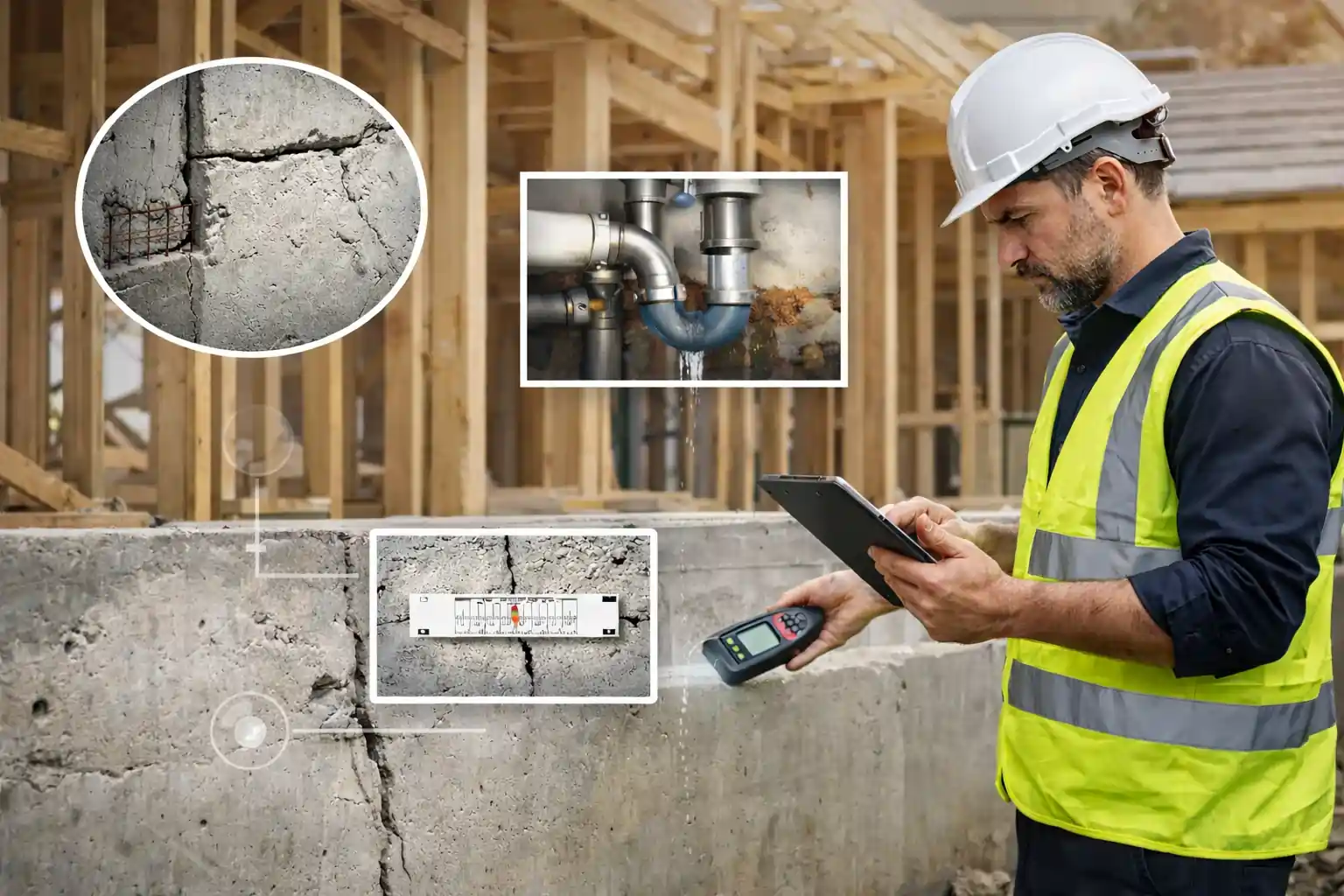
Construction stage defect assessments are vital for protecting structural integrity. Defects caught early prevent escalation into costly issues that can increase project costs by up to 20%.
Independent Construction Inspections and Why They Matter
Independent construction inspections provide unbiased assessments of build quality and compliance. Learn why third-party inspections protect homeowners and investors.
Book Independent Construction Stage Inspections
Ensure quality at every phase of your build with independent stage inspections. Our licensed inspectors verify compliance with the NCC and Australian Standards, catching defects early before they become costly problems.