
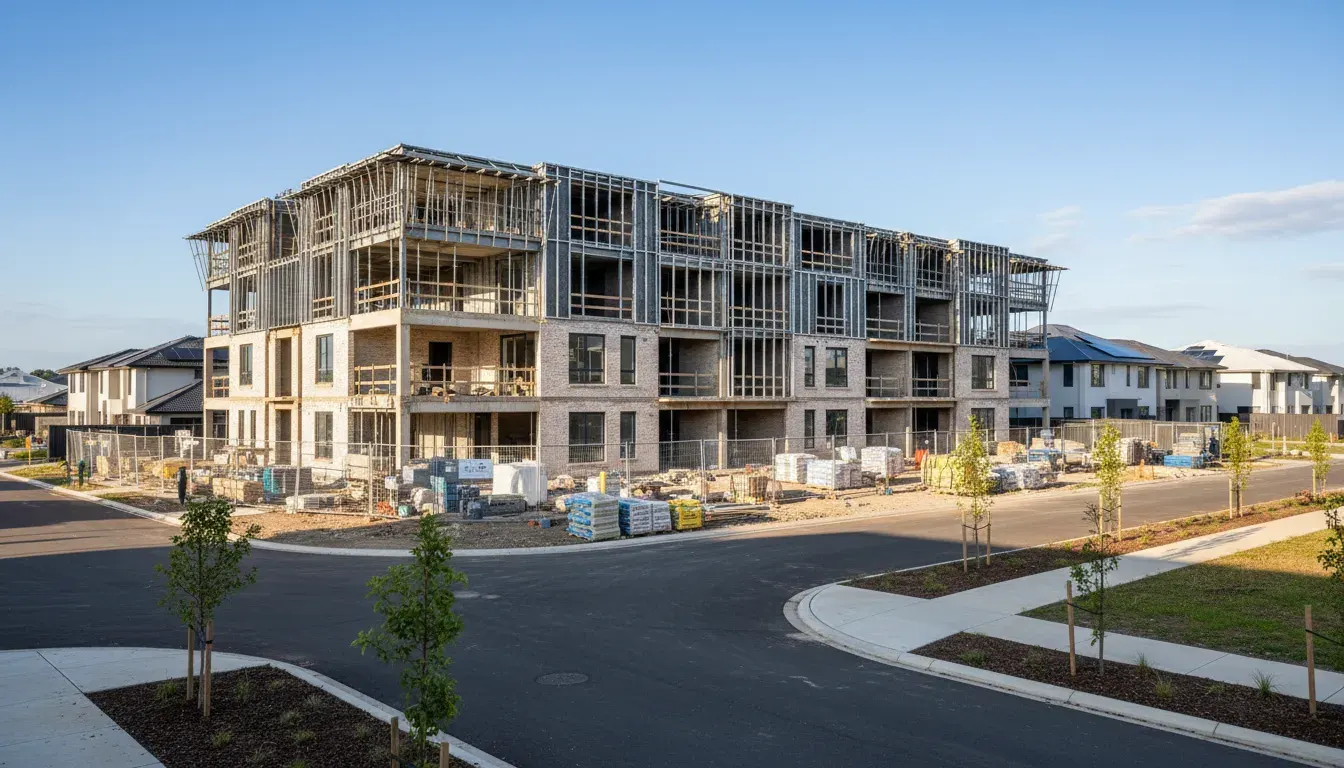
This matters because many defects are hidden once the next stage begins. A missed slab inspection, frame stage inspection, or pre plaster inspection can leave homeowners with problems that are harder and more expensive to prove later.
Australian building law also gives homeowners important protection around workmanship, contract performance, and defective work. In NSW, residential building work carries statutory warranties, including that work must be done with due care and skill, in line with plans and specifications, and in compliance with the law.
This guide explains what to do when a builder refuses a private inspector, how to request access in writing, which construction stage inspections matter most, and how an independent building inspector during construction can help protect your new home.
78%
New builds with defects at handover
$40K
Average defect rectification cost
6
Key inspection stages during build
Need to understand what a defect report can show?
Learn how a defect investigation report records visible building issues, likely causes, and repair recommendations before a dispute becomes harder to prove.
Defect Report Guide
78%
New builds with defects at handover
$40K
Average defect rectification cost
6
Key inspection stages during build
Can a Builder Refuse a Private Inspector in Australia?
A builder may be able to delay or limit access for genuine safety, supervision, or scheduling reasons. A builder should not use those reasons as a blanket excuse to block an owner’s reasonable request for a private building inspector during construction.
The strongest protection is a clear inspection clause in your building contract. Your contract should say that you can engage an independent building inspector during construction, that the builder must provide reasonable access, and that the builder must give enough notice before work is covered.
The Australian Consumer Law also gives consumers automatic guarantees when buying services, including that services must be carried out with an acceptable level of care and skill.
That does not mean every site visit can happen at any time. Building sites carry safety duties, and site controllers may set reasonable conditions for visitors, including induction, personal protective equipment, supervision, and agreed inspection times.
Your Legal Rights by State
Legislation varies significantly across Australian states. Some explicitly protect your right to independent inspections, while others rely on implied contractual terms.
| State | Key Legislation | Right to Private Inspector | Enforcement Body |
|---|---|---|---|
| NSW | Home Building Act 1989 | Explicitly protected under s.18B | NSW Fair Trading |
| VIC | Domestic Building Contracts Act 1995 | Implied right, cannot unreasonably refuse | VBA |
| QLD | QBCC Act 1991 | Protected, builder must provide reasonable access | QBCC |
| SA | Building Work Contractors Act 1995 | Implied right under contract terms | Consumer & Business Services |
| ACT | Building Act 2004 | Owner access rights protected | Access Canberra |
New South Wales
NSW provides the strongest protection. Section 18B of the Home Building Act 1989 implies warranties into every residential building contract, including that work will be done with due care and skill. Courts have consistently interpreted this to include allowing reasonable owner oversight.
NSW Fair Trading can intervene if a builder refuses access without legitimate cause. Legitimate causes include active safety hazards or insurance restrictions during specific high-risk activities.
Victoria
The Domestic Building Contracts Act 1995 doesn't explicitly mention private inspectors, but Section 8 requires builders to carry out work in a proper and workmanlike manner. The Victorian Building Authority has confirmed that unreasonably refusing owner access may breach this obligation.
Victorian Owners
Request access in writing at least 48 hours before the inspection. This creates a paper trail if the builder refuses and you need to escalate to the VBA.
Queensland
The QBCC Act 1991 and the standard QBCC contract include provisions for owner access. Builders must provide reasonable access for inspections at agreed times. QBCC takes complaints about access refusal seriously and can issue directions to builders.
South Australia and ACT
Both states rely heavily on contract terms. Most standard contracts include owner access provisions. If your contract is silent on this, the implied duty of good faith generally requires reasonable accommodation of inspection requests.
Your Rights Depend on Contract Terms, State Rules, and Site Safety
There is no single national rule that says every builder must allow every private inspector at any time. In practice, access usually comes from three areas:
| Protection area | What it means for homeowners |
|---|---|
| Building contract | The contract may give the owner access rights or inspection rights at agreed stages. |
| Statutory warranties | Builders must meet workmanship, legal compliance, and contract obligations. |
| Consumer law | Services must be carried out with due care and skill. |
| Building authority process | State bodies may help with building disputes, defective work, or complaint pathways. |
| Site safety rules | Access can be managed for safety, but safety should not be used as a fake reason to block inspection. |
In NSW, statutory warranties apply even if they are not written into the contract, and they cover issues such as due care and skill, compliance with plans, suitable materials, legal compliance, and reasonable fitness for occupation.
In Victoria, builders must meet obligations under the Domestic Building Contracts Act 1995 and the Australian Consumer Law, and implied warranties can be used to make sure a building contractor uses good workmanship and delivers what is listed in the contract.
In Queensland, the property owner can request a private certifier to perform extra inspections beyond those required under the building development approval, with the owner paying for those added functions.
In the ACT, the land owner is responsible for appointing the building certifier, and the ACT Government says an owner may request further inspections during construction.
Why Builders Resist Private Inspectors
Understanding the builder's perspective helps you address their concerns effectively.
Pros
- Legitimate safety concerns during active work
- Insurance requirements during high-risk stages
- Coordination with trades scheduling
Cons
- Hiding defective work before cover-up
- Avoiding accountability for shortcuts
- General resistance to oversight
Builders who consistently refuse inspections are often concealing problems. Quality builders welcome independent verification because it protects them from disputes later.
Private Building Inspector vs Building Certifier
Many homeowners think a building certifier and a private building inspector do the same job. They do not.
A building certifier checks whether building work meets approval and compliance requirements. A private building inspector focuses on defects, workmanship, and issues that may affect the homeowner.
| Role | Main purpose | Who they protect |
|---|---|---|
| Building certifier | Checks compliance with building approval and required standards | Public compliance process |
| Private building inspector | Checks visible defects, workmanship, and quality risks | Homeowner |
| Builder’s supervisor | Manages trades and progress | Builder |
| Engineer | Checks specific structural design or engineering items | Project requirements |
A private inspector does not replace a certifier. A certifier also does not replace a private inspector. The best protection is to use both properly.
Why Builders Refuse Private Inspectors
Some builders have fair reasons to manage access. Others use access refusal to avoid outside review.
Common reasons include:
- The site is unsafe at the requested time
- Trades are working in the inspection area
- The request was made without enough notice
- The builder wants the supervisor present
- The builder says only its own quality team can inspect
- The builder wants to keep work moving before defects are recorded
- The contract does not clearly mention private inspections
A short delay for safety can be reasonable. Repeated delays that push the project past slab, frame, pre plaster, lock-up, or pre handover inspection points should be treated seriously.
Homeowners keep copies of contracts, invoices, written communication, records of conversations, and photographs when a building dispute arises.
What to Do If a Builder Refuses Private Inspector Access
Do not rely on phone calls only. Put everything in writing.
| Step | What to do | Why it helps |
|---|---|---|
| 1 | Ask for access by email | Creates a written record |
| 2 | Name the inspection stage | Shows the request is specific and reasonable |
| 3 | Offer 2 or 3 time options | Reduces scheduling excuses |
| 4 | Confirm safety requirements | Shows cooperation |
| 5 | Refer to the contract | Grounds the request in agreed terms |
| 6 | Ask for refusal reasons in writing | Forces the builder to explain |
| 7 | Keep photos and progress updates | Helps prove if work was covered before inspection |
| 8 | Escalate if needed | Gives state authorities or advisers a clear timeline |
Use calm wording. The aim is not to fight the builder. The aim is to protect the build before defects are hidden.
Don't Delay
Some defects can only be identified before the next construction stage. Once concrete is poured or walls are lined, issues become hidden and expensive to investigate.
Who to Contact If Builder Refuses Access
| Location | Possible contact pathway |
|---|---|
| NSW | NSW Fair Trading or Building Commission NSW |
| Victoria | Consumer Affairs Victoria or Domestic Building Dispute Resolution Victoria |
| Queensland | QBCC |
| South Australia | Consumer and Business Services |
| ACT | Access Canberra |
| Other states | Local building regulator or consumer affairs body |
NSW Government says homeowners should review the contract because it sets out the requirements for the work and statutory warranties.
Consumer Affairs Victoria recommends trying to resolve the dispute with the builder, then putting the issue in a formal letter or email if direct discussion does not solve the problem.
South Australia’s SA Government says advice is available from Consumer and Business Services when a dispute arises with a builder or tradesperson.
Access Canberra says it can provide consumer advice, help resolve disputes with a business, and provide other options for resolving a dispute.
Need defects documented by an independent inspector?
A defect investigation report can help record building defects clearly, explain likely causes, and support your next step with the builder, insurer, or dispute body.
Investigation Report
Email Template When a Builder Won’t Allow Inspection
Subject: Request for private building inspector access at [stage name]
Hi [Builder/Site Supervisor],
Please confirm access for our independent building inspector during the [slab/frame/pre plaster/lock-up/pre handover] stage inspection at [property address].
Our requested inspection times are:
[Option 1] [Option 2] [Option 3]
The inspector will follow all reasonable site safety requirements, including PPE, site induction, and supervision where required.
Please confirm the inspection time in writing. If access is refused or delayed, please provide the reason in writing and confirm when access will be made available before the relevant work is covered.
Regards, [Your name]
Construction Stage Inspections You Should Not Skip
Private inspector construction stages matter because some defects are only visible for a short time.
| Stage | What the inspector checks | Why timing matters |
|---|---|---|
| Slab inspection | Footings, reinforcement, set-out, moisture barriers, drainage concerns | Many items cannot be checked after concrete is poured |
| Frame stage inspection | Structural frame, bracing, tie-downs, alignment, fixings | Frame defects may be hidden once wall linings start |
| Pre plaster inspection | Services rough-in, waterproofing preparation, insulation, framing, penetrations | Last chance before walls and ceilings are covered |
| Lock-up inspection | Roofing, windows, doors, external cladding, weatherproofing | Helps find water entry and external envelope issues |
| Pre handover inspection | Finish defects, safety issues, incomplete work, visible faults | Best time to list defects before final payment |
| Post handover inspection | Defects found after occupation | Helps document warranty or rectification issues |
What to Put in Your Building Contract Before Work Starts
The best time to protect your inspection rights is before signing.
Ask your builder to include a clause that covers:
- Your right to engage a private building inspector
- Reasonable access to the building site
- Minimum notice before each inspection stage
- No covering of work before agreed inspection access
- Site safety requirements for the inspector
- Written reasons if access is refused or delayed
- Rectification process for defects found during inspection
- Recommended Contract Clause
“The owner may engage a private building inspector to inspect the works at agreed construction stages, including slab, frame, pre plaster, lock-up, pre handover, and any other stage agreed in writing. The builder must provide reasonable site access after reasonable written notice, subject to site safety requirements. The builder must not cover relevant work before the owner has had a reasonable opportunity to arrange inspection.”
Get legal advice before changing a building contract.
The Owner may engage a private building inspector to attend the site at any construction stage upon providing 48 hours written notice. The Builder shall provide reasonable access and shall not proceed to cover any work until the Owner has had reasonable opportunity to inspect.
Critical Inspection Stages You Should Never Skip
| Stage | What's Checked | Why It Matters |
|---|---|---|
| Slab/Footings | Reinforcement, formwork, drainage | Cannot be inspected after concrete pour |
| Frame | Structural integrity, bracing, tie-downs | Hidden once walls are lined |
| Pre-Plaster | Waterproofing, electrical, plumbing rough-in | Last chance before cover-up |
| Lock-Up | Windows, doors, external cladding, roof | Weather protection critical |
| Pre-Handover | Complete defect assessment | Negotiating power before final payment |
| Post-Handover | Warranty period defects | Documents issues for warranty claims |
Did You Know?
The frame stage inspection typically identifies 40% of all defects found during construction. Missing this inspection is the costliest mistake homeowners make.
When Refusal Becomes a Red Flag
One delayed inspection is not always a serious issue. A pattern of refusal is different.
Warning signs include:
- The builder refuses to put reasons in writing
- The builder says private inspectors are never allowed
- The builder rushes to cover work after you request inspection
- The builder says the certifier is enough
- The builder claims insurance prevents access but will not show the policy clause
- The builder delays until the frame or pre plaster inspection is no longer possible
- The builder refuses to answer defect questions
If defective work is suspected, raise it with the builder first and keep records. Queensland’s QBCC advises homeowners to raise defective work with the contractor as a first step.
If the issue cannot be resolved, the next step may be your state or territory building dispute body, a construction lawyer, or a formal defect report.
Protecting Your Build Before Defects Are Covered Up
A builder who refuses private inspector access creates risk for the homeowner. The best response is written, calm, and well documented.
Book your independent building inspector during construction before each major stage. Give written notice. Keep records. Ask for reasons if access is refused. Check your contract before making decisions about payments or disputes.
Owner Inspections can help homeowners arrange independent construction stage inspections, pre handover inspections, reinspections, and defect investigation reports so problems are recorded before they become hidden or harder to fix.
Preparing a building defect claim?
Contact Owner Inspections for guidance on the right report for your situation, including defect investigation reports, expert witness reports, and inspection support.
Frequently Asked Questions
Can a builder refuse a private inspector during construction?
Can I hire my own building inspector for a new build?
What should I do if my builder refuses inspector access?
Is a private building inspector different from a certifier?
What construction stages should a private inspector check?
Can a builder stop a private inspector from entering the site for safety reasons?
Should inspection access be written into my building contract?
Can I delay a progress payment if the builder blocks inspection access?
Key Takeaways
- Australian homeowners generally have legal rights to engage private inspectors during construction
- NSW provides the strongest protection under the Home Building Act 1989
- Document all access refusals in writing and escalate to state building authorities
- Add explicit inspection clauses to your contract before signing
- Frame and pre-plaster inspections are the most critical stages to never skip
- Builder insurance objections are rarely legitimate grounds for refusal
- Certifier inspections do not replace private inspections, they serve different purposes
- 48 hours written notice is considered reasonable for inspection requests
Related Articles
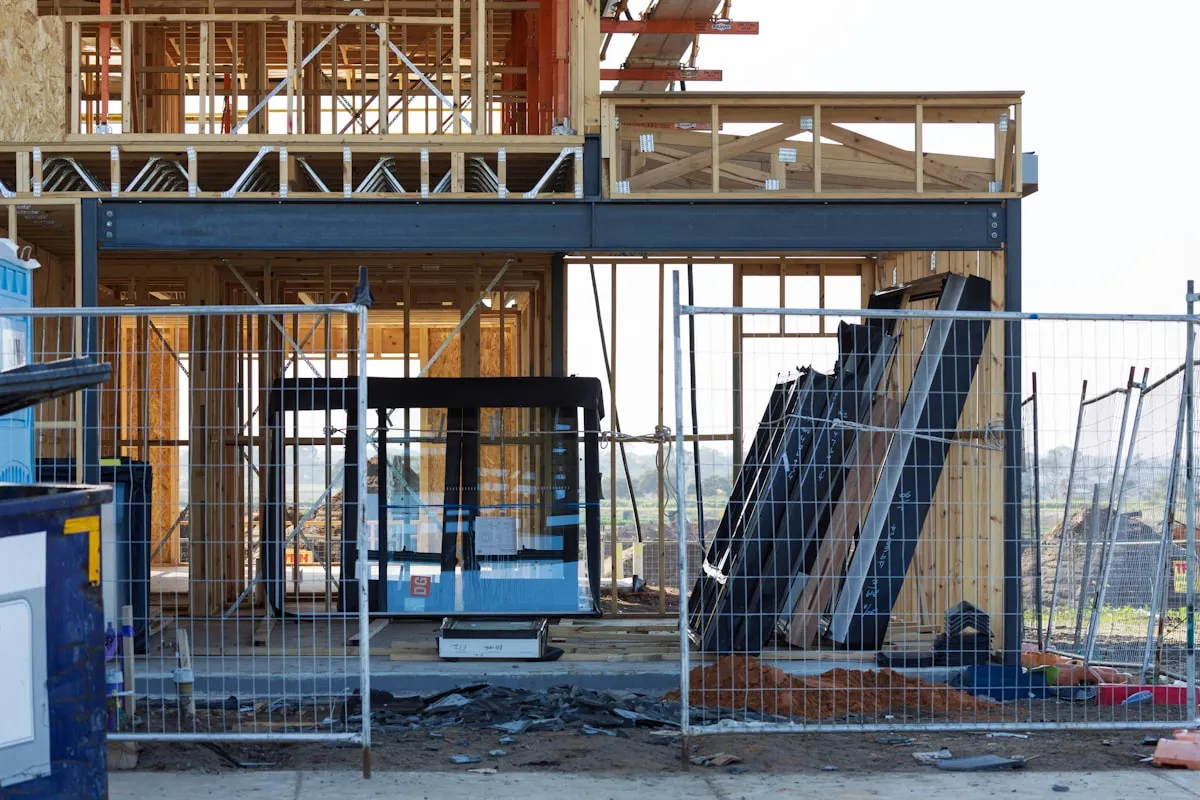
Can a Builder Refuse an Independent Inspector in Queensland?
Builders in Queensland cannot legally refuse access to an independent building inspector appointed by the homeowner. Learn the laws that protect your right to independent oversight during construction.
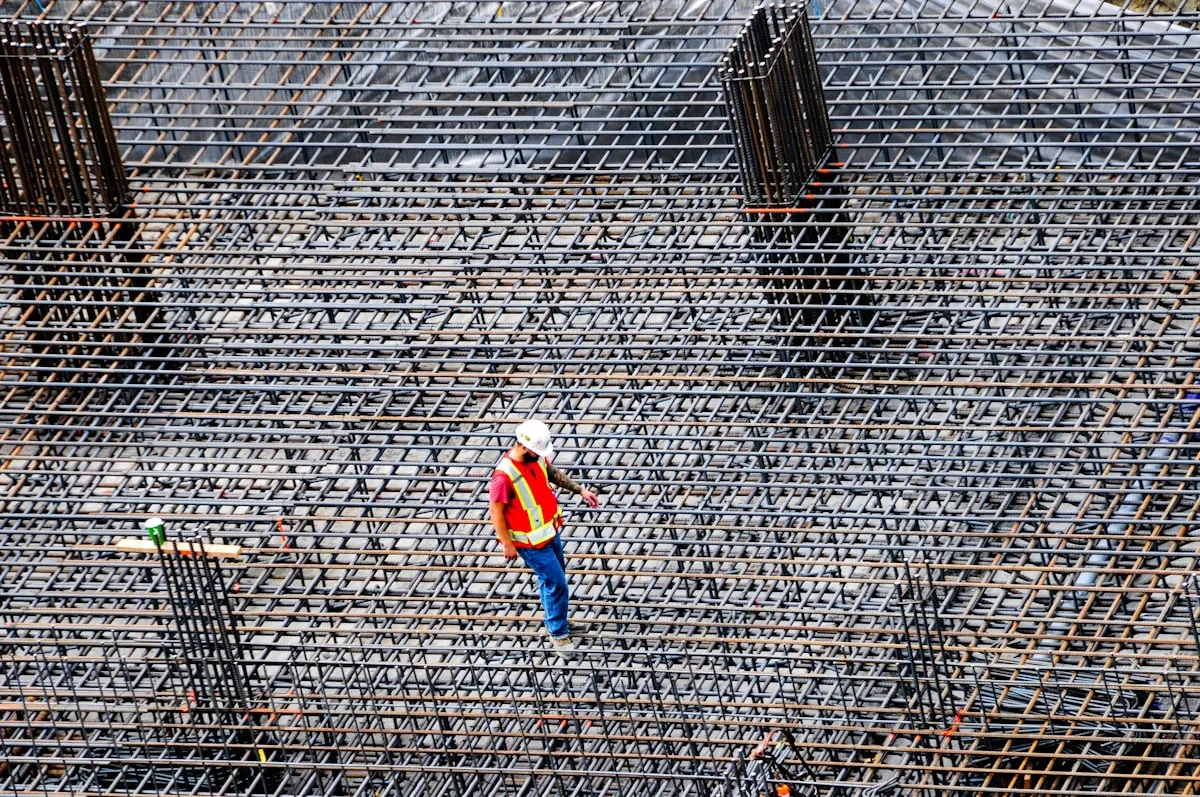
Can a Builder Refuse an Independent Inspector in Victoria?
Builders in Victoria cannot legally refuse access to an independent building inspector appointed by the homeowner. Learn the laws that protect your right to independent oversight during construction.
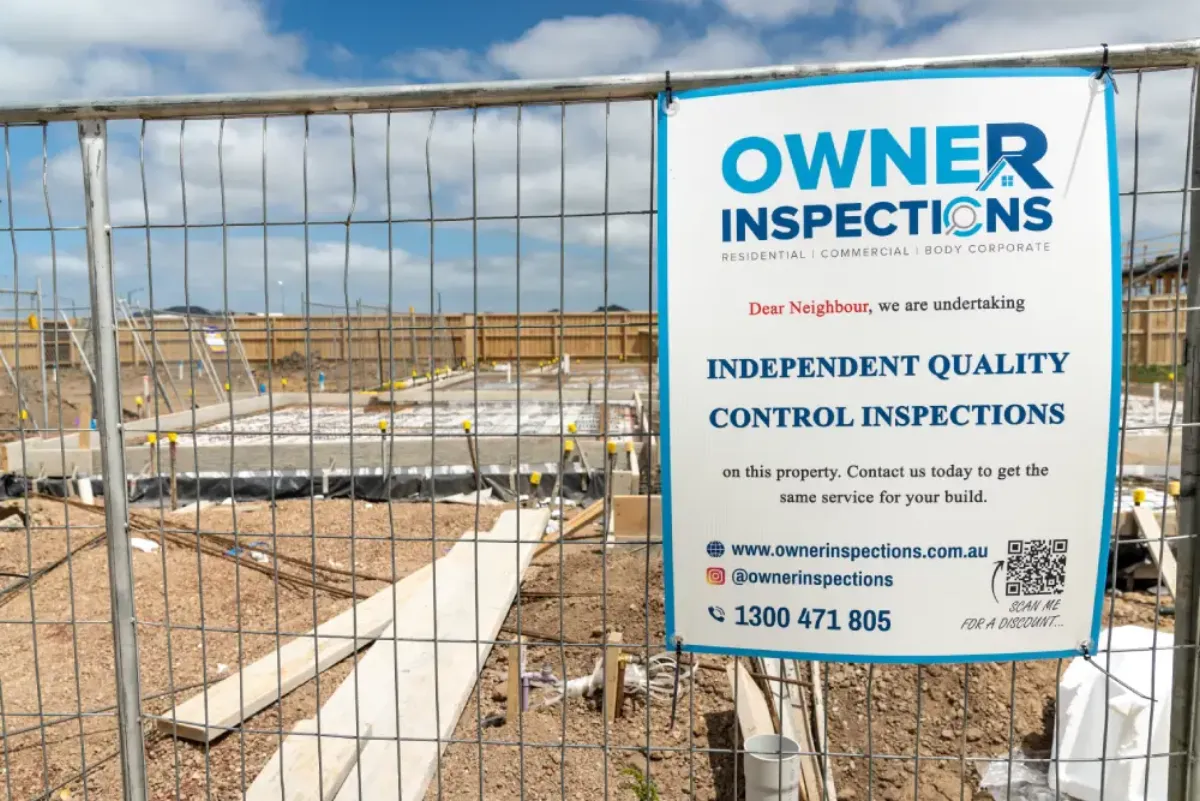
Hiring a Private Inspector for a New House Purchase
A private building inspector provides independent assessments of new house purchases beyond council compliance checks. Learn what they cover and how to choose one.
Need an Independent Construction Inspector?
Our licensed inspectors protect your investment at every construction stage. We know your rights and ensure builders deliver quality work.