
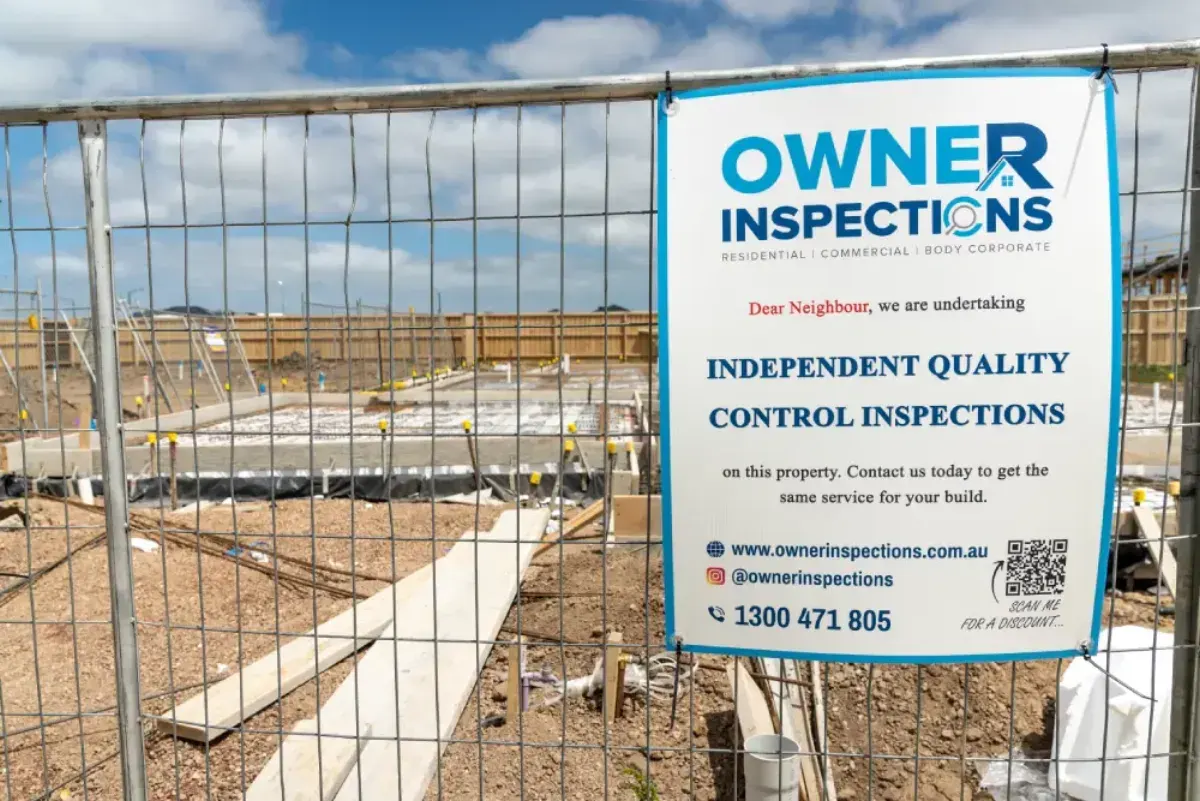
Many buyers assume that because a house is new, it must be free of problems. This assumption can be costly. Builders operate under tight schedules and budgets, and even well-intentioned construction teams can overlook defects that range from minor cosmetic issues to serious structural concerns. A private inspector serves as your independent set of eyes, identifying problems that might otherwise go unnoticed until long after the builder's warranty obligations have expired.
A new home does not guarantee a defect-free home. Independent inspection before settlement gives you the strongest possible position to have issues rectified at the builder's expense.
What Is a Private Building Inspector?
A private building inspector is a qualified professional who works independently of the builder, developer, and local council. Their role is to conduct a thorough assessment of a property's construction quality, compliance with the National Construction Code (NCC), and adherence to relevant Australian Standards such as AS 4349.1 (Inspection of Buildings).
Private inspectors differ from council or certifier inspections in a number of important ways. Council inspectors typically attend a building site at mandated stages to verify compliance with the approved plans and minimum code requirements. Their focus is on regulatory compliance rather than overall quality. A private inspector, by contrast, examines the property from the perspective of the buyer, looking at both compliance and workmanship to a much higher level of detail.
Key Distinction
Council inspections confirm that minimum legal standards are met. Private inspections assess whether the building has been constructed to an acceptable standard of quality and workmanship that a buyer would reasonably expect.
Private Inspector vs Council Inspector
Understanding the difference between private and council inspections is essential for any buyer considering a new house purchase.
| Aspect | Private Building Inspector | Council or Certifier Inspector |
|---|---|---|
| Hired by | The property buyer | Required by legislation |
| Purpose | Comprehensive quality and defect assessment | Verify minimum code compliance |
| Scope | All accessible areas, workmanship, materials | Specific mandated construction stages |
| Report detail | Detailed written report with photos and recommendations | Pass or fail certificate |
| Independence | Fully independent of builder | May have ongoing relationships with builders |
| Standards referenced | NCC, AS 4349.1, and best practice | NCC and approved plans |
| Timing | Before settlement or at buyer's discretion | At prescribed construction stages only |
| Cost to buyer | Paid by the buyer directly | Included in construction or council fees |
| Feature | Private Inspector | Council Inspector |
|---|---|---|
| Detailed defect report | ||
| Photographic evidence | ||
| Workmanship assessment | ||
| Code compliance verification | ||
| Buyer-focused recommendations | ||
| Pest and termite assessment |
Qualifications and Licensing by State
Building inspector licensing requirements vary across Australian states and territories. When selecting a private inspector, it is important to confirm they hold the correct licence for the jurisdiction where the property is located.
New South Wales (NSW): Inspectors must hold a building consultant licence issued by NSW Fair Trading. They should be familiar with the Home Building Act 1989 and associated regulations that govern residential construction standards and warranty obligations.
Queensland (QLD): The Queensland Building and Construction Commission (QBCC) oversees licensing for building inspectors. Inspectors should hold a relevant QBCC licence and be experienced with Queensland's specific requirements around termite management and cyclone-rated construction.
Victoria (VIC): The Victorian Building Authority (VBA) regulates building practitioners. Inspectors should be registered building practitioners or hold equivalent qualifications recognised by the VBA.
Other states and territories: South Australia, Western Australia, Tasmania, the ACT, and the Northern Territory each have their own regulatory frameworks. Always verify that your inspector holds the appropriate licence for the relevant jurisdiction.
Important
Always ask to see a copy of the inspector's licence before engaging their services. A qualified inspector will have no hesitation in providing proof of their credentials.
Benefits of Hiring a Private Inspector for a New House
Early Defect Detection
The most significant benefit of a private inspection is identifying defects before you take ownership. Once settlement occurs, the process of having defects rectified becomes substantially more difficult. A pre-settlement inspection report gives you documented evidence to present to the builder, allowing defects to be addressed while the builder still has a contractual obligation to fix them.
Compliance Verification
A private inspector checks that the building complies with the NCC and relevant Australian Standards. This goes beyond what council inspections cover, ensuring that elements such as waterproofing, insulation, ventilation, and fire safety meet the required standards.
Buyer Confidence
Purchasing a new home is one of the largest financial commitments most Australians will make. Having an independent professional confirm the quality of your new home provides genuine peace of mind and confidence in your purchase.
Cost Prevention
Identifying defects early prevents them from becoming expensive problems later. Water ingress through poorly installed flashing, for example, can lead to structural timber damage, mould growth, and interior damage that costs tens of thousands of dollars to repair. Termite damage alone costs Australian homeowners an estimated $1.5 billion annually, and a combined building and pest inspection can identify conditions that attract termite activity before they cause harm.
Pros
Independent assessment not influenced by builder interests
Detailed photographic report for defect rectification requests
- Identifies both visible and concealed defects
- Provides leverage for pre-settlement negotiations
- Can save thousands in future repair costs
Cons
- Additional upfront cost for the buyer
- May delay settlement if significant defects are found
- Limited to accessible areas of the property
Key Areas a Private Inspector Examines
A comprehensive private inspection of a new house covers the following areas:
Structural Elements
The inspector assesses foundations, concrete slabs, load-bearing walls, beams, columns, and the overall structural frame. They look for cracking, movement, inadequate connections, and any signs that the structure does not meet the engineering design or NCC requirements.
Plumbing and Drainage
All accessible plumbing is checked for leaks, correct installation, adequate water pressure, and proper drainage fall. Hot water systems, taps, toilets, and stormwater drainage are all included in the assessment.
Electrical Systems
While a private building inspector is not an electrician, they visually assess electrical installations for obvious defects such as incomplete work, unsafe wiring, missing covers on power points, and the presence of safety switches and smoke alarms as required by the NCC.
Roofing and Guttering
The roof structure, coverings, flashing, guttering, and downpipes are inspected for correct installation, adequate overlap, secure fixings, and proper drainage. Poorly installed roofing is one of the most common sources of water damage in new homes.
Pest and Termite Assessment
A combined building and pest inspection includes a check for termite activity, termite-conducive conditions, and the presence of other timber pests. Given that termite damage costs $1.5 billion annually across Australia, this assessment is particularly important for properties in high-risk areas such as Queensland and northern NSW.
Insulation and Ventilation
The inspector checks that ceiling and wall insulation has been installed to the correct R-value as specified in the NCC energy efficiency provisions. Adequate subfloor and roof space ventilation is also assessed, as poor ventilation leads to moisture buildup, condensation, and mould growth.
Waterproofing
Wet areas including bathrooms, laundries, and balconies are examined for evidence of adequate waterproofing. Waterproofing failures are among the most common and expensive defects found in new Australian homes.
How to Choose a Qualified Private Inspector
Selecting the right inspector is just as important as deciding to get an inspection in the first place. Consider the following when making your choice:
- Verify their licence is current and appropriate for your state
- Check they carry professional indemnity insurance
- Ask about their experience with new home inspections specifically
- Confirm their reports comply with AS 4349.1
- Request a sample report to assess the level of detail provided
- Read independent reviews and testimonials from previous clients
- Ensure they have no affiliations with the builder or developer
- Ask whether they provide a verbal summary on site in addition to the written report
Pricing for Private Building Inspections
The cost of a private building inspection varies depending on the property size, location, and scope of the inspection.
| Inspection Type | Typical Cost | What Is Included |
|---|---|---|
| Standard building inspection | From $390 + GST | Visual assessment of all accessible areas, written report with photos |
| Combined structural and pest inspection | From $1,000 + GST | Full building inspection plus termite and pest assessment |
| Stage inspections (per visit) | From $300 + GST | Inspection at specific construction milestones |
| Defect reinspection | From $200 + GST | Follow-up to verify defects have been rectified |
When compared to the potential cost of undetected defects, a private inspection represents a modest investment. Remediation of waterproofing failures alone can exceed $50,000 in severe cases. Structural defect repairs can cost even more, making the inspection fee a fraction of what you could save.
Red Flags to Watch For
When engaging a private inspector, be cautious of the following warning signs:
- No licence or insurance: Any inspector who cannot provide proof of current licensing and professional indemnity insurance should be avoided.
- Unusually low pricing: Inspections priced significantly below market rates may indicate a superficial assessment or lack of qualifications.
- Builder referrals: If the builder recommends a specific inspector, consider finding your own. Independence is the whole point of a private inspection.
- No written report: A verbal summary alone is not sufficient. You need a detailed written report with photographs to support any defect claims.
- Rushed inspections: A thorough inspection of a new house takes at least two to three hours. If an inspector promises to be done in under an hour, they are unlikely to be examining the property adequately.
- No reference to standards: A professional inspector should reference the NCC, AS 4349.1, and relevant state regulations in their report.
Avoid This Common Mistake
Do not rely solely on the builder's own quality assurance or final handover check. Builders are naturally inclined to present their work in the best possible light. An independent inspection provides an unbiased assessment that protects your interests.
When to Schedule Your Private Inspection
For a new house purchase, the ideal time to arrange a private inspection is after practical completion but before settlement. This timing allows you to identify any defects and request rectification from the builder before you take legal ownership of the property.
If you are building a new home rather than purchasing an already completed one, consider engaging a private inspector at multiple construction stages. Key stages include the slab or base stage, frame stage, lock-up stage, fixing stage, and the final pre-handover inspection. Each stage inspection costs less than a full inspection and allows defects to be caught and corrected before subsequent work covers them up.
Frequently Asked Questions
What is a private building inspector?
A private building inspector is a licensed professional hired independently by the property buyer to assess the quality, safety, and compliance of a building. They work independently of the builder and local council to provide an unbiased assessment.
Why should I hire a private inspector for a new house?
Approximately 70% of newly built Australian homes contain undetected defects. A private inspector identifies these before settlement, giving you documented evidence to have the builder rectify issues before you take ownership.
How much does a private building inspection cost?
A standard building inspection starts from $390 plus GST. A combined structural and pest inspection starts from $1,000 plus GST. Costs vary depending on property size and location.
What is the difference between a private inspector and a council inspector?
Council inspectors verify minimum regulatory compliance at mandated construction stages. Private inspectors provide a comprehensive quality and defect assessment on behalf of the buyer, covering workmanship, materials, and compliance in much greater detail.
What qualifications should a private building inspector have?
They should hold a current building inspector or building consultant licence for the relevant state, carry professional indemnity insurance, and conduct inspections in accordance with AS 4349.1.
What does a private inspector check in a new house?
A private inspector examines structural elements, plumbing, electrical systems, roofing, waterproofing, insulation, ventilation, pest conditions, and overall workmanship quality across all accessible areas of the property.
When should I schedule a private inspection for a new house?
The best time is after practical completion but before settlement. This gives you the opportunity to have the builder rectify any identified defects before you take ownership.
Can a private inspector find defects that council inspectors miss?
Yes. Council inspectors focus on minimum code compliance at specific stages. Private inspectors conduct a more detailed assessment of overall build quality and workmanship that frequently uncovers defects not identified during council inspections.
Do I need a pest inspection for a brand new house?
Yes. Even new homes can have termite-conducive conditions such as inadequate termite barriers, timber stored against the building, or poor drainage. With termite damage costing Australian homeowners $1.5 billion annually, a pest assessment is a worthwhile addition to any building inspection.
What happens if the inspector finds defects?
The inspector provides a detailed written report documenting all defects with photographs. You can then present this report to the builder and request rectification before settlement. In most states, builders have legal obligations to fix defects identified before handover.
Is a private building inspection worth the cost?
Given that defect remediation costs can run into tens of thousands of dollars, the inspection fee of a few hundred dollars represents excellent value. Identifying even a single significant defect before settlement typically saves far more than the cost of the inspection.
Key Takeaways
- Approximately 70% of newly built Australian homes contain undetected defects, making private inspections a smart investment
- Private inspectors provide a detailed, buyer-focused assessment that goes well beyond council compliance checks
- Always verify your inspector holds a current licence for the relevant state (NSW Fair Trading, QBCC, VBA, or equivalent)
- A standard building inspection starts from $390 plus GST, while a combined structural and pest inspection starts from $1,000 plus GST
- Schedule your inspection after practical completion but before settlement for the strongest negotiating position
- Termite damage costs Australian homeowners an estimated $1.5 billion annually, so pest assessments are recommended even for new homes
References and Resources
Related Articles
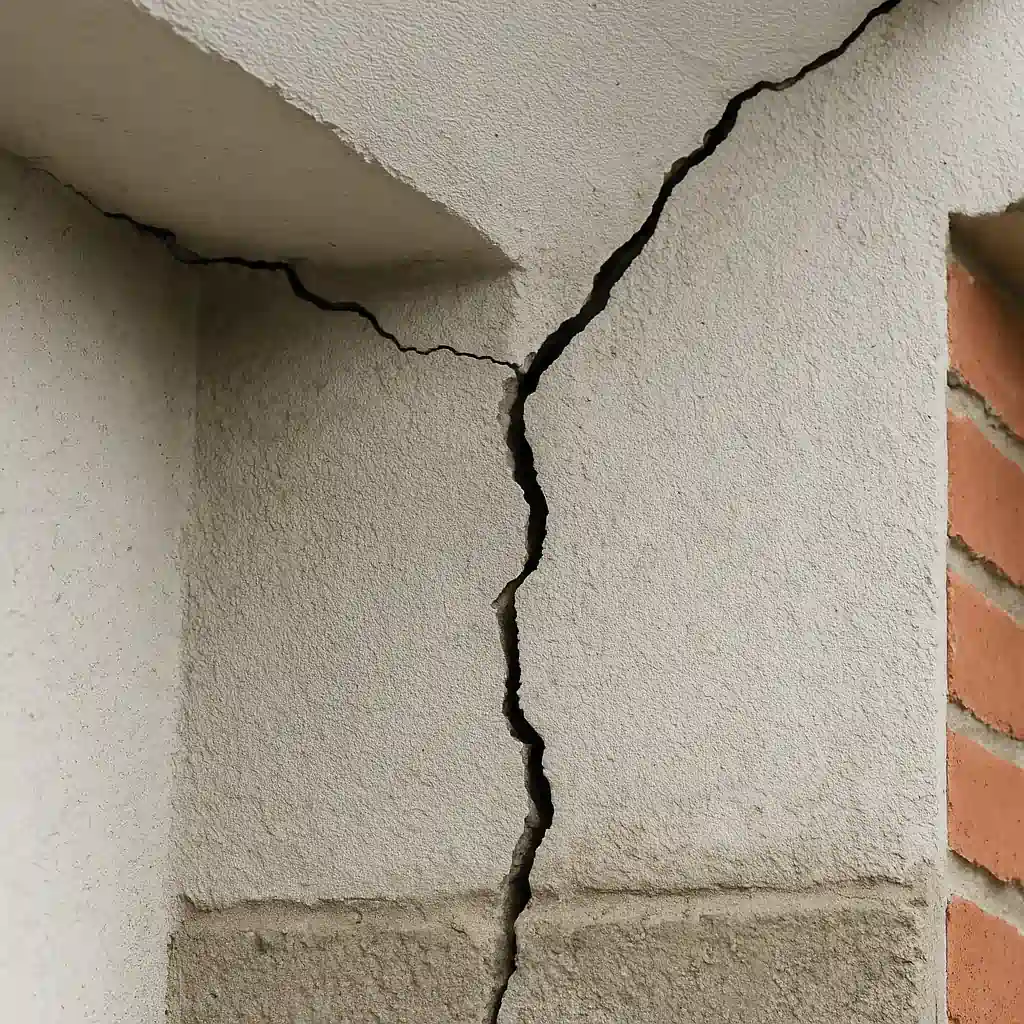
Top Warning Signs of Structural Defects in New Builds
Nearly 70% of newly built Australian homes show major defects. Learn the eight key warning signs of structural issues and how to protect your investment.
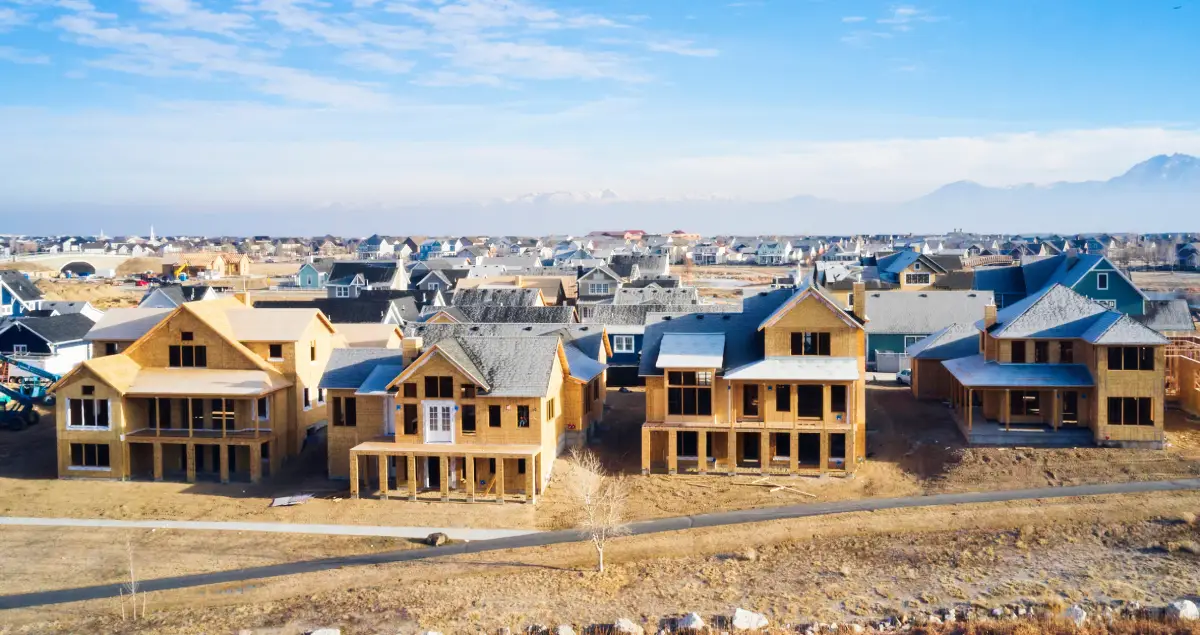
Building Inspection Stages: A Comprehensive Guide
Learn about the different stages of building inspections during construction and why each stage matters for quality assurance.
What Does a Building Inspection Cover
Building inspections examine structural integrity, electrical systems, plumbing, and more to identify potential issues before property purchase.
Book Your Private New Home Inspection
Protect your investment with an independent building inspection before settlement. Our licensed inspectors provide detailed reports to help you buy with confidence.