
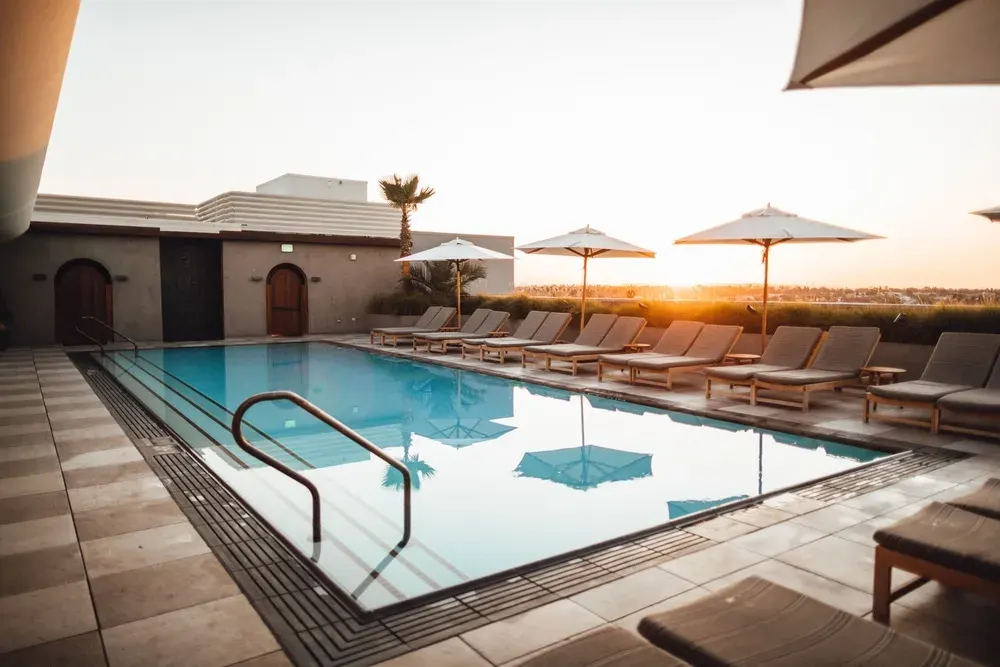
Over 3.1 million Australians live in a home with a swimming pool or spa. A pool is a great addition to any property, but it comes with ongoing responsibilities. Without consistent maintenance, pool water can quickly become unhealthy and unsafe. Understanding the basics of pool care helps you protect your family, extend the life of your pool equipment, and avoid expensive repair bills.
The Basics of Pool Circulation
Proper water circulation is the foundation of good pool maintenance. Without it, your filter cannot clean the water, chemicals cannot distribute evenly, and algae will grow in stagnant areas.
- Filtration: As water circulates through the system, the filter traps dirt, debris, and contaminants, keeping the water clear
- Chemical distribution: Circulation ensures chlorine and other sanitising chemicals reach every part of the pool
- Algae prevention: Stagnant water is a breeding ground for algae. Continuous movement keeps the water oxygenated and fresh
Run your pool pump for at least 8 hours per day. In hotter climates such as Queensland and northern NSW, or during periods of heavy use, you may need to run it for 10 to 12 hours. In cooler climates with less frequent swimming, slightly shorter pump times may be sufficient, but the pump should always run long enough to turn over the entire pool volume at least once per day.
Weekly Cleaning Routine
A consistent weekly routine keeps your pool clean and prevents problems from building up.
Skimming Surface Debris
Use a net skimmer to remove leaves, insects, and floating debris from the surface at least every few days, and after every storm. Debris that sinks to the bottom is harder to remove and can clog your filter.
Brushing Walls and Floors
Brush the pool walls, floor, steps, and behind ladders weekly to loosen algae, dirt, and sediment. Use a stiff-bristled brush for concrete and pebblecrete pools and a softer brush for fibreglass and vinyl-lined pools. Regular brushing prevents algae from establishing on surfaces.
Vacuuming
A pool vacuum cleans settled dirt and debris from the bottom of the pool. You can use a manual vacuum attached to the filtration system or an automatic robotic cleaner that moves across the pool floor independently. Vacuuming once a week prevents sediment from building up and clouding the water.
Maintaining Water Levels
The ideal water level sits between the bottom of the skimmer opening and halfway up the skimmer weir. If the water level is too low, the pump can suck in air and lose prime. If it is too high, the skimmer cannot effectively collect surface debris. Top up with a garden hose when needed, and drain excess water after heavy rain.
Skim the surface
Use a leaf net to remove all floating debris from the water surface.
Brush walls and floor
Brush all surfaces including steps, corners, and behind ladders to dislodge algae and dirt.
Vacuum the pool
Use a manual or automatic vacuum to remove settled debris from the pool floor.
Clean the skimmer basket and pump basket
Empty the skimmer basket and pump strainer basket to maintain water flow.
Test and adjust water chemistry
Use a test kit to measure pH, chlorine, and alkalinity, and adjust as needed.
Check the water level
Ensure the water is at the correct level relative to the skimmer opening.
Chemical Balancing
Balanced pool chemistry is important for swimmer comfort and equipment protection. Incorrect chemical levels can cause skin and eye irritation, reduce chlorine effectiveness, and damage pool surfaces and equipment.
Key Chemical Levels
| Ideal Range | Too Low (Acidic) | Too High (Alkaline) | |
|---|---|---|---|
| pH | 7.4 to 7.6 | Skin and eye irritation, corrosion of equipment | Reduced chlorine effectiveness, cloudy water, scale buildup |
| Chlorine | 1.5 to 3.0 ppm | Bacteria and algae growth, unsafe water | Skin and eye irritation, bleaching of swimwear |
| Alkalinity | 80 to 120 ppm | pH fluctuates rapidly, corrosion risk | Cloudy water, scale formation, difficult to adjust pH |
Testing Your Water
Test your pool water at least once a week using a home test kit or test strips. During summer and periods of heavy use, test every two to three days. Take water samples from about elbow depth away from return jets for the most accurate readings.
Shocking Your Pool
Pool shocking involves adding a large dose of chlorine to eliminate combined chlorine (chloramines), organic waste, and bacteria that regular chlorination may not remove. Shock your pool once a week during peak swimming season and every two weeks during the off-season. Always shock in the evening so the sun does not burn off the chlorine before it has time to work.
After shocking your pool, do not swim until the free chlorine level drops back to 3.0 ppm or below. This usually takes at least 4 to 8 hours. Always check with a test kit before allowing anyone back in the water.
Additional Maintenance Tips
Pool Safety Compliance in Australia
Pool safety is regulated at the state level in Australia. All pools and spas must comply with fencing and barrier requirements designed to prevent drowning, particularly among young children.
- In NSW, pools must be registered on the NSW Swimming Pool Register and have a valid compliance certificate
- In Queensland, pools must have a Pool Safety Certificate issued by a licensed pool safety inspector
- In Victoria, pool and spa barrier requirements are set by the Building Regulations 2018 and must comply with AS 1926.1
- All states require self-closing and self-latching gates, non-climbable zones, and barriers that meet the height and gap requirements of Australian Standard AS 1926.1
If you are selling or leasing a property with a pool in NSW, you must have a valid pool compliance certificate. In Queensland, a Pool Safety Certificate is required before settlement. Non-compliance can result in fines and delays in property transactions.
When to Schedule a Professional Pool Inspection
While regular DIY maintenance keeps your pool in good condition day to day, a professional pool inspection provides a thorough assessment of the pool's structure, equipment, safety barriers, and compliance with Australian standards.
Schedule a professional inspection:
- At least once a year for a general health check of your pool and equipment
- Before buying or selling a property with a pool
- If you notice cracks in the pool shell, persistent leaks, or equipment failures
- After severe storms or flooding that may have damaged the pool structure or fencing
- When your pool compliance certificate is due for renewal
Key Takeaways
- Run your pool pump for at least 8 hours daily to maintain proper circulation, filtration, and chemical distribution.
- Follow a weekly cleaning routine that includes skimming, brushing, vacuuming, and basket cleaning.
- Test water chemistry at least once a week and maintain pH between 7.4 and 7.6, chlorine between 1.5 and 3.0 ppm, and alkalinity between 80 and 120 ppm.
- Shock your pool weekly during swimming season and fortnightly during the off-season.
- All pools in Australia must comply with state-specific fencing and barrier requirements under AS 1926.1.
- Use a pool cover when the pool is not in use to reduce debris, chemical loss, and water evaporation.
- Schedule a professional pool inspection at least annually and before any property sale or lease.
Frequently Asked Questions
How often should I check the water level in my pool?
Check the water level at least once a week. During periods of heavy use, hot weather, or after significant rainfall, check more frequently. The water should sit between the bottom of the skimmer opening and halfway up the skimmer weir for the pump and skimmer to function correctly.
Can heavy rain affect my pool's chemical balance?
Yes. Heavy rain dilutes pool chemicals, lowering chlorine levels and altering pH and alkalinity. After heavy rain, test your water and adjust the chemical balance. You may also need to lower the water level if it has risen above the skimmer weir.
How do I prevent my pool from turning green?
Green water is caused by algae growth, which occurs when chlorine levels drop too low, circulation is inadequate, or the filter is not working properly. Maintain proper chlorine levels (1.5 to 3.0 ppm), run the pump for at least 8 hours daily, brush walls and floor weekly, and shock the pool regularly during swimming season.
What should I do if I notice cracks in my pool's surface?
Small surface cracks in the render or plaster may be cosmetic and repairable with a pool patching compound. Larger or structural cracks that extend through the shell may indicate ground movement or structural failure and require a professional assessment. Do not ignore cracks, as they can lead to water loss and further damage.
How can I reduce chlorine usage in my pool?
Use a pool cover to reduce UV exposure, which breaks down chlorine. Maintain correct pH and alkalinity levels, as imbalanced chemistry makes chlorine less effective. Consider a saltwater chlorinator, which generates chlorine continuously at a lower, more consistent level. Mineral systems can also reduce the amount of chlorine needed.
Why is my pool water cloudy and how can I fix it?
Cloudy water is usually caused by imbalanced chemicals, poor filtration, or high levels of fine particles. Test and correct your pH, chlorine, and alkalinity. Clean or backwash your filter. If the water remains cloudy after balancing chemicals, use a pool clarifier or flocculant to help the filter capture fine particles. Ensure the pump runs long enough each day to turn over the full pool volume.
How long after adding chemicals can I swim?
For most chemical treatments, including chlorine additions, wait at least 4 hours before swimming. After shocking the pool, wait until the free chlorine level drops to 3.0 ppm or below, which may take 4 to 8 hours or longer depending on the dose. Always test the water before swimming after any chemical treatment.
What is the best way to remove oil and sunscreen from pool water?
Place skimmer socks or oil-absorbing sponges in your skimmer basket to trap oils and lotions. Enzyme-based pool cleaners can also break down organic oils on the water surface. Encouraging swimmers to shower before entering the pool helps reduce the amount of oils and sunscreen entering the water.
Can I perform all pool maintenance myself?
Many routine maintenance tasks, including cleaning, chemical testing, and basic equipment checks, can be done by pool owners. However, equipment repairs, structural issues, electrical work on pool lighting or pumps, and safety compliance inspections should be handled by qualified professionals. An annual professional inspection is recommended for all pool owners.
Do I need a pool compliance certificate in Australia?
Requirements vary by state. In NSW, all pools must be registered on the NSW Swimming Pool Register and require a compliance certificate, particularly when selling or leasing. In Queensland, a Pool Safety Certificate is required before property settlement. In Victoria, pools must comply with the Building Regulations 2018 and AS 1926.1. Check your state's specific requirements.
References and Resources
- NSW Swimming Pool Register - Pool registration and compliance requirements in NSW
- QBCC - Pool Safety - Pool safety requirements and certificates in Queensland
- Australian Standard AS 1926.1 - Swimming pool safety barriers
- Royal Life Saving Society Australia - Pool safety data and drowning prevention
Related Articles
Common Swimming Pool Defects: What You Need to Know
With approximately one in seven Australian households owning a pool or spa, pool defects are a widespread concern. Cracks, leaks, staining, scaling, corrosion, and algae growth can all compromise pool safety and lead to expensive repairs. This guide covers the most common defects, their causes, and how regular inspections help catch problems early.
Pool Fence Regulations in NSW: What Homeowners Must Know
Every NSW pool or spa that can hold more than 30cm of water needs a child-resistant barrier at least 1.2m high, with gaps under 10cm, a 90cm non-climbable zone and a gate that self-closes and self-latches. This guide covers the measurements, which standard applies to your pool, exemptions, fines, and what you need to sell or lease.
The Process of Thorough Swimming Pool Inspections in Brisbane
With approximately 13% of Australian households owning a pool and Brisbane having an even higher rate at around 18%, pool safety inspections are a vital part of property ownership in Queensland. This guide walks through the full inspection process, common findings, and Queensland pool safety requirements.
Need a professional swimming pool inspection? Owner Inspections provides comprehensive pool inspections across NSW, Victoria, and Queensland. Our inspectors assess the pool structure, equipment, safety barriers, and compliance with state regulations, giving you a detailed report on your pool's condition. Get a quote today or call us on 1300 471 805.