
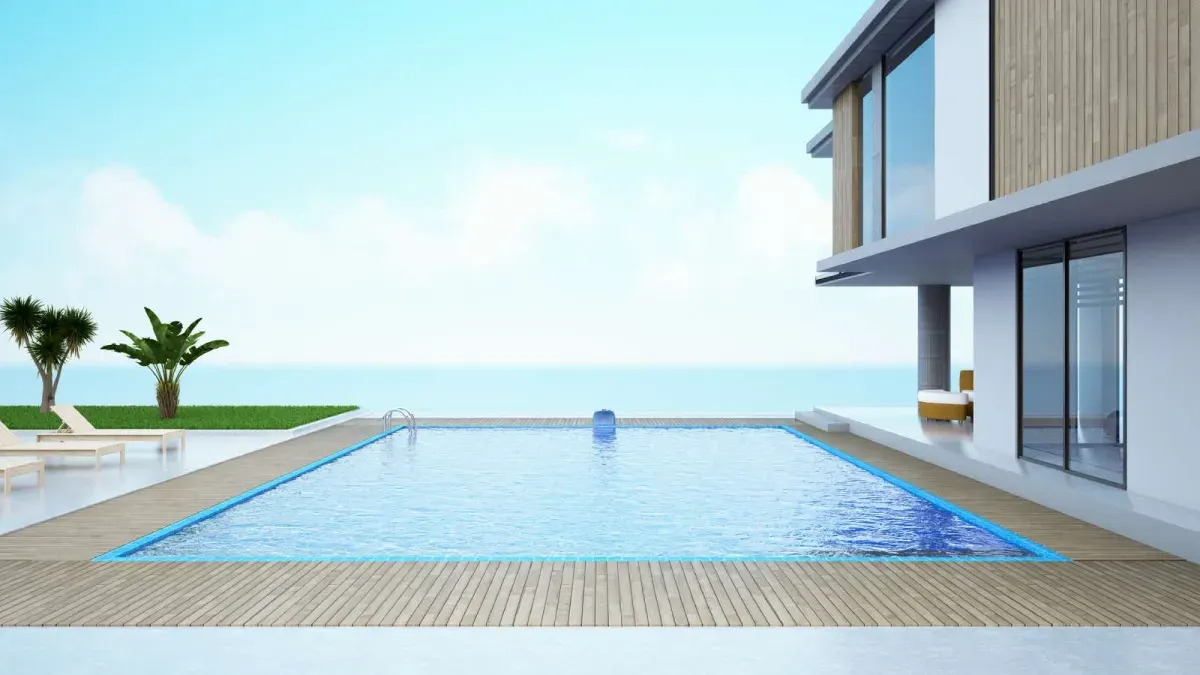
Whether you own a concrete, fibreglass, or vinyl-lined pool, understanding the most common defects helps you spot problems early. Regular professional inspections remain the most reliable way to protect your investment and keep your pool safe for the whole family.
Cracks
Cracking is one of the most frequently reported pool defects in Australia. The type of crack, its location, and its severity all influence the appropriate course of action.
Shell Cracks
Shell cracks appear on the interior surface of the pool. They can be superficial (surface crazing) or structural (extending through the shell). Surface cracks may look like fine spiderweb patterns and are often caused by shrinkage during curing. Structural cracks are wider, deeper, and typically indicate ground movement, poor construction practices, or reactive soils.
In areas of reactive clay soils, which are common across parts of Sydney, Melbourne, and Brisbane, ground movement is a leading cause of shell cracking. These cracks tend to worsen over time if the underlying cause is not addressed.
Liner Cracks
Vinyl-lined pools develop cracks and tears in the liner material. Sun exposure, chemical imbalances, and age cause the liner to become brittle. Once the liner cracks, water seeps behind it and can erode the base material, creating a more serious structural problem.
Concrete Cracks
Concrete pools are susceptible to cracking from hydrostatic pressure, thermal expansion, and poor reinforcement placement. Hairline cracks in concrete are common and may not indicate a structural concern. Cracks wider than 2mm, or those that grow over time, require professional assessment.
Leaks
Pool leaks waste water, increase chemical consumption, and can undermine the surrounding ground. Identifying the source of a leak quickly is important to prevent further damage.
Shell and Liner Leaks
A dropping water level that exceeds normal evaporation (typically 3 to 5mm per day in Australian summers) is a strong indicator of a leak. Shell leaks in concrete and fibreglass pools often originate at cracks, through fittings, or around skimmer boxes. Liner leaks in vinyl pools may occur at seams, around fittings, or where the liner has deteriorated.
Plumbing Leaks
Leaks in underground plumbing lines are harder to detect. Warning signs include soggy ground around the pool area, air bubbles in the return jets, and unexplained increases in water bills. Pressure testing the plumbing system is the standard method for confirming a plumbing leak.
Professional leak detection services use acoustic listening devices, pressure testing, and dye testing to pinpoint the exact location of a leak without unnecessary excavation.
Staining
Pool staining affects both the appearance and the water quality of a swimming pool. Stains are generally grouped into three categories.
Mineral Deposits
Iron, copper, and manganese in the water supply cause coloured staining on pool surfaces. Iron produces brown or rust-coloured stains, copper causes blue-green marks, and manganese leaves dark purple or black discolouration. Bore water and some town water supplies in regional Australia contain elevated mineral levels that increase staining risk.
Organic Matter
Leaves, berries, bark, and other organic debris that settle on the pool surface can leave tannin stains. These are most common in pools surrounded by native eucalyptus trees or overhanging vegetation.
Chemical Contaminants
Incorrect chemical dosing, spilled acid, or contact with metallic objects can leave localised stains. These often appear as distinct patches rather than the diffuse discolouration typical of mineral staining.
Identifying the stain type is the first step. A qualified pool inspector can test for mineral content and recommend the appropriate treatment method.
Scaling
Scale deposits form when minerals in the pool water precipitate out of solution and adhere to surfaces. Scaling typically appears as white or grey crusty deposits on pool walls, tiles, and equipment.
The primary causes of scaling include high pH levels (above 7.8), elevated calcium hardness (above 400 ppm), and high total alkalinity. Australian bore water is often high in calcium, making scale a persistent issue in regions that rely on bore water for pool top-ups.
Scale deposits restrict water flow through pipes and fittings, reduce the efficiency of heaters and salt chlorinators, and create rough surfaces that harbour bacteria. Regular water testing and balanced chemistry are the best defences against scaling.
Corrosion
Corrosion affects the metal components of a pool system, including ladders, handrails, light fixtures, heat exchangers, and pump components. Saltwater pools are particularly susceptible due to the chloride content in the water.
Low pH, excessive chlorine levels, and galvanic corrosion (where dissimilar metals are in contact) accelerate the breakdown of metal components. Corroded ladder anchors and handrail bases present a direct safety hazard, as they can fail under load.
Signs of corrosion include discoloured water around fittings, pitting or flaking on metal surfaces, and green or white deposits at connection points. Regular inspection of all metal components is important, especially in saltwater pool systems.
Algae and Debris
Algae growth is one of the most visible pool defects and a clear sign that water chemistry or filtration is not being properly maintained.
Green Algae
Green algae is the most common type found in Australian pools. It grows quickly in warm conditions with poor circulation and inadequate sanitiser levels. Green algae makes surfaces slippery and the water cloudy.
Black Algae
Black algae is harder to treat because it embeds itself into porous surfaces like concrete and grout. It appears as small, dark spots with deep root structures. Black algae requires aggressive brushing and targeted treatment to remove completely.
Yellow (Mustard) Algae
Yellow algae resembles sand or pollen and tends to cling to shaded walls and floors. It is resistant to normal chlorine levels and often returns after initial treatment if the underlying conditions are not corrected.
Debris accumulation in the pool and skimmer baskets blocks filtration, promotes algae growth, and stains surfaces. A consistent cleaning routine, combined with proper chemical balance, is the primary defence against algae.
Preventive Maintenance Strategies
Preventing pool defects is far less expensive than repairing them. A structured maintenance programme should include the following measures.
Annual professional inspections. A licensed inspector can identify early signs of cracking, leaking, corrosion, and structural movement that are not visible to the untrained eye. Annual inspections provide a documented record of the pool's condition over time.
Regular cleaning. Brush pool walls and floors weekly to prevent algae establishment. Clean skimmer baskets and pump strainers regularly to maintain filtration efficiency.
Water chemistry management. Test pool water at least weekly during summer and fortnightly in winter. Maintain pH between 7.2 and 7.6, chlorine between 1 and 3 ppm, and calcium hardness between 200 and 400 ppm. Proper water balance prevents scaling, corrosion, and staining.
Pool covers. A pool cover reduces evaporation, limits debris entry, and helps maintain water temperature. Covers also reduce chemical consumption by limiting UV degradation of chlorine.
Equipment maintenance. Service the pump, filter, chlorinator, and heater according to manufacturer recommendations. Replace worn seals, o-rings, and gaskets before they fail and cause leaks.
When to Call a Professional Inspector
Some pool issues can be managed by the homeowner with routine maintenance. Others require a professional assessment. You should arrange an inspection if you notice any of the following: water loss beyond normal evaporation, visible cracks that are widening or growing, persistent algae despite proper chemical treatment, soft or sinking ground around the pool, or equipment that is corroding or failing prematurely.
Owner Inspections provides pool inspection services across NSW, VIC, and QLD. Our licensed inspectors assess pool structure, equipment, safety barriers, and compliance with Australian Standards.
Frequently Asked Questions
How often should a swimming pool be professionally inspected?
A swimming pool should be professionally inspected at least once a year. Annual inspections catch developing defects before they become expensive repairs.
Pools in areas with reactive soils, high water tables, or extreme weather conditions may benefit from inspections every six months. New pools should be inspected within the first 12 months to identify any construction-related defects covered under warranty.
Can I inspect my pool for defects myself?
You can perform basic visual checks, but professional inspectors use specialised equipment and training to detect hidden defects that are not visible to the untrained eye.
Homeowners should regularly check for visible cracks, monitor water levels, and test water chemistry. Structural assessment, leak detection, and compliance checks require professional expertise and equipment such as pressure testing rigs and acoustic listening devices.
What are the early warning signs of a pool leak?
Common signs include a water level that drops more than 5mm per day, soggy ground around the pool, increased water bills, and air bubbles in the return jets.
You can perform a simple bucket test to distinguish between evaporation and a leak. Fill a bucket with pool water, place it on the pool step, and mark the water level inside and outside the bucket. After 24 hours, if the pool level has dropped more than the bucket level, you likely have a leak.
Do pool covers help prevent defects?
Yes. Pool covers reduce debris accumulation, limit chemical degradation from UV exposure, and decrease evaporation, all of which help prevent staining, scaling, and algae growth.
Covers also reduce the thermal stress on pool surfaces by moderating temperature fluctuations. During winter, a cover prevents leaves and organic matter from settling and staining the pool surface.
How does weather affect pool defects in Australia?
Extreme heat accelerates chemical degradation and increases evaporation. Heavy rainfall can raise the water table and create hydrostatic pressure beneath the pool shell, leading to cracking or lifting.
Prolonged drought causes soil shrinkage around the pool, increasing the risk of ground movement and shell cracking. Coastal pools face additional challenges from salt-laden air, which accelerates corrosion of metal components.
How can I prevent algae growth in my pool?
Maintain proper chlorine levels (1 to 3 ppm), run the filtration system for 8 to 12 hours daily, brush pool walls weekly, and keep the water balanced. These measures deny algae the conditions it needs to grow.
Algae thrives in warm, stagnant water with low sanitiser levels. Ensuring good water circulation, removing debris promptly, and shocking the pool after heavy use or rainfall all contribute to algae prevention.
When should I consult a professional about pool staining?
Consult a professional if stains persist after standard treatment, if the stain type is unclear, or if staining recurs repeatedly despite treatment.
A professional can test the water and surface material to determine the exact cause. Some stains require acid washing or resurfacing, which should only be performed by qualified tradespeople to avoid damaging the pool finish.
What technology is used to detect pool defects?
Professional inspectors use pressure testing equipment, acoustic leak detection devices, dye testing kits, moisture meters, and thermal imaging cameras to locate and assess pool defects.
Pressure testing identifies plumbing leaks by isolating each line and measuring pressure loss. Acoustic devices amplify the sound of water escaping through cracks or joints. Thermal imaging can detect temperature variations that indicate water loss behind pool walls or beneath surrounding paving.
Does pool location affect the likelihood of defects?
Yes. Pools built on reactive clay soils, near large trees, or in areas with high water tables are more prone to structural defects including cracking and ground movement.
Tree roots can exert significant pressure on pool shells and plumbing. Pools on sloping sites face additional challenges with drainage and hydrostatic pressure. Coastal locations increase corrosion risk from salt exposure.
What are the most common pool maintenance mistakes?
The most common mistakes include neglecting water chemistry testing, running the filter for too few hours, ignoring small cracks, allowing debris to accumulate, and skipping annual professional inspections.
Many homeowners also make the mistake of adding chemicals without testing first, which can push pH or chlorine to damaging levels. Overdosing acid causes surface etching, while excessive chlorine accelerates corrosion of metal fittings and equipment.
Key Takeaways
- Cracks, leaks, staining, scaling, corrosion, and algae are the six most common pool defect categories in Australia
- Structural cracks wider than 2mm or that grow over time require professional assessment
- Water loss exceeding 3 to 5mm per day indicates a likely leak that needs investigation
- Proper water chemistry (pH 7.2 to 7.6, chlorine 1 to 3 ppm) prevents most scaling, corrosion, and staining issues
- Saltwater pools are particularly susceptible to corrosion of metal components
- Annual professional inspections catch developing problems before they become expensive repairs
- Pool covers reduce debris, evaporation, and chemical degradation, helping to prevent multiple defect types
- Reactive clay soils, tree roots, and high water tables increase the risk of structural pool defects
References and Resources
Related Articles
Construction Defect Inspection: Identify and Prevent Issues
Construction defect inspections systematically assess property structure, materials, and workmanship to identify faults and ensure compliance with Australian Building Codes.
What Does a Building Inspection Cover?
Building inspections serve as a critical investment safeguard, examining structural integrity, electrical systems, plumbing, and more before property purchase.

How Often Are Buildings Inspected in Australia?
Regular building inspections are essential for maintaining safety. Australia implements mandatory checks for new construction and optional assessments for existing buildings.
Need a Pool Inspection?
Our licensed inspectors assess swimming pools for structural defects, leaks, and safety compliance across NSW, VIC, and QLD.