

The Australian real estate market moves quickly, and buyers can feel pressured to skip inspections to speed up the process. However, the cost of an inspection, typically between $300 and $800, is minor compared to the financial exposure of discovering serious defects after settlement. This guide explains what a pre-purchase inspection covers, what it can uncover, and what happens when buyers skip this step.
What Is a Pre-Purchase Home Inspection?
A pre-purchase home inspection evaluates a property's condition before the buyer finalises the purchase. It identifies existing or potential defects that might not be visible to an untrained eye, helping buyers understand the true condition of the property and whether it represents a sound investment.
Types of Pre-Purchase Inspections
| What It Covers | Why It Matters | |
|---|---|---|
| Structural Inspection | Foundation, walls, roof, and load-bearing components | Structural weaknesses can lead to costly repairs and safety hazards |
| Pest Inspection | Termites, rodents, wood rot, and other pest activity | Pest damage is often difficult to detect but significantly impacts property value |
| Electrical Inspection | Wiring, electrical panels, safety switches, and fire hazard assessment | Older homes often have outdated wiring that may not meet modern safety standards |
| Plumbing Inspection | Water systems, drainage, pipe condition, and leak detection | Hidden leaks and blocked drains can cause structural damage and high repair costs |
Buying soon? Start with the full inspection guide
Learn what a pre-purchase building and pest inspection covers, when to book it, what it may cost, and how it helps you avoid expensive surprises.
Inspection Guide
Common Issues Uncovered
Structural Defects
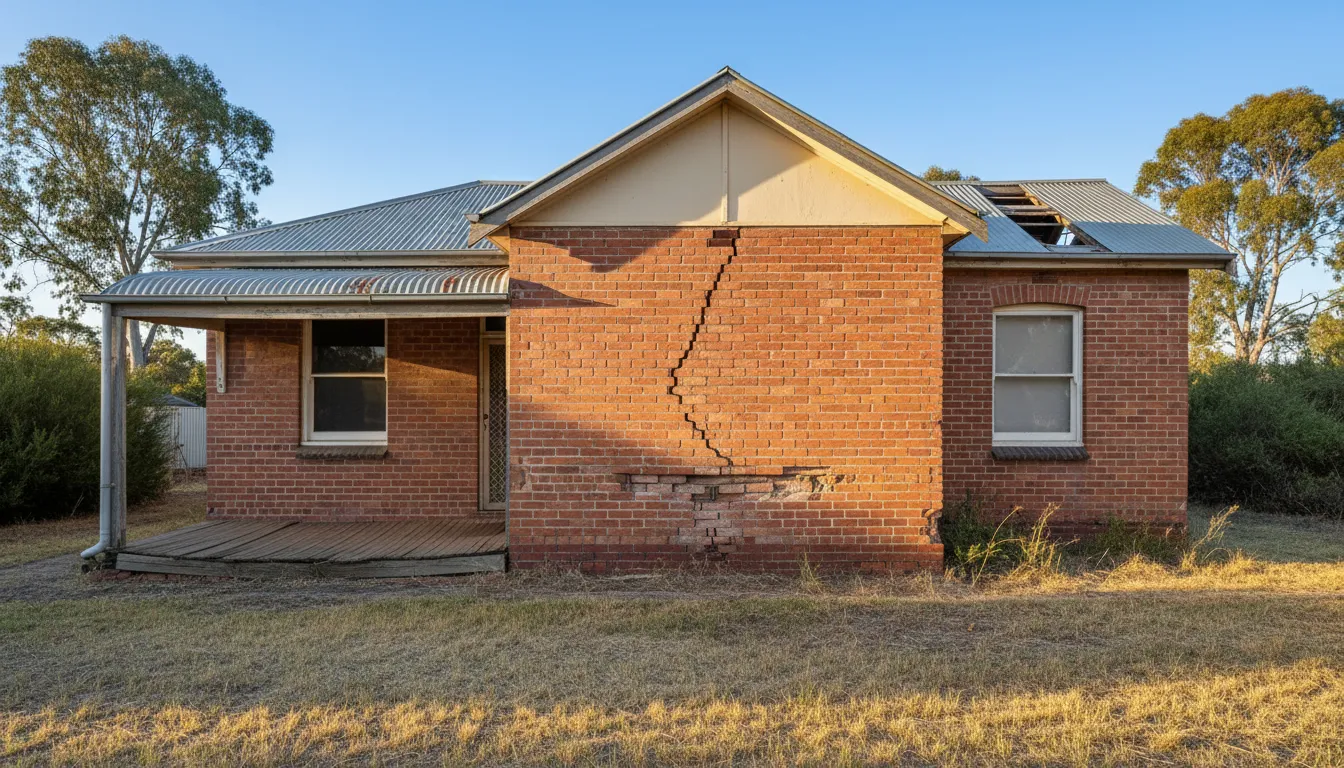
- Foundation cracks lead to instability and costly foundation repairs
- Roofing problems cause water leaks, leading to mould and interior damage
- Sagging floors or uneven walls indicate movement or settling that can be expensive to correct
Pest Infestations
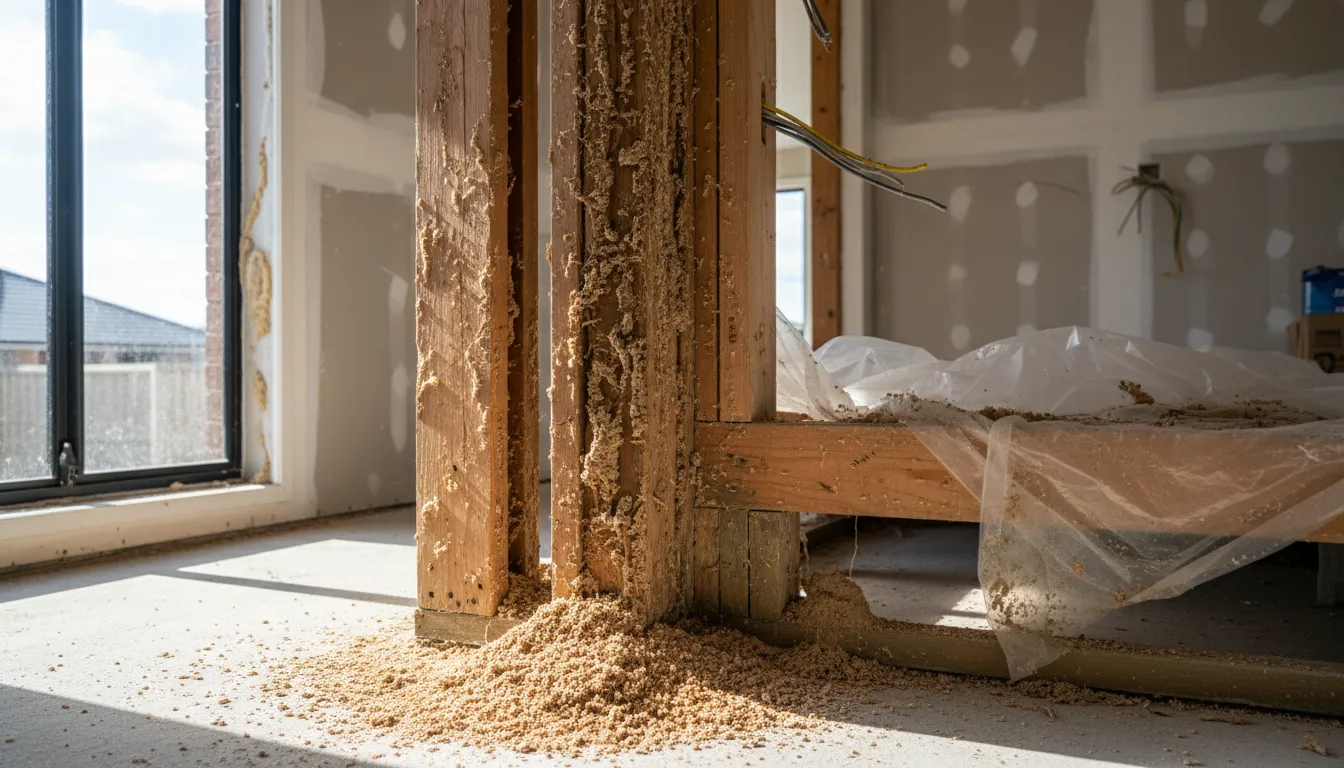
- Termites can weaken wooden structures, leading to costly repairs and safety hazards
- Rodents damage wiring, increasing fire risks, and contaminate insulation
Plumbing and Electrical Problems
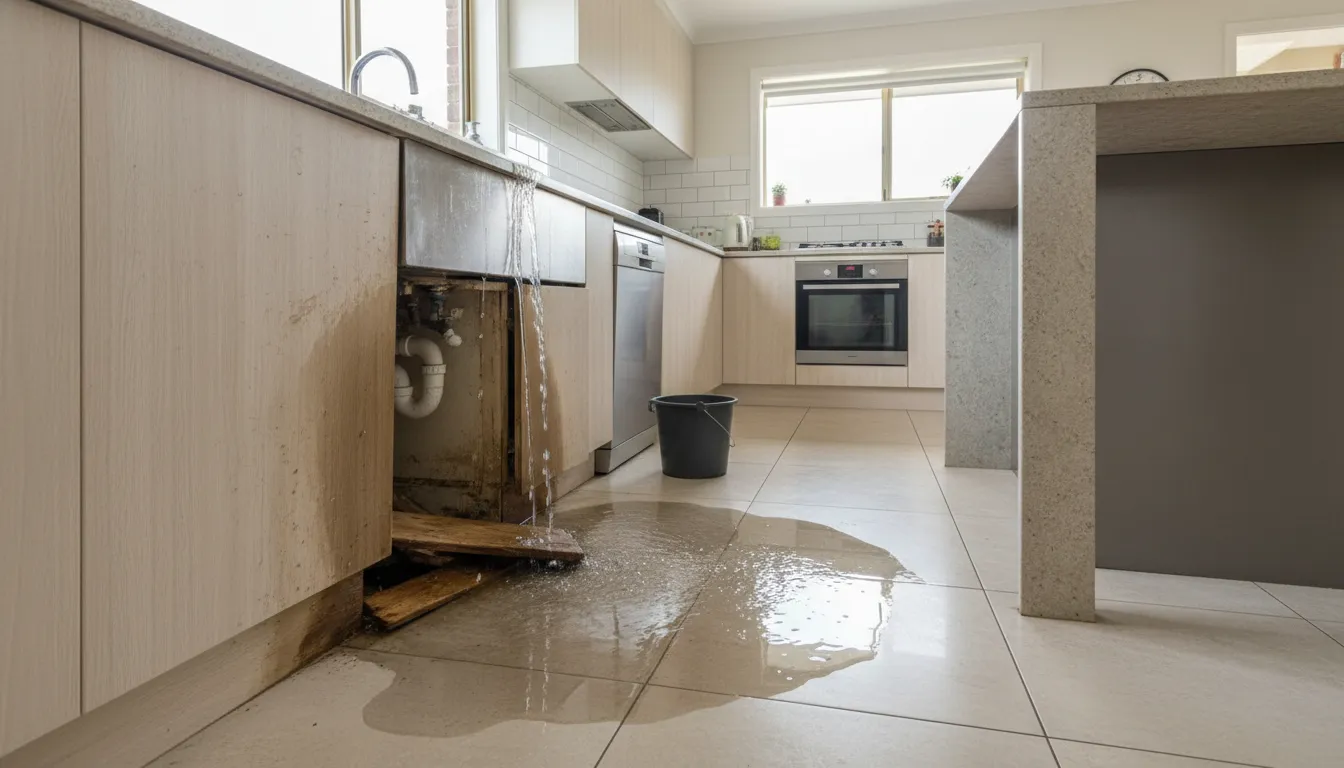
- Leaking pipes cause water damage and encourage mould growth, affecting indoor air quality
- Outdated wiring may not comply with current safety standards, posing a fire hazard and increasing insurance costs
Building Code Compliance
Some properties may have been altered without proper approvals, leading to legal complications, fines, or costly remedial work to meet regulatory requirements. A pre-purchase inspection can identify unapproved additions, modifications, or non-compliant installations before you commit to the purchase.
A buyer in Melbourne purchased a property without an inspection and later faced $50,000 in foundation repairs. A pre-purchase inspection would have identified the issue and allowed them to negotiate the price or walk away from the deal.
Benefits of a Pre-Purchase Inspection
Informed Decision-Making
A detailed inspection report gives buyers a clear understanding of the property's condition. This allows them to proceed with confidence or walk away if the defects are too serious. Making a well-informed decision reduces financial stress and protects the buyer's long-term interests.
Negotiation Leverage
A report documenting defects gives buyers strong grounds to negotiate repairs or price reductions with the seller. If significant issues are found, buyers can request that the seller fix them before settlement or reduce the price to compensate for the cost of repairs.
Future Planning
Identifying potential issues early lets buyers budget for future maintenance and avoid costly emergency repairs. Planning ahead can save thousands of dollars in unexpected expenses over the life of the property.
Insurance Advantages
Some insurance companies may offer better rates for properties with a clean inspection report. Properties with major defects may face higher premiums or even denial of coverage, making it harder to insure your home properly.
Want to know what inspectors actually check?
Use this buyer-friendly checklist to see the main structural, pest, plumbing, electrical, and safety items worth reviewing before you commit.
Inspection Checklist
Risks of Skipping the Inspection
Pros
- Defects are identified before purchase, preventing unexpected costs
- Buyers have evidence to negotiate price reductions or repairs
- Building code compliance issues are flagged before settlement
- Insurance applications are supported by documented property condition
Cons
- Hidden defects may cost tens of thousands of dollars to repair after purchase
- Safety hazards such as faulty wiring or mould may put occupants at risk
- Property value may drop if unresolved defects deter future buyers
- No evidence for insurance claims if pre-existing damage is later discovered
Unexpected Repair Costs
Undetected problems can lead to large post-purchase repair bills, turning what seemed like a good deal into a financial burden. Foundation repairs, rewiring, and termite damage remediation are among the most expensive surprises buyers face.
Safety Hazards
Compromised structural integrity, faulty wiring, or hidden mould can put occupants at risk. In extreme cases, these issues can lead to health problems or accidents that could have been avoided with a pre-purchase inspection.
Decreased Property Value
A home with unresolved defects can lose value over time, making it harder to sell in the future. Even minor defects can become significant selling obstacles if left unaddressed for years.
How to Choose a Qualified Inspector
Questions to Ask
- What areas does the inspection cover?
- Can I see a sample report?
- Do you provide follow-up consultations for report clarification?
- Are you independent of the selling agent?
Key Takeaways
- Research shows approximately 70% of Australian homes have major building defects, making pre-purchase inspections a necessity.
- Inspections cover structural, pest, electrical, and plumbing conditions, identifying issues that are not visible to untrained buyers.
- The cost of an inspection, typically $300 to $800, is minor compared to the potential cost of hidden defects discovered after settlement.
- A detailed report gives buyers negotiation leverage to request repairs or price reductions.
- Skipping the inspection risks unexpected repair costs, safety hazards, and decreased property value.
- Choose an independent, licensed inspector with professional indemnity insurance and no ties to the selling agent.
- Even new homes can have defects, so inspections are recommended regardless of the property's age.
Frequently Asked Questions
What does a pre-purchase home inspection cover?
A comprehensive assessment of the property's structural, pest, electrical, and plumbing conditions. The inspection identifies defects, safety hazards, and compliance issues that could affect the property's value or the buyer's safety. Reports include photographs, severity ratings, and recommendations.
How much does a pre-purchase inspection cost in Australia?
Costs typically range between $300 and $800 depending on the property's size, location, and the scope of the inspection. A combined building and pest inspection is at the higher end but provides the most complete picture. The cost is minor compared to the potential expense of discovering serious defects after purchase.
Can I attend the inspection?
Yes, and it is recommended. Attending the inspection allows you to ask questions, see the defects firsthand, and gain a better understanding of the property's condition. Most inspectors welcome buyers being present during the assessment.
How long does a pre-purchase inspection take?
A thorough inspection usually takes 1.5 to 3 hours depending on the property's size and complexity. Larger homes or properties with additional structures like granny flats or pools will take longer. Reports are typically delivered within 24 to 48 hours.
What happens if issues are found during the inspection?
You can negotiate repairs with the seller, request a price reduction to cover the cost of fixing the defects, or reconsider your purchase entirely. The inspection report provides the documented evidence you need to support your position during negotiations.
Are pre-purchase inspections mandatory in Australia?
No, they are not legally required. However, they are strongly recommended by consumer protection bodies, real estate professionals, and mortgage lenders. Skipping the inspection means buying a property without a clear understanding of its true condition and the risks involved.
How do I find a reputable home inspector?
Search for licensed and accredited inspectors in your area, read reviews, and request sample reports. Verify their credentials with the relevant state regulatory body. Choose an inspector who is independent of the selling agent to ensure an unbiased assessment.
Can a pre-purchase inspection report be used for negotiation?
Yes. A detailed report documenting defects gives buyers strong evidence to negotiate price reductions or request that the seller complete repairs before settlement. Sellers are more likely to agree to reasonable adjustments when presented with independent professional evidence.
How often should home inspections be conducted after purchase?
It is advisable to inspect your home every 2 to 5 years to identify maintenance needs early. Properties in areas prone to termites, flooding, or extreme weather should be inspected more frequently. Regular inspections help catch developing issues before they become expensive problems.
Do new homes also need a pre-purchase inspection?
Yes. Even newly built homes can have construction defects, compliance issues, or incomplete work. Common problems in new builds include waterproofing failures, poor finishes, and drainage issues. An independent inspection before settlement protects buyers from inheriting defects that should be fixed by the builder.
References and Resources
- Australian Housing and Urban Research Institute (AHURI) - Research on building defects in Australian housing
- NSW Fair Trading - Buying Property - Buyer rights and property inspection guidance
- Consumer Affairs Victoria - Victorian buyer protections
- Standards Australia - AS 4349.1 - Australian Standard for building inspections
Related Articles
Pre-Purchase Inspection Checklist for Buyers
A pre-purchase inspection checklist helps buyers assess property condition before committing. Covers structural, electrical, plumbing, roofing, and pest checks.

Decoding Pre-Purchase Inspection Reports
Understanding your pre-purchase inspection report is essential for making confident purchasing decisions. Learn how to decode technical findings and identify significant problems.
Pre-Purchase Defect Report for Buyers
A pre-purchase defect report provides an independent, expert assessment of a property's condition before you buy. It identifies structural defects, pest damage, electrical faults, plumbing issues, and safety hazards that could cost thousands to repair. Licensed building inspectors conduct these reports in line with Australian Standard AS 4349.1, giving buyers the information they need to make a confident purchasing decision.
Need a Pre-Purchase Inspection?
Our licensed inspectors cover Sydney, Melbourne, and all major Australian cities.