
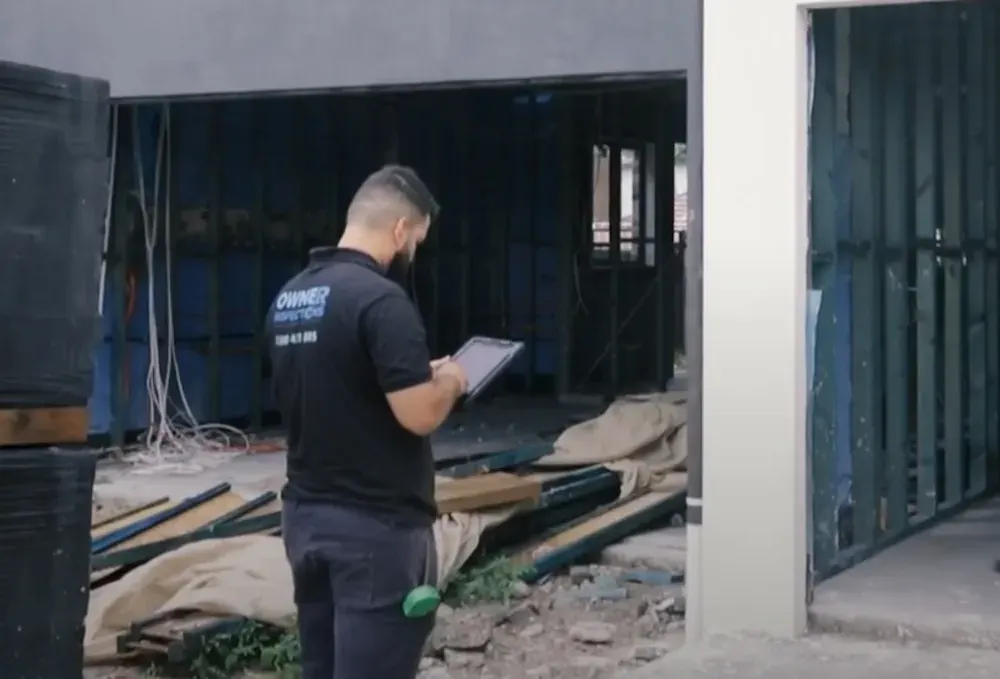
Brisbane's continuous construction and development activity means dilapidation reports are frequently required by Brisbane City Council as a condition of development approval. Even when not mandated, property owners and developers commission them as a protective measure.
The quality of a dilapidation report depends entirely on the qualifications and experience of the person who prepares it. This guide explains who is qualified, what each type of professional brings, and how to make sure you choose the right person for the job.
What Is a Dilapidation Report?
A dilapidation report is a detailed record of a property's existing condition at a specific point in time, typically prepared before construction, demolition, or excavation work begins on a neighbouring or nearby site.
The report includes written descriptions and high-resolution photographs of all accessible areas, both internal and external, documenting every existing crack, defect, stain, or area of wear. This creates a baseline that can be compared against a post-construction inspection to determine whether any new damage was caused by the nearby works.
A dilapidation report protects both the property owner (who has evidence if damage occurs) and the developer or builder (who can defend against claims of damage that was pre-existing). It benefits everyone involved.
Why the Preparer Matters
The value of a dilapidation report is only as strong as the professional who prepares it. A poorly prepared report, with low-quality photos, vague descriptions, or incomplete coverage, will not stand up in a dispute, insurance claim, or legal proceeding.
A qualified professional:
- Understands what to document and why, covering all accessible areas systematically
- Uses high-resolution photography with clear labelling and references
- Provides written descriptions that distinguish between types of cracking, movement, wear, and damage
- Prepares reports in a structured format that allows easy comparison with a post-construction assessment
- Is accepted as a credible source by councils, insurers, lawyers, and tribunals
Who Is Qualified to Prepare a Dilapidation Report?
Three types of professionals are commonly engaged to prepare dilapidation reports in Brisbane:
Licensed Building Inspectors
Licensed building inspectors are the most commonly engaged professionals for dilapidation reports on residential and small commercial properties in Brisbane. They hold licences recognised by the QBCC and have practical experience assessing building conditions across a wide range of property types.
- Broad knowledge of building materials, construction methods, and common defects
- Experience with residential, commercial, and strata properties
- Familiar with Brisbane's local conditions including soil types, climate impacts, and construction practices
- Produce comprehensive photographic reports suitable for dispute resolution
Structural Engineers
Registered structural engineers are typically engaged when there are specific concerns about the structural integrity of a building, or when the nearby construction work involves deep excavation, piling, or other activities that pose a higher risk of causing structural damage.
- Expertise in load-bearing elements, foundations, retaining walls, and structural systems
- Able to provide technical analysis of structural risks from nearby construction
- Reports include technical detail such as crack width measurements, floor level surveys, and structural assessments
- Higher cost but appropriate for complex or high-risk situations
Qualified Surveyors
Building surveyors bring precision measurement skills and are particularly useful when boundary conditions, land levels, or the relationship between the property and surrounding infrastructure need to be documented.
- Precision measurement of site levels, floor levels, and boundary conditions
- Useful where ground movement or changes to site levels are a concern
- Often engaged alongside a building inspector or structural engineer for comprehensive documentation
Comparing Qualified Professionals
| Best For | Typical Cost (AUD) | Report Focus | |
|---|---|---|---|
| Licensed Building Inspector | Standard residential and commercial dilapidation reports | $500 to $1,000 | Overall property condition, photographic documentation, defect identification |
| Structural Engineer | Properties at risk of structural damage from nearby deep excavation, piling, or demolition | $1,000 to $3,000+ | Structural integrity, crack monitoring, foundation assessment, technical analysis |
| Building Surveyor | Situations requiring precise measurements of levels, boundaries, or ground conditions | $800 to $2,000 | Precision measurements, floor levels, site levels, boundary documentation |
For most residential dilapidation reports in Brisbane, a licensed building inspector provides the best balance of thoroughness, cost, and report quality. Structural engineers or surveyors may be needed in addition if the risk level is higher.
The Process of Creating a Dilapidation Report
Understanding the process helps you evaluate whether the professional you hire is following best practices.
Initial consultation
The professional discusses the scope of the report with the client, including which properties will be inspected, any specific areas of concern, and the timeline. The reason for the report (council requirement, developer request, or owner-initiated) is confirmed.
Property inspection
The inspector visits the property and systematically assesses every accessible area, both internal and external. This includes walls, ceilings, floors, foundations (where accessible), roof space, exterior surfaces, driveways, paths, retaining walls, and fencing. High-resolution photographs are taken of every area, with close-ups of existing cracks, defects, stains, and wear.
Report compilation
The collected data (notes, measurements, photographs) is organised into a structured report. Each area of the property has its own section with photographs and written descriptions. Every existing condition is documented, no matter how minor.
Review and delivery
The report is reviewed for accuracy, completeness, and consistency before being delivered to the client. Delivery is typically within 3 to 5 business days. Both digital and hard-copy formats are usually available.
What to Look for When Hiring
- Avoid professionals who offer the cheapest price without demonstrating relevant experience
- Avoid anyone who cannot provide proof of licensing or insurance
- Avoid reports that are generic templates with minimal photographs or descriptions
When Is a Dilapidation Report Required in Brisbane?
- When Brisbane City Council includes it as a condition of development approval for the nearby construction project
- Before demolition, excavation, or piling work that could affect neighbouring properties
- Before major infrastructure works (road construction, tunnel boring, utility installation) near residential or commercial properties
- When a property owner wants to create a baseline record as a precautionary measure, even without a council requirement
- When a body corporate wants to protect common property before nearby construction begins
Key Takeaways
- A dilapidation report in Brisbane should be prepared by a licensed building inspector, registered structural engineer, or qualified building surveyor.
- For standard residential properties, a licensed building inspector provides the best combination of thoroughness, cost, and report quality.
- Structural engineers are recommended when there are specific concerns about structural risk from nearby deep excavation or piling.
- The professional must be independent of both the property owner and the party carrying out the construction work.
- Always verify the preparer's QBCC licence (or equivalent), professional indemnity insurance, and experience with dilapidation reports specifically.
- Brisbane City Council frequently requires dilapidation reports as a condition of development approval.
- A well-prepared report is accepted as evidence by councils, insurers, courts, and tribunals.
Frequently Asked Questions
Who is qualified to prepare a dilapidation report in Brisbane?
A dilapidation report should be prepared by a licensed building inspector, a registered structural engineer, or a qualified building surveyor with experience in property condition assessments. For most residential properties, a licensed building inspector is the most common and cost-effective choice. The professional should hold a current QBCC licence or equivalent and carry professional indemnity insurance.
Can I prepare my own dilapidation report?
While you can take your own photographs as a personal record, a self-prepared document does not carry the same weight as a professional dilapidation report in a dispute, insurance claim, or legal proceeding. Councils, insurers, and courts expect reports prepared by licensed, independent professionals with appropriate qualifications.
Do I need a structural engineer or a building inspector for a dilapidation report?
For most standard residential dilapidation reports, a licensed building inspector is sufficient. A structural engineer is recommended when there are specific concerns about structural risk, such as nearby deep excavation, piling, or demolition of a substantial structure. In some cases, both professionals may be engaged to provide complementary assessments.
How much does a dilapidation report cost in Brisbane?
A standard residential dilapidation report prepared by a licensed building inspector in Brisbane typically costs between $500 and $1,000. Reports prepared by structural engineers cost more, usually $1,000 to $3,000 or above, reflecting the additional technical analysis involved. Costs vary based on property size and the scope of the assessment.
Is a dilapidation report required by Brisbane City Council?
Brisbane City Council frequently includes dilapidation report requirements as a condition of development approval, particularly for projects involving excavation, demolition, or construction near existing buildings. The condition typically specifies that dilapidation reports must be prepared for neighbouring properties before construction begins. Check the development approval conditions for the specific project near your property.
What should be included in a dilapidation report?
A thorough dilapidation report includes high-resolution photographs of every accessible area (internal and external), written descriptions of all existing conditions and defects, the date of the inspection, the name and qualifications of the preparer, and a clear structure that allows comparison with a post-construction assessment. Every crack, stain, area of wear, and existing defect should be documented.
How long does a dilapidation inspection take?
The on-site inspection for a standard residential property in Brisbane usually takes between 1 and 3 hours, depending on the property size and complexity. The written report is typically delivered within 3 to 5 business days after the inspection.
Can a regular home inspector prepare a dilapidation report?
Not all home inspectors have the specific experience and methodology required for dilapidation reports. While the skills overlap, dilapidation reports require a systematic approach to documenting the existing condition of every area as a baseline for future comparison. Always ask whether the inspector has specific experience with dilapidation reports and request a sample report before engaging them.
Who keeps the dilapidation report?
Copies of the dilapidation report are typically retained by the property owner, the developer or builder responsible for the nearby construction, and the council (if it was a condition of development approval). Both the property owner and the developer should have access to the same report to ensure transparency.
Do I need a dilapidation report for small construction projects near my property?
It is recommended even for smaller projects. Any construction, demolition, or excavation work near your property has the potential to cause vibration, drainage changes, or other impacts that could damage your building. A dilapidation report provides the documented evidence you need to prove any new damage was caused by the nearby works, regardless of the project size.
References and Resources
- Queensland Building and Construction Commission (QBCC) - Licensing and building standards in Queensland
- Brisbane City Council - Development Applications - Council requirements for development approvals
- National Construction Code (NCC) - Australian Building Codes Board
- Engineers Australia - National body for registered engineers
Related Articles
Dilapidation Reports
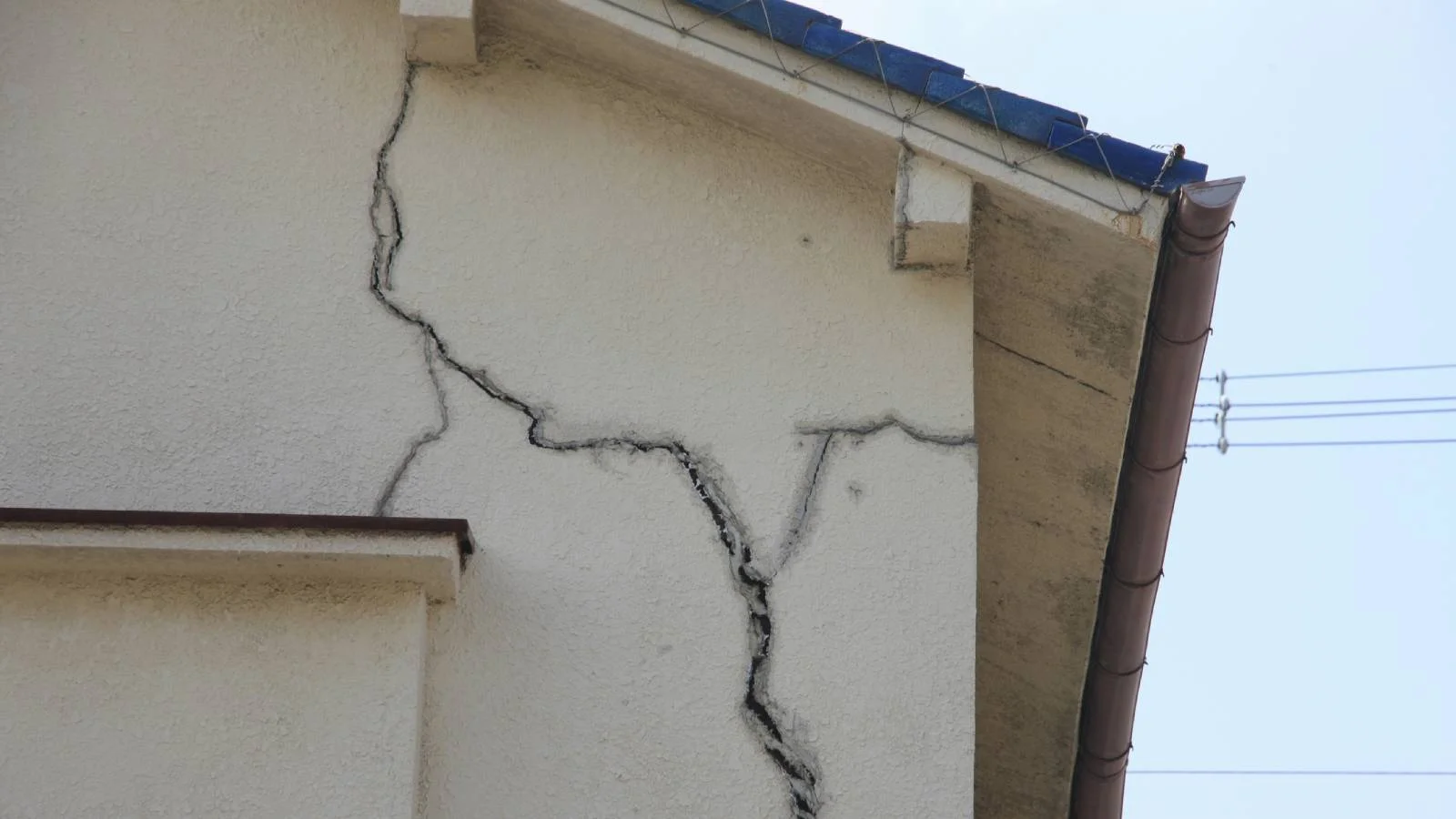
Dilapidation Report Process: A Walkthrough of Key Steps
Dilapidation reports serve as comprehensive property condition snapshots before nearby construction commences. Learn the six-step process from consultation to delivery.
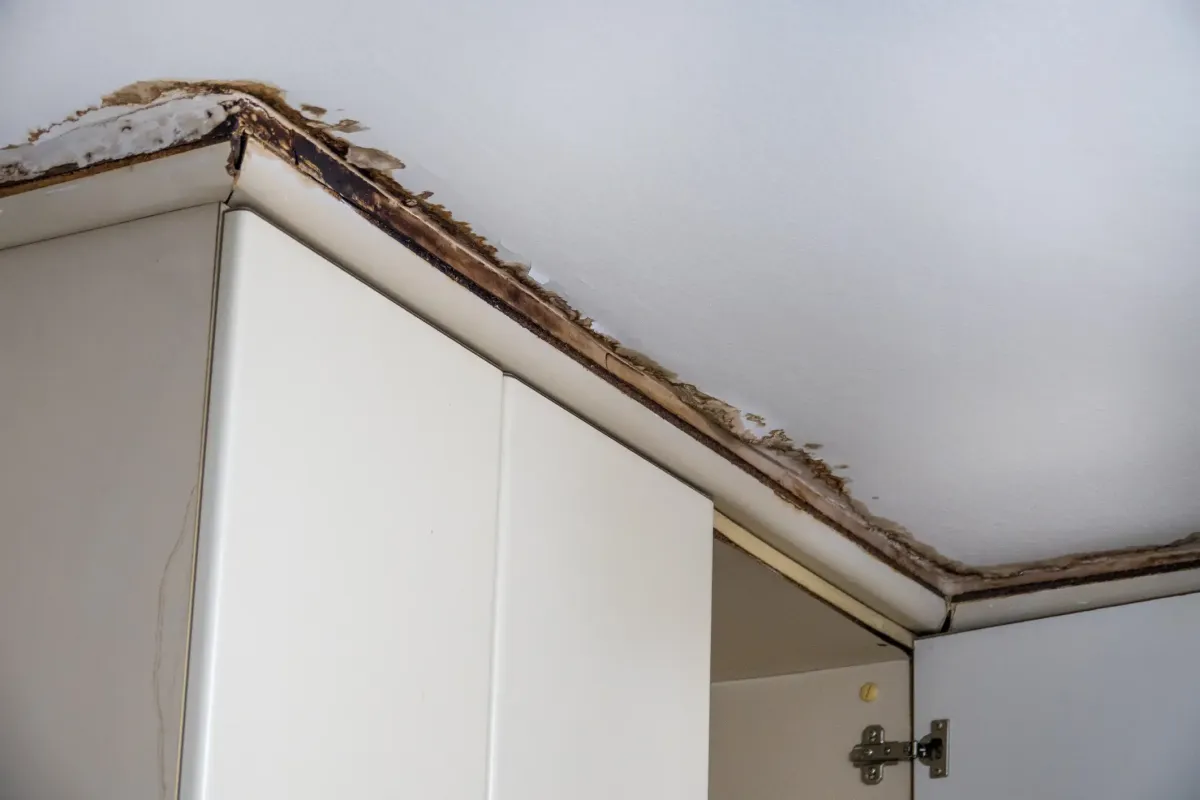
Dilapidation Reports for Local Councils
Local councils across Australia require dilapidation reports to protect public infrastructure and resolve disputes before construction projects begin. These formal assessments document existing property conditions and provide a baseline for comparison after work is completed. This guide covers when reports are mandatory, what they include, and how councils use them.
Need a professional dilapidation report in Brisbane? Owner Inspections provides thorough, independently prepared dilapidation reports across Brisbane and surrounding Queensland areas. Our licensed inspectors deliver detailed photographic reports that protect your property. Get a quote today or call us on 1300 471 805.