
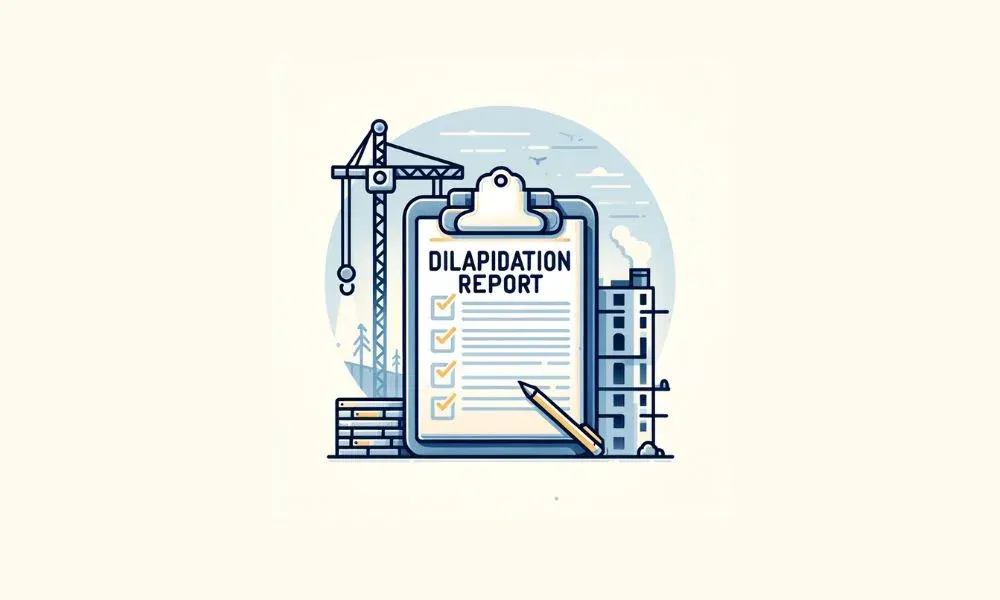
Australia's construction market was valued at approximately AUD 228.68 billion in 2023 and is projected to reach AUD 298.63 billion by 2028. This remarkable growth brings with it an urgent need to safeguard properties adjacent to construction sites from potential damage. Dilapidation reports have become an essential tool for property owners, builders, and developers seeking to protect their interests and maintain accountability throughout the construction process.
Whether you are a homeowner concerned about a neighbouring development, a builder wanting to protect yourself from unfounded damage claims, or a developer managing a large-scale project, understanding dilapidation reports is crucial. This comprehensive guide will walk you through everything you need to know about dilapidation reports in Australia, from their purpose and process to how to read and use them effectively.
Construction activities can cause significant disruption to surrounding properties. From vibrations that crack walls to excavation work that shifts foundations, the potential for damage is real and often costly. A dilapidation report provides the documented evidence needed to establish what existed before construction began, creating a clear baseline for any future comparisons.
A dilapidation report is not just a document; it is your insurance policy against construction-related disputes. Without one, proving whether damage occurred before or after construction becomes virtually impossible.
What is a Dilapidation Report?
A dilapidation report, also known as a condition report or survey, is an independent document that records the existing condition of a property before nearby construction work begins. It serves as an objective baseline that can be used for comparison after construction is completed, helping to determine whether any damage has occurred as a result of the building works.
The report is typically prepared by a qualified building inspector who conducts a thorough examination of the property, documenting all existing defects, cracks, damage, and wear. This documentation includes detailed written descriptions, photographs, and measurements that create an irrefutable record of the property's condition at a specific point in time.
Dilapidation reports are commonly commissioned for properties within a certain radius of proposed construction works. The distance typically depends on the scale and nature of the construction, with major projects often requiring reports for properties within 50 metres or more of the site boundary.
Key Components of a Dilapidation Report
A comprehensive dilapidation report typically includes the following elements:
- Property identification: Full address, property type, and description of the building including its age, construction type, and general characteristics.
- Date and time of inspection: Establishing exactly when the report was prepared to create a clear timeline.
- Weather conditions: Noting environmental factors that may affect the inspection or the property's condition.
- Photographic evidence: High-resolution photographs documenting all areas of the property, with particular attention to existing defects.
- Written descriptions: Detailed narrative descriptions of each area inspected and any defects observed.
- Measurements: Where applicable, measurements of cracks, gaps, or other defects to allow for quantitative comparison.
- Inspector credentials: Details of the inspector's qualifications, licensing, and professional indemnity insurance.
Purpose of Dilapidation Reports
Dilapidation reports serve multiple important purposes in the construction industry, benefiting property owners, builders, and the broader community. Understanding these purposes helps stakeholders appreciate the value of investing in a quality report.
Protecting Property Owners from Construction Damages
For property owners, a dilapidation report provides crucial evidence should damage occur to their property during nearby construction. Without a pre-construction record, it becomes extremely difficult to prove that damage was caused by construction activities rather than pre-existing conditions or natural deterioration.
The report allows property owners to make informed claims for compensation or repairs, backed by documented evidence. This protection extends to all aspects of the property, including structural elements, finishes, landscaping, fencing, driveways, and any other features that could potentially be affected by construction activities.
Defending Builders Against Exaggerated Claims
Builders and construction companies benefit equally from dilapidation reports. By documenting existing conditions before work begins, builders protect themselves from unfounded or exaggerated damage claims. Property owners may sometimes attribute pre-existing defects to construction activities, either intentionally or through genuine misunderstanding.
A comprehensive dilapidation report provides builders with documentary evidence to defend against such claims, potentially saving significant costs in disputed compensation or legal proceedings. This protection is particularly valuable given the high stakes involved in construction projects.
Promoting Construction Safety and Accountability
Beyond protecting individual interests, dilapidation reports contribute to broader construction safety and accountability. They encourage builders to implement appropriate protective measures and construction methods to minimise impacts on neighbouring properties.
The knowledge that property conditions have been documented creates an additional layer of accountability. Construction teams are more likely to take care when they know that any damage can be objectively measured and attributed. This ultimately leads to better construction practices and reduced incidents of property damage.
When and Why Dilapidation Reports Are Needed
Dilapidation reports are recommended or required in various circumstances, depending on the nature and scale of construction activities. Understanding when these reports are necessary helps property owners and builders plan appropriately.
Major Construction Projects
Large-scale construction projects, including the construction of new buildings, major renovations, and works involving heavy machinery, typically warrant dilapidation reports for adjacent properties. These projects generate significant vibrations, noise, and ground disturbance that can affect neighbouring structures.
New high-rise developments, for example, involve extensive foundation work, piling, and heavy crane operations that can transmit vibrations through the ground over considerable distances. Even smaller projects involving excavators, concrete trucks, and other heavy equipment can cause damage to nearby properties if appropriate precautions are not taken.
Underground Work
Infrastructure projects involving underground work present particular risks to surrounding properties. This includes tunnel construction, underground railway developments, deep basement excavations, and utility installations. Such works can cause ground movement, soil displacement, and vibrations that affect nearby building foundations.
The risks associated with underground work extend beyond immediate vibration damage. Changes to groundwater levels, soil compaction, and earth movement can cause settlement and subsidence in neighbouring properties, sometimes manifesting months or even years after the original construction work.
Demolition and Excavation
Demolition activities and major excavation works create significant risks for adjacent properties. Demolition involves controlled destruction of structures, generating vibrations, debris, and dust that can affect neighbouring buildings. Excavation work, particularly for deep foundations or basements, can lead to soil slippage, erosion, and undermining of adjacent structures.
Properties near demolition sites are at risk from flying debris, dust infiltration, and structural vibrations. Even with careful management, demolition activities can cause cracks in walls, damage to windows, and other defects in nearby properties.
What Dilapidation Reports Cover
A thorough dilapidation report examines all aspects of a property that could potentially be affected by nearby construction activities. The following table outlines the key areas typically covered in a comprehensive report.
| Area | Elements Inspected | Common Defects Documented |
|---|---|---|
| External Walls | Brickwork, render, cladding, paint finishes | Cracks, spalling, staining, weathering, mortar deterioration |
| Internal Walls | Plasterboard, brick, paint, wallpaper | Cracks, nail pops, water damage, settlement marks |
| Ceilings | Plaster, plasterboard, cornices, ceiling roses | Cracks, sagging, water stains, cornice separation |
| Floors | Tiles, timber, carpet, concrete, vinyl | Cracks, unevenness, tile lifting, grout deterioration |
| Foundations | Visible foundation walls, stumps, slab edges | Cracking, settlement, dampness, erosion |
| Roof | Tiles, metal sheeting, gutters, flashings | Cracked tiles, rust, loose fittings, damaged flashings |
| Windows and Doors | Frames, glass, seals, hardware, screens | Cracks, seal failure, sticking, alignment issues |
| Driveways and Paths | Concrete, pavers, asphalt, gravel | Cracking, settlement, heaving, edge damage |
| Fencing | Timber, colorbond, brick, chain link | Leaning, damaged panels, rust, deterioration |
| Retaining Walls | Concrete, timber, block, stone | Cracking, bulging, leaning, drainage issues |
| Swimming Pools | Shell, coping, surrounding paving, equipment | Cracking, tile damage, equipment defects, coping issues |
| Landscaping | Garden beds, trees, irrigation, outdoor structures | Ground level changes, tree damage, irrigation defects |
The Dilapidation Report Process
Understanding the dilapidation report process helps property owners and builders know what to expect and how to prepare. The process typically involves five key stages, each contributing to the creation of a comprehensive and reliable document.
Step 1: Initial Survey
The dilapidation report process begins with an initial survey conducted by a licensed building inspector. During this survey, the inspector visits the property to document its condition, examining both interior and exterior elements. The inspector works systematically through the property, ensuring no area is overlooked.
Before the inspection, the property owner should be notified and ideally present during the survey. This allows the owner to point out any areas of particular concern and ensures access to all parts of the property. The inspector will need access to all rooms, the roof space (where safe and accessible), subfloor areas, and all external areas including gardens, driveways, and outbuildings.
The initial survey typically takes between one and three hours for a standard residential property, with larger or more complex properties requiring additional time. Commercial and industrial properties may require significantly longer inspection periods.
Step 2: Documentation
Thorough documentation is the foundation of a reliable dilapidation report. The inspector captures detailed photographic evidence of the entire property, with particular attention to any existing defects, cracks, damage, or areas of concern. Modern inspectors typically use high-resolution digital cameras and specialised equipment such as crack monitors and measuring devices.
Photographs are taken systematically, often using a room-by-room approach for interiors and an elevation-by-elevation approach for exteriors. Close-up photographs document specific defects, while wider shots provide context. The inspector also makes detailed written notes describing each area and any defects observed.
Documentation extends beyond visual recording to include measurements of cracks, gaps, and other quantifiable defects. These measurements provide objective data that can be compared with post-construction assessments to determine whether changes have occurred.
Step 3: Measurement and Analysis
The measurement and analysis phase involves the inspector recording precise measurements of existing defects and analysing their potential implications. This includes measuring crack widths and lengths, recording floor level variations, and noting the extent of any settlement or movement patterns.
Analysis during this phase helps establish the likely causes of existing defects and distinguish between issues related to normal building behaviour, maintenance neglect, or previous construction activities. This analysis provides important context for any future comparisons.
For properties with significant existing issues, the inspector may recommend additional investigations such as structural engineer assessments or geotechnical surveys. These supplementary reports can provide valuable baseline data for complex situations.
Step 4: Report Compilation
Following the on-site inspection, the inspector compiles the collected information into a formal dilapidation report. This report brings together photographs, written descriptions, measurements, and expert assessments into a coherent document that provides a complete record of the property's condition.
The report is typically structured to allow easy navigation and reference. It includes an executive summary, property details, methodology description, detailed findings organised by area, photographic appendices, and any relevant attachments such as drawings or previous reports.
Professional report compilation ensures that the document will be useful for its intended purpose, whether for reference during construction, evidence in dispute resolution, or legal proceedings if required.
Step 5: Delivery and Discussion
The final stage involves delivering the completed report to the client and discussing its contents. The inspector should be available to explain findings, answer questions, and clarify any aspects of the report that may be unclear.
The report serves as a reference point for both property owners and construction companies. Property owners can use it to monitor their property during construction and identify any changes that may have occurred. Construction companies can refer to it to verify conditions before commencing work and defend against any subsequent claims.
Copies of the report should be retained by all relevant parties, including the property owner, the construction company, and where applicable, the local council or certifying authority. Safe storage of the report ensures it remains available for future reference.
Reading and Using Your Dilapidation Report
Receiving a dilapidation report is only the first step. Understanding how to read and use the report effectively is essential to maximising its value. The following guidance will help you make the most of your dilapidation report.
Comparing Pre and Post Construction Conditions
The primary purpose of a dilapidation report is to enable comparison between pre and post construction conditions. After construction is completed, you should arrange a follow-up inspection using the original report as a baseline. This comparison inspection documents any changes to the property's condition.
When comparing conditions, it is important to distinguish between changes that are likely related to construction activities and those that may have other causes such as normal weathering, maintenance neglect, or natural building movement. An experienced inspector can help interpret changes and provide professional opinions on their likely causes.
Focusing on Highlighted Areas
Quality dilapidation reports highlight areas of particular concern or significance. These may include existing cracks that could potentially worsen, areas of structural vulnerability, or elements that are particularly susceptible to construction-related damage.
Pay special attention to these highlighted areas when monitoring your property during construction. Regular visual checks of these areas can help identify problems early, allowing for prompt action before damage becomes more serious.
Seeking Expert Consultation
If you are unsure about any aspect of your dilapidation report, or if you have concerns about potential damage during construction, seek expert consultation. The inspector who prepared the report should be your first point of contact, as they are most familiar with the document and the property's condition.
For complex issues, you may need to engage additional experts such as structural engineers, geotechnical consultants, or legal advisers. These professionals can provide specialised advice on technical matters or help navigate dispute resolution processes if required.
Planning Repairs
If post-construction inspection reveals damage attributable to construction activities, the dilapidation report becomes essential evidence for planning repairs. The report documents the original condition, allowing accurate assessment of the extent of damage and the repairs required to restore the property.
When planning repairs, it is advisable to obtain quotes from multiple contractors and have the repair scope reviewed by a building professional. This ensures that repairs adequately address all damage and that costs are reasonable and justifiable.
Professional Involvement in Dilapidation Reports
Engaging qualified professionals for dilapidation reports is essential for ensuring the report's reliability and usefulness. Professional involvement brings several important benefits that justify the investment.
Objective Assessment
Professional building inspectors provide objective, unbiased assessments of property condition. Unlike property owners who may overlook familiar defects or construction companies who may have interests in minimising recorded issues, independent inspectors have no stake in the outcome beyond providing an accurate report.
This objectivity is particularly important if the report is ever needed for dispute resolution or legal proceedings. Courts and tribunals place greater weight on reports prepared by independent professionals than on documentation prepared by interested parties.
Expert Knowledge
Professional inspectors bring expert knowledge of building construction, defect assessment, and damage mechanisms. This expertise enables them to identify defects that may not be apparent to untrained observers and to assess the significance of observed conditions.
Expert knowledge also helps inspectors distinguish between different types of defects and their likely causes. This distinction is important when determining whether post-construction changes are related to construction activities or have other explanations.
Compliance Assurance
Professional dilapidation reports are prepared in accordance with industry standards and best practices. This compliance assurance ensures that reports will be accepted by councils, insurers, lawyers, and other stakeholders who may need to rely on them.
Reports prepared by unqualified individuals may be challenged on methodological grounds or rejected entirely by parties who require professional documentation. Investing in a professional report from the outset avoids these potential problems.
Selecting Qualified Inspectors
Choosing the right inspector is crucial for obtaining a reliable and useful dilapidation report. The following considerations will help you select a qualified professional.
Licensing and Qualifications
In Australia, building inspectors should hold appropriate licensing for their state or territory. This typically includes registration with bodies such as NSW Fair Trading, the Victorian Building Authority (VBA), or the Queensland Building and Construction Commission (QBCC). Verify that your chosen inspector holds current licensing before engaging their services.
Relevant qualifications typically include a Diploma of Building and Construction or equivalent, with additional training or certification in building inspection. Some inspectors hold additional qualifications in structural engineering or related fields, which can be valuable for complex properties.
Professional Indemnity Insurance
Professional indemnity insurance protects both the inspector and the client in case of errors or omissions in the report. Always verify that your inspector holds current professional indemnity insurance with adequate coverage for the value of the properties being inspected.
Insurance coverage demonstrates that the inspector operates as a professional and provides recourse if the report is found to be deficient. Inspectors without adequate insurance coverage should be avoided.
Experience and Reputation
Experience in preparing dilapidation reports is important for ensuring comprehensive and reliable documentation. Ask potential inspectors about their experience with similar properties and construction types, and request references from previous clients.
Online reviews and professional referrals can provide insight into an inspector's reputation and the quality of their work. Look for inspectors with consistently positive feedback and a track record of professional service.
Report Quality and Turnaround
Request sample reports to assess the quality and comprehensiveness of the inspector's work. Quality reports should be well-organised, clearly written, and supported by extensive photographic documentation. They should also be delivered within a reasonable timeframe.
Discuss turnaround times before engaging an inspector, particularly if you are working to tight construction schedules. Most professional inspectors can deliver reports within three to five business days, with expedited options available for urgent requirements.
Frequently Asked Questions
What is the difference between a dilapidation report and a standard building inspection?
Short answer: A dilapidation report documents existing conditions before construction begins for comparison purposes, while a standard building inspection assesses overall property condition for purchase or maintenance decisions.
Dilapidation reports focus specifically on creating a baseline record that can be compared after nearby construction activities. They emphasise detailed documentation of all existing defects, cracks, and conditions that could potentially change due to construction impacts. Standard building inspections, such as pre-purchase inspections, assess the overall condition of a property to inform buying decisions, identifying major defects, maintenance issues, and safety concerns. While there is overlap in the inspection process, the purpose and focus of each report type differs significantly.
Is a dilapidation report necessary for residential construction projects?
Short answer: Yes, dilapidation reports are highly recommended for any construction project that could potentially affect neighbouring properties, regardless of size.
Even small residential projects can cause damage to neighbouring properties through vibrations, ground movement, or construction activities. A new home build, major renovation, or extension work may involve excavation, piling, or heavy machinery that transmits vibrations to adjacent properties. Without a pre-construction dilapidation report, it becomes virtually impossible to determine whether damage was caused by construction activities or existed beforehand. Many councils and development consent conditions now require dilapidation reports for neighbouring properties as a standard condition of approval.
How can I verify that my inspector is properly qualified?
Short answer: Check their state licensing registration, verify professional indemnity insurance, and confirm relevant qualifications and industry memberships.
In NSW, you can verify building inspector licensing through the NSW Fair Trading website. Victorian inspectors should be registered with the Victorian Building Authority (VBA), and Queensland inspectors with QBCC. Request copies of current licensing certificates, professional indemnity insurance policies, and qualification certificates. Membership in professional bodies such as the Master Builders Association or Housing Industry Association indicates commitment to professional standards. Ask for references from recent clients and review online testimonials to confirm the inspector's reputation and experience.
How are disputes resolved when damage is claimed after construction?
Short answer: Disputes are typically resolved through comparison of pre and post construction reports, negotiation between parties, mediation, or if necessary, through tribunal or court proceedings.
When damage is alleged, the first step is usually a comparison inspection using the original dilapidation report as a baseline. This comparison identifies any changes and provides evidence for negotiations between the property owner and the construction company. Many disputes are resolved through direct negotiation or mediation without formal legal proceedings. If agreement cannot be reached, the matter may proceed to a state tribunal such as NCAT in NSW or QCAT in Queensland, or to court. The dilapidation report becomes crucial evidence in these proceedings, demonstrating the property's condition before construction began.
Are interior inspections as important as exterior inspections?
Short answer: Yes, interior inspections are equally important as construction activities can cause internal damage through vibrations, settlement, and structural movement.
Construction vibrations can cause internal wall cracks, ceiling damage, and displacement of fixtures and fittings. Ground movement and settlement can affect internal floors, walls, and door frames. Interior elements such as plasterboard walls and cornices are often more susceptible to vibration damage than exterior masonry elements. A comprehensive dilapidation report should document all internal areas, including walls, ceilings, floors, doors, windows, and any visible services. Interior inspection also provides evidence of water damage, which can result from construction impacts on drainage or waterproofing systems.
How often should dilapidation reports be updated during construction?
Short answer: A pre-construction report and post-construction comparison are essential, with interim inspections recommended for long-duration projects or when specific concerns arise.
For standard construction projects, a pre-construction dilapidation report and a post-construction comparison inspection are the minimum requirements. For major projects lasting more than 12 months, interim inspections at six-monthly intervals or at key construction milestones can help identify damage early and establish when it occurred. If a property owner notices potential damage during construction, an interim inspection should be arranged promptly to document conditions before they potentially worsen. Some development consents specify monitoring requirements that must be followed.
What are the insurance implications of dilapidation reports?
Short answer: Dilapidation reports support insurance claims by providing evidence of property condition before damage occurred, and may be required by builders' insurance policies.
For property owners claiming construction-related damage, a dilapidation report provides essential evidence for insurance claims. Without pre-construction documentation, insurers may dispute whether damage resulted from construction activities or pre-existing conditions. For builders and developers, construction insurance policies often require dilapidation reports as a condition of coverage for third-party property damage claims. The cost of dilapidation reports is minimal compared to the potential insurance benefits and protection they provide. Keep copies of dilapidation reports with your insurance documentation for easy reference if needed.
What role do local councils play in dilapidation reports?
Short answer: Local councils often require dilapidation reports as conditions of development consent and may specify which properties must be surveyed.
Many local councils include dilapidation report requirements in development consent conditions, particularly for larger projects or those involving demolition, excavation, or construction close to neighbouring properties. Council conditions typically specify the radius within which properties must be surveyed and may require copies of reports to be submitted before construction commences. Some councils maintain their own requirements for public infrastructure such as footpaths, kerbs, and road surfaces that may be affected by construction traffic. Check your local council's development consent conditions carefully to ensure compliance with all dilapidation report requirements.
Can I request a dilapidation report for neighbouring properties I do not own?
Short answer: Builders and developers can commission dilapidation reports for neighbouring properties, but require property owner consent for interior access.
Builders and developers typically arrange dilapidation reports for properties potentially affected by their construction activities. While external areas visible from public spaces can be documented without owner cooperation, access to private property and interiors requires owner consent. Property owners are usually cooperative when approached professionally, as the report also protects their interests. If a neighbour refuses access, document the refusal in writing and conduct the most thorough external assessment possible. Some development consents require proof that neighbours were offered the opportunity to participate in dilapidation surveys, even if they declined.
What Australian formatting standards apply to dilapidation reports?
Short answer: Dilapidation reports should follow Australian Standard AS 4349.0 general requirements for property inspections, using metric measurements and Australian terminology.
Professional dilapidation reports in Australia follow the general principles of AS 4349.0, which establishes requirements for property inspection reports. This includes using metric measurements (millimetres for cracks, metres for dimensions), Australian Standard terminology for building elements and defect descriptions, and clear reporting formats. Reports should reference relevant Australian Standards and the National Construction Code where applicable. Photographs should include date stamps and measurement scales where appropriate. Professional inspectors are familiar with these requirements and ensure their reports meet accepted Australian standards for format, content, and presentation.
How far from a construction site should properties be surveyed?
Short answer: The survey distance depends on construction type, but typically ranges from 15 metres for minor works to 100 metres or more for major infrastructure projects.
The appropriate survey distance depends on the nature and scale of construction activities. For residential construction projects, properties within 15 to 30 metres are commonly surveyed. Major commercial developments may require surveys within 50 metres. Infrastructure projects involving tunnelling, piling, or major excavation can affect properties much further away, with survey distances of 100 metres or more sometimes specified. Development consent conditions often specify required survey distances. When in doubt, it is better to survey additional properties than to risk missing potential damage. The cost of additional reports is minimal compared to the potential cost of unsubstantiated damage claims.
What happens if damage is discovered before the comparison inspection?
Short answer: If you notice potential damage during construction, document it immediately with photographs and dates, then arrange an interim inspection as soon as possible.
Early identification of damage is important for several reasons. It allows prompt notification to the construction company, who may be able to modify their methods to prevent further damage. It also creates a clearer timeline linking damage to specific construction activities. If you notice new cracks, changes to door operation, or other potential damage during construction, take dated photographs immediately and contact your building inspector for advice. An interim inspection can document the damage and provide evidence of when it occurred. Prompt action also supports any subsequent insurance claims or compensation negotiations.
Are dilapidation reports legally required in Australia?
Short answer: While not universally mandated by legislation, dilapidation reports are often required by development consent conditions, council requirements, or construction contracts.
Australian building legislation does not universally mandate dilapidation reports, but they are frequently required through other mechanisms. Local councils commonly include dilapidation report requirements in development consent conditions, particularly for developments near property boundaries or involving significant excavation or demolition. Some construction contracts specifically require dilapidation surveys as a condition of the agreement. Even where not legally required, dilapidation reports are strongly recommended as prudent risk management. The cost of a report is minimal compared to the potential cost of property damage disputes without baseline documentation.
How much does a dilapidation report cost in Australia?
Short answer: Dilapidation reports typically cost between $400 and $1,200 for residential properties, with commercial and complex properties costing more.
The cost of a dilapidation report depends on several factors including property size, complexity, location, and the level of detail required. Standard residential properties typically cost between $400 and $800 for a comprehensive interior and exterior survey. Larger properties, heritage buildings, or those with complex features may cost $800 to $1,200 or more. Commercial and industrial properties vary widely based on size and complexity. Comparison inspections after construction are usually priced similarly to the original report. When obtaining quotes, ensure you are comparing like-for-like services and that the quote includes comprehensive interior and exterior documentation.
Can dilapidation reports be used in court proceedings?
Short answer: Yes, professionally prepared dilapidation reports are admissible as evidence in court and tribunal proceedings and carry significant weight in construction damage disputes.
Dilapidation reports prepared by qualified professionals are admissible evidence in court and tribunal proceedings. The report provides objective, dated documentation of property condition that can be compared with post-construction evidence to demonstrate damage. For reports to carry maximum weight, they should be prepared by appropriately qualified and licensed inspectors, include comprehensive documentation, and follow accepted professional standards. The inspector may be required to provide expert witness testimony explaining their findings. Courts and tribunals generally prefer documentary evidence over verbal testimony alone, making dilapidation reports valuable evidence in property damage disputes.
Key Takeaways
- Dilapidation reports provide essential baseline documentation of property condition before nearby construction begins, protecting both property owners and builders.
- The reports are commonly required for properties adjacent to major construction projects, underground work, demolition, and excavation activities.
- A comprehensive report includes photographic evidence, written descriptions, measurements, and expert assessments covering all interior and exterior areas.
- Professional involvement ensures objective assessment, expert knowledge, and compliance with industry standards.
- When selecting an inspector, verify licensing, professional indemnity insurance, qualifications, and experience with similar properties.
- Comparison inspections after construction completion allow identification of any changes and support compensation claims if damage has occurred.
- Local councils often require dilapidation reports as conditions of development consent, specifying which properties must be surveyed.
- The cost of a dilapidation report is minimal compared to the potential cost of property damage disputes without baseline documentation.
- Professionally prepared reports are admissible evidence in court and tribunal proceedings and carry significant weight in damage disputes.
References and Resources
- National Construction Code (NCC)
- Australian Building Codes Board (ABCB)
- NSW Fair Trading
- Queensland Building and Construction Commission (QBCC)
- Victorian Building Authority (VBA)
- Consumer and Business Services South Australia
- Standards Australia
Related Articles
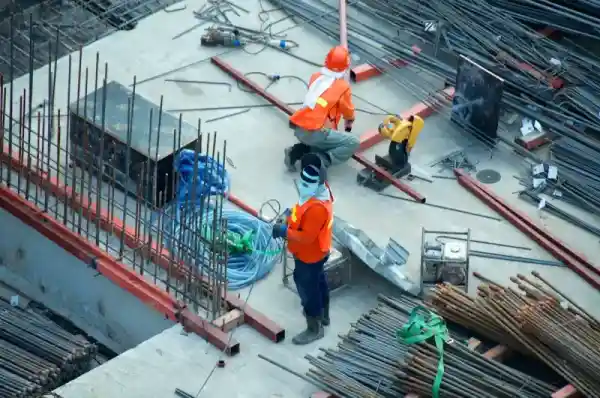
Dilapidation Report Cost: Factors That Affect Pricing
Dilapidation report costs vary based on property size, location, scope, and urgency. This guide breaks down pricing factors across Australian cities and helps you budget for pre-construction property documentation.
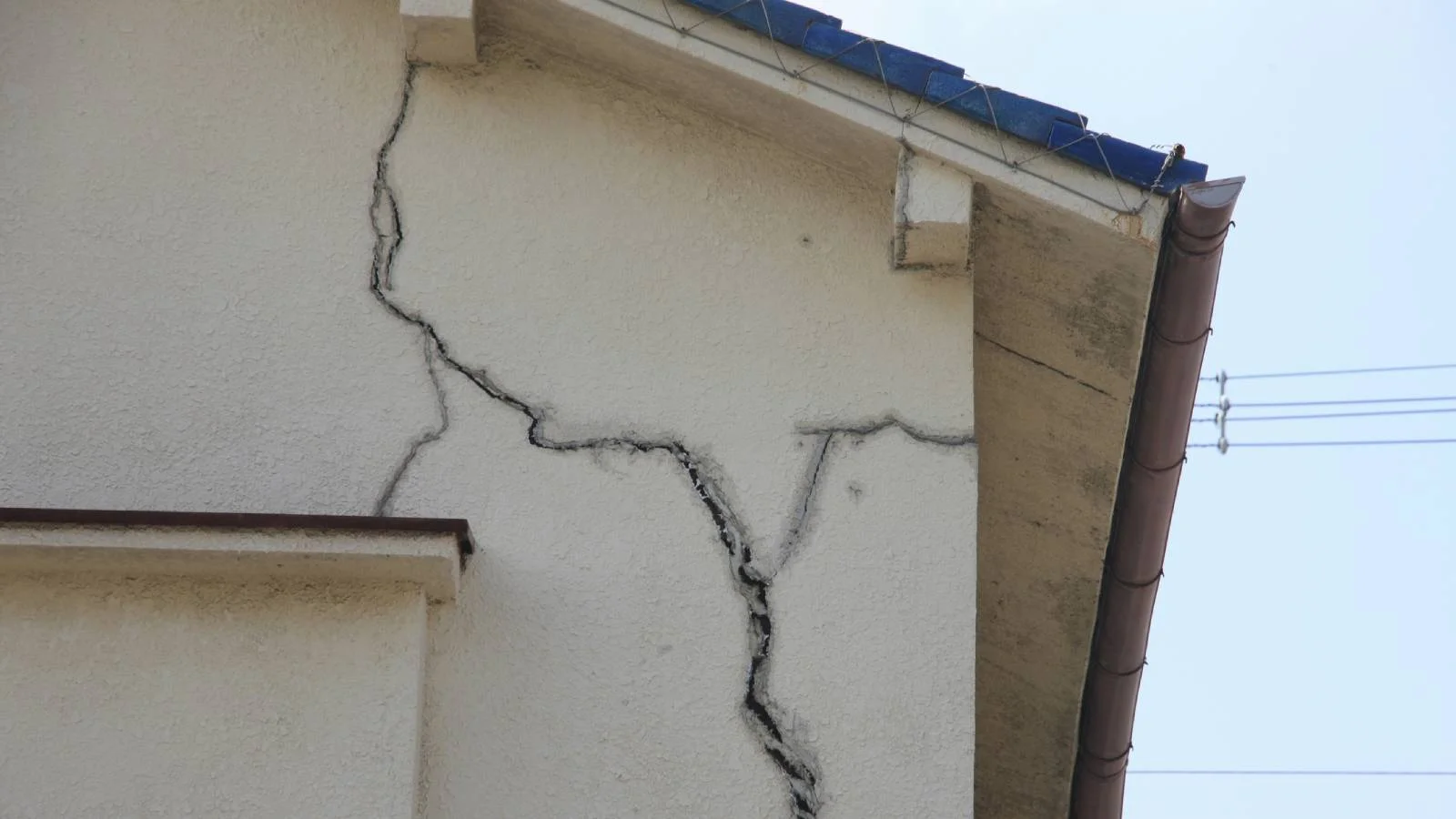
Dilapidation Report Process: A Walkthrough of Key Steps
Dilapidation reports serve as comprehensive property condition snapshots before nearby construction commences. Learn the six-step process from consultation to delivery.

Independent Dilapidation Report Services: Why You Need One
Independent dilapidation reports provide unbiased, third-party assessment of property condition before and after construction, preventing legal and financial conflicts.