
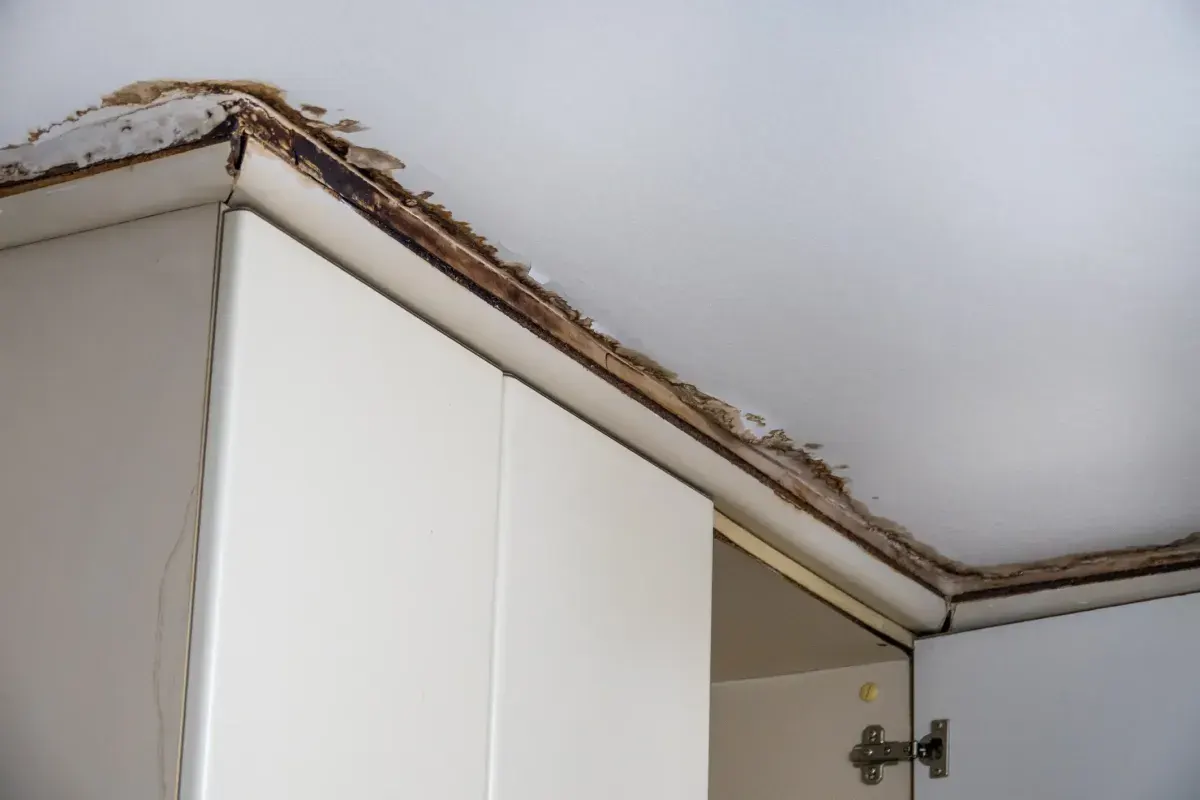
A dilapidation report is a formal assessment that records the condition of a property or structure at a specific point in time. For local councils, these reports serve as a baseline that can be compared against post-construction conditions to identify any damage caused by building works. Without this documentation, disputes about who caused the damage become difficult and expensive to resolve.
This guide explains why councils require dilapidation reports, when they are mandatory, what the reports include, and how to select a qualified professional to prepare one.
What Is a Dilapidation Report for Council?
A dilapidation report for council is a detailed document that records the existing condition of council-owned infrastructure and neighbouring properties before construction or demolition begins. It captures cracks, surface wear, structural features, drainage conditions, and any pre-existing damage through photographs, written descriptions, and measurements.
The report creates an objective, time-stamped record. If any damage occurs during or after construction, the council can compare the current state against the original report to determine whether the building works were responsible.
Council dilapidation reports typically focus on public assets such as roads, footpaths, kerbs and gutters, stormwater pits, retaining walls, and nature strips. In some cases, they also cover adjacent private properties when development approval conditions require it.
A dilapidation report gives the council an undeniable record of what existed before construction started. Without it, proving construction-related damage is nearly impossible.
Why Local Councils Need Dilapidation Reports
Councils have a duty to protect public infrastructure on behalf of ratepayers. Dilapidation reports support that responsibility in several ways.
Safeguarding public assets. Heavy vehicle movements, excavation, vibration from piling, and demolition work can all damage roads, footpaths, and underground services. A pre-construction dilapidation report ensures that any damage to council assets is documented and attributable.
Minimising liability. Without a baseline record, councils may struggle to prove that damage was caused by a specific construction project. This can leave ratepayers bearing the cost of repairs. A dilapidation report shifts the burden of proof and protects the council from absorbing costs that should fall on the developer or builder.
Resolving disputes. Disagreements between councils and developers about property damage are common. A professionally prepared dilapidation report provides objective evidence that can resolve disputes quickly, often without the need for legal proceedings.
Enforcing compliance. Many development approvals include conditions requiring the developer to repair any damage to council infrastructure. A dilapidation report gives the council a clear benchmark to enforce those conditions at project completion.
Who Requires Dilapidation Reports
Several parties may be involved in commissioning or requiring dilapidation reports for council purposes.
Builders and developers are most commonly required to arrange and pay for dilapidation reports as a condition of their development approval or construction certificate. The council imposes this requirement to protect its assets before heavy construction activity begins.
Property owners undertaking significant renovations or demolition may also need to provide a dilapidation report, particularly when their project involves excavation near council infrastructure or requires heavy vehicle access across footpaths and kerbs.
Local councils themselves sometimes commission dilapidation reports when they are aware of a major project proceeding in their area. This is especially common for large-scale civil works, road upgrades, or projects near heritage infrastructure.
State government bodies and utility providers may also require dilapidation reports when their assets are located near proposed construction. This includes water, gas, and electricity infrastructure that could be affected by ground movement or vibration.
When Are Dilapidation Reports Mandatory
Dilapidation reports are typically mandatory in the following situations.
Major construction or demolition projects. Most councils require a dilapidation report when a development involves demolition, excavation deeper than one metre, or construction of multi-storey buildings. The scale and intensity of these projects pose a high risk of damage to surrounding infrastructure.
Development near council assets. When construction takes place adjacent to council roads, footpaths, parks, stormwater systems, or retaining walls, a dilapidation report is usually a condition of development consent. The specific distance triggers vary between councils, but properties within 25 to 50 metres of council assets are commonly covered.
Projects requiring construction traffic permits. Heavy vehicles, cranes, and concrete pumps can cause significant damage to roads and kerbs. Councils often require dilapidation reports as a condition of issuing permits for construction traffic, particularly when the access route involves residential streets not designed for heavy loads.
Subdivision and civil works. Land subdivision projects involving new road construction, drainage installation, or service connections frequently require dilapidation reports covering existing council infrastructure at the boundaries of the development.
Council consent conditions. Even when a project does not fall neatly into the categories above, individual councils may impose a dilapidation report requirement through specific consent conditions based on their assessment of the project's potential impact.
What a Council Dilapidation Report Includes
A thorough dilapidation report for council purposes includes several components that work together to create a complete record.
Written descriptions. Each area of the property or infrastructure is described in detail, noting existing cracks, surface deterioration, alignment issues, and any other visible defects. The descriptions use consistent terminology and reference specific locations so that findings can be replicated in a post-construction assessment.
Photographic evidence. High-resolution photographs document every area covered by the report. Photos are taken with reference markers, timestamps, and location identifiers to ensure they can be matched to written descriptions. Close-up images capture the severity and extent of individual defects.
Video documentation. Some reports include video walkthroughs that provide continuous visual evidence of conditions along footpaths, roads, and other linear assets. Video is particularly useful for large sites where hundreds of individual photographs would be impractical to review.
Diagrams and site plans. Annotated diagrams show the location of documented defects in relation to the construction site. Site plans identify the areas covered by the report and mark the position of each photograph and measurement.
Measurements. Where defects such as cracks or settlement are identified, measurements of their width, length, and depth are recorded. These quantitative records allow precise comparison during post-construction assessment.
Inspector credentials. The report includes details of the inspector's qualifications, licensing, professional indemnity insurance, and relevant experience. This information supports the report's credibility if it is used as evidence in a dispute.
The Inspection Process
The process of preparing a dilapidation report for council follows a structured sequence.
Initial consultation. The inspector reviews the scope of the construction project, identifies the council assets and properties that need to be documented, and confirms any specific requirements from the development consent conditions.
On-site examination. The inspector attends the site and conducts a thorough visual inspection of all areas within the agreed scope. This includes walking the perimeter of the construction site, examining roads and footpaths, checking stormwater infrastructure, and documenting retaining walls and boundary structures.
Documentation. During the on-site examination, the inspector captures photographs, video, and measurements. Written notes are taken for each area, recording the type, location, and severity of any defects found.
Report compilation. Back in the office, the inspector compiles the photographs, measurements, and written descriptions into a structured report. The report is formatted to allow easy comparison with a future post-construction assessment.
Report submission. The completed report is submitted to the council and the developer. Councils typically require the report to be lodged before any construction activity begins on site. Some councils have specific submission portals or require reports in a particular format.
Post-construction comparison. After construction is complete, a follow-up inspection is conducted using the same methodology. The pre-construction and post-construction reports are compared to identify any new damage. If damage is found, the developer is required to arrange repairs to the council's satisfaction.
Benefits of Dilapidation Reports for Councils
Protecting public assets. The primary benefit is clear documentation that allows councils to hold developers accountable for any damage to roads, footpaths, drains, and other infrastructure. Without this evidence, repair costs may fall on ratepayers.
Regulatory compliance. Dilapidation reports help councils demonstrate that they have taken reasonable steps to protect community assets. This supports compliance with local government legislation and asset management obligations.
Legal evidence. If a dispute progresses to legal proceedings or tribunal hearings, a professionally prepared dilapidation report serves as admissible evidence. Courts give significant weight to independent, contemporaneous documentation.
Cost recovery. When post-construction damage is identified, the dilapidation report provides the evidence needed to recover repair costs from the responsible party. This protects council budgets and ensures developers bear the true cost of their projects.
Streamlined approvals. By including dilapidation report requirements in standard consent conditions, councils create a consistent and efficient process for managing construction impacts. This reduces ad hoc decision-making and administrative burden.
Choosing a Qualified Inspector
Selecting the right professional to prepare a council dilapidation report makes a significant difference to the quality and usefulness of the document.
Structural assessment experience. The inspector should have demonstrated experience in assessing structural conditions, identifying defects, and documenting infrastructure. Experience with council assets such as roads, footpaths, and drainage systems is particularly valuable.
Independence. The inspector must be independent of the builder, developer, and property owner. An independent report carries far greater credibility in dispute resolution and legal proceedings. Councils should be cautious about accepting reports prepared by parties with a commercial interest in the construction project.
Australian licences and qualifications. The inspector should hold relevant Australian licences and professional qualifications. This may include registration as a building inspector, structural engineer, or surveyor depending on the jurisdiction and scope of the report.
Professional indemnity insurance. A qualified inspector will carry professional indemnity insurance that covers their inspection and reporting activities. This protects both the inspector and the council in the event that an error or omission in the report leads to a financial loss.
Report quality and format. Ask to see sample reports before engaging an inspector. The report should be well-structured, clearly written, and include high-quality photographs with appropriate labelling. It should be formatted in a way that facilitates direct comparison with a post-construction assessment.
Frequently Asked Questions
What is a dilapidation report for local council?
A dilapidation report for local council is a formal document that records the existing condition of council infrastructure and nearby properties before construction begins. It provides a baseline for identifying any damage caused by building works.
The report covers roads, footpaths, kerbs, stormwater drainage, retaining walls, and any other council assets within the agreed scope. It includes photographs, written descriptions, measurements, and site plans prepared by a qualified inspector.
Who pays for a dilapidation report required by council?
The developer or builder is typically responsible for paying for the dilapidation report. This is usually a condition of development consent or the construction certificate.
In some cases, the council itself may commission a report at the developer's expense, particularly for high-risk projects near significant public infrastructure. The cost is considered part of the overall development expenses.
When must a dilapidation report be submitted to council?
The report must be submitted before any construction or demolition activity begins on site. Most councils require it as a precondition to the commencement of approved works.
Check the specific consent conditions for your development approval, as some councils require the report at least 14 days before construction starts. Late submission can result in stop-work orders or compliance action.
What happens if construction damages council infrastructure?
If the post-construction dilapidation report shows new damage compared to the pre-construction baseline, the developer is required to repair the damage to the council's satisfaction or pay the cost of repairs.
The dilapidation report provides the evidence needed to attribute damage to the construction project. Without it, the council may struggle to recover repair costs from the responsible party.
How far from the construction site does the report need to cover?
The required coverage area varies between councils, but most require documentation of council assets within 25 to 50 metres of the construction site boundary.
For large-scale projects involving deep excavation, piling, or heavy demolition, the coverage area may extend further. The specific distance is usually stated in the development consent conditions.
Can a council reject a dilapidation report?
Yes. Councils can reject a dilapidation report if it does not meet their requirements for scope, quality, or inspector qualifications.
Common reasons for rejection include insufficient photographic evidence, incomplete coverage of council assets, lack of inspector credentials, or submission in an incorrect format. Always confirm the council's specific requirements before commissioning the report.
Do all Australian councils require dilapidation reports?
Not all councils require them for every project, but most metropolitan and regional councils impose dilapidation report conditions for developments that pose a risk to public infrastructure.
The requirement is more common in densely developed areas where construction sites are close to council roads, footpaths, and drainage systems. Check with your local council early in the planning process to confirm their requirements.
What is the difference between a pre-construction and post-construction dilapidation report?
A pre-construction report documents conditions before work begins. A post-construction report documents conditions after work is complete. Comparing the two reveals any damage caused by the construction.
Both reports should be prepared by the same inspector using the same methodology and covering the same areas. This consistency makes the comparison reliable and defensible in any dispute.
How long does a council dilapidation inspection take?
A typical inspection takes between two and four hours on site, depending on the size of the area being documented and the number of council assets involved.
Report compilation usually takes an additional one to three business days. Some providers offer expedited turnaround for urgent projects. The total time from booking to report delivery is typically five to seven business days.
Is a dilapidation report admissible as evidence in court?
Yes. A dilapidation report prepared by a qualified, independent inspector is admissible as evidence in court and tribunal proceedings, including NCAT, VCAT, and QCAT.
The report's evidentiary value depends on the inspector's qualifications, the thoroughness of the documentation, and the methodology used. Reports prepared by independent professionals with no commercial connection to either party carry the strongest weight.
Can I use the same inspector for both pre-construction and post-construction reports?
Yes, and it is recommended. Using the same inspector ensures consistency in methodology, terminology, and photographic approach, which makes the comparison between reports more reliable.
If the original inspector is unavailable, ensure the replacement uses the same scope, format, and reference points. Any inconsistency between reports can weaken their effectiveness in dispute resolution.
What qualifications should a dilapidation report inspector have?
The inspector should hold relevant Australian building inspection licences, professional qualifications in building, engineering, or surveying, and current professional indemnity insurance.
Experience with council infrastructure is particularly important. An inspector who primarily works on residential interiors may not have the expertise to properly assess road surfaces, stormwater systems, and public domain structures.
Key Takeaways
- Local councils require dilapidation reports to document the condition of public infrastructure before construction begins, providing a baseline for identifying any damage caused by building works.
- Builders and developers are usually responsible for commissioning and paying for dilapidation reports as a condition of development consent.
- Reports are typically mandatory for major construction, demolition, projects near council assets, and developments requiring heavy vehicle access permits.
- A thorough report includes written descriptions, high-resolution photographs, video documentation, measurements, diagrams, and inspector credentials.
- Post-construction comparison reports allow councils to identify new damage and recover repair costs from the responsible party.
- Choosing an independent inspector with structural assessment experience, Australian licences, and professional indemnity insurance is critical to producing a report that stands up in disputes.
- Submitting the report before construction begins is a strict requirement, and late submission can result in stop-work orders.
References and Resources
Related Articles
Dilapidation Reports
Dilapidation Report Process: A Walkthrough of Key Steps
Dilapidation reports serve as comprehensive property condition snapshots before nearby construction commences. Learn the six-step process from consultation to delivery.

Who Needs a Pre-Construction Dilapidation Report?
Pre-construction dilapidation reports document existing property conditions before nearby construction activities commence. Learn who needs one and why.
Need a Dilapidation Report for Council?
Our licensed building inspectors prepare professional dilapidation reports accepted by local councils across Australia.