
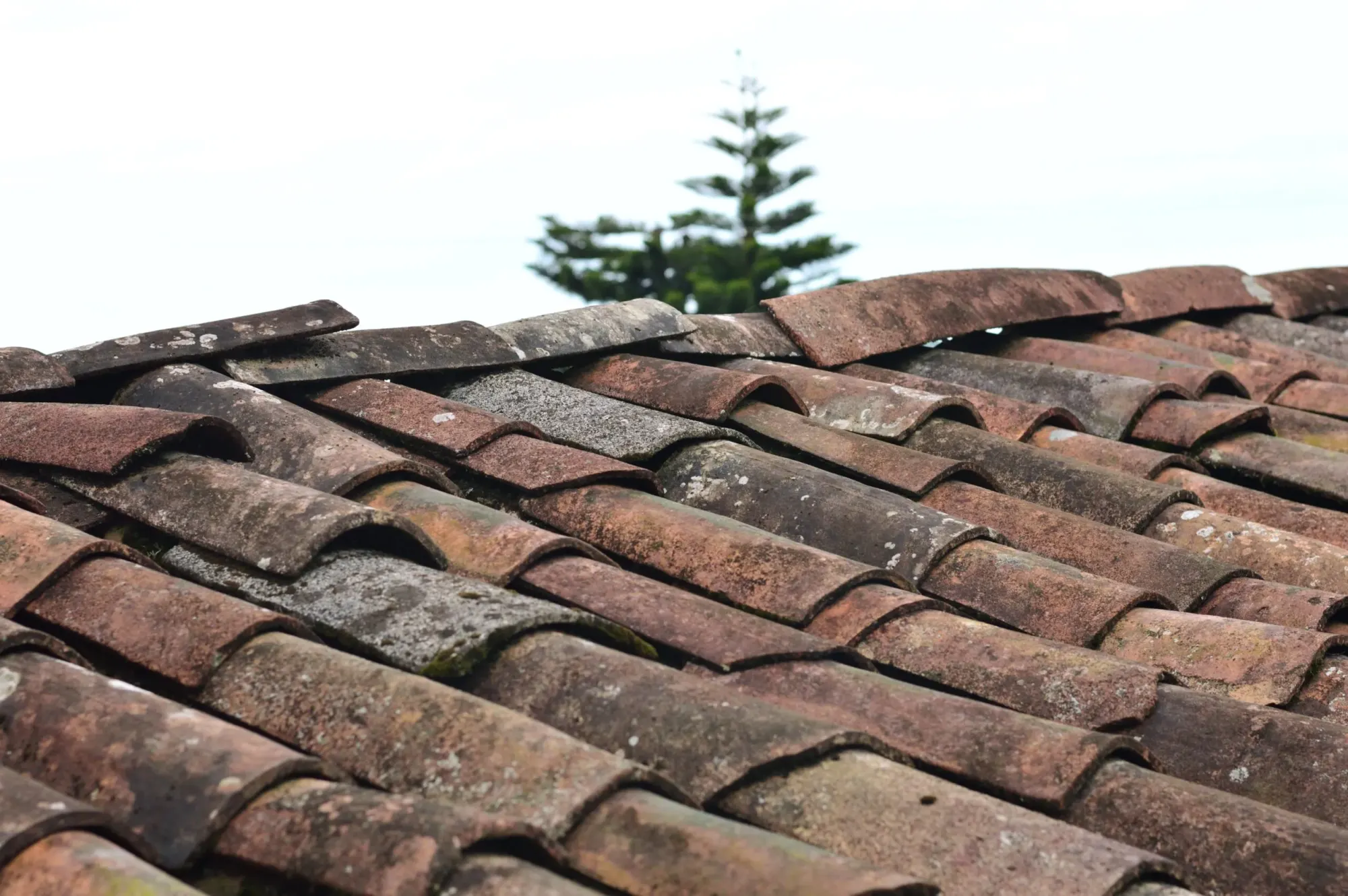
Your roof is your home's first line of defence against Australia's harsh climate. The Bureau of Meteorology reports that extreme weather events including heatwaves, intense rainfall, and cyclones are becoming more frequent across the country. These conditions accelerate roof wear and make it more important than ever for homeowners to understand when their roof has reached the end of its serviceable life.
Factors Affecting Roof Lifespan
Several factors determine how long your roof will last. Understanding these helps you plan ahead and avoid unexpected failures.
Roofing Material
The material your roof is made from is the single biggest factor in its lifespan. Each material has a different level of durability, maintenance requirement, and resistance to Australian weather conditions.
- Concrete tiles are a popular choice across Australia and can last 50+ years with proper maintenance
- Metal roofs (steel, Colorbond, aluminium) are highly resilient and typically last 30 to 50 years
- Terracotta tiles are durable and can last 50 to 75 years, though individual tiles may crack and need replacement
- Asphalt shingles have the shortest lifespan at approximately 15 to 25 years
Weather Conditions
Australia's climate puts enormous stress on roofing materials. Intense UV radiation causes fading, cracking, and degradation of roof coatings over time. Severe storms and hailstones cause direct impact damage such as cracked tiles and dented metal. Coastal properties face additional corrosion risks from salt spray, which is particularly harsh on metal roofs without marine-grade coatings.
Maintenance History
A roof that receives regular maintenance will last significantly longer than one that is neglected. Simple actions like clearing gutters, removing debris, and replacing broken tiles early all contribute to extending the roof's serviceable life.
Roof Lifespan by Material
| Expected Lifespan | Key Strengths | Common Issues | |
|---|---|---|---|
| Concrete Tiles | 50+ years | Durable, fire resistant, low maintenance | Cracking, moss growth, bedding deterioration |
| Colorbond / Metal | 30 to 50 years | Lightweight, cyclone resistant, recyclable | Corrosion, denting from hail, fastener failure |
| Terracotta Tiles | 50 to 75 years | Excellent thermal performance, long lasting | Individual tile cracking, weight on older frames |
| Asphalt Shingles | 15 to 25 years | Low initial cost, easy installation | Granule loss, curling, UV degradation |
Signs Your Roof May Need Replacing
Knowing the warning signs helps you act before minor issues become major structural problems.
Age of the Roof
If your roof is over 20 years old, it is worth scheduling a professional inspection even if there are no visible issues. Many roofing problems develop gradually and are not visible from the ground until significant damage has already occurred.
Visible Damage
Inspect your roof from ground level for obvious signs of wear:
- Cracked, broken, or missing tiles
- Rust patches or corrosion on metal roofs
- Warping or buckling of roofing sheets
- Significant granule loss on asphalt shingles (look for granules in your gutters)
- Deteriorated or missing ridge capping
Leaks and Water Damage
Water stains on ceilings, damp patches in the roof cavity, and water pooling at the base of the house are all indicators that the roof is no longer performing its primary function. Even small leaks can cause significant damage to insulation, framing, and internal linings if left unaddressed.
Sagging Roofline
A visibly sagging roofline is a serious warning sign that may indicate structural failure in the rafters, trusses, or supporting framework. This requires immediate professional assessment as it can pose a safety risk.
Rising Energy Bills
When a roof's insulation or reflective coating degrades, your home becomes harder to heat in winter and cool in summer. If your energy bills have increased without a clear explanation, your roof's thermal performance may have declined.
A sagging roofline should never be ignored. It may indicate structural failure that could worsen rapidly, particularly during storms or high winds. Contact a licensed building inspector immediately if you notice any sagging or dipping in your roofline.
The Benefits of Timely Roof Replacement
Replacing your roof at the right time saves you money and protects your property in the long run.
Pros
- Prevents water damage to your home's interior, framing, and insulation
- Improves energy efficiency with modern materials and better insulation
- Increases your property's market value and street appeal
- Reduces the risk of emergency repairs during severe weather
- Modern roofing materials offer better fire resistance and cyclone ratings
Cons
- Water damage can spread to walls, ceilings, and electrical systems
- Structural timber can rot, leading to far more expensive repairs
- Mould growth from persistent leaks creates health risks
- Insurance claims may be denied if damage is caused by neglected maintenance
How to Choose the Right Time for Replacement
Get a Professional Assessment
A qualified building inspector or roofing specialist can accurately assess your roof's condition using tools like thermal imaging, moisture meters, and drone photography. They can tell you whether targeted repairs will extend the roof's life or whether a full replacement is the better investment.
Weigh Cost Against Risk
Consider the ongoing cost of patching and repairing an ageing roof compared to the one-off cost of replacement. If you are spending money on repairs every year or two, replacement often works out cheaper over a five to ten year period.
Choose the Right Season
Spring and early autumn are generally the best times for roof replacement in Australia. The weather is milder, there is less chance of rain delays, and tradespeople are often more available than during the peak summer building season.
Check Financing Options
If the upfront cost of a full roof replacement is a concern, explore financing options. Some roofing companies offer payment plans, and many homeowners use home equity or renovation loans to spread the cost.
Schedule a professional roof inspection
Have a licensed inspector assess your roof's current condition, remaining lifespan, and any immediate issues.
Get multiple quotes
Obtain at least three written quotes from licensed roofing contractors. Each quote should detail the materials, labour, timeframe, and warranty.
Choose the right material for your location
Consider your local climate, bushfire rating, and cyclone zone when selecting roofing materials. Your inspector or contractor can advise on the best options.
Check council and building requirements
Roof replacement may require a development application or building permit depending on your local council. Check the requirements before work begins.
Plan around the weather
Schedule the work during a dry period to minimise disruption and ensure the roof cavity is not exposed to rain during the replacement process.
Key Takeaways
- Australian roofs typically last 20 to 50+ years depending on the material, with concrete and terracotta tiles lasting the longest.
- Warning signs that replacement is needed include cracked tiles, persistent leaks, a sagging roofline, and rising energy bills.
- Australia's extreme weather, including UV radiation, hail, and coastal salt spray, accelerates roof deterioration.
- Timely replacement prevents expensive secondary damage to your home's structure, insulation, and interior.
- A professional roof inspection is the most reliable way to determine whether repair or replacement is the right option.
- Spring and early autumn are the best seasons for roof replacement work in most parts of Australia.
- Regular maintenance and gutter cleaning can extend your roof's lifespan by years.
Frequently Asked Questions
What are the most cost-effective roofing materials in Australia?
Colorbond steel and concrete tiles are among the most cost-effective roofing options in Australia. They offer a good balance between durability, low maintenance requirements, and reasonable upfront cost. Colorbond is particularly popular for its lightweight design and resistance to corrosion, while concrete tiles provide excellent thermal mass and a lifespan exceeding 50 years.
How does the orientation of my home affect roof lifespan?
Roofs facing north or west in Australia receive the most direct sunlight and heat exposure, which accelerates the degradation of roofing materials, coatings, and sealants. South and east-facing roof sections generally experience less UV stress. This is worth considering when prioritising areas for inspection and maintenance.
Can painting my roof extend its lifespan?
Yes, applying a quality roof coating or paint can extend the lifespan of certain roof types, particularly metal and concrete tile roofs. A proper roof coating protects against UV damage, reduces heat absorption, and seals minor surface cracks. However, it must be applied to a roof that is structurally sound and properly cleaned beforehand.
When is the best time of year to replace a roof in Australia?
Spring and early autumn are the ideal times for roof replacement in most parts of Australia. These seasons offer milder temperatures and lower rainfall, reducing the chance of weather delays during installation. Avoid peak summer, when heat can make working conditions difficult, and winter in southern states, when rain is more frequent.
What environmentally friendly roofing options are available?
Environmentally friendly roofing options include solar tiles, recycled metal roofing, and Colorbond with Thermatech solar reflectance technology. Green roofs, which are covered with vegetation and a growing medium, are also an option for flat or low-pitched roofs. These choices can reduce energy consumption and lower your carbon footprint.
How often should I have my roof professionally inspected?
A professional roof inspection is recommended every two to three years under normal conditions. If your area experiences severe weather events such as hailstorms, cyclones, or heavy rainfall, schedule an inspection after each significant event. Properties with older roofs (over 20 years) should be inspected more frequently.
What should I look for in a roofing contractor?
Choose a contractor who holds a current licence in your state, such as a builder's licence or a specialist roofing licence. Check for positive reviews, ask for references, and make sure they offer a written warranty covering both materials and workmanship. They should also provide a detailed, itemised quote before any work begins.
Are there specific roofing standards in Australia I should know about?
Yes. All roofing work in Australia must comply with the National Construction Code (NCC) and relevant Australian Standards. Key standards include AS 1562 for design and installation of sheet roof and wall cladding, AS 2050 for installation of roof tiles, and AS 4200 for pliable building membranes and underlays. Your contractor should be familiar with all applicable standards.
Can installing solar panels affect my roof's lifespan?
Improper installation of solar panels can damage roofing materials, create leak points, and add structural load that the roof was not designed to carry. Always use a qualified installer who assesses the roof's condition and structural capacity before installation. The mounting system should be compatible with your roofing material and properly sealed.
What are the signs that my roof ventilation needs improvement?
Signs of poor roof ventilation include excessive heat buildup in the roof cavity, condensation or moisture on the underside of roofing materials, and musty smells in upstairs rooms. Proper ventilation helps regulate temperature, reduces moisture buildup, and extends the life of roofing materials and insulation. Whirlybirds, ridge vents, and eave vents are common ventilation solutions in Australian homes.
How much does a roof replacement cost in Australia?
The cost of a roof replacement in Australia varies depending on the material, roof size, pitch, and location. As a general guide, metal roof replacement costs between $10,000 and $25,000 for an average-sized home, while concrete or terracotta tile replacement can range from $15,000 to $35,000. Getting multiple quotes and a professional assessment will give you the most accurate estimate.
References and Resources
- Bureau of Meteorology - Climate Change - Australian climate data and extreme weather trends
- National Construction Code (NCC) - Building standards for roofing in Australia
- NSW Fair Trading - Roofing Work - Licensing and consumer protection for building work
- CSIRO - Building Performance - Research on building materials and energy efficiency
Related Articles
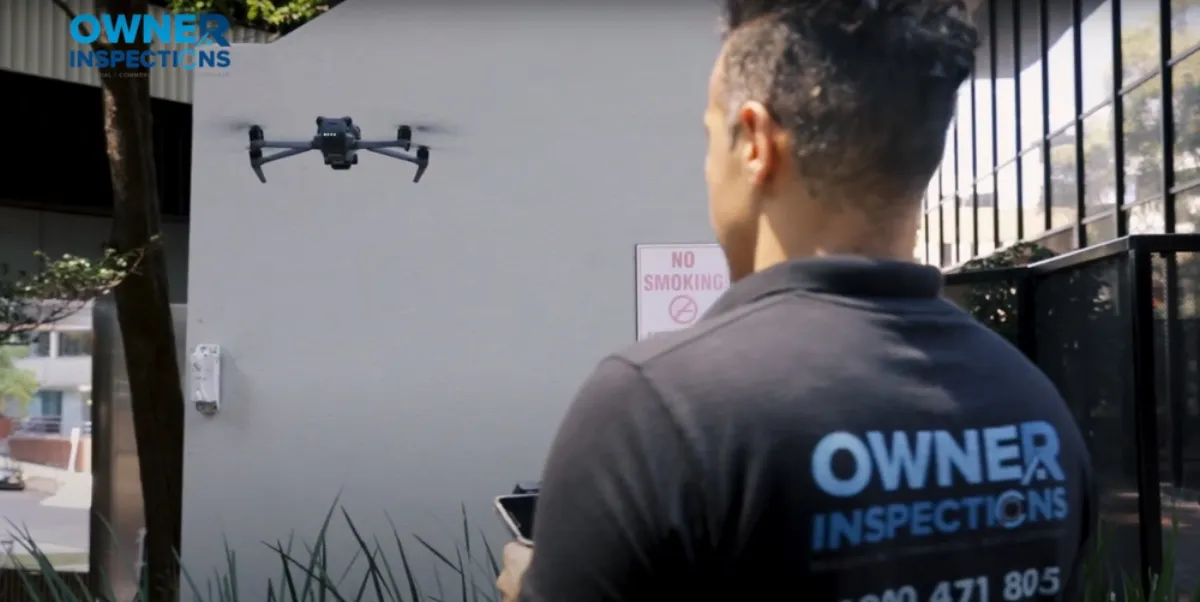
Drones vs Traditional Roof Inspection Methods
Roof inspections are essential for maintaining structural integrity and identifying issues before they become costly repairs. This guide compares drone-based and traditional roof inspection methods, covering the advantages and disadvantages of each approach to help property owners make informed decisions.
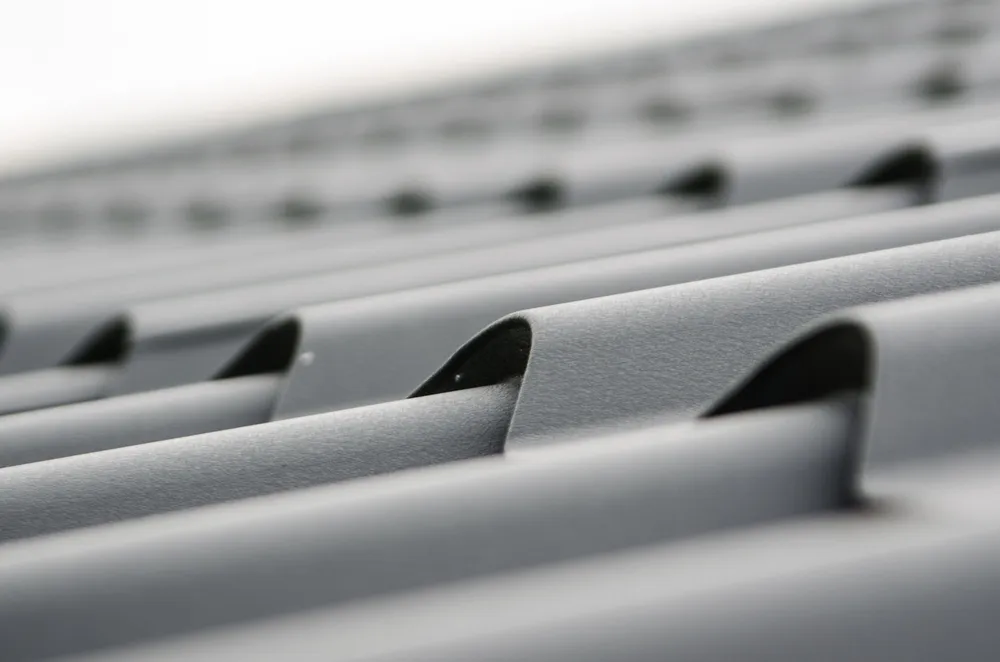
Understanding Different Roof Types and Inspection Needs
Your roof protects your home from the elements, but different roof types and materials have unique inspection requirements. This guide covers common roof styles, materials, and what inspectors look for during assessments.
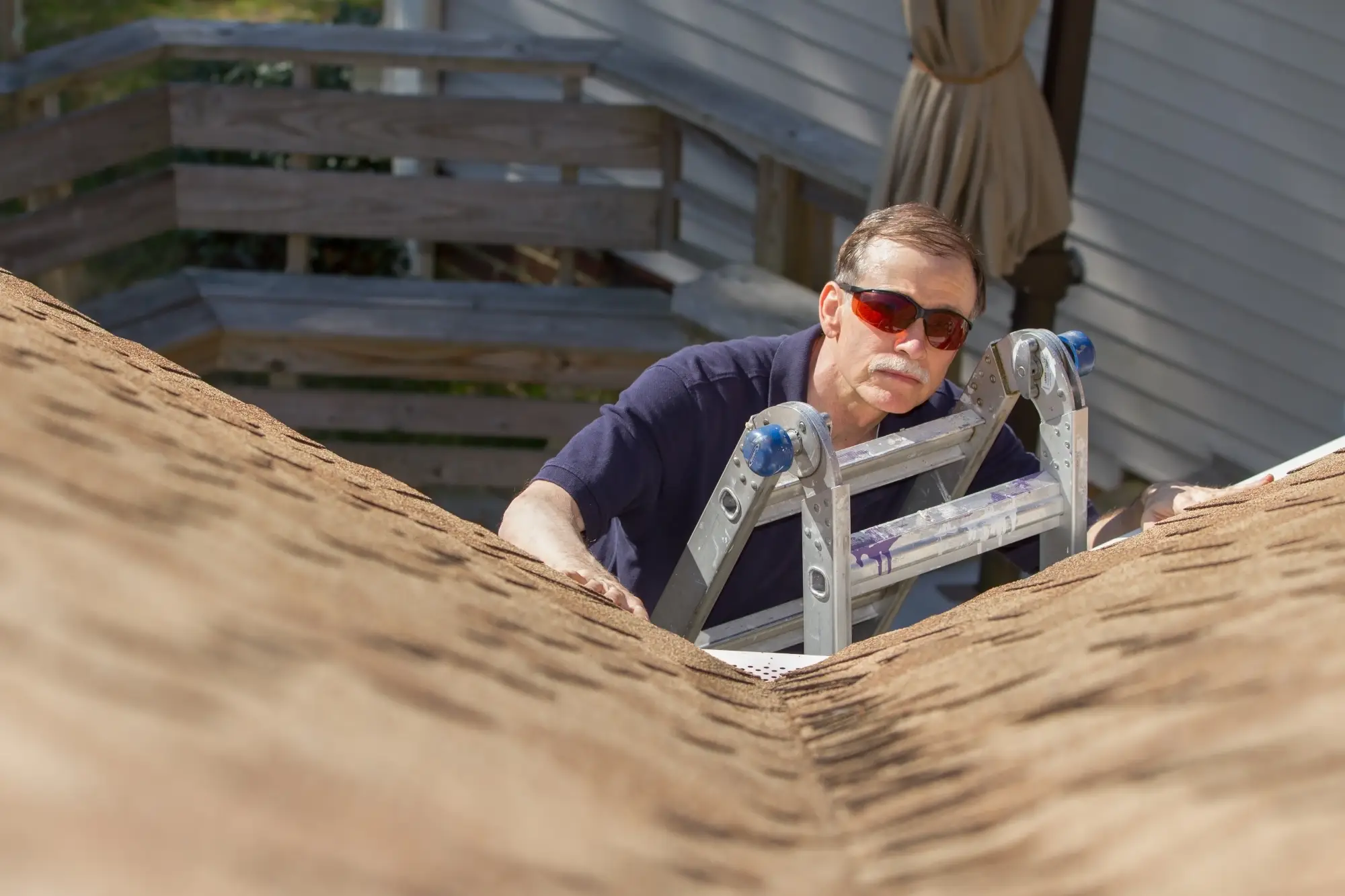
Roof Defect Inspection to Detect Leaks and Structural Issues
A roof defect inspection identifies leaks, structural weaknesses, drainage failures, and material deterioration before they become expensive repairs. This guide explains what inspectors look for, common roof defects found in Australian homes, and how often you should schedule inspections to protect your property.
Concerned about the condition of your roof? Owner Inspections provides thorough, independent roof inspections across NSW, Victoria, and Queensland. Our licensed inspectors use thermal imaging, moisture detection, and drone technology to assess your roof's condition accurately. Get a quote today or call us on 1300 471 805.