
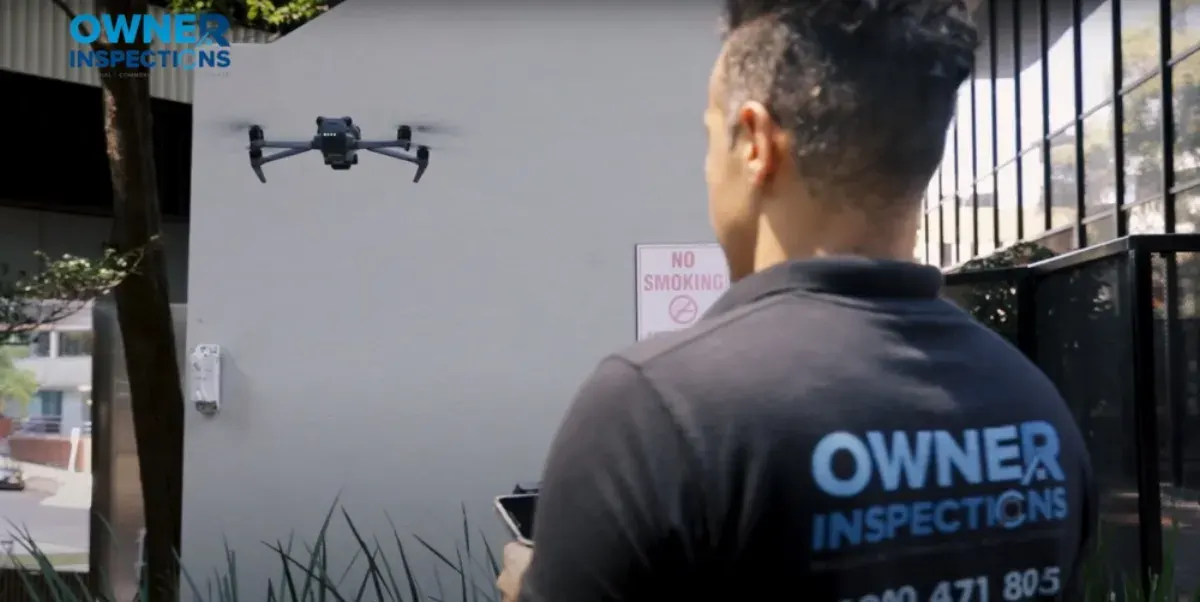
Advantages of Drone-Based Roof Inspections
Drone technology has introduced significant improvements to the way roof inspections are carried out. The key advantages include:
Safety
Drones eliminate the need for inspectors to climb ladders or work on scaffolding. Falls from heights remain one of the leading causes of workplace fatalities in Australia, and drone inspections remove this risk entirely from the inspection phase. The inspector operates the drone from the ground, maintaining a safe distance from the structure at all times.
Time Efficiency
A drone can complete a roof inspection in a fraction of the time required by traditional methods. A typical residential roof that might take half a day to inspect manually can be surveyed by a drone in under an hour. This time saving benefits both the inspector and the property owner.
Accuracy
Modern drones are equipped with advanced cameras and sensors capable of capturing high-resolution imagery. These cameras can detect minute faults such as hairline cracks, missing fixings, and early signs of weathering that may be missed during a manual inspection. Thermal imaging adds the ability to identify moisture ingress and insulation deficiencies.
Reach
Drones can access difficult locations that are impractical or dangerous to reach by conventional means. Steep-pitched roofs, multi-storey buildings, and structures surrounded by obstacles are all easily surveyed from the air.
Disadvantages of Drone-Based Roof Inspections
Despite their many benefits, drone inspections do have limitations.
Cost
The cost of purchasing, maintaining, and insuring commercial-grade drones can be significant. Operator fees must also be factored in, particularly for inspections requiring specialised thermal or multispectral cameras. However, these costs are often offset by the savings from eliminating scaffolding and reducing labour hours.
Regulations
Drone operations in Australia are governed by the Civil Aviation Safety Authority (CASA). The regulations are complex and vary by region, covering aspects such as flight altitude, proximity to people and buildings, and restricted airspace. Compliance adds an administrative layer that traditional methods do not require.
Training and Licensing
Operating a commercial drone requires certification that can be costly and time-consuming to obtain. Drone pilots must hold a Remote Pilot Licence (RePL) and operate under a Remotely Piloted Aircraft Operator's Certificate (ReOC) or meet excluded category requirements.
Advantages of Traditional Roof Inspections
Traditional roof inspections continue to offer value in many scenarios.
Cost-Effectiveness
For straightforward inspections of single-storey homes with accessible roofs, traditional methods require minimal technology investment. A ladder, safety harness, and the inspector's expertise are often all that is needed.
Experience and Human Touch
Experienced inspectors bring a tactile element to their assessment. They can physically test the integrity of materials, feel for soft spots in decking, and assess the condition of components in ways that a camera cannot replicate. This hands-on examination provides a depth of understanding that visual-only methods may miss.
Flexibility
Traditional inspections face fewer regulatory constraints. There is no requirement for airspace clearance, CASA compliance, or weather-dependent scheduling. An inspector can arrive and begin work with minimal preparation.
Community Acceptance
Traditional inspection methods are well understood by property owners, agents, and insurers. There is a long-established trust in the process, and the results are widely accepted across the industry.
Disadvantages of Traditional Roof Inspections
Safety Concerns
Working at height carries inherent risks. Falls from ladders and roofs are among the most common causes of serious injury and fatality in the Australian construction and trades sectors. Even with proper safety equipment, the risk cannot be entirely eliminated.
Time and Reach
Traditional inspections are time-consuming, particularly for large or complex structures. Access limitations can also be a challenge. Steep roofs, multi-storey buildings, and properties with limited ground clearance may require scaffolding or elevated work platforms, adding time and cost.
Drone vs Traditional at a Glance
Pros
- No working at height required
- Completed in a fraction of the time
- High-resolution and thermal imaging capabilities
- Access to difficult and dangerous locations
- Digital records for future comparison
Cons
- Falls from height remain a significant risk
- Time-consuming for large or complex roofs
- Access limitations may require scaffolding
- Visual assessment limited by physical positioning
- No thermal imaging capability without additional equipment
Both methods have a place in the inspection process. For many properties, a combination of drone-based and traditional inspection techniques delivers the most comprehensive assessment.
Frequently Asked Questions
Which method is safer for roof inspections?
Drone inspections are significantly safer because the inspector remains on the ground at all times. Traditional inspections require working at height, which carries a risk of falls and related injuries.
Are drone inspections more expensive than traditional methods?
The cost depends on the property. For simple single-storey homes, traditional methods may be cheaper. For multi-storey or complex buildings, drone inspections are often more cost-effective because they eliminate the need for scaffolding and extended labour hours.
Can a drone inspection detect all the same defects as a traditional one?
Drones can detect most visual and thermal defects, including cracks, missing tiles, damaged flashing, and moisture ingress. However, some defects require physical testing or tactile assessment that only a hands-on inspection can provide.
Do I need CASA approval for a drone roof inspection?
You do not need personal CASA approval, but the drone operator must hold the appropriate licences and certifications. Commercial operators must comply with CASA regulations including holding a Remote Pilot Licence and operating under a ReOC or excluded category conditions.
How long does each type of inspection take?
A drone inspection typically takes one to two hours, while a traditional inspection can take half a day to a full day depending on the size and complexity of the roof and the access requirements.
Can drone and traditional inspections be combined?
Yes. Many inspection companies, including Owner Inspections, combine both methods to deliver the most thorough assessment. Drones handle the exterior and elevated areas while the inspector conducts hands-on checks of accessible components.
What happens if weather prevents a drone inspection?
Drone inspections cannot be conducted in heavy rain, strong winds, or storms. If weather conditions are unsuitable, the inspection will be rescheduled. Traditional inspections are also affected by severe weather but have more flexibility in light rain or overcast conditions.
Are drone inspection reports accepted by insurers?
Yes. Drone inspection reports are widely accepted by Australian insurers. The detailed imagery and thermal data provided in these reports often exceeds the documentation produced by traditional inspections.
What qualifications should a drone inspector have?
A drone inspector should hold a Remote Pilot Licence (RePL) issued by CASA and ideally be a licensed building inspector as well. This combination ensures both safe drone operation and accurate interpretation of the imagery captured.
Is a traditional inspection still necessary if a drone inspection is done?
In many cases, a drone inspection provides sufficient data for a comprehensive assessment. However, for pre-purchase inspections or detailed defect investigations, a traditional hands-on component may be recommended to complement the drone data.
Key Takeaways
- Drone inspections eliminate working at height risks and are significantly faster than traditional methods
- Traditional inspections offer tactile assessment and require less regulatory compliance
- Modern drones capture high-resolution and thermal imagery that can detect defects invisible to the naked eye
- CASA regulations govern all commercial drone operations in Australia
- For complex properties, combining drone and traditional methods delivers the most comprehensive results
- Cost-effectiveness depends on the property type and access requirements
- Both drone and traditional inspection reports are accepted by Australian insurers
References and Resources
Related Articles
How Drones Speed Up Building Exterior Inspections
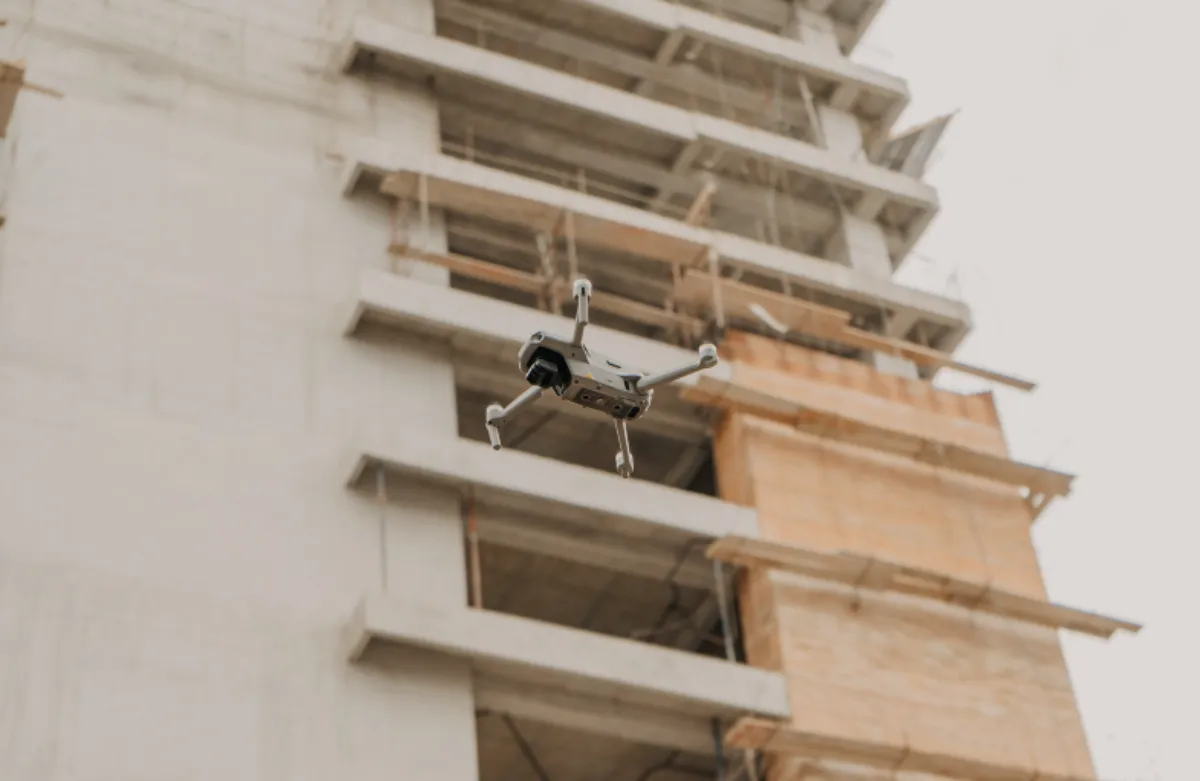
Falls from heights account for approximately 30 percent of construction fatalities in Australia. Drones are transforming how exterior inspections are conducted by eliminating the need for scaffolding, reducing risk, and delivering high-quality data in a fraction of the time. This guide covers the benefits, technology, and future of drone-based building inspections.

Comprehensive Guide to Building Inspections Using Drones
Drones have transformed building inspections by providing panoramic views and high-resolution images of areas that are difficult to access. This guide covers the benefits of drone inspections, the best drones for the job, whether drones are used for home inspections, and why Owner Inspections is the right choice for your property assessment.
Understanding Different Roof Types and Inspection Needs
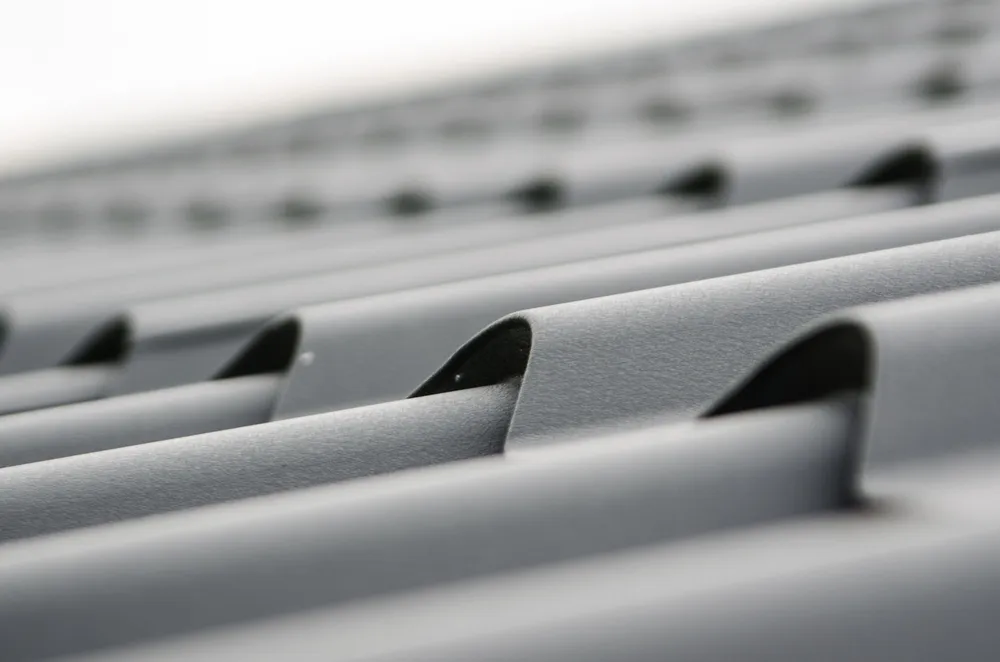
Your roof protects your home from the elements, but different roof types and materials have unique inspection requirements. This guide covers common roof styles, materials, and what inspectors look for during assessments.
Book a Roof Inspection
Owner Inspections combines drone technology and hands-on expertise to deliver comprehensive roof assessments. Whether your property needs aerial imaging or a traditional inspection, our licensed team has you covered.