
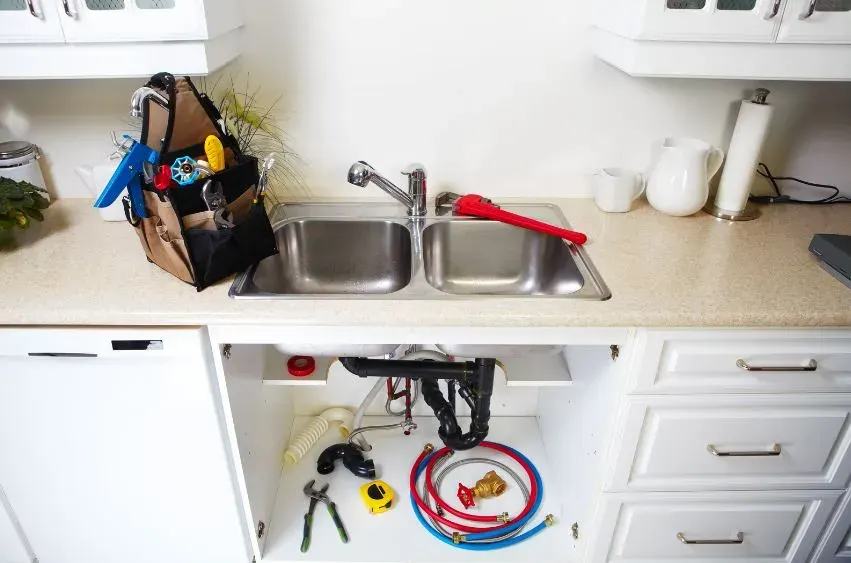
This guide walks you through the key components of a residential plumbing system, shows you how to prevent the most common problems, and explains when a job crosses the line from DIY territory into work that legally requires a licensed professional.
How Residential Plumbing Works
A typical Australian home has two main plumbing subsystems. The supply system brings pressurised clean water into the house from the mains or a tank. The drainage system removes wastewater through gravity-fed pipes that lead to the sewer or a septic system. Between these two systems sit the fixtures you use every day: taps, toilets, showers, dishwashers, and washing machines.
Understanding this basic split makes it much easier to diagnose problems. If water pressure drops across the whole house, the issue is on the supply side. If a single sink drains slowly, the problem is in the drainage system close to that fixture.
Knowing Your System
Water Shutoff Valve
The most important thing any homeowner should know is where the main water shutoff valve is located. In a plumbing emergency such as a burst pipe or major leak, turning off this valve stops water flowing into the entire house and can prevent thousands of dollars in water damage.
In most Australian homes the main shutoff valve (sometimes called the stopcock) is located:
- Near the front boundary of the property, usually in a covered pit near the water meter
- At the point where the water supply pipe enters the house, often in the garage, laundry, or under the kitchen sink
- In apartment buildings, typically inside a services cupboard or behind an access panel in the bathroom or laundry
Most shutoff valves are either a gate valve (round wheel handle, turn clockwise to close) or a ball valve (lever handle, turn 90 degrees to close). Test yours every six months to make sure it is not seized.
If your main shutoff valve is stuck or will not close fully, call a licensed plumber to replace it before an emergency forces the issue. Your local water authority can also shut off supply at the meter if needed.
Fixtures and Isolation Valves
Beyond the main shutoff, most modern Australian homes have individual isolation valves (also called mini stop valves) at each fixture. These small taps, usually located under the sink or behind the toilet, let you shut off water to a single fixture without affecting the rest of the house. Check that you know where each one is and that they turn freely.
Types of Pipes in Australian Homes
The pipes running through your walls and under your floors vary depending on when the house was built and what it was built for. Here is a quick comparison of the most common types found in Australian properties.
| Common Use | Pros | Cons | Typical Era | |
|---|---|---|---|---|
| Copper | Hot and cold water supply lines | Durable, long lifespan (50+ years), resistant to bacteria | Expensive, can corrode in acidic water, requires soldering to join | 1950s onwards |
| PEX (Cross-linked polyethylene) | Hot and cold water supply lines | Flexible, fast to install, freeze-resistant, affordable | Cannot be used outdoors (UV sensitive), relatively new track record | 2000s onwards |
| PVC / uPVC | Drainage, waste, and vent pipes | Lightweight, corrosion-resistant, inexpensive | Not suitable for hot water supply, can become brittle with age | 1970s onwards |
| Galvanised Steel | Water supply in older homes | Strong and durable when new | Corrodes internally over time, restricts water flow, may contain lead solder | Pre-1970s |
Tip
If your home still has galvanised steel supply pipes, consider having a licensed plumber assess them. Internal corrosion can reduce water pressure, discolour water, and eventually cause leaks.
Preventative Maintenance
Avoiding Clogs
Blocked drains are one of the most common plumbing call-outs in Australia. Most blockages are preventable with a few simple habits.
What to keep out of your drains:
- Fats, oils, and grease (they solidify inside pipes and trap other debris)
- Coffee grounds (they clump together and form stubborn blockages)
- Food scraps, eggshells, and rice (use a compost bin or the rubbish instead)
- Hair (use a drain strainer in the shower and bathroom sink)
- Cotton buds, wet wipes, and sanitary products (even "flushable" wipes cause blockages)
Simple drain maintenance routine:
Monthly hot water flush
Pour a full kettle of boiling water slowly down each drain to melt accumulated grease.
Bi-monthly baking soda treatment
Pour half a cup of baking soda followed by half a cup of white vinegar down the drain. Wait 30 minutes, then flush with hot water.
Quarterly strainer clean
Remove and clean all drain strainers, clearing any trapped hair and debris.
Leak Detection and Repair
Water leaks waste money, promote mould growth, and can cause serious structural damage if left unchecked. According to the Bureau of Meteorology's water usage data, a single dripping tap can waste more than 20,000 litres per year.
Signs of a Hidden Leak
- An unexplained increase in your water bill
- Damp patches, staining, or bubbling paint on walls or ceilings
- Musty or mouldy smell in bathrooms, laundry, or under the house
- Warped or buckled floorboards
- The sound of running water when all taps are off
- Your water meter continues to tick over when no water is being used
The Water Meter Test
A quick way to check for hidden leaks is to note your water meter reading, avoid using any water for two hours, then check the meter again. If the reading has changed, there is a leak somewhere in the system.
Minor leaks around tap handles or showerheads are often caused by worn washers or O-rings. These are inexpensive to replace and are one of the few plumbing repairs a homeowner can legally do themselves in most states.
Water Heater Maintenance
Your hot water system is one of the hardest-working appliances in the house. Whether you have a storage tank, continuous flow (instantaneous), heat pump, or solar system, regular maintenance extends its life and keeps it running efficiently.
| Lifespan | Maintenance | |
|---|---|---|
| Storage Tank (Electric/Gas) | 8 to 12 years | Annual pressure relief valve test, flush sediment every 1 to 2 years |
| Continuous Flow (Gas) | 15 to 20 years | Annual filter clean, descale in hard water areas every 2 to 3 years |
| Heat Pump | 10 to 15 years | Annual filter clean, check refrigerant levels, clear debris around outdoor unit |
| Solar | 15 to 20 years | Annual panel inspection and clean, check glycol fluid levels, test booster element |
Water Heater Tips
DIY Plumbing Projects You Can Handle
In Australia, unlicensed plumbing work is illegal and can void your home insurance. However, there are a few minor maintenance tasks that homeowners are generally permitted to do themselves.
Pros
- Replacing a tap washer or O-ring
- Clearing a blocked drain with a plunger or drain snake
- Replacing a showerhead (no pipe modifications)
- Cleaning drain strainers and grates
- Adjusting the float valve in a toilet cistern
Cons
- Installing or relocating any pipe, tap, or fixture
- Any work on gas lines or gas appliances
- Hot water system installation or replacement
- Connecting to sewer or stormwater drains
- Any work that requires a compliance certificate
Clearing a Blocked Drain
For a minor blockage that has not completely stopped flow, try these steps in order:
Use a plunger
Place the plunger over the drain opening, ensuring a tight seal. Pump firmly up and down 15 to 20 times, then release. Repeat if needed.
Try baking soda and vinegar
Pour half a cup of baking soda into the drain, followed by half a cup of white vinegar. Cover the drain and wait 30 minutes, then flush with boiling water.
Use a drain snake
If the blockage persists, feed a hand-operated drain snake into the pipe and rotate it to break through the clog. Pull back slowly to remove debris.
Call a plumber if needed
If none of these methods work, the blockage is likely deeper in the system and will need a plumber with a CCTV drain camera or hydro-jetter to resolve.
Replacing a Tap Washer
A dripping tap is usually caused by a worn washer. To replace it:
Turn off the water
Close the isolation valve under the sink or turn off the main shutoff valve.
Remove the tap handle
Unscrew or prise off the tap button, then remove the retaining screw and lift off the handle.
Remove the old washer
Use a spanner to unscrew the headgear (bonnet nut). At the bottom of the spindle you will find the old washer held in place by a small brass screw or clip.
Fit the new washer
Take the old washer to your local hardware store to match the size. Fit the new washer, reassemble the tap, turn the water back on, and check for drips.
When to Call a Licensed Plumber
While minor maintenance is fine to handle yourself, some situations demand a professional. Call a licensed plumber if you notice any of the following:
- Sewage smell coming from drains or outside the house
- Water discolouration (brown or yellow water from taps)
- Consistently low water pressure throughout the home
- Visible water damage on walls, ceilings, or floors
- A burst pipe or uncontrollable leak
- Any issue involving gas fittings or gas hot water systems
- Backflow from drains during heavy rain
In every Australian state and territory, plumbing work must be carried out by a licensed or registered plumber. Unlicensed work can result in fines, void your home insurance, and create safety hazards. Always ask to see a plumber's licence number before work begins.
Australian Plumbing Regulations by State
Plumbing in Australia is governed nationally by AS/NZS 3500 and the National Construction Code (NCC), but each state and territory has its own licensing authority and compliance requirements.
| Regulator | Key Legislation | Compliance Certificate | |
|---|---|---|---|
| NSW | NSW Fair Trading | Home Building Act 1989, Plumbing and Drainage Act 2011 | Required for all regulated plumbing work |
| VIC | Victorian Building Authority (VBA) | Building Act 1993, Plumbing Regulations 2018 | Required, issued by licensed plumber |
| QLD | QBCC (Queensland Building and Construction Commission) | Plumbing and Drainage Act 2018, Queensland Building and Construction Commission Act 1991 | Form 4 and Form 15/16 as applicable |
| SA | Consumer and Business Services SA | Building Work Contractors Act 1995, SA Water regulations | Required for notifiable plumbing work |
| ACT | ACT Planning and Land Authority / Access Canberra | Construction Occupations (Licensing) Act 2004, Water and Sewerage Act 2000 | Required for regulated plumbing work |
Key Takeaways
- Every homeowner should know where their main water shutoff valve is and test it every six months.
- Australian homes commonly use copper, PEX, PVC, and galvanised steel pipes, each with different lifespans and maintenance needs.
- Preventing drain blockages is simple: keep fats, coffee grounds, and non-biodegradable items out of drains, and flush with hot water monthly.
- A dripping tap can waste over 20,000 litres of water per year. Check for hidden leaks using the water meter test.
- Hot water systems should be serviced annually. The thermostat must be set to 60 degrees Celsius as required by AS/NZS 3500.4.
- Homeowners can replace tap washers and clear minor blockages, but all other plumbing work must be done by a licensed plumber.
- Unlicensed plumbing work is illegal in every Australian state and territory and can void home insurance.
- During a building inspection, plumbing is assessed for leaks, water pressure, drainage performance, and compliance with current standards.
Frequently Asked Questions
Where is the main water shutoff valve in an Australian home?
In most Australian homes, the main water shutoff valve is located near the front property boundary in a covered pit next to the water meter. Some homes also have an internal shutoff valve where the supply pipe enters the building, commonly found in the garage, laundry, or under the kitchen sink. In apartments, it is usually inside a services cupboard or behind an access panel.
What plumbing work can I legally do myself in Australia?
Australian homeowners can perform minor maintenance such as replacing tap washers, clearing blocked drains with a plunger or drain snake, replacing showerheads (without modifying pipes), and cleaning drain grates. Any work that involves modifying, installing, or relocating pipes, fixtures, or connections to the water supply, sewer, or gas must be done by a licensed plumber.
How do I know if I have a hidden water leak?
Common signs include an unexplained increase in your water bill, damp patches or staining on walls and ceilings, musty or mouldy smells, warped floorboards, and the sound of running water when all taps are off. You can also perform a water meter test: note the reading, avoid using water for two hours, and check again. If the reading has changed, there is a leak.
What temperature should my hot water be set to?
Under AS/NZS 3500.4, hot water storage systems in Australia must store water at a minimum of 60 degrees Celsius to prevent the growth of Legionella bacteria. Water delivered to bathroom outlets must be tempered to a maximum of 50 degrees Celsius (45 degrees in some states for children's facilities) to prevent scalding. A licensed plumber can check and adjust these settings.
How often should I service my hot water system?
Hot water systems should be inspected and serviced by a licensed plumber at least once a year. This includes testing the temperature and pressure relief valve, checking for corrosion, and flushing sediment from storage tanks. The sacrificial anode rod should be checked every 3 to 5 years and replaced when worn, as this protects the tank from internal corrosion.
What types of pipes are most common in Australian homes?
The most common pipe types in Australian homes are copper (used for hot and cold water supply since the 1950s), PEX or cross-linked polyethylene (a flexible modern option for supply lines), PVC and uPVC (used for drainage and waste), and galvanised steel (found in older homes built before the 1970s). Each type has different durability, maintenance needs, and expected lifespan.
How do I prevent blocked drains at home?
The best way to prevent blocked drains is to keep fats, oils, grease, coffee grounds, food scraps, hair, and non-biodegradable items out of your drains. Use strainers in sinks and showers to catch debris. Once a month, flush drains with boiling water. Every two months, treat drains with baking soda and vinegar followed by hot water to break down any buildup.
What does a plumber check during a building inspection?
During a building inspection, the plumbing assessment typically covers water pressure and flow at multiple fixtures, condition of visible pipes and fittings, drainage performance, hot water system operation and age, signs of leaks or water damage, condition of tapware and toilets, and compliance with current plumbing standards. Any identified defects are documented in the inspection report.
Is a plumbing compliance certificate required in Australia?
Yes. In every Australian state and territory, a licensed plumber must issue a compliance certificate for all regulated plumbing and drainage work. This confirms the work meets AS/NZS 3500 and any applicable state regulations. The certificate is also required by local councils and water authorities. Homeowners should always request and keep a copy for their records.
How much does a plumber cost in Australia?
Plumber call-out fees in Australia typically range from $80 to $150, with hourly rates between $80 and $200 depending on location and the complexity of the job. Emergency and after-hours rates are usually 1.5 to 2 times higher. Simple jobs like replacing a tap washer may cost $100 to $200 total, while a blocked drain can range from $150 to $500 depending on the method required to clear it.
What are the signs of old galvanised pipes that need replacing?
Signs that galvanised steel pipes need replacing include brown or rusty-coloured water, low water pressure (caused by internal corrosion restricting flow), frequent leaks at pipe joints, visible rust or flaking on exposed sections, and a metallic taste in the water. If your home was built before the 1970s and still has the original supply pipes, a plumber should assess their condition.
Can a dripping tap really waste that much water?
Yes. A single tap dripping at one drop per second wastes roughly 20,000 litres of water per year. That is enough to fill a small swimming pool. Beyond the water waste, the constant drip can also cause staining, erode the tap seat, and increase your water bill. Replacing a worn washer typically costs under $10 in parts and takes about 15 minutes.
What should I do if a pipe bursts in my house?
If a pipe bursts, immediately turn off the main water shutoff valve to stop the flow. If it is safe to do so, turn off electricity to the affected area to prevent electrical hazards from water contact. Move valuables and furniture away from the water. Mop up as much water as possible to limit damage. Then call a licensed plumber for emergency repairs. Document the damage with photos for your insurance claim.
Why does my drain smell bad?
Bad smells from drains are usually caused by a dry trap (the U-shaped pipe under the drain that holds water to block sewer gases), a buildup of food waste or grease in the pipe, or a blockage further down the line. Running water for a few seconds can refill a dry trap. If the smell persists after flushing, the drain may need cleaning or a plumber may need to inspect for deeper issues.
How long do plumbing pipes last in Australia?
Pipe lifespan varies by material. Copper pipes typically last 50 years or more with proper maintenance. PEX pipes have an expected lifespan of 40 to 50 years, though they have only been widely used in Australia since the 2000s. PVC drainage pipes last 50 to 80 years. Galvanised steel pipes last 20 to 50 years but often develop internal corrosion well before that. A building inspection can assess the condition and remaining life of your home's plumbing.
References and Resources
- AS/NZS 3500 Plumbing and Drainage Standard - Standards Australia
- National Construction Code (NCC) - Australian Building Codes Board
- NSW Fair Trading - Plumbing and drainage - NSW Government
- Victorian Building Authority (VBA) - Plumbing - Victorian Government
- QBCC - Plumbing and drainage - Queensland Government
- Bureau of Meteorology - Water Information - Australian Government
Related Articles
Waterproofing Inspections: Prevent Water Damage and Save Costs
Waterproofing inspections are one of the most effective ways to protect your property from water damage. By identifying vulnerabilities early, you can avoid costly repairs, prevent mould growth, and maintain the structural integrity of your building. This guide covers the benefits, what to expect, and how to find a qualified inspector.
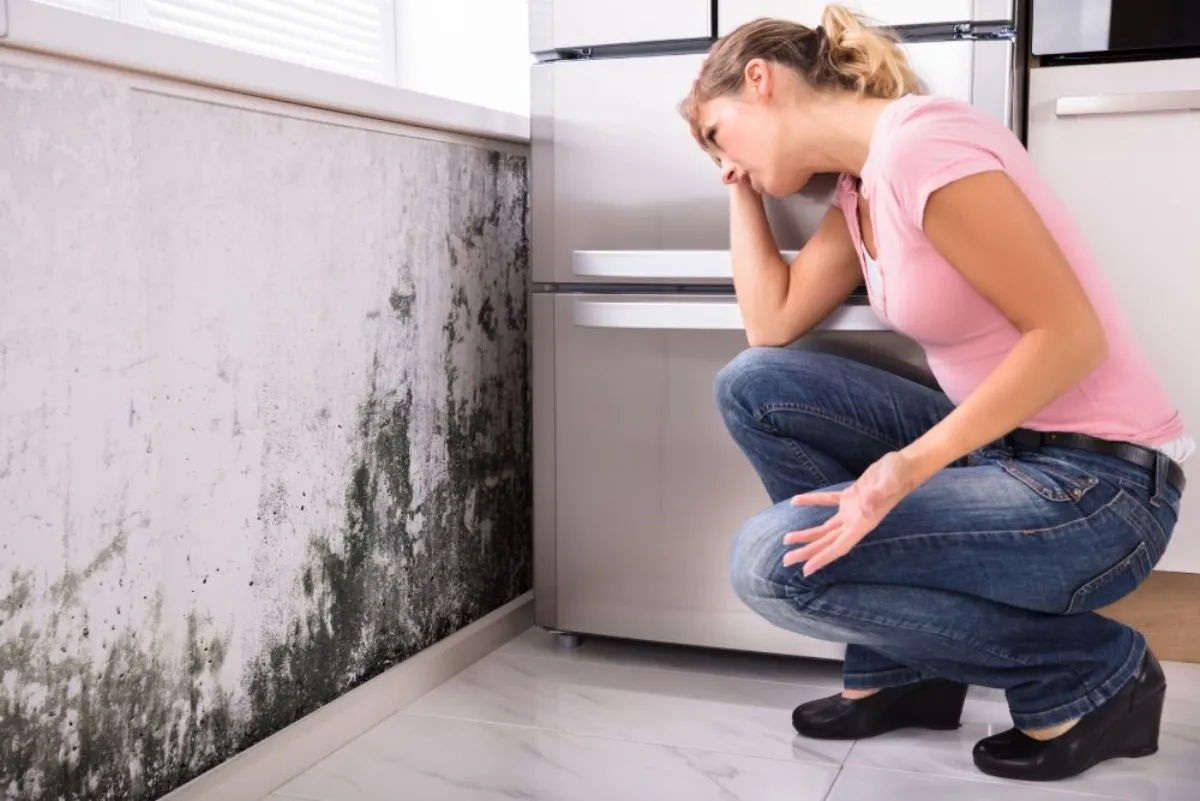
Understanding Mould Inspection Reports: A Buyer's Guide
Mould inspection reports are an essential tool for property buyers in Australia. This guide explains how Australia's climate influences mould growth, common moisture sources, what a professional mould inspection involves, and how to interpret the findings in a mould inspection report.
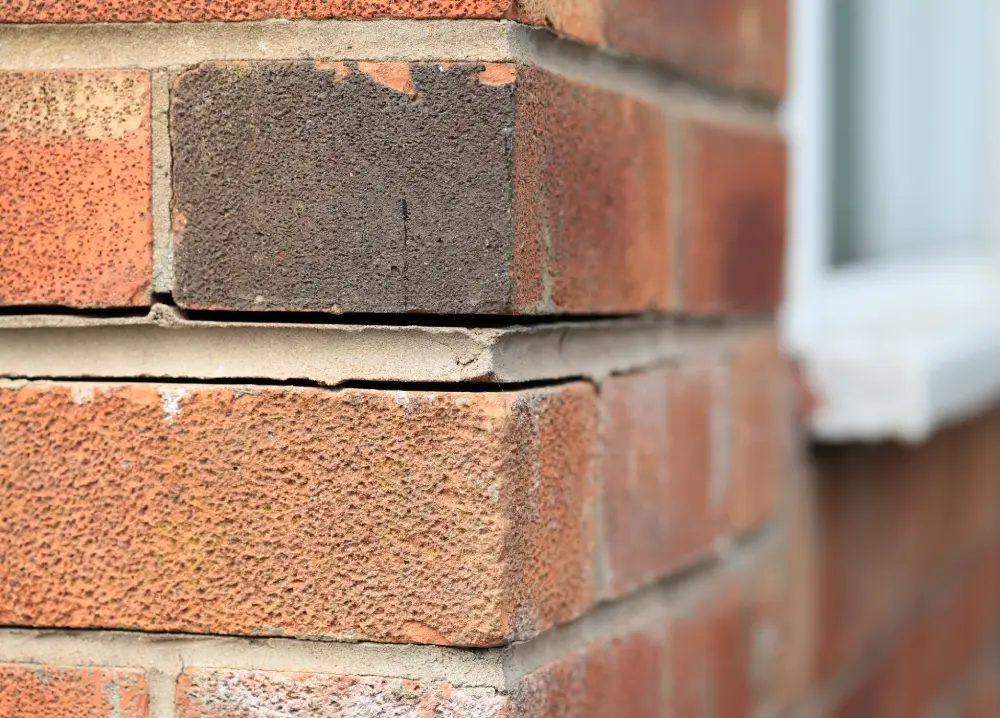
Weep Holes and Their Role in Preventing Water Damage
Weep holes are open mortar joints just above the flashing at the base of brick walls that let water drain out of the wall cavity. The NCC requires them to be at least 50mm high and no more than 1.2m apart. This guide covers spacing, ground and concrete clearance, blockages, warning signs and fixes.
Concerned about the plumbing in a property you own or plan to buy? Owner Inspections provides thorough building inspections across NSW, Victoria, and Queensland. Our licensed inspectors assess plumbing systems, identify hidden leaks, and report on the condition of pipes, fixtures, and hot water systems. Get a quote today or call us on 1300 471 805.