





Dilapidation Reports

Dilapidation Report Cost: Factors That Affect Pricing

Published: 8 January 2025
9 min read
Building inspector documenting property condition for a dilapidation report in Australia

Last updated: 30 January 2026

Dilapidation reports are one of the most effective ways to protect your property before nearby construction begins. But before commissioning one, most property owners want to know exactly what they will pay and what drives the final price.

The cost of a dilapidation report in Australia ranges from around $500 for a basic residential inspection to well over $5,000 for complex commercial properties. Where your report falls within that range depends on a handful of factors, including property type, location, inspection scope, and how quickly you need the report delivered.

A dilapidation report typically costs far less than the legal fees and repair bills you could face without one. Think of it as a small investment that protects you from disputes worth tens of thousands of dollars.

This guide breaks down every pricing factor you should consider, compares costs across major Australian cities, and highlights hidden charges that can inflate your final bill. Whether you are a homeowner, builder, or developer, you will walk away knowing what to budget and how to get the best value from your inspection.


What Is a Dilapidation Report and Why Does It Cost What It Does?

A dilapidation report is a detailed record of a property's existing condition before construction or demolition work starts nearby. It documents cracks, defects, surface damage, and structural features using photographs, measurements, and written descriptions.

The report acts as a baseline. If damage occurs during construction, you can compare the post-construction state against the original report to determine whether the building works caused the problem. Without this documentation, proving construction-related damage becomes extremely difficult.

The cost reflects the level of professional expertise, equipment, time on site, and the detail required in the final document. A rushed, superficial report costs less but offers weaker protection. A thorough report prepared by a licensed inspector costs more but stands up in legal proceedings and insurance claims.


Dilapidation Report Cost by Property Type

Property type is the single biggest factor that determines how much you will pay. Larger, more complex buildings take longer to inspect and require more detailed documentation.

Residential Properties

For a standard residential property such as a house, townhouse, or unit, expect to pay between $500 and $1,500. The lower end of that range covers smaller homes with straightforward layouts. Larger homes with multiple storeys, extensive external areas, or unusual construction materials push the price toward the higher end.

A small apartment or unit with limited external exposure may cost as little as $500 to $700. A four-bedroom house on a full block with separate garage, retaining walls, and established landscaping will typically sit between $900 and $1,500.

Commercial Properties

Commercial properties attract higher fees, typically ranging from $1,500 to $5,000 or more. The price reflects the scale of the building, complexity of internal layouts, and the presence of specialised features such as loading docks, car parks, plant rooms, and facade systems.

Multi-storey commercial buildings, warehouses with large floor plates, and retail complexes with multiple tenancies all sit at the upper end of the pricing scale. Heritage-listed commercial buildings can exceed $5,000 due to the additional documentation requirements for heritage features.

Cost Summary by Property Type

Property TypeTypical Cost RangeKey Cost Drivers
Apartment or unit$500 - $700Limited area, fewer external surfaces
Standard house$700 - $1,200Block size, number of storeys, outbuildings
Large or luxury home$1,200 - $1,500+Complex layouts, extensive grounds, pools
Small commercial$1,500 - $2,500Floor area, internal fitout complexity
Large commercial$2,500 - $5,000+Multiple levels, specialised features
Heritage building$2,000 - $5,000+Detailed heritage feature documentation
Industrial or warehouse$1,500 - $3,500Large floor plates, external hardstand areas

Dilapidation Report Cost by City

Location plays a meaningful role in pricing. Capital cities with higher operating costs and greater demand for inspection services tend to charge more. Regional areas may offer lower base prices but can attract travel surcharges if inspectors need to travel significant distances.

Sydney

Sydney sits at the top of the pricing scale, reflecting the city's high operating costs and strong demand driven by ongoing residential and commercial development. Expect to pay between $800 and $2,500+ for a dilapidation report in Sydney.

The higher end is common for properties near major infrastructure projects such as metro construction, where councils frequently mandate detailed dilapidation documentation for all properties within a specified radius.

Melbourne

Melbourne pricing is slightly below Sydney, ranging from $750 to $2,300+. The city's extensive suburban development and ongoing transport infrastructure projects keep demand for dilapidation reports consistently high.

Properties near level crossing removal projects and suburban rail loop works are regularly subject to mandatory dilapidation reporting requirements, which has increased the availability of providers and helped moderate pricing somewhat.

Brisbane

Brisbane reports typically cost between $700 and $2,000+. The city's rapid growth, particularly in the lead-up to the 2032 Olympics, has driven significant construction activity and corresponding demand for dilapidation documentation.

Queensland Building and Construction Commission (QBCC) requirements apply to many construction projects in the Brisbane region, making dilapidation reports a frequent necessity.

Perth

Perth offers some of the more competitive pricing in the capital city market, with reports ranging from $650 to $1,800+. The market is influenced by the cyclical nature of Western Australia's construction industry, which is tied to mining sector activity and population growth patterns.

Adelaide

Adelaide generally has the lowest capital city pricing, with reports costing between $600 and $1,700+. The smaller market and lower operating costs contribute to more affordable rates, though availability of qualified inspectors may be more limited for specialised property types.

City-by-City Pricing Comparison

CityResidential RangeCommercial RangeKey Market Factors
Sydney$800 - $1,500+$1,800 - $2,500+High demand, major infrastructure projects
Melbourne$750 - $1,400+$1,700 - $2,300+Transport projects, suburban development
Brisbane$700 - $1,300+$1,500 - $2,000+Olympics preparation, population growth
Perth$650 - $1,200+$1,400 - $1,800+Mining-linked cycles, competitive market
Adelaide$600 - $1,100+$1,300 - $1,700+Lower operating costs, smaller market

How Inspection Scope Affects Pricing

Not all dilapidation reports cover the same ground. The scope of the inspection is something you can influence, and it directly affects both the cost and the level of protection the report provides.

Basic Exterior-Only Reports

A basic report covering only external surfaces is the most affordable option. It documents the exterior walls, fencing, driveways, footpaths, and any visible structural elements from outside the property. These reports typically cost 20 to 30 percent less than comprehensive reports.

While cheaper, exterior-only reports carry real limitations. Construction vibrations and ground movement can cause internal cracking and damage that is not visible from outside. If you rely solely on an exterior report, you may have no documented baseline for internal damage claims.

Comprehensive Interior and Exterior Reports

A comprehensive report covers all accessible areas, both inside and out. It documents walls, ceilings, floors, doors, windows, wet areas, and any internal features that could be affected by nearby construction. This is the recommended standard for most situations.

The additional time required to inspect internal areas adds to the cost, but the protection is substantially greater. For a residential property, expect to pay an additional $200 to $400 for full interior coverage compared to an exterior-only report.

Heritage Building Inspections

Heritage-listed buildings require specialised documentation that goes beyond a standard report. Inspectors must record ornamental features, original materials, heritage fabric, and other elements that hold cultural significance. This detailed work increases both the time on site and the reporting effort.

Heritage reports can cost 30 to 50 percent more than standard reports for comparable property sizes. The Environmental Planning and Assessment Act 1979 (NSW) and equivalent legislation in other states often impose specific requirements for heritage properties near construction sites.


Professional Expertise and Its Impact on Cost

The qualifications and experience of the inspector affect both the quality of the report and the price. Choosing the cheapest option is rarely the best strategy when the report may need to hold up in tribunal or court proceedings.

Licensed Building Inspectors

Licensed building inspectors are qualified to conduct standard dilapidation inspections for most residential and commercial properties. Their rates reflect their training, licensing fees, insurance costs, and ongoing professional development requirements.

An independent dilapidation report prepared by a licensed inspector who has no commercial relationship with the builder or developer carries the strongest evidentiary weight. Independence is just as important as qualifications when selecting a provider.

Structural Engineers

For properties where structural integrity is a particular concern, such as those near deep excavation, tunnelling, or piling works, engaging a structural engineer to prepare or review the dilapidation report may be appropriate. Structural engineers charge higher rates, typically $200 to $350 per hour, which increases the overall report cost.

Engineer involvement is most commonly warranted for commercial properties, multi-storey buildings, or residential properties on reactive soils near significant excavation works.

Surveyors with Specialist Equipment

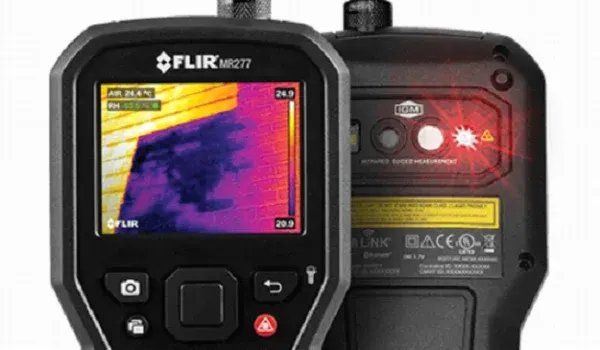
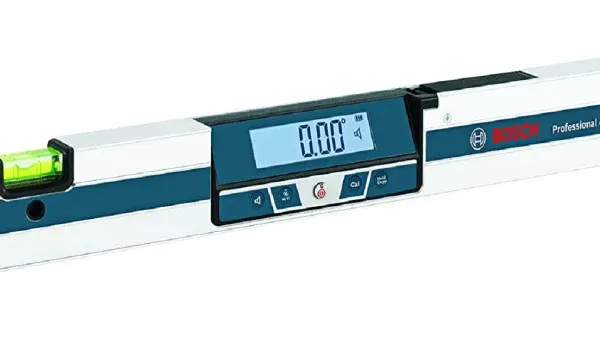
Some dilapidation inspections benefit from specialist equipment such as thermal imaging cameras, laser levels, moisture meters, and drone photography. Inspectors who provide these additional capabilities typically charge a premium, but the enhanced documentation can be invaluable in dispute resolution.


Urgency and Timing Surcharges

How quickly you need the report affects what you will pay. Standard turnaround times allow inspectors to schedule efficiently and keep costs down. Rush jobs attract surcharges.

Standard Turnaround

Most providers offer a standard turnaround of five to ten business days from inspection to report delivery. This is the most cost-effective option and suits situations where you have advance notice of upcoming construction.

Express and Urgent Reports

If construction is about to commence and you need documentation quickly, expect to pay a premium. Express turnaround within 24 to 48 hours typically attracts a surcharge of 25 to 50 percent on top of the standard price.

At Owner Inspections, we offer 24-hour report turnaround as standard, which means you do not need to pay express surcharges to get your documentation quickly. This is particularly valuable when construction timelines shift unexpectedly and you need to act fast.

Weekend and After-Hours Inspections

Inspections conducted outside standard business hours attract additional charges. If the property is only accessible on weekends or evenings, budget an extra 20 to 30 percent above the standard inspection fee.


Hidden Costs to Watch For

The quoted price for a dilapidation report does not always represent the total cost. Several additional expenses can emerge during or after the process.

Multiple Visits

Some properties require more than one inspection visit. Large commercial sites, properties with restricted access areas, or buildings where tenants need to provide access at different times can all result in multiple site visits. Each additional visit adds to the cost, typically $200 to $500 per return visit depending on the property location.

Confirm with your provider upfront whether the quoted price includes a single visit or accounts for potential return visits. Arranging full access for the initial inspection is the simplest way to avoid this extra cost.

Complex or Unusual Structures

Properties with unusual construction methods, difficult access points, or complex structural systems may attract higher fees. Homes built on steep slopes, buildings with concealed structural elements, or properties with extensive underground areas all require additional inspection time and expertise.

Discuss any unusual features with your provider before confirming the engagement so the quote accurately reflects the work involved.

If the dilapidation report is being prepared for use in legal proceedings or as part of a development consent condition, you may incur additional costs for legal review of the document. Solicitors reviewing the report for adequacy and compliance with consent conditions typically charge $300 to $800 for the review.

While this is not a cost charged by the inspection provider, it is a real expense that property owners should factor into their overall budget.

Post-Construction Comparison Reports

A dilapidation report captures the pre-construction condition. After construction finishes, a comparison inspection is needed to identify any changes. This post-construction report is a separate engagement and typically costs 60 to 80 percent of the original report fee.

The dilapidation report process includes both pre-construction and post-construction phases. Budget for both from the outset to avoid being caught short when the time comes to assess whether damage has occurred.


When Do You Need a Dilapidation Report?

Understanding when a report is required or strongly recommended helps you plan your budget in advance. A pre-construction dilapidation report is essential in several common scenarios.

Many local councils include dilapidation report requirements as conditions of development approval. If you are the property owner adjacent to approved construction, the builder or developer is often required to arrange and pay for the report. Check the development consent conditions to confirm who bears the cost.

Voluntary Protection

Even when not mandated by council, commissioning your own dilapidation report before nearby construction is a smart investment. The cost is modest compared to the potential expense of pursuing a damage claim without baseline documentation.

Builder and Developer Risk Management

Builders and developers who commission dilapidation reports for neighbouring properties protect themselves from unfounded damage claims. The cost of documenting existing conditions is far less than defending against claims where no baseline evidence exists.


How to Choose a Provider and Get Value for Money

Not all dilapidation report providers deliver the same quality or value. Choosing wisely can save you money and ensure the report serves its purpose if a dispute arises.

Compare Scope, Not Just Price

The cheapest quote may cover only external areas or provide limited photographic documentation. Ask each provider exactly what the report will include, how many photographs will be taken, whether internal areas are covered, and what format the final report will be delivered in.

Check Qualifications and Insurance

Verify that the inspector holds current licensing with the relevant state building authority, such as NSW Fair Trading in New South Wales or QBCC in Queensland. Confirm they carry professional indemnity insurance and public liability insurance. A report prepared by an unqualified or uninsured inspector may be worthless in a dispute.

Ask About Turnaround and Inclusions

Clarify the turnaround time for report delivery and whether the quoted price includes all costs. Ask specifically about potential surcharges for travel, difficult access, return visits, or express delivery.

Consider Experience with Your Property Type

An inspector experienced with your type of property will work more efficiently and produce a more relevant report. Commercial property owners should seek inspectors with commercial building experience. Heritage property owners should look for inspectors familiar with heritage documentation requirements.


Frequently Asked Questions

How much does a dilapidation report cost in Australia?

Short answer: Residential dilapidation reports typically cost between $500 and $1,500, while commercial reports range from $1,500 to $5,000 or more depending on property size and complexity.

The final price depends on property type, location, inspection scope, inspector qualifications, and turnaround time. Sydney and Melbourne tend to be the most expensive markets, while Adelaide and Perth offer more competitive rates. Requesting a comprehensive report covering both interior and exterior areas is recommended for the strongest protection.

Who pays for the dilapidation report?

Short answer: It depends on the circumstances. When a council development consent condition requires a report, the builder or developer typically pays. When a property owner voluntarily commissions a report, they bear the cost.

In some cases, property owners arrange their own independent report even when the builder provides one, to ensure objectivity. The cost of an independent report is the property owner's responsibility but provides stronger protection in any dispute.

Is a dilapidation report worth the cost?

Short answer: Yes. The cost of a dilapidation report is minimal compared to the potential expense of proving construction-related damage without baseline documentation.

Structural repair costs for construction-related damage can run into tens of thousands of dollars. Legal costs for property damage disputes regularly exceed $10,000. A dilapidation report costing $500 to $1,500 provides documented evidence that can resolve disputes quickly or support successful claims.

Can I get a cheaper report by only covering the exterior?

Short answer: Yes, exterior-only reports cost 20 to 30 percent less than comprehensive reports, but they provide weaker protection.

Construction vibrations often cause internal cracking and damage that is not visible externally. If you rely on an exterior-only report, you will have no documented baseline for internal damage claims. The small saving is rarely worth the reduced protection.

How long does a dilapidation inspection take?

Short answer: A standard residential inspection takes one to two hours on site. Commercial properties may require half a day or more depending on size and complexity.

The on-site inspection time is only part of the process. Report preparation, including organising photographs and writing detailed descriptions, adds additional time. Total turnaround from inspection to report delivery ranges from 24 hours to ten business days depending on the provider.

Do I need a dilapidation report for minor construction work nearby?

Short answer: It depends on the type and proximity of the construction. Minor works such as small renovations or landscaping generally do not warrant a report, but any work involving excavation, demolition, or heavy machinery near your property boundary does.

If the construction involves piling, deep excavation, demolition, or heavy vehicle access near your property, a dilapidation report is strongly recommended regardless of the project size. The risk of vibration damage and ground movement exists even with smaller projects.

What is included in a dilapidation report?

Short answer: A comprehensive report includes property identification, dated and timestamped photographs of all accessible areas, written descriptions of existing defects, measurements of cracks and damage, and the inspector's qualifications and insurance details.

The report creates a detailed baseline record of the property's condition at a specific point in time. Quality reports include hundreds of high-resolution photographs with annotations identifying the location and nature of each documented feature.

How far in advance should I arrange a dilapidation report?

Short answer: Arrange the report after development approval is granted but at least two weeks before any site works begin, including demolition, site clearing, or temporary fencing installation.

Leaving the report too late risks missing the pre-construction baseline. If site works have already begun before the report is completed, the document loses its value as a true baseline record. Early planning ensures you have the report in place before any construction activity could affect your property.

Can I use a dilapidation report in court?

Short answer: Yes. A dilapidation report prepared by a qualified, independent inspector is admissible as evidence in court and tribunal proceedings including NCAT, VCAT, and QCAT.

The report's evidentiary value depends on the qualifications and independence of the inspector, the thoroughness of the documentation, and the methodology used. Reports prepared by inspectors with no commercial relationship to any party carry the strongest weight.

What happens if I do not get a dilapidation report and damage occurs?

Short answer: Without a pre-construction baseline, proving that damage was caused by construction rather than pre-existing conditions becomes very difficult and expensive.

You may still be able to pursue a damage claim, but the burden of proof is significantly harder to meet. Expert evidence and forensic analysis may be required, costing far more than the original dilapidation report would have. Courts and tribunals place substantial weight on documented pre-construction evidence, and its absence weakens any claim.

Does Owner Inspections offer dilapidation reports?

Short answer: Yes. Owner Inspections provides comprehensive dilapidation reports across Australia with a 24-hour turnaround time.

Our licensed building inspectors prepare detailed reports covering both interior and exterior areas, with extensive photographic documentation and written descriptions. We operate independently of builders and developers, ensuring every report is objective and suitable for use in legal proceedings if required.


Key Takeaways

  • Residential dilapidation reports typically cost between $500 and $1,500, while commercial reports range from $1,500 to $5,000 or more depending on property size and complexity.
  • Sydney is the most expensive market for dilapidation reports, with prices starting around $800 for residential properties, while Adelaide offers the most competitive capital city rates from around $600.
  • Comprehensive reports covering both interior and exterior areas cost more than exterior-only reports but provide substantially stronger protection in damage disputes.
  • Hidden costs including multiple site visits, legal review, and post-construction comparison reports can add significantly to the total expense if not planned for in advance.
  • The qualifications and independence of the inspector directly affect both the quality and legal standing of the report, making the cheapest option rarely the best value.
  • Arranging reports at least two weeks before site works commence ensures the baseline documentation is in place before any construction activity could affect the property.
  • Owner Inspections offers 24-hour turnaround on comprehensive dilapidation reports, eliminating the need for express surcharges.

Protect Your Property Before Construction Starts

If construction is planned near your property, do not wait until site works begin. Contact Owner Inspections to arrange a comprehensive dilapidation report with 24-hour turnaround. Our licensed, independent inspectors document your property's condition thoroughly, giving you the baseline evidence you need to protect your investment.

Related Topics:

dilapidation reportreport costproperty protectionconstructionpre-constructionpricingAustralia