

Independent dilapidation reports have become an essential safeguard in Australia's construction industry, providing property owners, builders, and developers with impartial documentation of property conditions before adjacent construction or excavation work begins. Unlike council-mandated surveys or builder-commissioned reports, independent dilapidation reports are prepared by third-party professionals with no vested interest in the construction outcome, ensuring complete objectivity and legal credibility.
The Australian construction sector continues to experience significant growth, with major infrastructure projects, residential developments, and commercial construction activities occurring in urban centres across the country. This increased construction activity heightens the risk of damage to neighbouring properties through vibrations, ground movement, excavation works, and heavy machinery operations. Independent dilapidation reports provide the documented baseline evidence necessary to protect all parties involved when disputes arise.
Whether you are a homeowner concerned about a neighbouring high-rise development, a property investor protecting your portfolio, or a builder seeking to limit liability exposure, understanding the value and process of independent dilapidation services is crucial. This comprehensive guide examines the legal framework, practical applications, and selection criteria for independent dilapidation report services across Australian jurisdictions.
An independent dilapidation report is your strongest defence in construction damage disputes. Without impartial baseline documentation, proving whether damage existed before construction becomes a matter of speculation rather than evidence.
What is an Independent Dilapidation Report?
An independent dilapidation report is a detailed condition survey prepared by a qualified building inspector who has no commercial relationship with the property owner, builder, developer, or any other party involved in the construction project. This independence is the defining characteristic that distinguishes these reports from builder-commissioned surveys or council assessments, providing enhanced credibility and legal standing.
The report provides an unbiased, third-party assessment of a property's condition before and after construction projects. By creating detailed documentation at specific points in time, these reports establish clear evidence that can be referenced if disputes arise regarding property damage. The inspector's independence ensures that all defects, cracks, and conditions are documented without bias or omission.
Independent dilapidation reports follow Australian Standard AS 4349.0 general requirements for property inspections, using metric measurements and standardised terminology. This compliance with recognised industry standards ensures the report will be accepted by councils, insurers, legal professionals, and tribunals across all Australian jurisdictions.
Key Components of Independent Reports
- Visual Documentation: High-resolution photographs and written descriptions capturing existing defects throughout the property, including date stamps and measurement references where appropriate.
- Structural Assessments: Analysis of walls, floors, ceilings, foundations, and drainage systems to establish baseline conditions, with crack measurements recorded in millimetres for future comparison.
- Legal Significance: Legally accepted in disputes and insurance claims, providing objective evidence of pre-construction conditions that meets evidentiary standards.
- Inspector Credentials: Details of the inspector's qualifications, licensing, professional indemnity insurance, and declaration of independence from all parties.
- Methodology Statement: Clear explanation of inspection procedures, equipment used, and limitations, ensuring transparency and reproducibility.
When Independent Reports Are Required
Independent dilapidation reports are required or strongly recommended in numerous circumstances across Australian construction projects. Local councils frequently mandate these reports as conditions of development approval under the Environmental Planning and Assessment Act 1979 (NSW) and equivalent legislation in other states. Development consent conditions often specify that dilapidation reports must be prepared by independent inspectors with no affiliation to the development applicant.
Reports are typically needed before major construction projects, for properties near excavation sites, during commercial property tenancy transitions, and when construction involves piling, tunnelling, or demolition activities. Insurance policies for builders and developers may also require independent dilapidation surveys as a condition of coverage for third-party property damage claims.
Australian Legal Framework for Dilapidation Reports
Understanding the legal framework governing dilapidation reports in Australia helps property owners and construction professionals appreciate their importance and ensure compliance with regulatory requirements. Several key pieces of legislation and regulatory frameworks apply across different jurisdictions.
Environmental Planning and Assessment Act 1979 (NSW)
In New South Wales, the Environmental Planning and Assessment Act 1979 (EP&A Act) establishes the framework for development assessment and approval. Section 4.17 of the Act empowers consent authorities to impose conditions on development consents, including requirements for dilapidation reports. Standard consent conditions frequently require pre-construction dilapidation surveys for properties within specified distances of development sites, particularly for projects involving excavation deeper than two metres, basement construction, demolition of existing structures, or construction within three metres of property boundaries.
The EP&A Regulation 2021 further supports these requirements, with Schedule 2 outlining conditions that may be imposed to protect adjoining properties. Local Environmental Plans (LEPs) and Development Control Plans (DCPs) prepared by individual councils may contain additional specific requirements for dilapidation reports based on local conditions and development patterns.
Civil Liability Act 2002
The Civil Liability Act 2002 and its equivalents across Australian states establish the framework for negligence claims and property damage liability. Under this legislation, property owners who suffer damage from neighbouring construction activities may seek compensation if they can demonstrate that the damage resulted from the construction company's negligence or failure to take reasonable precautions.
Independent dilapidation reports play a crucial role in civil liability claims by establishing the property's pre-construction condition. Section 5B of the Act requires claimants to demonstrate that the defendant's conduct fell below the standard of care expected of a reasonable person. Dilapidation reports provide the baseline evidence necessary to compare pre and post-construction conditions, supporting claims that damage occurred as a result of construction activities.
State Building Regulations
Each Australian state and territory maintains building regulations that may affect dilapidation report requirements. The following table summarises the key regulatory bodies and relevant legislation across jurisdictions.
| State/Territory | Regulatory Body | Key Legislation | Inspector Licensing |
|---|---|---|---|
| New South Wales | NSW Fair Trading | Home Building Act 1989, EP&A Act 1979 | Building Inspector Licence required |
| Victoria | Victorian Building Authority | Building Act 1993, Domestic Building Contracts Act 1995 | VBA registration required |
| Queensland | QBCC | Building Act 1975, QBCC Act 1991 | QBCC licence required |
| South Australia | Consumer and Business Services | Planning, Development and Infrastructure Act 2016 | Building work contractor licence |
| Western Australia | Building and Energy Division (DMIRS) | Building Act 2011, Building Services Act 2011 | Building surveyor registration |
| Tasmania | Consumer, Building and Occupational Services | Building Act 2016 | Building practitioner accreditation |
| ACT | Access Canberra (Construction Occupations) | Building Act 2004, Construction Occupations Act 2004 | Construction Occupations Licence |
| Northern Territory | NT Building Advisory Services | Building Act 1993 (NT) | Building practitioner registration |
Local Council DA Conditions
Local councils across Australia regularly impose dilapidation report requirements as conditions of development approval. These conditions vary between councils but typically specify the following requirements:
- Survey radius: The distance from the construction site within which properties must be surveyed, typically ranging from 15 to 50 metres depending on construction type and scale.
- Timing requirements: Reports must be completed and submitted to council before any site works commence, including demolition or site preparation.
- Inspector qualifications: Many councils specify that inspectors must hold relevant licensing and professional indemnity insurance, with some requiring independence from the development applicant.
- Report format: Councils may specify minimum requirements for photographic documentation, written descriptions, and report structure.
- Public infrastructure: In addition to private property surveys, councils often require documentation of footpaths, kerbs, road surfaces, street trees, and other public assets that may be affected by construction traffic or activities.
Insurance Requirements
Insurance considerations affect both the requirement for dilapidation reports and the qualifications of inspectors who prepare them. Builders' construction insurance policies commonly include conditions relating to dilapidation surveys:
- Policy conditions: Many construction insurance policies require pre-construction dilapidation surveys as a condition of coverage for third-party property damage claims. Failure to obtain appropriate surveys may void coverage or reduce claim payouts.
- Professional indemnity: Inspectors preparing dilapidation reports should hold professional indemnity insurance with coverage appropriate to the value of properties being surveyed. This protects clients if errors or omissions in the report cause financial loss.
- Home warranty insurance: Under the Home Building Act 1989 (NSW) and equivalent legislation in other states, builders must hold home warranty insurance for residential construction work. Dilapidation reports support claims assessment processes under these insurance schemes.
Why Independent Surveyors Matter
The independence of the surveyor preparing a dilapidation report is perhaps the most critical factor affecting the report's credibility and usefulness. Understanding why independence matters helps property owners and construction professionals make informed decisions about report procurement.
The value of a dilapidation report lies in its objectivity. A report prepared by a surveyor with commercial ties to any party in the construction process is inherently compromised, regardless of the surveyor's intentions or professional integrity.
Advantages Over Builder-Commissioned Reports
Independent reports avoid the conflicts of interest present in builder-provided assessments. When a builder commissions their own dilapidation survey, there may be inherent bias in how existing conditions are documented or interpreted, even if unintentional. Builders have a financial interest in minimising the documented baseline of existing defects, as this reduces their potential liability for post-construction damage claims.
Courts and tribunals in Australia have long recognised the importance of independent expert evidence. In construction damage disputes, reports prepared by surveyors engaged by the defendant builder are typically accorded less weight than independent assessments. The landmark case of Makita (Australia) Pty Ltd v Sprowles (2001) established principles for expert evidence admissibility that apply to dilapidation report disputes, emphasising the importance of independence and objectivity.
Advantages Over Council Reports
Council-prepared dilapidation surveys serve a different purpose than independent reports and often lack the necessary detail for comprehensive property protection. Council surveys typically focus on public infrastructure such as footpaths, kerbs, and road surfaces, rather than private property conditions. They may be prepared by council staff without specific building inspection qualifications and may not follow the systematic methodology used by professional building inspectors.
Independent reports offer accurate, detailed, and bias-free evaluations compared to government-issued reports, which may lack the necessary detail for comprehensive protection. Private surveyors invest the time required to thoroughly document every area of a property, whereas council resources often limit the depth of assessment possible for individual properties.
Professional Benefits of Independence
- Licensed professionals: Accredited by Australian regulatory bodies including state fair trading departments and building authorities, with ongoing professional development requirements.
- Greater accuracy: Comprehensive documentation using professional equipment and systematic inspection methodologies developed specifically for dilapidation assessment.
- Faster turnaround times: Dedicated inspection services can deliver reports more quickly than government agencies, often within three to five business days.
- Protection against liability: Detailed baseline evidence protects against unfounded compensation claims and provides defensible documentation if disputes proceed to litigation.
- Expert witness capability: Independent inspectors can provide expert witness testimony in court or tribunal proceedings, explaining their findings and defending their methodology under cross-examination.
Comparison: Independent, Council, and Builder Reports
The following table compares the characteristics of dilapidation reports prepared by independent surveyors, council officers, and builder-engaged inspectors.
| Characteristic | Independent Reports | Council Reports | Builder Reports |
|---|---|---|---|
| Objectivity | Highest level of independence | Generally objective but limited scope | Potential conflict of interest |
| Detail Level | Comprehensive interior and exterior | Often limited to public infrastructure | Varies, may minimise existing defects |
| Legal Standing | Strongest evidentiary weight | Acceptable but limited value | May be challenged on bias grounds |
| Cost | $400 to $1,200 typically | Often included in DA fees | $300 to $800 typically |
| Turnaround Time | 3 to 5 business days | Variable, often weeks | 2 to 5 business days |
| Inspector Qualifications | Licensed building inspectors | Council staff, variable qualifications | May use subcontractors |
| Professional Indemnity | Typically $1M to $10M coverage | Council insurance applies | Varies, may be limited |
| Expert Witness Availability | Inspector available for testimony | Limited availability | May have conflict in disputed matters |
What Independent Reports Include
Comprehensive independent dilapidation reports contain detailed documentation that meets both legal and practical requirements for property condition assessment. The following sections outline the standard components of a professional independent report.
Report Components
| Component | Description | Purpose |
|---|---|---|
| Executive Summary | Overview of key findings and property condition | Quick reference for stakeholders |
| Property Details | Address, property type, construction type, age | Property identification and context |
| Inspection Methodology | Equipment used, areas accessed, limitations | Transparency and reproducibility |
| External Assessment | Walls, roof, foundations, fencing, paving | Baseline for construction-affected areas |
| Internal Assessment | Walls, ceilings, floors, doors, windows | Comprehensive interior documentation |
| Photographic Schedule | Numbered photographs with location references | Visual evidence cross-referenced to text |
| Defect Schedule | Itemised list of existing defects with measurements | Quantitative baseline for comparison |
| Inspector Credentials | Qualifications, licensing, insurance details | Verification of inspector competence |
| Independence Declaration | Statement confirming no conflicts of interest | Establishes report objectivity |
Photographic Documentation Standards
Professional independent dilapidation reports include extensive photographic documentation following industry best practices:
- High-resolution images: Minimum 12 megapixel resolution ensuring detail is preserved for future comparison and enlargement if required.
- Date and time stamps: Embedded metadata recording exactly when each photograph was captured, creating an unalterable timeline.
- Measurement references: Scale rulers or crack width gauges included in photographs of defects to provide objective size reference.
- Context photographs: Wide-angle shots establishing the location of defects within the overall property layout.
- Close-up detail: Macro photographs of cracks, damage, and defects showing precise condition and extent.
- Systematic coverage: All elevations, rooms, and external areas documented regardless of current condition to establish comprehensive baseline.
Measurement and Analysis
Quantitative measurements distinguish professional independent reports from basic visual surveys. Inspectors record precise measurements including:
- Crack widths: Measured in millimetres using calibrated crack width gauges, with measurements recorded at multiple points along longer cracks.
- Crack lengths: Total length measured and recorded, with notation of whether cracks are active or dormant.
- Floor levels: Where significant variations exist, floor level surveys may be conducted using laser levels or other surveying equipment.
- Door and window operation: Assessment of opening, closing, and latching function to establish baseline operation.
- Existing movement patterns: Analysis of crack patterns, settlement indicators, and historical movement that may be relevant to construction impact assessment.
Cost Factors for Independent Dilapidation Reports
Understanding the factors that influence the cost of independent dilapidation reports helps property owners and construction professionals budget appropriately and evaluate quotes from different providers.
| Factor | Impact on Cost | Typical Range |
|---|---|---|
| Property Size | Larger properties require more inspection time | $50 to $150 per additional 100m2 |
| Property Type | Commercial and heritage properties more complex | 20% to 50% premium for complex properties |
| Inspection Scope | External only vs comprehensive interior and exterior | External: $300 to $500; Full: $500 to $1,200 |
| Access Complexity | Difficult access or multiple access arrangements | $50 to $200 additional |
| Location | Travel time and regional accessibility | Travel fees vary by distance |
| Urgency | Expedited turnaround requirements | 25% to 50% premium for urgent requests |
| Multiple Properties | Volume discounts for multiple property surveys | 10% to 25% discount for 3+ properties |
When evaluating quotes, ensure you are comparing like-for-like services. Cheaper quotes may exclude interior inspection, provide limited photographic documentation, or be prepared by inspectors without appropriate qualifications or insurance. The cost of a comprehensive independent report is minimal compared to the potential cost of inadequate documentation in a damage dispute.
Choosing the Right Independent Surveyor
Selecting an appropriately qualified and genuinely independent surveyor is essential for obtaining a reliable and useful dilapidation report. The following criteria should guide your selection process.
Essential Qualifications
Independent surveyors preparing dilapidation reports should hold appropriate qualifications and licensing for their state or territory. At minimum, verify the following credentials:
- Building inspector licence: Current registration with the relevant state building authority (NSW Fair Trading, VBA, QBCC, etc.) confirming competence to conduct building inspections.
- Professional qualifications: Diploma of Building and Construction or equivalent, with additional training or certification in building inspection methodologies.
- Professional indemnity insurance: Current policy with adequate coverage (typically minimum $1 million) providing protection if errors or omissions in the report cause financial loss.
- Public liability insurance: Coverage for any damage or injury that may occur during the inspection process.
Verifying Independence
True independence requires more than simply not being employed by the builder. When assessing a surveyor's independence, consider the following factors:
- No commercial relationships: The surveyor should have no ongoing business relationships with the builder, developer, property owner, or any other party involved in the construction project.
- No referral arrangements: Surveyors who receive referrals or commissions from builders may have incentives that compromise their objectivity.
- Declaration of independence: Professional surveyors should provide a written declaration confirming their independence from all parties, included within the report.
- Direct engagement: Ideally, the property owner or their legal representative should engage the surveyor directly, rather than accepting a builder-arranged report.
Questions to Ask Potential Surveyors
- What licensing and qualifications do you hold, and can you provide copies?
- What is your professional indemnity insurance coverage amount and current expiry date?
- Do you have any commercial relationship with any party involved in this construction project?
- Can you provide sample reports demonstrating your standard format and detail level?
- What is your turnaround time for report delivery?
- Do you have experience with properties similar to mine in type and complexity?
- Are you available to provide expert witness testimony if required?
- What equipment do you use for inspection and documentation?
Case Examples: Independent Reports in Practice
The following case examples illustrate how independent dilapidation reports protect property owners and construction companies in real-world situations.
Case 1: Residential Property Near High-Rise Development
A homeowner in Sydney's inner west arranged an independent dilapidation report before construction of an adjacent eight-storey apartment development commenced. The report documented existing hairline cracks in the living room ceiling and minor settlement cracks in the external brickwork, with precise measurements of crack widths recorded.
During construction, which involved deep basement excavation and piling, the homeowner noticed the existing cracks had widened and new cracks had appeared. A post-construction comparison inspection by the same independent surveyor documented the changes, measuring crack widths that had increased from 0.5mm to 3mm in several locations.
The documented evidence enabled the homeowner to successfully negotiate compensation from the developer for structural repairs, with the independent report's measurements providing irrefutable evidence of the extent of damage caused by construction activities.
Case 2: Builder Protected from Unfounded Claims
A Melbourne builder undertaking a residential extension project commissioned independent dilapidation reports for three neighbouring properties before commencing work. One neighbour initially declined to participate but reconsidered after the builder explained the report would protect both parties.
Following project completion, one neighbour claimed that new cracks had appeared in their boundary fence and driveway. Reference to the independent pre-construction report revealed that both the fence damage and driveway cracking were clearly documented before construction commenced, with photographs and measurements proving the conditions pre-existed.
The independent report enabled the builder to conclusively demonstrate that the alleged damage was not caused by construction activities, avoiding a potentially costly dispute and preserving the business relationship with the neighbour.
Case 3: Tribunal Proceedings and Expert Evidence
A commercial property owner in Brisbane claimed significant structural damage following adjacent road widening works conducted by a state government contractor. The dispute proceeded to the Queensland Civil and Administrative Tribunal (QCAT) when negotiations failed to reach agreement.
The property owner's case relied heavily on an independent dilapidation report prepared before construction, which documented minor existing cracks with measurements and photographs. The independent surveyor provided expert witness testimony, explaining the baseline conditions and the methodology used to assess pre and post-construction changes.
The tribunal accepted the independent report as credible evidence, contrasting it with the contractor's own assessment which was criticised for lacking independence. The tribunal found in favour of the property owner, ordering compensation for repairs based on the documented evidence of construction-related damage.
Common Pitfalls to Avoid
Property owners and developers should be aware of common mistakes that can undermine the effectiveness of dilapidation reports:
- Delaying reports until after construction begins: Once work commences, it becomes impossible to establish true baseline conditions. Reports must be completed before any construction activity starts, including demolition or site preparation works.
- Accepting builder-commissioned reports without review: While builders may offer to arrange dilapidation reports, property owners should consider commissioning their own independent assessment to ensure complete objectivity.
- Selecting inspectors based on price alone: Cheaper reports may lack the detail and professional standards necessary for effective protection. The cost difference between basic and comprehensive reports is minimal compared to potential dispute costs.
- Failing to verify inspector credentials: Not all inspectors claiming to prepare dilapidation reports hold appropriate qualifications or insurance. Always verify licensing and insurance before engagement.
- Inadequate photographic documentation: Reports with insufficient or poor-quality photographs may not provide adequate evidence if disputes arise. Ensure reports include comprehensive, high-resolution photographic documentation.
- Excluding interior inspection: External-only reports may miss damage to internal elements caused by vibrations or ground movement. Comprehensive interior and exterior assessment provides complete protection.
- Not arranging comparison inspection: The pre-construction report only provides value when compared with post-construction conditions. Budget for and arrange a comparison inspection after construction is completed.
Frequently Asked Questions
What is the legal significance of an independent dilapidation report?
Short answer: An independent dilapidation report creates a timestamped record that carries significant evidentiary weight in disputes, insurance claims, and tribunal or court proceedings.
The report serves as objective evidence documenting the property's condition at a specific point in time, prepared by a professional with no vested interest in the outcome. This independence gives the report greater credibility than assessments prepared by parties with commercial interests. Australian courts and tribunals, including NCAT, VCAT, and QCAT, routinely accept independent dilapidation reports as evidence in property damage disputes. Under the Civil Liability Act 2002 and equivalent legislation, claimants must demonstrate the property's pre-construction condition to establish that damage occurred as a result of construction activities. Without independent baseline documentation, proving causation becomes significantly more difficult.
How does an independent report differ from a builder-commissioned report?
Short answer: Independent reports are prepared by surveyors with no commercial relationship to any party, eliminating potential bias and providing stronger evidentiary value.
When a builder commissions a dilapidation report, there is an inherent commercial relationship between the inspector and the party who may later be liable for damage claims. Even if the inspector acts with complete integrity, this relationship creates the appearance of potential bias that can be challenged in legal proceedings. Courts and tribunals accord greater weight to reports prepared by truly independent surveyors who have no financial or commercial incentive to minimise or maximise the documented baseline conditions. Independent reports also typically include a declaration of independence confirming the surveyor has no conflicts of interest.
What factors affect the cost of an independent dilapidation report?
Short answer: Pricing depends on property size, inspection scope (external only vs comprehensive), property complexity, location, and urgency of turnaround requirements.
Larger properties require more time to inspect and document thoroughly. Complex sites with difficult access, multiple buildings, or heritage features may require additional time and specialised assessment. The level of detail required also affects pricing, with comprehensive reports covering both interior and exterior areas costing more than external-only surveys. Location and travel requirements can influence the final cost, with regional properties often incurring travel fees. Expedited turnaround times typically attract a premium. Standard residential properties typically cost between $500 and $1,000 for comprehensive interior and exterior surveys, with commercial and complex properties costing more.
When should I arrange an independent dilapidation inspection?
Short answer: Arrange inspections after development approval is granted and construction methods are confirmed, but before any site works commence.
The ideal timing is after development approval has been granted and construction methods are confirmed, but before any site works commence including demolition, site clearing, or preliminary earthworks. This allows the surveyor to understand the nature of proposed works and focus on areas most likely to be affected. Council development consent conditions typically require dilapidation reports to be submitted before construction commencement. Leaving insufficient time before construction starts risks incomplete documentation or having to proceed after works have already begun, which defeats the report's purpose. Allow at least two weeks between engaging the surveyor and the anticipated construction start date.
Can independent dilapidation reports be used in court proceedings?
Short answer: Yes, professionally prepared independent reports are admissible as evidence and carry significant weight when produced by qualified inspectors following accepted methodologies.
Courts and tribunals accept professionally prepared independent dilapidation reports as evidence in property damage disputes. The report provides objective, dated documentation of property condition that can be compared with post-construction evidence to demonstrate damage. For reports to carry maximum weight, they should be prepared by appropriately licensed and qualified inspectors, include comprehensive photographic documentation with date stamps, and follow accepted professional standards consistent with AS 4349.0. The independent surveyor may be required to provide expert witness testimony explaining their findings and methodology under cross-examination. Courts generally prefer documentary evidence over verbal testimony alone, making well-prepared independent dilapidation reports particularly valuable.
What Australian regulations require dilapidation reports?
Short answer: While no single legislation mandates all dilapidation reports, they are commonly required through council development consent conditions under the Environmental Planning and Assessment Act 1979 (NSW) and equivalent legislation in other states.
The Environmental Planning and Assessment Act 1979 (NSW) and Regulation 2021 empower consent authorities to impose conditions requiring dilapidation reports. Similar powers exist under the Building Act 1993 (Vic), Building Act 1975 (Qld), and planning legislation in other jurisdictions. Local councils regularly include dilapidation report requirements in development consent conditions, particularly for developments involving excavation, demolition, or construction near property boundaries. Insurance policies may also require dilapidation surveys as a condition of coverage for third-party property damage claims. Even where not legally mandated, independent dilapidation reports are strongly recommended as prudent risk management for any construction project that could potentially affect neighbouring properties.
How do I verify an inspector is truly independent?
Short answer: Request a declaration of independence, verify no commercial relationships exist with any party, and consider engaging the inspector directly rather than accepting builder arrangements.
True independence requires more than simply not being employed by the builder. Request that the inspector provide a written declaration confirming they have no commercial relationship with the property owner, builder, developer, or any other party involved in the construction project. Ask directly whether they receive referrals or commissions from builders or developers. Verify that the inspector operates independently rather than as a subcontractor to a construction company. Ideally, the property owner or their legal representative should engage the inspector directly and pay the inspection fee directly to the inspector, rather than having the fee paid through the builder. This direct engagement relationship reinforces the inspector's independence and removes any financial relationship with other parties.
What is the difference between an independent report and a council report?
Short answer: Independent reports provide comprehensive private property documentation by qualified building inspectors, while council reports typically focus on public infrastructure with more limited detail.
Council-prepared dilapidation surveys serve a different purpose than independent reports. Council surveys typically focus on public infrastructure such as footpaths, kerbs, road surfaces, and street trees that may be affected by construction traffic or activities. They may be prepared by council staff with variable qualifications rather than licensed building inspectors. Council surveys often lack the systematic methodology and comprehensive documentation of professional independent reports. Independent reports provide detailed assessment of private property conditions, including interior areas, using professional equipment and following AS 4349.0 standards. For comprehensive protection of private property interests, an independent report is essential regardless of whether council also requires a public infrastructure survey.
What insurance implications should I consider?
Short answer: Independent reports support insurance claims by providing evidence of pre-construction conditions, and may be required by builders' insurance policies as a condition of coverage.
For property owners claiming construction-related damage, an independent dilapidation report provides essential evidence for insurance claims. Without pre-construction documentation, insurers may dispute whether damage resulted from construction activities or pre-existing conditions, potentially denying or reducing claims. For builders and developers, construction insurance policies often require dilapidation reports as a condition of coverage for third-party property damage claims. Failure to obtain appropriate surveys may void coverage or result in reduced claim payouts. Inspectors preparing independent reports should hold professional indemnity insurance with adequate coverage, typically minimum $1 million, providing protection if errors or omissions in the report cause financial loss to any party relying on the report.
How far from a construction site should properties be surveyed?
Short answer: Survey distance depends on construction type, typically ranging from 15 metres for minor works to 50 metres or more for major infrastructure projects involving piling, tunnelling, or deep excavation.
The appropriate survey distance depends on the nature and scale of construction activities. For residential construction projects involving standard excavation and construction methods, properties within 15 to 25 metres of the site boundary are commonly surveyed. Major commercial developments with deep basements or significant earthworks may require surveys within 30 to 50 metres. Infrastructure projects involving tunnelling, piling, or major excavation can affect properties much further away, with survey distances of 50 to 100 metres sometimes specified. Development consent conditions often specify required survey distances based on the specific project characteristics. When in doubt, it is better to survey additional properties than to risk missing potential damage. The cost of additional reports is minimal compared to the potential cost of unsubstantiated damage claims.
What should I do if I notice damage during construction?
Short answer: Document the damage immediately with photographs and dates, notify the construction company in writing, and arrange an interim inspection by your independent surveyor as soon as possible.
Early identification of damage is important for several reasons. It allows prompt notification to the construction company, who may be able to modify their methods to prevent further damage. It also creates a clearer timeline linking damage to specific construction activities. If you notice new cracks, changes to door operation, unusual vibrations, or other potential damage during construction, take dated photographs immediately and document what you observed in writing. Notify the construction company in writing, requesting acknowledgement of your notification. Contact your independent building inspector to arrange an interim inspection to formally document the damage and compare it with the baseline report. Prompt action supports any subsequent insurance claims or compensation negotiations by establishing a clear record of when damage occurred and the construction activities being undertaken at that time.
Can a neighbour refuse to allow a dilapidation inspection?
Short answer: Yes, property owners can refuse access for interior inspection, but external areas visible from public spaces can still be documented, and the refusal should be recorded in writing.
Property owners have the right to refuse access to their property for interior dilapidation inspection. However, external areas visible from public spaces or with the neighbour's consent can still be documented. If a neighbour refuses access, document the refusal in writing and conduct the most thorough external assessment possible from public vantage points. Some development consent conditions require proof that neighbours were offered the opportunity to participate in dilapidation surveys, even if they declined. A written record of the offer and refusal satisfies this requirement. Property owners should understand that refusing a dilapidation survey may actually disadvantage them, as they lose the protection of baseline documentation if damage does occur. Approaching neighbours professionally and explaining the mutual benefits of dilapidation surveys usually results in cooperation.
Are interior inspections necessary or just external?
Short answer: Interior inspections are strongly recommended as construction activities can cause internal damage through vibrations, settlement, and structural movement that may not be visible externally.
Construction vibrations can cause internal wall cracks, ceiling damage, and displacement of fixtures and fittings that may not be apparent from external inspection alone. Ground movement and settlement can affect internal floors, walls, and door frames, causing doors to stick, floors to become uneven, and internal cracks to develop. Interior elements such as plasterboard walls and cornices are often more susceptible to vibration damage than exterior masonry elements. A comprehensive independent dilapidation report should document all internal areas, including walls, ceilings, floors, doors, windows, and any visible services. External-only reports provide incomplete protection and may miss significant damage that affects internal living conditions and property value. The modest additional cost of interior inspection provides substantially greater protection.
How long should I keep my dilapidation report?
Short answer: Retain dilapidation reports indefinitely, or at minimum for six years after construction completion, which corresponds to the standard limitation period for property damage claims.
Under the Limitation Act 1969 (NSW) and equivalent legislation in other states, the standard limitation period for bringing property damage claims is six years from when the damage occurred or was discovered. However, damage from construction activities may not become apparent until years after construction completion, particularly damage related to ground movement, settlement, or drainage changes. Retaining dilapidation reports indefinitely ensures documentation remains available if issues emerge years later. Store reports in a secure location with backup copies, ideally including digital copies stored separately from physical documents. If you sell the property, consider providing copies of dilapidation reports to the new owner along with other building documentation.
Key Takeaways
- Independent dilapidation reports provide objective baseline documentation prepared by surveyors with no commercial relationship to any party, offering stronger legal standing than builder-commissioned or council reports.
- Australian legislation including the Environmental Planning and Assessment Act 1979 (NSW) and Civil Liability Act 2002 provides the framework for dilapidation report requirements and their use in damage claims.
- Council development consent conditions frequently require independent dilapidation reports for properties within specified distances of construction sites, with requirements varying by project type and scale.
- Independent reports carry greater evidentiary weight in court and tribunal proceedings, with courts preferring objective documentation over assessments by parties with commercial interests in the outcome.
- When selecting an independent surveyor, verify licensing with the relevant state building authority, professional indemnity insurance coverage, and confirm no commercial relationships exist with any party.
- The cost of comprehensive independent reports typically ranges from $500 to $1,200 for residential properties, which is minimal compared to potential dispute costs without adequate documentation.
- Reports should be arranged after development approval but before any site works commence, allowing at least two weeks for inspection and report preparation.
- Interior inspection is strongly recommended in addition to external assessment, as construction activities can cause internal damage not visible from outside.
- If damage is noticed during construction, document it immediately, notify the construction company in writing, and arrange an interim inspection to formally record the changes.
- Retain dilapidation reports for at least six years after construction completion, corresponding to the standard limitation period for property damage claims under Australian law.
References and Resources
The following resources provide additional information about dilapidation reports, building regulations, and dispute resolution processes across Australian jurisdictions.
Federal and National Bodies
State Regulatory Bodies
- Victorian Building Authority (VBA)
- Queensland Building and Construction Commission (QBCC)
- Consumer and Business Services South Australia
Dispute Resolution Bodies
- NSW Civil and Administrative Tribunal (NCAT)
- Victorian Civil and Administrative Tribunal (VCAT)
- Queensland Civil and Administrative Tribunal (QCAT)
Industry Associations
- Master Builders Australia
- Housing Industry Association (HIA)
- Australian Institute of Building Surveyors (AIBS)
Relevant Legislation
- Environmental Planning and Assessment Act 1979 (NSW)
- Civil Liability Act 2002 (NSW)
- Home Building Act 1989 (NSW)
- Building Act 1993 (Vic)
- Building Act 1975 (Qld)
Related Articles
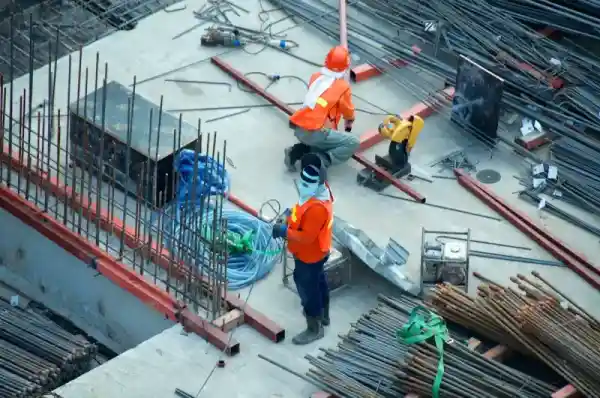
Dilapidation Report Cost: Factors That Affect Pricing
Dilapidation report costs vary based on property size, location, scope, and urgency. This guide breaks down pricing factors across Australian cities and helps you budget for pre-construction property documentation.
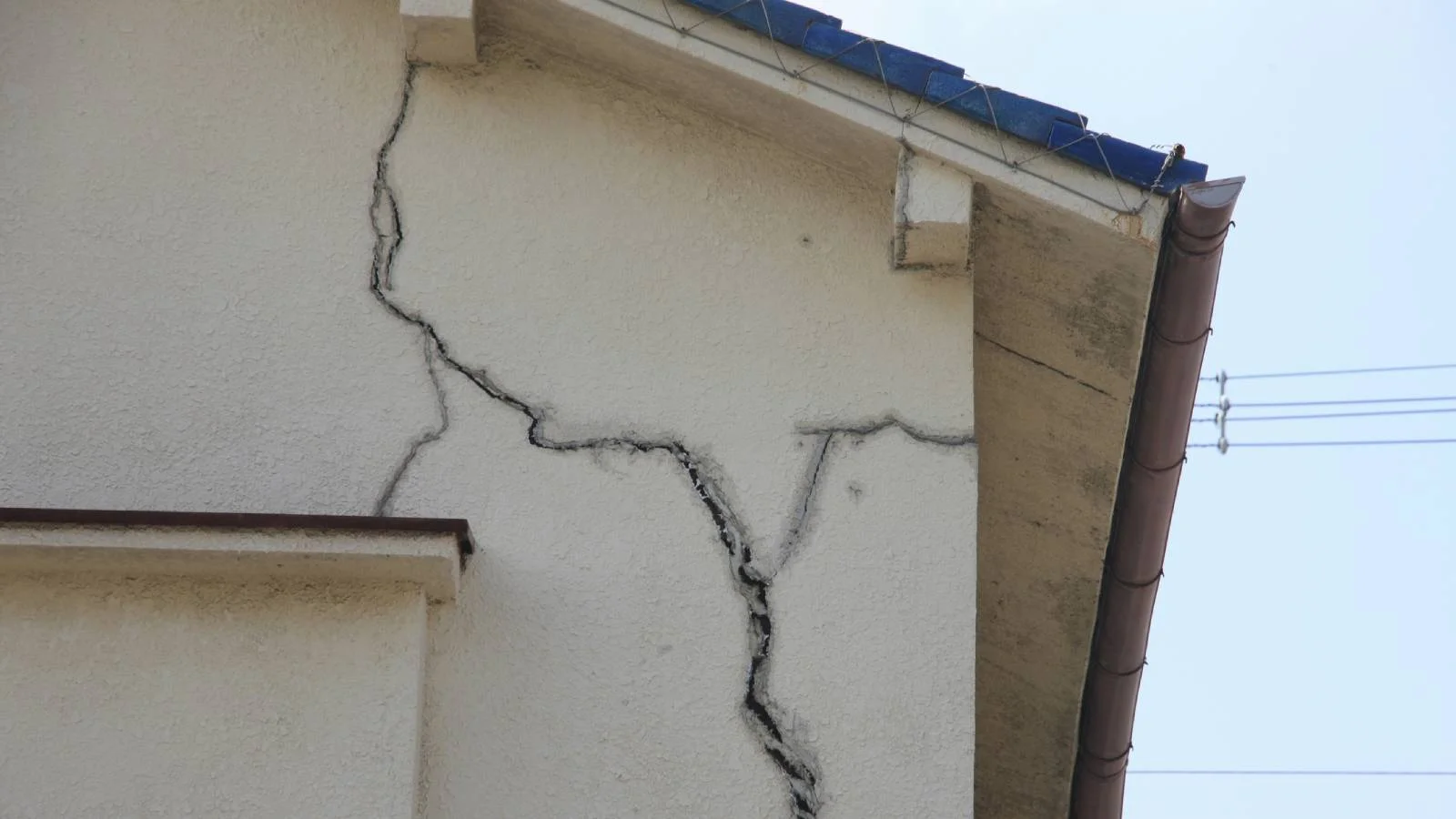
Dilapidation Report Process: A Walkthrough of Key Steps
Dilapidation reports serve as comprehensive property condition snapshots before nearby construction commences. Learn the six-step process from consultation to delivery.
Ultimate Guide to Dilapidation Reports
Dilapidation reports document a property