
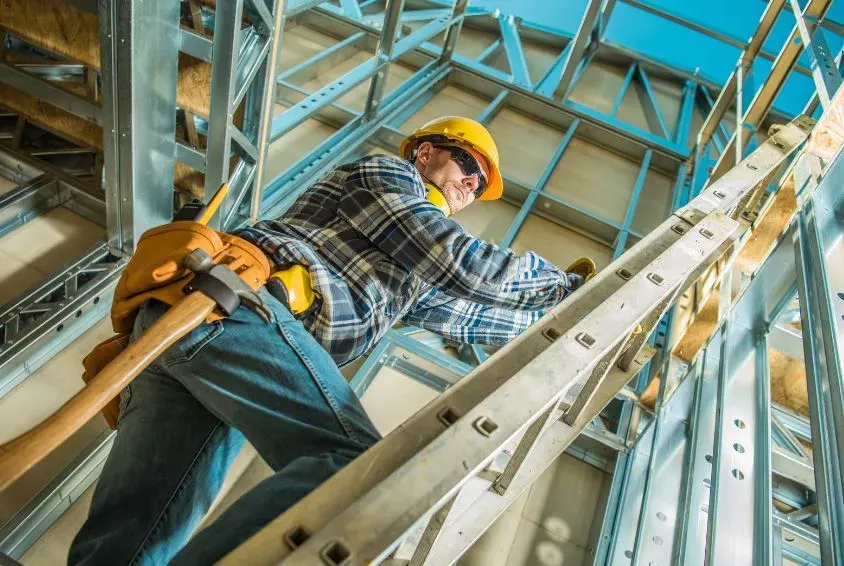
The frame of your home is its structural skeleton. It supports the roof, walls, floors, and everything in between. Selecting the right framing material affects the home's strength, lifespan, energy performance, and ongoing maintenance costs. In Australia, timber and steel are the two most common framing options for residential construction.
Timber Frame Construction
Timber framing has been the dominant construction method in Australia for over a century. It remains the most popular choice for residential builds due to its affordability, availability, and ease of use.
Advantages of Timber Framing
Pros
- Lower upfront cost compared to steel, making it a practical choice for budget-conscious builds
- Wood is a renewable resource and provides natural insulation properties, reducing heating and cooling costs
- Faster to assemble on site, as carpenters can cut and adjust timber easily during construction
- Warm, natural aesthetic that suits traditional, coastal, and country-style homes
- Engineered timber products like LVL and glulam offer enhanced strength for wider spans
Cons
- Susceptible to termites, borers, and other timber pests, requiring ongoing treatment and monitoring
- Can warp, shrink, or twist over time, particularly if exposed to moisture or if the timber was not properly dried
- Lower fire resistance compared to steel, which is a concern in bushfire-prone areas (BAL ratings)
- Requires regular maintenance to protect against moisture, rot, and pest damage
Treated timber (H2 hazard class for above-ground framing) is commonly used in Australian residential construction to provide protection against termites and borers. However, treatment alone does not eliminate the need for regular timber pest inspections.
Steel Frame Construction
Steel framing has grown significantly in popularity across Australia, particularly in new housing estates and areas with high termite or bushfire risk.
Advantages of Steel Framing
Pros
- Extremely strong, durable, and dimensionally stable with no warping, shrinking, or twisting
- Completely resistant to termites, borers, and other timber pests
- Superior fire resistance, making it well suited for homes in bushfire-prone areas
- Longer lifespan with minimal maintenance requirements compared to timber
- Allows for wider spans and more open-plan designs due to its higher strength-to-weight ratio
Cons
- Higher upfront material and fabrication costs compared to timber
- Steel conducts heat readily (thermal bridging), which can reduce energy efficiency unless addressed with thermal breaks
- Relies on factory prefabrication, making on-site modifications more difficult and time-consuming
- Steel production is energy-intensive, resulting in a higher embodied energy compared to timber
- Susceptible to corrosion in coastal environments unless treated with appropriate protective coatings
Steel frames used in Australian residential construction are typically made from galvanised or zinc-coated steel (BlueScope TRUECORE or equivalent) to protect against corrosion. In coastal areas, higher corrosion protection ratings may be required.
Side-by-Side Comparison
| Timber | Steel | |
|---|---|---|
| Upfront Cost | Lower (typically 10% to 20% less than steel) | Higher upfront material and fabrication cost |
| Termite Resistance | Vulnerable (requires treatment and regular inspections) | Completely resistant (non-organic material) |
| Fire Resistance | Lower (combustible material, limited BAL suitability) | High (non-combustible, suitable for higher BAL ratings) |
| Durability | Good with proper maintenance (20 to 40+ years) | Excellent (50+ years with minimal maintenance) |
| Energy Efficiency | Better natural insulation, lower thermal bridging | Thermal bridging can reduce performance without insulation breaks |
| Maintenance | Regular treatment for pests and moisture protection | Minimal (check for corrosion in coastal areas) |
| On-Site Flexibility | High (easy to cut and adjust during construction) | Limited (prefabricated, difficult to modify on site) |
| Environmental Impact | Renewable resource, lower embodied energy | Higher embodied energy but fully recyclable |
Choosing Between Timber and Steel
The right framing material depends on your specific circumstances. Consider the following factors when making your decision:
Budget
Timber framing is typically 10% to 20% cheaper than steel framing for standard residential builds. However, steel's longer lifespan and lower maintenance costs can offset the higher upfront investment over time.
Location and Climate
In termite-prone areas such as coastal Queensland and northern NSW, steel framing removes termite risk entirely. In bushfire-prone areas with higher BAL (Bushfire Attack Level) ratings, steel framing meets fire resistance requirements more easily. In cooler climates where energy efficiency is the priority, timber's natural insulation advantage may be more valuable.
Design Requirements
If your home design includes wide open-plan living areas, large window openings, or cantilevered structures, steel framing's superior strength-to-weight ratio makes these features easier to achieve. For more traditional designs, timber framing is typically sufficient and more cost-effective.
Sustainability Priorities
Timber is a renewable resource with lower embodied energy, making it a better option for environmentally conscious builders who source from sustainably managed forests. Steel is fully recyclable at the end of its life, which partially offsets its higher embodied energy during production.
Both timber and steel frames must comply with the National Construction Code (NCC) and relevant Australian Standards, including AS 1684 for timber framing and AS/NZS 4600 for cold-formed steel structures. Your builder should provide documentation confirming compliance regardless of the material chosen.
Why a Frame Inspection Matters
Regardless of whether you choose timber or steel, a frame stage inspection by an independent building inspector is one of the most important inspections during construction. The frame is hidden once wall linings, insulation, and cladding are installed, so any defects missed at this stage become much harder and more expensive to fix later.
A frame inspection checks for:
- Correct member sizes and spacing according to the engineering plans
- Proper bracing, tie-downs, and connections
- Correct installation of lintels over openings
- Plumb and level walls
- Correct termite management systems (for timber frames)
- No corrosion or coating damage (for steel frames)
Key Takeaways
- Timber framing is more affordable upfront, provides natural insulation, and is easier to work with on site.
- Steel framing is more durable, completely termite resistant, fire resistant, and requires less long-term maintenance.
- Timber is vulnerable to termites and requires ongoing pest treatment and regular inspections under AS 4349.3.
- Steel framing is well suited for bushfire-prone areas and meets higher BAL rating requirements more easily.
- Steel conducts heat more readily than timber, so thermal breaks or additional insulation may be needed to maintain energy efficiency.
- Both framing materials must comply with the NCC and relevant Australian Standards.
- A frame stage inspection by an independent building inspector is recommended for both timber and steel frames.
Frequently Asked Questions
How does the environmental impact of timber framing compare to steel?
Timber framing generally has a lower carbon footprint because wood is a renewable resource and requires less energy to produce. Steel production is energy-intensive, resulting in higher embodied energy. However, steel is fully recyclable at the end of its life, which helps offset its initial environmental impact. Choosing sustainably sourced timber certified by organisations like the Forest Stewardship Council (FSC) further improves timber's environmental credentials.
What are the energy efficiency differences between timber and steel framing?
Timber frames provide better natural insulation because wood does not conduct heat as readily as steel. Steel framing is prone to thermal bridging, where heat transfers through the steel studs between the interior and exterior of the home. This can be addressed by installing thermal break strips, using external wall insulation, or specifying insulation systems designed for steel-framed homes.
Can steel framing allow for more creative home designs?
Yes. Steel's higher strength-to-weight ratio allows for wider spans, larger window openings, open-plan living areas, and cantilevered structures that are difficult or impractical to achieve with standard timber framing. This makes steel a popular choice for modern and architecturally designed homes.
Is steel or timber better for extreme weather areas in Australia?
Steel framing offers superior resistance to cyclones, strong winds, and bushfire due to its strength and non-combustible properties. It is commonly specified in areas with higher BAL ratings and cyclone ratings. Timber framing can also perform well in extreme weather when engineered correctly, but may require additional bracing, tie-downs, and fire protection measures.
How do local building codes affect the choice between timber and steel?
The NCC and local council requirements may specify minimum fire resistance, cyclone ratings, or termite management systems that influence the choice of framing material. In high bushfire-risk zones (BAL-29 and above), steel framing may be required or strongly preferred. Your builder or building designer should advise on the specific requirements for your site.
What maintenance does timber framing require that steel does not?
Timber framing requires regular pest inspections (at least annually under AS 4349.3), treatment against termites and borers, and protection against moisture-related issues such as rot and fungal decay. Steel framing does not require pest treatment, but should be checked periodically for corrosion, particularly in coastal environments where salt spray is present.
What are engineered timber products and how do they compare to steel?
Engineered timber products include Laminated Veneer Lumber (LVL), glue-laminated timber (glulam), and Cross-Laminated Timber (CLT). These products offer enhanced strength, dimensional stability, and longer spanning capabilities compared to standard sawn timber. They bridge the gap between traditional timber and steel for applications that require higher structural performance while retaining the environmental benefits of wood.
Does the framing material affect a home's resale value?
The framing material alone is unlikely to significantly affect resale value, as buyers focus more on overall condition, location, and design. However, steel-framed homes may be viewed more favourably in termite-prone or bushfire-prone areas due to the lower risk profile. Well-maintained timber-framed homes with documented pest inspections also hold their value well.
What are common misconceptions about steel framing?
Common misconceptions include the belief that steel frames rust easily (modern galvanised coatings provide long-lasting protection), that steel-framed homes are always more expensive (the gap narrows when you factor in long-term maintenance savings), and that steel frames cannot be modified during construction (while more difficult than timber, minor on-site adjustments are still possible).
What trends are affecting the choice between timber and steel framing in Australia?
Growing awareness of bushfire risk and termite damage is driving increased adoption of steel framing in many areas. At the same time, interest in sustainable building and engineered timber products is maintaining timber's relevance. Off-site prefabrication, which suits steel framing well, is also growing in popularity as builders seek faster construction times and more consistent quality.
References and Resources
- National Construction Code (NCC) - Framing and structural requirements for Australian buildings
- CSIRO - Building Materials - Research on timber and steel building performance
- Forest and Wood Products Australia - Information on timber framing and engineered wood products
- BlueScope Steel - TRUECORE - Steel framing specifications and performance data
Related Articles
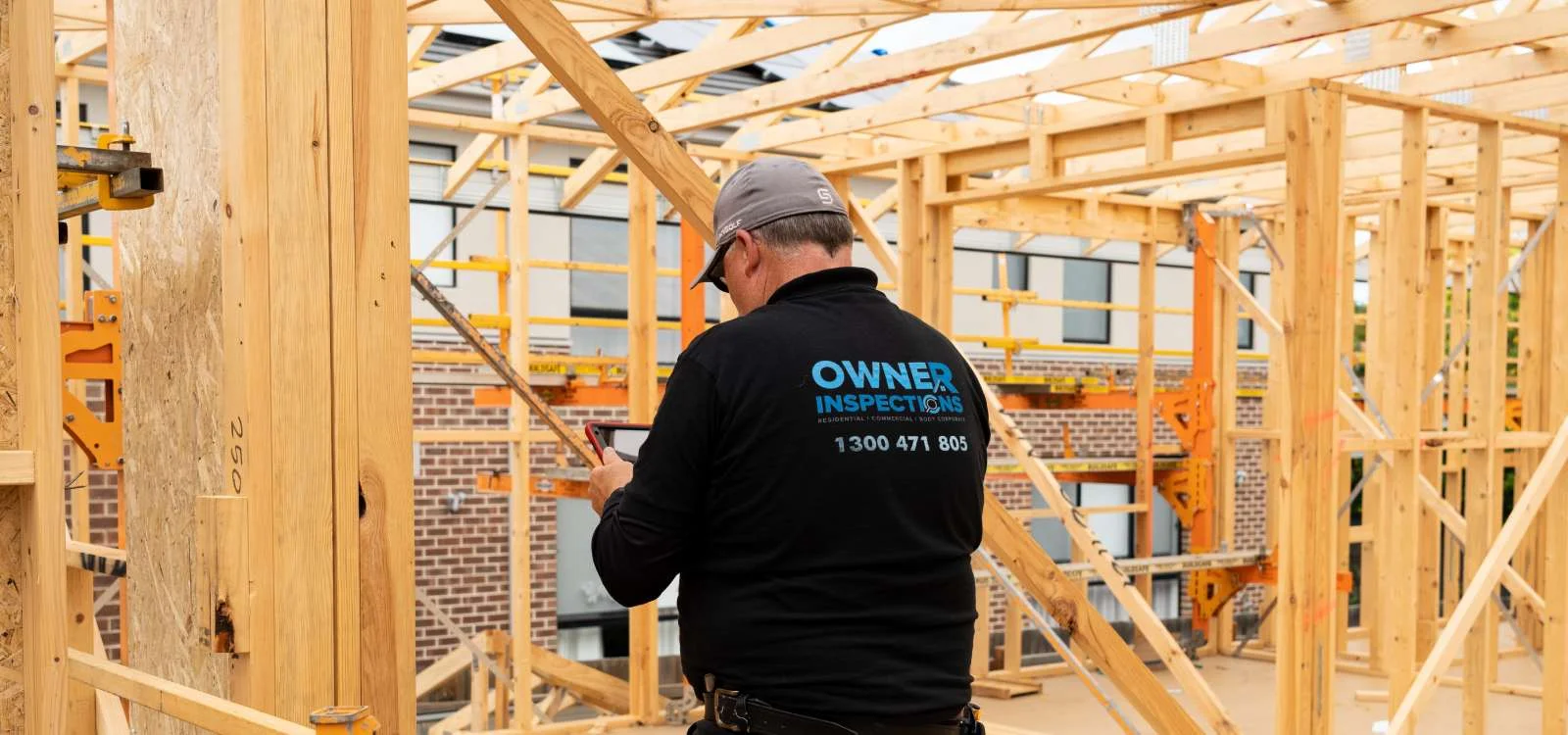
Common Frame Defects and How to Address Them
A home's framing system serves as its structural skeleton. This guide covers common frame defects in Australian homes, their causes, and how to identify and address them during construction inspections.
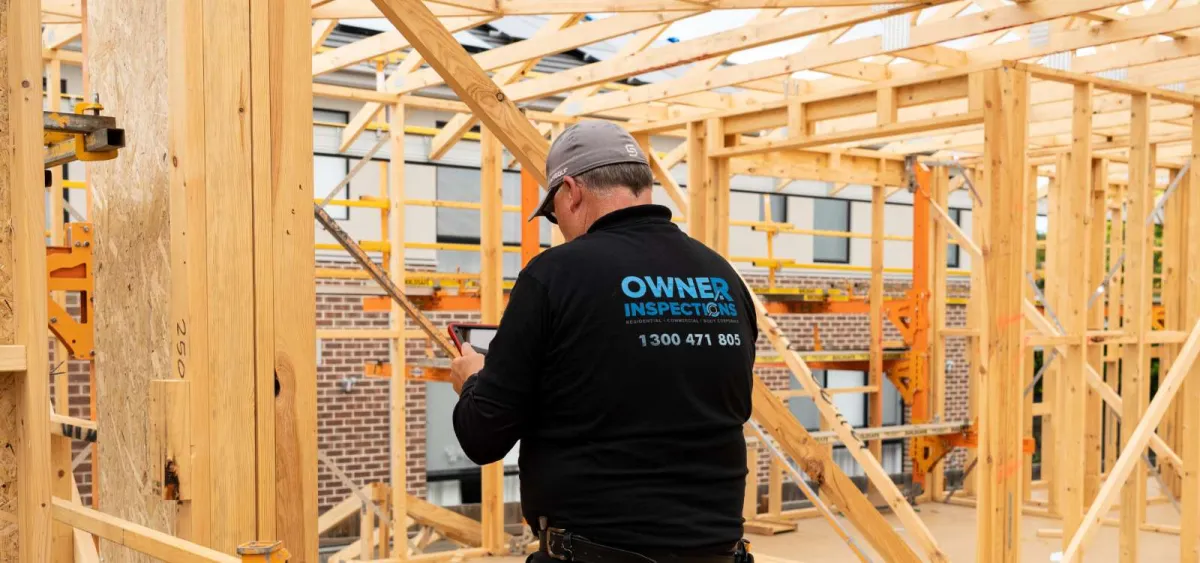
Understanding Frame Stage Inspections
Frame stage inspections verify the structural integrity and compliance of a building framework before internal linings are installed. This guide covers what inspectors check, common defects, costs, and why these inspections are required in Australian construction.
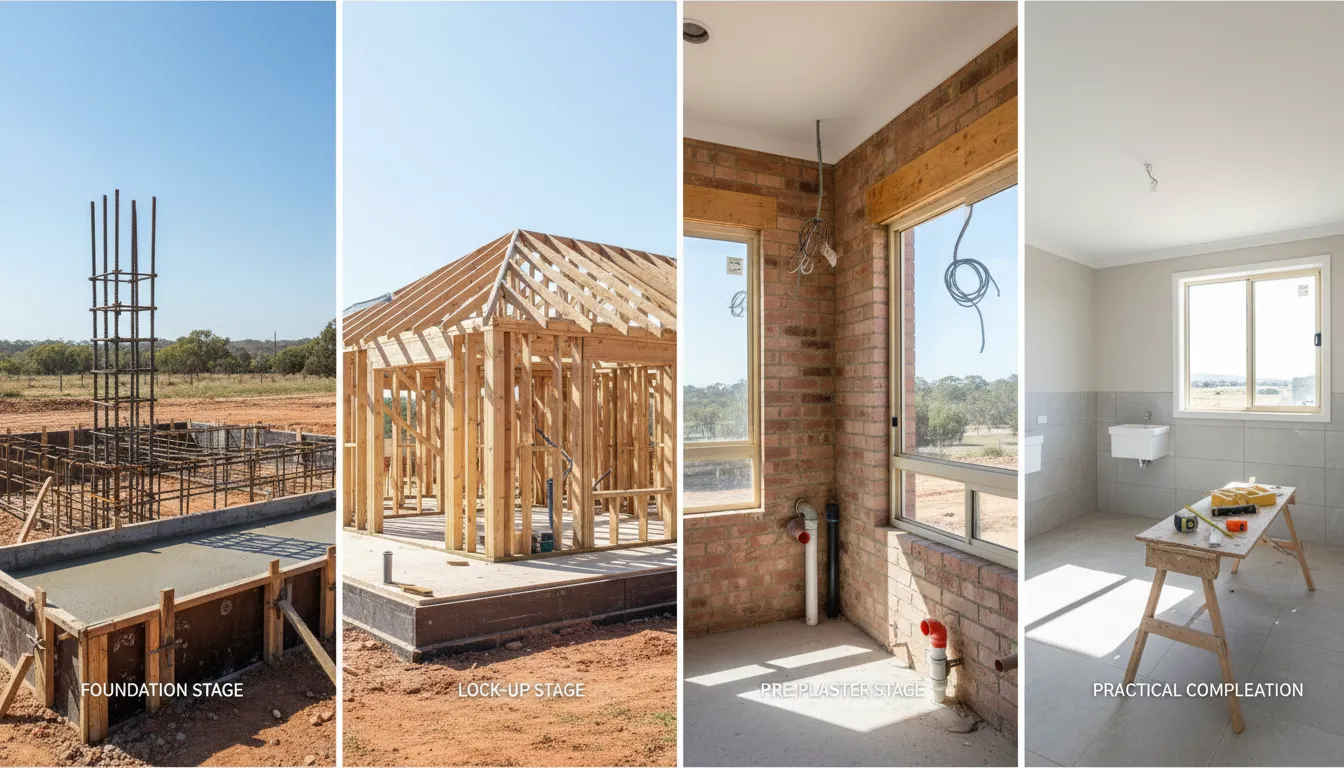
Construction Stage Defects: What to Check at Each Stage
Every construction stage hides the one before it, so the defects that matter are the ones that become invisible next week. This guide covers what to check at pre-pour, slab, frame, lock-up, waterproofing and practical completion, the mandatory inspections in NSW, Victoria and Queensland, and the tolerances that decide whether something counts as a defect at all.
Building a new home and need your frame inspected? Owner Inspections provides independent frame stage inspections for both timber and steel-framed homes across NSW, Victoria, and Queensland. Our licensed inspectors check member sizes, bracing, connections, and compliance with the engineering plans before the frame is covered. Get a quote today or call us on 1300 471 805.