
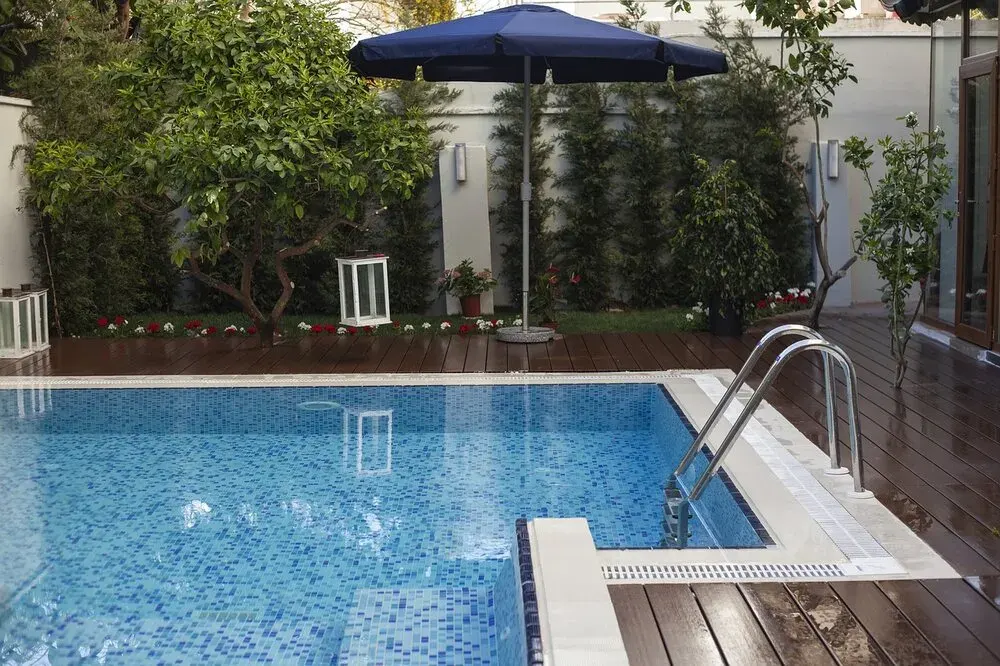
Preparing your swimming pool for the changing Australian seasons involves winterising before the cold months (lowering water level, balancing chemicals, draining and storing equipment, and fitting a cover) and reopening for summer (inspecting for damage, refilling, rebalancing water chemistry, and restarting equipment). Proper seasonal maintenance protects your pool's structure, filtration system, and surrounding equipment from damage, extends its lifespan, and keeps repair costs down.
Owning a pool is one of the great benefits of Australian living. But pool ownership also means year-round responsibility. Australia's climate varies from tropical in the north to temperate in the south, and your pool needs different care depending on the season and your location. Skipping seasonal maintenance can lead to cracked pipes, algae outbreaks, damaged equipment, and expensive repairs. With some planning and a consistent routine, you can keep your pool in top condition and enjoy it for years to come.
Winterising Your Pool
QWhy Winterise?
Even in Australia, winter temperatures in southern states like Victoria, South Australia, and parts of NSW can drop low enough to cause problems for pool equipment and plumbing. Water left in pipes and pumps can expand in cold conditions, potentially cracking components. Winterising reduces these risks and keeps your pool in good shape for reopening in spring.
Step-by-Step Winter Preparation
Clean the pool thoroughly
Skim the surface, brush the walls and floor, and vacuum to remove all debris. A clean pool is much easier to maintain over winter and reduces the risk of algae growth.
Balance the water chemistry
Test and adjust pH (7.2 to 7.6), alkalinity (80 to 120 ppm), and calcium hardness (200 to 400 ppm). Properly balanced water protects the pool surface and equipment over the dormant months.
Shock the pool
Add a strong dose of chlorine to eliminate bacteria and contaminants. Follow up with a winterising algaecide to prevent algae from establishing during the months the pool is not in regular use.
Lower the water level
Lower the water below the skimmer intake to prevent ice from forming inside the skimmer and damaging plumbing lines. Use the waste or backwash setting on your filter to drain the water.
Drain and store equipment
Drain the pump, filter, heater, chlorinator, and any other accessories. Remove drain plugs, clean filter cartridges or grids, and store equipment in a dry, sheltered location.
Cover the pool
Fit a winter pool cover to keep debris out and reduce evaporation. Safety covers also prevent accidental entry, which is particularly important for properties with children or pets.
In tropical and subtropical areas of Queensland and northern NSW, full winterising may not be necessary. Instead, reduce the pump running time and maintain a lower chemical dosing schedule. Consult a local pool professional for region-specific advice.
Opening Your Pool for Summer
When the warmer months return, a structured reopening process ensures your pool is safe and ready for swimming.
Remove and clean the cover
Carefully remove the pool cover, brushing off debris. Wash it with mild soap and water, allow it to dry completely, then fold and store it in a dry location.
Inspect for damage
Examine the pool shell, tiles, liner, coping, and all equipment for cracks, leaks, or signs of wear. Check the pump, filter, heater, and plumbing connections before restarting the system.
Refill and reconnect
Refill the pool to the normal operating level. Reinstall drain plugs, reconnect equipment, and prime the pump before starting the system.
Balance the water
Test and adjust pH, alkalinity, chlorine, and calcium hardness to the recommended ranges. If the water is cloudy or green, additional treatment may be needed before swimming.
Shock the pool
A strong chlorine shock clears any bacteria or algae that developed over winter. Run the filter continuously for 24 to 48 hours after shocking to ensure the water is fully circulated and clear.
Check safety features
Inspect pool fencing, gates, latches, and CPR signage to confirm compliance with state pool safety regulations. In NSW, pool fence regulations require compliant barriers at all times.
Seasonal Maintenance Checklist
| What to Do | When | |
|---|---|---|
| Winter Tasks | Clean pool, balance chemistry, shock, lower water, drain equipment, cover pool | April to May (southern states) |
| Spring Tasks | Remove cover, inspect for damage, refill, balance water, restart equipment | September to October |
| Summer Tasks | Regular skimming, weekly chemical testing, filter cleaning, monitor water level | November to March |
| Autumn Tasks | Remove fallen leaves daily, reduce chemical dosing, prepare for winterising | March to April |
Pool Equipment Care by Season
- Pump: run for 8 to 10 hours per day in summer, reducing to 4 to 6 hours in cooler months. Drain completely before winter storage in cold climates.
- Filter: clean or backwash monthly during summer. Remove and clean cartridges or grids before winter storage.
- Heater: follow the manufacturer's winterising instructions. Have the heater serviced annually before the swimming season.
- Salt chlorinator: clean the salt cell according to the manufacturer's schedule. Remove and store during winter if the pool is not in use.
- Automatic cleaner: remove and store during winter to prevent wear on wheels and hoses.
When to Get a Professional Pool Inspection
A professional pool inspection is recommended in the following situations:
- Before buying a property with a pool (as part of a pre-purchase inspection)
- When you notice persistent leaks, cracks in the pool shell, or structural movement
- If equipment keeps malfunctioning despite regular maintenance
- When water clarity problems persist despite correct chemical balance
- Before selling a property to identify and address issues before listing
- To verify compliance with state pool safety regulations (fencing, gates, CPR signage)
Energy Efficiency Tips
Key Takeaways
- Winterise your pool before the cold months by cleaning, balancing chemicals, lowering water, draining equipment, and covering the pool.
- Open your pool for summer by inspecting for damage, refilling, rebalancing water chemistry, shocking, and checking safety features.
- Seasonal maintenance prevents costly repairs to pipes, equipment, and the pool structure.
- Pool fencing, gates, and CPR signage must comply with state regulations year-round.
- Run the pump for 8 to 10 hours daily in summer and 4 to 6 hours in cooler months.
- A professional pool inspection is recommended before buying or selling a property with a pool, or if persistent problems are noticed.
- Energy-efficient upgrades like variable-speed pumps, solar heating, and pool covers reduce running costs significantly.
Frequently Asked Questions
What is the best time of day to check pool water chemistry?
Early morning or late evening is ideal. Cooler temperatures reduce evaporation and minimise chemical fluctuations caused by direct sunlight and UV exposure. Testing at the same time each day gives the most consistent and reliable results.
How often should pool filters be replaced?
Pool filters typically last 3 to 5 years depending on usage, water quality, and how regularly they are cleaned. Cartridge filters should be cleaned every 4 to 6 weeks during summer and replaced when they no longer maintain adequate water flow despite cleaning.
Can poor pool maintenance increase my water bill?
Yes. Leaks, overfilling, and frequent water replacement due to chemical imbalances can all increase water usage. Regular checks, timely repairs, and proper chemical maintenance help keep water consumption under control.
Are there eco-friendly alternatives to traditional pool chemicals?
Yes. Options include mineral sanitisers, ozone generators, and saltwater chlorination systems. These reduce reliance on traditional chlorine, are gentler on the environment and skin, and can lower ongoing chemical costs.
How should I maintain my pool if I have sensitive skin?
Use hypoallergenic pool chemicals and maintain precise chemical balance to minimise irritation. Shower immediately after swimming. Saltwater pools and mineral sanitiser systems are generally better tolerated by people with sensitive skin.
What extra steps should I take during heavy rain?
Ensure your pool has adequate drainage to handle overflow. Check that covers and protective measures are secure. After heavy rain, test and adjust chemical levels, as rainwater can dilute chlorine and alter pH. Remove any debris washed into the pool.
How can I improve the energy efficiency of my pool?
Use a pool cover to minimise heat loss and evaporation. Install an energy-efficient variable-speed pump. Consider solar heating as a supplement to gas or electric heaters. Run the pump during off-peak electricity hours and keep filters clean to maintain efficient circulation.
What are the signs that my pool needs a professional inspection?
Signs include persistent leaks, frequent equipment breakdowns, cracks in the pool structure, ongoing water clarity issues despite correct maintenance, and any visible damage to tiles, coping, or the pool shell. If you are unsure about the structural condition of your pool, a professional inspection provides certainty.
How do I know if my pool heater is working efficiently?
Check for consistent heating levels and monitor energy consumption. If the water temperature fluctuates or your energy bills increase noticeably without increased use, the heater may need servicing or replacement. Annual servicing before the swimming season is recommended.
What should I do if I find wildlife in my pool?
Remove small animals using a pool net. For larger or potentially hazardous wildlife, contact a local wildlife rescue service. Prevent future incidents by keeping the pool covered when not in use and ensuring your pool fencing is compliant and well-maintained.
References and Resources
- NSW Government - Swimming Pool Regulations - NSW Fair Trading
- Victorian Building Authority - Swimming Pools - Victorian Government
- Royal Life Saving Society Australia - Pool safety guidelines
Related Articles
Common Swimming Pool Defects: What You Need to Know
With approximately one in seven Australian households owning a pool or spa, pool defects are a widespread concern. Cracks, leaks, staining, scaling, corrosion, and algae growth can all compromise pool safety and lead to expensive repairs. This guide covers the most common defects, their causes, and how regular inspections help catch problems early.
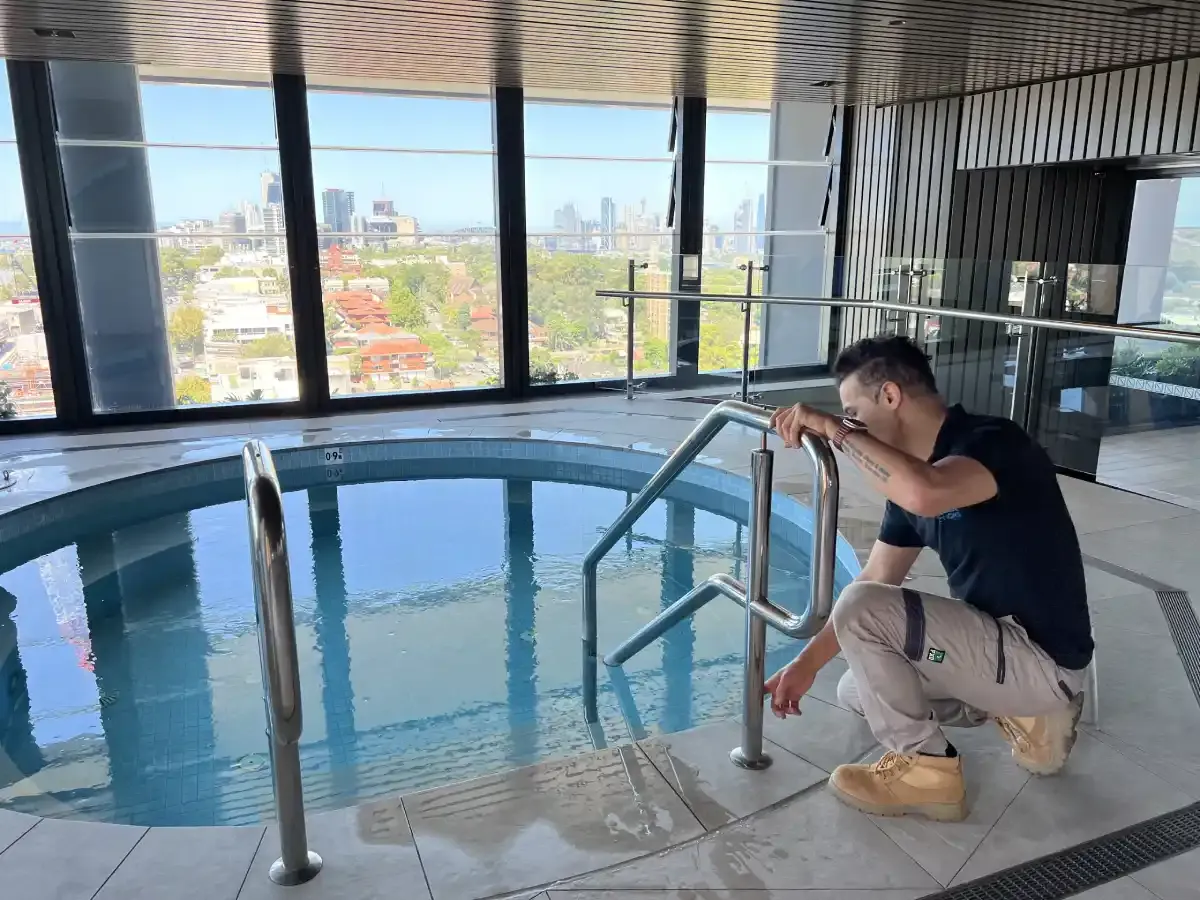
Pool Fence Regulations in NSW
NSW has strict pool fencing regulations designed to prevent drowning and unauthorised access by young children. All pools holding more than 30cm of water require compliant barriers meeting Australian Standard AS1926.1-2012. This guide covers fence measurements, gate requirements, materials, the inspection process, and common myths.
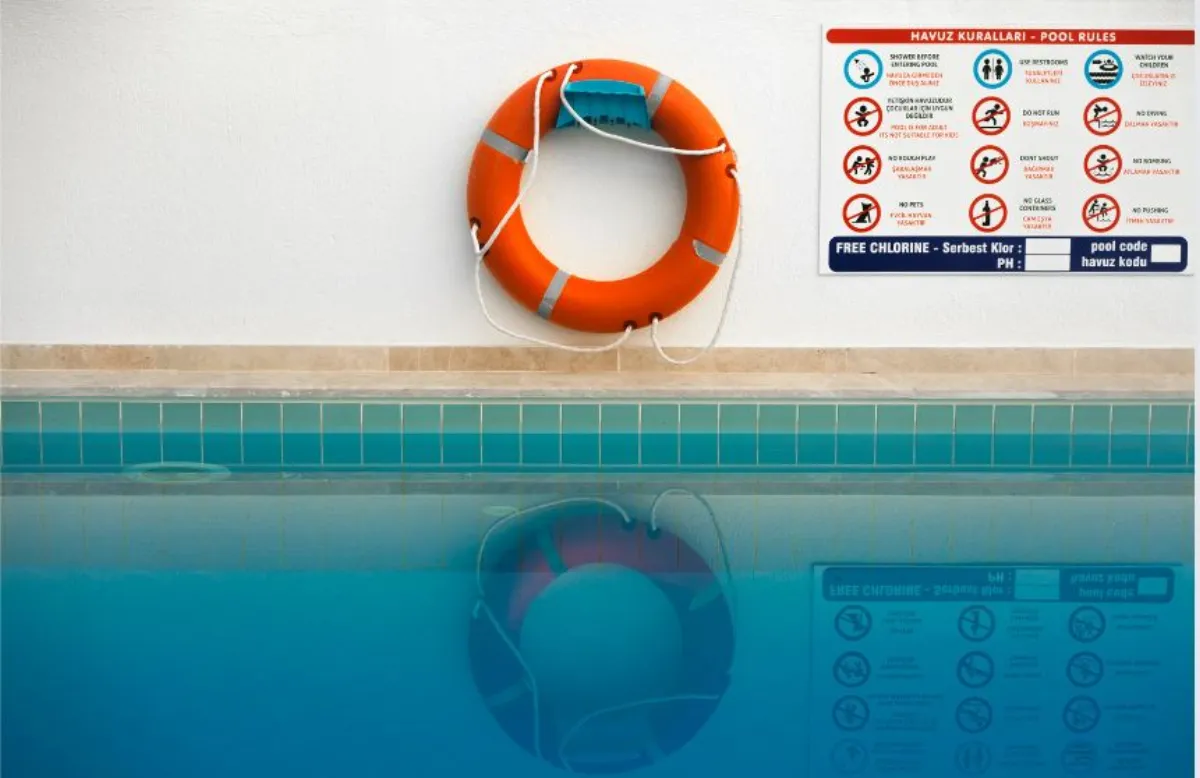
The Process of Thorough Swimming Pool Inspections in Brisbane
With approximately 13% of Australian households owning a pool and Brisbane having an even higher rate at around 18%, pool safety inspections are a vital part of property ownership in Queensland. This guide walks through the full inspection process, common findings, and Queensland pool safety requirements.
Need a professional pool inspection? Owner Inspections provides comprehensive swimming pool inspections across NSW, Victoria, and Queensland. Our licensed inspectors check structural condition, equipment, safety compliance, and fencing to give you a full picture of your pool's health. Get a quote today or call us on 1300 471 805.