

Building Inspections

Roof Inspections in Australia: What They Cover, When You Need One, and What to Expect

Published: 10 August 2023
12 min read
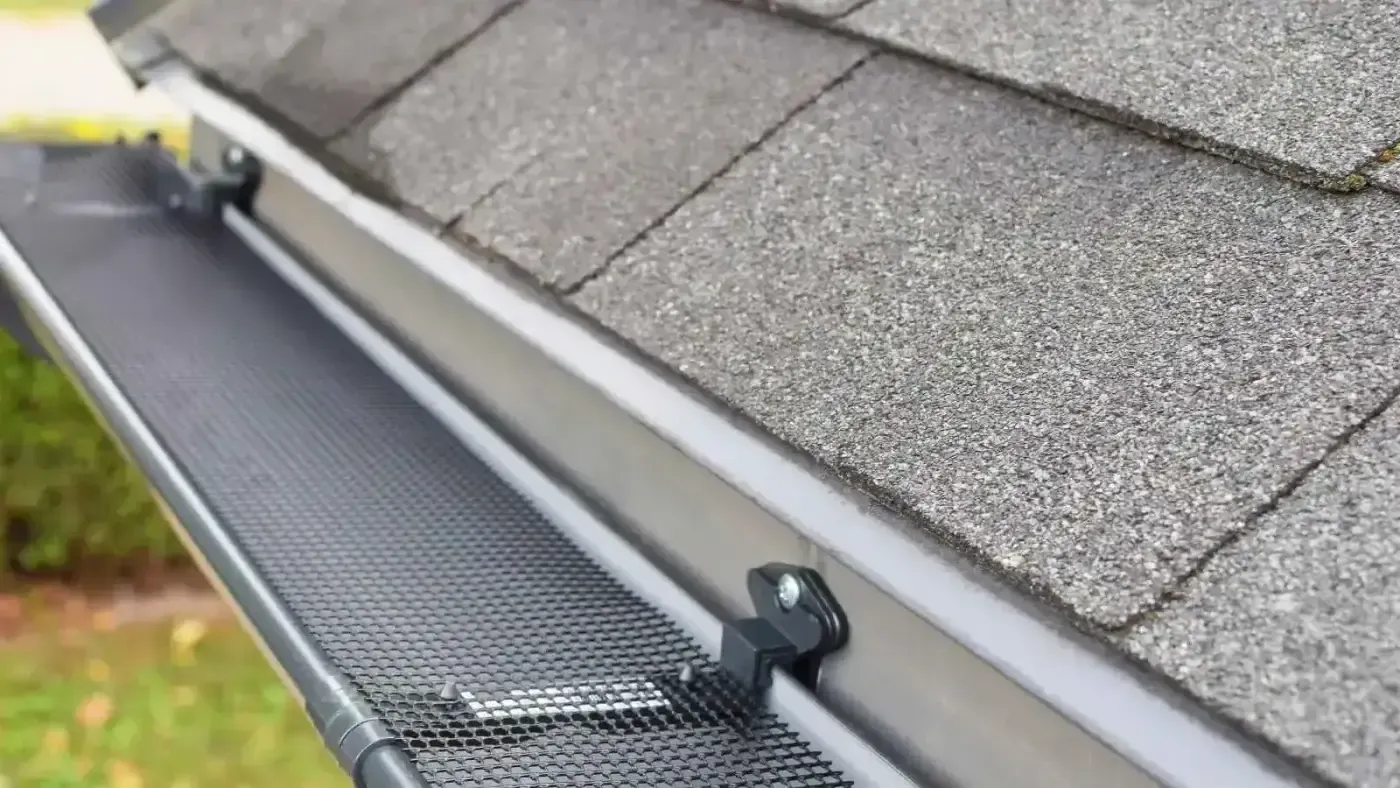
Roof cladding being inspected on an Australian residential property during a professional roof inspection

Last updated: 3 February 2026

A roof inspection is a professional assessment of your roof's condition, covering the external cladding, internal structure, drainage systems, flashing, sealants, ventilation, and insulation. In Australia, roof inspections are recommended before purchasing a property, after severe weather events, and as part of regular property maintenance. A standard roof inspection typically costs between $250 and $600 depending on the property size, roof type, and access requirements. Licensed building inspectors use tools such as thermal imaging cameras, moisture meters, and drones to detect damage that is not visible from the ground.

Whether you own a home, manage a commercial building, or oversee an industrial facility, keeping your roof in good condition is one of the most practical steps you can take to protect your property. The roof is your first line of defence against rain, wind, hail, and UV exposure. When problems go unnoticed, minor issues like cracked tiles or blocked gutters can quickly develop into serious structural damage, water ingress, and mould growth.

This guide explains what a roof inspection covers, when you should book one, how much it costs, what tools inspectors use, and how drone technology is changing the way roofs are assessed across Australia.


Why Roof Inspections Matter

Your roof takes the full force of Australia's harsh climate. From intense UV radiation in summer to heavy rainfall, hailstorms, and cyclonic winds in northern regions, Australian roofs endure significant stress throughout the year. Without regular inspections, damage can accumulate unnoticed until it causes leaks, structural weakening, or even collapse in extreme cases.

A professional roof inspection gives you a clear picture of your roof's current condition. It identifies existing damage, highlights areas that are likely to deteriorate soon, and provides recommendations for repairs or maintenance. This information allows you to plan and budget for work before small problems become expensive ones.

For property buyers, a roof inspection can reveal hidden defects that affect the property's value and safety. For homeowners, regular inspections extend the lifespan of the roof and reduce the likelihood of emergency repairs. For commercial and industrial property managers, inspections help maintain compliance with workplace health and safety obligations under the Work Health and Safety Act 2011.


What Does a Roof Inspection Cover?

A thorough roof inspection examines both the exterior and interior components of the roofing system. The scope will vary slightly depending on the roof type, but a comprehensive inspection generally includes the following areas.

External Roof Assessment

The inspector begins with a visual assessment of the external roof surface. This includes checking for:

  • Missing, cracked, or displaced tiles or sheeting
  • Rust, corrosion, or coating degradation on metal roofs
  • Moss, algae, or fungal growth on tiles
  • Deteriorated or lifting ridge capping
  • Damaged or incorrectly installed flashing around penetrations
  • Condition of seams, joints, and overlaps
  • Cracks, holes, or punctures in the roof membrane

Understanding the different roof types and their specific inspection needs can help you prepare for what the inspector will look for on your property.

Drainage and Gutters

Blocked or damaged gutters and downpipes are among the most common causes of water damage in Australian homes. The inspector checks:

  • Gutters for debris accumulation, rust, and correct fall
  • Downpipes for blockages and secure attachment
  • Valley gutters for corrosion, leaf build-up, and correct overlap
  • Overflow points and stormwater connections

Flashing and Sealants

Flashing is the metal or flexible material used to seal joints and junctions on the roof, such as where the roof meets a wall, around chimneys, skylights, and vent pipes. Inspectors look for:

  • Lifted, corroded, or missing flashing
  • Deteriorated sealants and silicone around penetrations
  • Gaps or poor detailing at wall junctions

Roof Penetrations, Chimneys, and Vents

Any object that passes through the roof surface creates a potential entry point for water. The inspector examines:

  • Chimney condition, mortar joints, and flashing
  • Vent pipes and their boots or collars
  • Skylights for cracked glazing, failed seals, and flashing condition
  • Antenna mounts, solar panel brackets, and air conditioning units

Internal Roof Space

Where accessible, the inspector enters the roof space to check the internal structure. This is where many hidden problems are found, including:

  • Signs of water staining or active leaks on the underside of the roof
  • Condition of timber framing, rafters, and trusses
  • Sagging or deflection in the roof structure
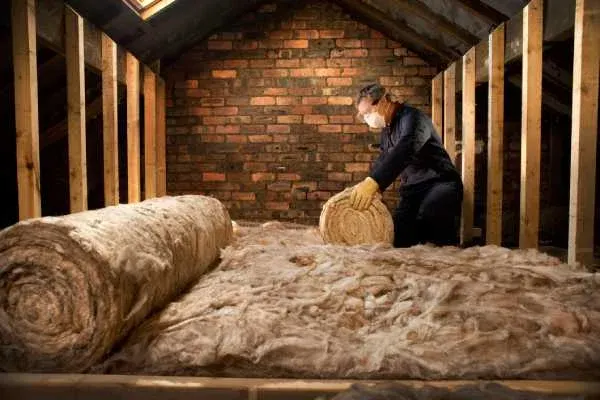
  • Adequacy and condition of insulation
  • Ventilation adequacy and condensation issues
  • Evidence of pest activity, including termite damage

Eaves and Overhangs

Eaves protect the external walls from water runoff and provide shade. The inspector checks for:

  • Rotting or damaged fascia and soffit boards
  • Gaps that could allow pest entry
  • Paint deterioration and moisture damage

When Do You Need a Roof Inspection?

There are several situations where booking a professional roof inspection is a smart decision.

SituationWhy It Matters
Before purchasing a propertyIdentifies defects that affect value and safety
During construction or renovationConfirms work meets the National Construction Code (NCC)
After severe weather (storm, hail, cyclone)Detects damage that may not be visible from the ground
Regular maintenance (every 2 to 5 years)Catches wear and deterioration before it worsens
When you notice leaks or water stainsPinpoints the source and extent of water ingress
Building dispute or defect investigationProvides independent evidence for legal or insurance purposes
Insurance claimDocuments damage with photographic evidence for the insurer
Before selling a propertyIdentifies issues you can fix before listing

If you are buying a property, a roof inspection can be combined with a full building inspection to give you a complete picture of the property's condition. Understanding how weather affects property inspection reports is also useful when scheduling your inspection.


Benefits of Professional Roof Inspections

$250-$600

Typical roof inspection cost in Australia

2-5 yrs

Recommended inspection interval

20-50 yrs

Average Australian roof lifespan with maintenance

Professional roof inspections deliver several practical benefits for property owners:

  • Early detection of damage before it becomes expensive to repair
  • Prevention of water leaks that cause internal damage and mould
  • Maintenance of property value through documented roof condition
  • Compliance with workplace health and safety regulations for commercial properties
  • Informed decisions about repairs, replacement, or maintenance schedules
  • Stronger evidence for insurance claims when damage is professionally documented

For Brisbane homeowners, research shows that regular roof inspections protect and extend the life of homes in the subtropical climate.


How Drone Technology Is Changing Roof Inspections

Australian workplace health and safety regulations require safety compliance measures for any work performed at heights above 2 metres. For roof inspections, this traditionally meant using ladders, harnesses, and scaffolding, which added time and cost to every inspection.

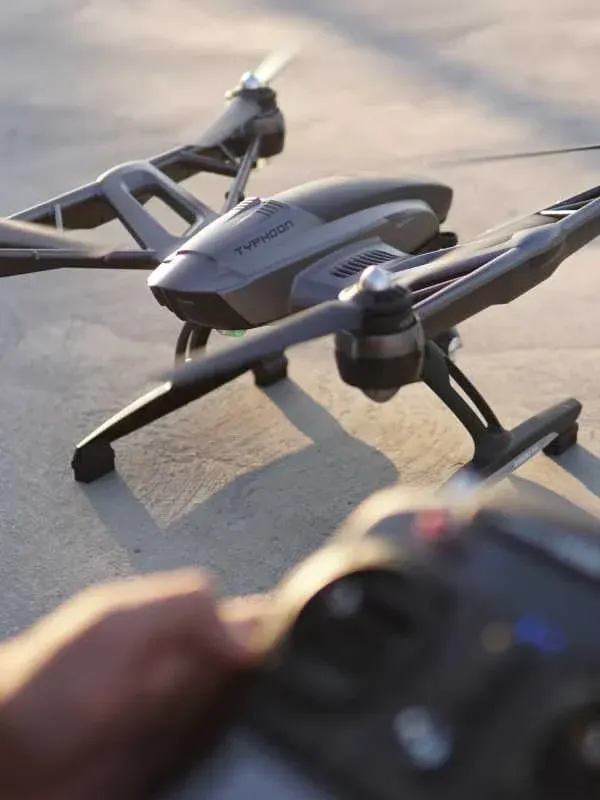
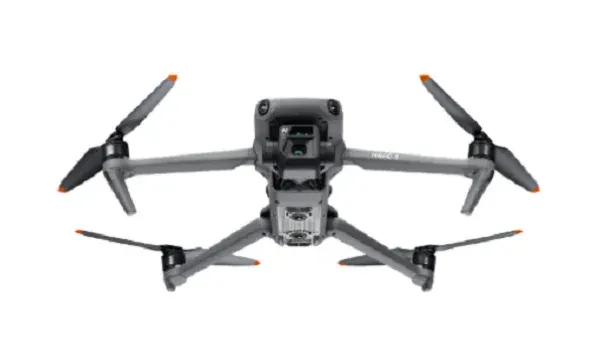
Drone technology has changed this significantly. Professional inspection drones like the DJI Mavic 3 can capture high-resolution imagery of the entire roof surface without anyone needing to physically access the roof. This offers several advantages.

Pros

  • Increased safety with no need to walk on the roof
  • Faster inspections, often completed in under 30 minutes for the aerial component
  • High-resolution photos and video of every section of the roof
  • Access to areas that are difficult or dangerous to reach on foot
  • No risk of causing additional damage by walking on fragile roofing materials
  • Suitable for multi-storey buildings without height restrictions

Cons

  • Cannot detect internal roof space issues (still requires physical entry)
  • Weather conditions such as strong wind or rain can prevent flights
  • Drone operators must hold a valid CASA licence for commercial operations

Drone inspections are particularly valuable for commercial and industrial properties where roof access is complex. They also work well for steep-pitched residential roofs, multi-storey buildings, and heritage properties where walking on the surface could cause damage.

CASA Regulations for Drone Inspections

Commercial drone operators in Australia must comply with the Civil Aviation Safety Authority (CASA) regulations. This includes holding a Remote Pilot Licence (RePL) and operating under a Remotely Piloted Aircraft Operator's Certificate (ReOC), or meeting the requirements for excluded category operations. Always confirm that your inspector's drone operations are CASA-compliant.


Tools and Equipment Used in Roof Inspections

Professional roof inspectors use specialised equipment to detect issues that are not visible to the naked eye.

ToolPurpose
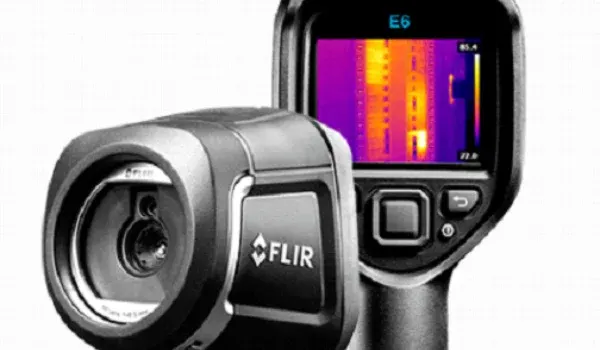
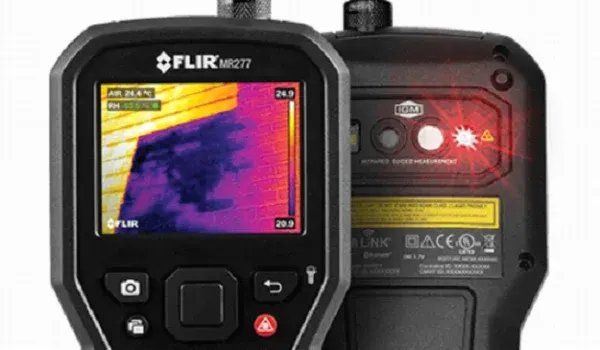
Thermal imaging camera (FLIR)Detects moisture, heat loss, and insulation gaps behind surfaces
Moisture hygrometerMeasures moisture levels in timber, ceilings, and walls
Termatrac T3i radarDetects termite activity through walls and timbers without drilling
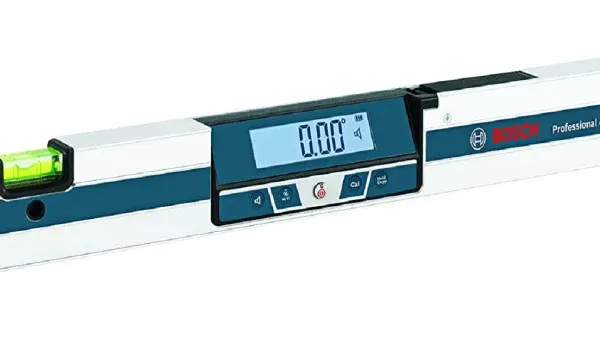
Digital inclinometerMeasures roof pitch and identifies structural deflection
DJI Mavic 3 droneCaptures high-resolution aerial images and video of the roof surface
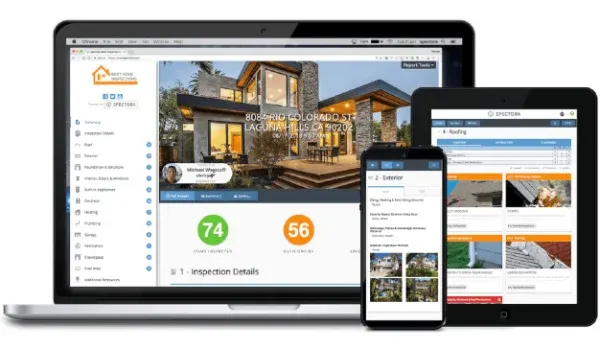
Cloud-based reporting softwareGenerates detailed, photo-documented reports delivered digitally

Thermal imaging is particularly useful for identifying hidden moisture behind roof cladding, in ceiling cavities, and around flashing. Moisture that is trapped behind surfaces can cause timber rot, corrosion, and mould growth long before any visible signs appear.


What to Expect from a Roof Inspection Report

A professional roof inspection report should include:

  • A summary of the overall roof condition with a condition rating
  • Detailed findings for each area inspected, with descriptions and locations
  • High-resolution photographs documenting every defect and area of concern
  • Drone imagery showing the full roof surface from above
  • Thermal imaging results if moisture or insulation issues are detected
  • Recommendations for repairs, maintenance, or further investigation
  • Priority ratings for each defect (urgent, moderate, monitor)

The report serves as a record of your roof's condition at a specific point in time. It can be used for insurance claims, building disputes, pre-purchase negotiations, or as a baseline for future inspections.


How Much Does a Roof Inspection Cost in Australia?

Roof inspection costs vary depending on the property size, roof complexity, access requirements, and location. Below is a general guide to pricing in Australia.

Property TypeEstimated Cost (AUD)Typical Duration
Small residential (up to 150 sqm)$250 to $3501 to 1.5 hours
Standard residential (150 to 300 sqm)$350 to $5001.5 to 2.5 hours
Large residential (300+ sqm)$500 to $600+2.5 to 3.5 hours
Commercial or industrial$600+ (quote required)Varies by site

These prices typically include the inspection, report, and a follow-up phone consultation to discuss the findings. Drone inspections may attract a small additional fee, or may be included as standard depending on the provider.

Properties in regional or remote areas may incur travel surcharges. Complex roof designs with multiple levels, steep pitches, or limited access points may also increase the cost.


Building for Weather Resilience

Australia's climate varies dramatically from region to region. Properties in cyclone-prone areas of North Queensland face very different roof stresses compared to homes in Melbourne or Adelaide. Understanding resilient home construction for extreme weather can help property owners make informed decisions about roofing materials, maintenance schedules, and inspection frequency.

Roofs in coastal areas are exposed to salt-laden air that accelerates corrosion of metal components. Roofs in bushfire-prone areas must meet specific Bushfire Attack Level (BAL) requirements under Australian Standard AS 3959. Regular inspections help ensure that your roof continues to meet these requirements over time.


Choosing a Qualified Roof Inspector

Not all inspectors offer the same level of expertise or equipment. When selecting a roof inspector, look for:

  • A current builder's licence or building inspector's licence in your state
  • Professional indemnity insurance and public liability insurance
  • Experience with your specific roof type (tile, metal, flat, membrane)
  • Use of modern inspection tools including thermal imaging and drones
  • Membership of a professional body such as the Master Builders Association or Housing Industry Association
  • Clear, detailed sample reports you can review before booking

In NSW, building inspectors should be familiar with the Home Building Act 1989. In Victoria, the Domestic Building Contracts Act 1995 applies. In Queensland, the Queensland Building and Construction Commission Act 1991 governs building work and inspections. Each state has its own regulatory body overseeing building inspection standards.


Frequently Asked Questions

QWhat does a roof inspection cover?

A roof inspection covers the external roof surface, internal roof structure, gutters and drainage, flashing and sealants, chimneys, vents, skylights, eaves, ventilation, and insulation.

The inspector examines the entire roofing system from the outside in. Externally, they check for missing or damaged tiles, rust or corrosion on metal roofs, moss and algae growth, and the condition of ridge capping. They also inspect all flashings around penetrations such as vent pipes, skylights, and chimneys.

Internally, the inspector enters the roof cavity (where accessible) to look for water staining, timber damage, structural deflection, insulation condition, and signs of pest activity. Gutters and downpipes are assessed for blockages, corrosion, and correct fall. The overall drainage system is evaluated to confirm water is being directed away from the building effectively.

QHow often should a roof be inspected in Australia?

Most roofing professionals recommend inspecting your roof every 2 to 5 years, depending on the roof type, age, and local climate conditions.

Newer roofs in good condition with quality materials may only need inspection every 5 years. Older roofs, roofs in harsh climates (coastal, tropical, or bushfire-prone areas), and roofs with a history of problems should be inspected every 2 to 3 years.

You should also book an inspection after any severe weather event such as a hailstorm, heavy rainfall, or cyclone. Properties with large trees nearby should be checked more frequently due to the risk of branch damage and leaf accumulation in gutters.

QHow much does a roof inspection cost?

A roof inspection in Australia typically costs between $250 and $600 for residential properties, depending on the property size, roof complexity, and location.

Smaller homes with simple roof designs fall at the lower end of the range, while larger properties with complex rooflines, multiple levels, or difficult access will cost more. Commercial and industrial properties are usually quoted individually based on the site requirements.

The cost generally includes the physical inspection, a detailed written report with photographs, and a phone consultation to discuss the findings. Some providers include drone imagery as standard, while others charge a small additional fee for aerial assessment.

QCan drones be used for roof inspections?

Yes, drones are widely used for roof inspections in Australia and are particularly effective for capturing high-resolution images of the entire roof surface without requiring physical access.

Drone inspections improve safety by removing the need for inspectors to climb onto roofs, which is especially beneficial for steep or multi-storey properties. They can capture detailed photographs and video footage that reveal cracked tiles, corroded flashing, blocked gutters, and other defects.

However, drone inspections cannot fully replace a physical inspection. The interior roof space still needs to be accessed on foot to check the timber structure, insulation, and signs of moisture. A comprehensive roof inspection combines both drone imagery and a physical internal assessment.

Drone operators conducting commercial inspections must comply with CASA (Civil Aviation Safety Authority) regulations, including holding appropriate licences and operating certificates.

QWhat happens if damage is found during a roof inspection?

If damage is found, the inspector will document it in the report with photographs, a description of the issue, its location, and a recommended course of action.

Defects are usually categorised by severity. Urgent issues, such as active leaks or structural damage, require immediate attention. Moderate issues, such as deteriorating flashing or minor tile damage, should be addressed within a few months. Minor issues may simply need monitoring at the next inspection.

The report gives you the information you need to obtain quotes from roofing contractors, prioritise repairs within your budget, and make informed decisions about whether to repair or replace sections of the roof. For pre-purchase inspections, the findings can be used to renegotiate the purchase price or request that the seller complete repairs before settlement.

QDo I need a roof inspection before buying a property?

A roof inspection before buying a property is strongly recommended. Roof repairs and replacements are among the most expensive maintenance items, and hidden damage can cost tens of thousands of dollars to fix.

A pre-purchase roof inspection can reveal problems that are not visible during a general walkthrough, such as water damage in the roof cavity, corroded flashing behind parapets, or structural issues with the framing. These findings can significantly affect the true cost of owning the property.

Many buyers include a roof inspection as part of their overall pre-purchase building inspection. This gives a complete picture of the property's condition and provides documented evidence if you need to negotiate the purchase price or request repairs as a condition of sale.

QHow long does a roof inspection take?

A standard residential roof inspection takes between 1 and 3 hours, depending on the size and complexity of the property.

A small single-storey home with a simple roof design may take around 1 to 1.5 hours. Larger homes with multi-level rooflines, multiple penetrations, and extensive gutter systems can take 2.5 to 3.5 hours or more.

If a drone is being used, the aerial component typically adds 20 to 30 minutes. The inspector will also spend time in the roof cavity, checking the eaves and gutters from ground level, and documenting findings with photographs. The written report is usually delivered within 24 to 48 hours of the inspection.

QWhat qualifications should a roof inspector have?

A roof inspector should hold a current builder's licence or registered building inspector's licence in the state where the property is located, along with professional indemnity and public liability insurance.

In NSW, inspectors should be licensed under the Home Building Act 1989. In Victoria, the Victorian Building Authority (VBA) regulates building practitioners. In Queensland, the QBCC (Queensland Building and Construction Commission) oversees licensing.

Look for inspectors who have specific experience with roof assessments, not just general building inspections. Inspectors who use thermal imaging cameras, moisture detection equipment, and drones will provide a more thorough assessment than those relying on visual inspection alone. Membership of professional bodies such as the Master Builders Association or Housing Industry Association is also a positive indicator.

QCan a roof inspection help with insurance claims?

Yes, a professional roof inspection report provides the documented evidence that insurers require when assessing property damage claims.

Insurance companies need to see clear evidence of the damage, its cause, and its extent before approving a claim. A professional inspection report includes high-resolution photographs, detailed descriptions of each defect, and an assessment of whether the damage was caused by a specific event (such as a storm) or by ongoing wear and deterioration.

Having an inspection completed promptly after a weather event strengthens your claim by establishing a clear timeline. Some insurers may also request an independent inspection as part of their assessment process. A report from a licensed building inspector carries more weight than photos taken by the property owner alone.

QWhat is the difference between a roof inspection and a full building inspection?

A roof inspection focuses specifically on the roofing system, while a full building inspection covers the entire property including the roof, structure, walls, floors, wet areas, electrical, plumbing, and external areas.

A full building inspection conducted under Australian Standard AS 4349.1 includes a general assessment of the roof as part of the overall property evaluation. However, a dedicated roof inspection goes into much greater detail on the roofing components, often using specialised equipment like thermal cameras and drones.

If you are buying a property, a full building inspection is the standard recommendation. If you have a specific concern about your roof, such as a suspected leak, storm damage, or age-related deterioration, a standalone roof inspection provides a more focused and detailed assessment.

QAre roof inspections required by law in Australia?

Roof inspections are not legally required for residential property owners in most circumstances, but they are strongly recommended and may be required in certain situations.

During construction, mandatory inspections at various stages (including the roof frame and roof cladding stages) are required under state building regulations before work can proceed. These inspections are carried out by registered building surveyors or certifiers.

For commercial and industrial properties, workplace health and safety legislation under the Work Health and Safety Act 2011 requires building owners and managers to maintain safe premises. Regular roof inspections are part of meeting this duty of care. Strata properties may also have roof inspections mandated as part of their maintenance plans under state strata legislation.

While there is no general law requiring homeowners to inspect their roofs on a schedule, failing to maintain your roof could affect insurance coverage if damage occurs due to neglect.

Key Takeaways

  • A professional roof inspection covers the external surface, internal structure, gutters, flashing, ventilation, and insulation to identify damage and deterioration
  • Roof inspections are recommended every 2 to 5 years, and should be booked after severe weather, before purchasing a property, and during construction
  • Drone technology improves inspection safety and efficiency, providing high-resolution imagery without the need to physically access the roof
  • A standard residential roof inspection in Australia costs between $250 and $600 depending on property size and complexity
  • Licensed inspectors use thermal imaging, moisture meters, and radar equipment to detect hidden problems not visible to the naked eye
  • Roof inspection reports provide documented evidence that can be used for insurance claims, building disputes, and pre-purchase negotiations
  • Always choose a licensed and insured inspector with experience in your specific roof type and access to modern inspection tools

Need a Professional Roof Inspection?

Our licensed building inspectors use thermal imaging, moisture detection, and drone technology to assess your roof's condition. Book an inspection and get a detailed report with clear recommendations.

Book a Building Inspection

Related Topics:

roof inspectionroof damagedrone inspectionproperty maintenancebuilding inspectionAustralia