
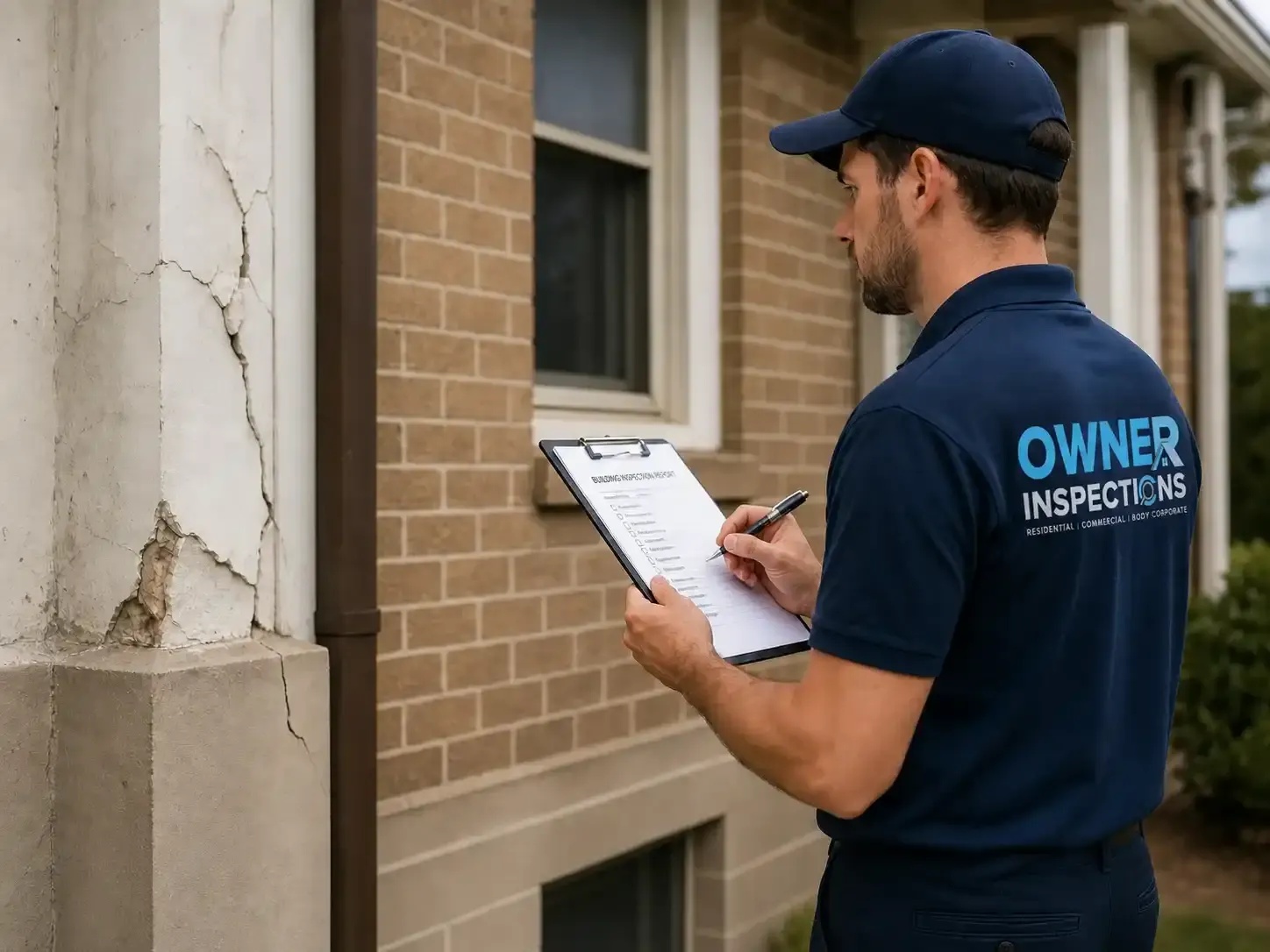
Property inspection results can shape how buyers, agents and lenders view a property’s condition. An inspection does not automatically increase home equity. It can, however, help protect your position by showing defects early, guiding repair decisions and reducing the chance of last-minute buyer negotiations.
$12,307.2B
Total residential dwelling value in Australia
$1,074,700
Mean Australian dwelling price
$384.8B
Quarterly rise in dwelling value
Source note: Statistics are from the Australian Bureau of Statistics, Total Value of Dwellings, December Quarter 2025. The ABS reported that Australia’s total residential dwelling value rose by $384.8 billion to $12,307.2 billion, while the mean dwelling price rose to $1,074,700.
What Does Home Equity Mean in a Property Sale?
Home equity is the estimated value of a property minus the debt secured against it.
For example, if a home is worth $900,000 and the mortgage balance is $500,000, the owner has about $400,000 in equity before selling costs, agent fees, legal fees and any loan payout adjustments.
In a sale, equity can be affected by:
- The final sale price
- The remaining loan balance
- Selling costs
- Repair costs
- Buyer negotiation after a building and pest inspection
Property inspection results affect equity indirectly. They do this by influencing buyer confidence, repair expectations, pricing discussions and the final negotiated sale price.
Important
This content is general information only and is not financial advice. Sellers should speak with a financial adviser, accountant, conveyancer or mortgage broker for advice based on their own situation.
Know What Your Inspection Results Mean Before You Sell
Get a clear pre-sale inspection report so you can understand defects, plan repairs and reduce buyer negotiation surprises.
Building Inspection
What Can a Property Inspection Report Reveal?
A building inspection report is a written account of the property’s condition. NSW Government says a pre-purchase building inspection report may include significant building defects or problems such as rising damp, wall movement or cracking, safety hazards and a faulty roof.
A property inspection is usually visual and limited to accessible areas. Even so, it can give sellers and buyers a clearer picture of visible defects and maintenance risks.
Major Structural Defects
Structural defects often create the strongest buyer concern because they may involve safety, engineering work or high repair costs.
Examples include:
- Foundation movement
- Large wall cracks
- Sagging roof framing
- Uneven floors
- Subfloor deterioration
- Serious retaining wall movement
Moisture and Drainage Issues
Water damage can worry buyers because the cause is not always obvious during an open home.
Common findings include:
- Rising damp
- Leaking showers
- Poor site drainage
- Roof leaks
- Damp subfloors
- Mould-conducive conditions
Pest and Termite Damage
A pest inspection report can identify timber pest activity, conditions that attract termites and visible timber damage.
Standards Australia lists AS 4349.3-2010 as the standard for “Inspection of buildings, Part 3: Timber pest inspections.”
Safety Hazards
Safety issues may not always be expensive, but they can raise buyer concern quickly.
Examples include:
- Loose balustrades
- Unsafe decks or stairs
- Trip hazards
- Fire safety issues
- Electrical risk indicators
- Pool or balcony safety concerns
Cosmetic and Maintenance Defects
Cosmetic defects can affect presentation, but they usually carry less negotiation weight than structural, pest, safety or moisture issues.
Examples include:
- Paint damage
- Worn fittings
- Loose handles
- Damaged flyscreens
- Tired fixtures
- Minor plaster cracks
By knowing these categorical buckets, you can understand which parts of your home structure is good and what needs to be improved before getting listed in the market. If you need additional assistance in calculating your overall equity, you can use this tool to calculate your equity more comprehensively.
How Property Inspection Results Can Affect Property Value and Equity
Inspection findings do not create market value on their own. Market value depends on location, land size, demand, comparable sales, property features and buyer competition.
Yet inspection results can affect the price buyers are willing to pay. A seller should understand the difference between:
| Factor | What It Means | How Inspection Results Can Affect It |
|---|---|---|
| Actual market value | The likely value based on market evidence | Defects may reduce buyer demand or price expectations |
| Perceived value | What buyers think the home is worth | Visible or reported defects may lower confidence |
| Negotiated sale price | The final agreed price | Buyers may ask for a discount after their inspection |
| Repair cost exposure | Likely cost to fix defects | Sellers may choose to repair before listing |
| Seller equity after settlement | Sale proceeds after debt and costs | Lower sale price or repair spend can reduce net equity |
For example, if a buyer discovers $25,000 in roof, drainage or termite-related issues after their inspection, they may ask for a price reduction, repairs before settlement or changes to contract conditions.
A seller who knows about these issues before listing can decide whether to repair, disclose or adjust the pricing strategy before buyers use the findings in negotiation.
Which Inspection Findings Matter Most to Buyers?
Buyers often react most strongly to defects that are expensive, unsafe, hidden, linked to water or termites, or likely to delay finance, insurance or settlement.
| Defect Type | Buyer Concern | Possible Sale Impact |
|---|---|---|
| Structural movement | Cost and safety uncertainty | High |
| Active termite damage | Hidden damage risk | High |
| Roof leaks | Ongoing water damage | High |
| Drainage issues | Future moisture and foundation risk | Medium to high |
| Unsafe deck or stairs | Safety and liability risk | Medium to high |
| Minor paint damage | Presentation issue | Low |
| Old fixtures | Cosmetic update concern | Low to medium |
Not every defect reduces sale price. A minor maintenance issue may simply be part of normal property ageing. A major defect, active leak or termite issue is different because buyers may see it as risk they need to price in.
How to Prioritise Repairs After an Inspection
Not all property defects deserve the same spend before sale. The best approach is to sort findings by severity, buyer concern, safety and cost.
Priority 1: Safety and Major Structural Issues
These findings should usually be reviewed first.
Examples include:
- Major cracks
- Unsafe decks or stairs
- Significant roof defects
- Structural movement
- Electrical safety risks that need a licensed trade review
Priority 2: Active Water and Pest Issues
Active issues can worsen if they are left alone.
Examples include:
- Current leaks
- Drainage failures
- Termite activity
- Mould-conducive moisture
- Wet subfloor areas
Priority 3: Compliance and Documentation Issues
Some findings may relate to approvals, certificates or safety documentation.
Examples include:
- Unapproved renovations
- Missing certificates
- Non-compliant additions
- Pool safety concerns
- Deck or balcony concerns
Priority 4: Presentation and Minor Maintenance
These items may help open-home presentation, but sellers should avoid overspending on low-impact work.
Examples include:
- Paint touch-ups
- Loose handles
- Damaged flyscreens
- Worn fittings
- Minor silicone repairs
| Repair Priority | Fix Before Listing? | Why |
|---|---|---|
| Major structural defect | Usually yes | High buyer concern and high negotiation risk |
| Active leak | Usually yes | Can worsen and suggests poor maintenance |
| Termite activity | Usually yes | Can reduce buyer confidence |
| Unsafe deck or stairs | Usually yes | Safety issue buyers may not ignore |
| Cosmetic wear | Maybe | Useful when visible and low cost |
| Outdated fixtures | Optional | May not justify major spend before sale |
Found Defects in Your Report?
Learn how to record building defects with photos, notes and supporting evidence before you repair, disclose or make a claim.
Documentation Guide
Should You Fix Defects, Disclose Them or Offer a Price Adjustment?
After receiving property inspection results, sellers usually have three choices.
Fix the Issue Before Listing
This often suits safety issues, active leaks, major defects and problems likely to scare buyers.
Repairing before listing can help the agent answer buyer questions with confidence. Keep invoices, photos and trade notes so buyers can see what was done.
Disclose the Issue With Supporting Documents
Some repairs may not be practical before listing. In that case, disclosure with supporting documents can help reduce surprises.
This may include:
- The inspection report
- Trade quotes
- Engineering advice
- Repair invoices
- Council or certificate documents
Price the Property Accordingly
Some sellers choose to sell “as is”, especially when the property is older, due for renovation or aimed at buyers who want to complete their own works.
In South Australia, government guidance says buyers may be able to use a building inspection report to negotiate the price and contract conditions when making an offer.
That is why sellers should understand defects before buyers do.
How Pre-Sale Inspections Help Sellers Control Negotiations
A pre-sale building inspection gives the seller information before buyers commission their own building and pest inspection.
This can help sellers:
- Repair high-risk defects before listing
- Get trade quotes before negotiation starts
- Disclose known issues clearly
- Brief the agent with accurate defect details
- Avoid overpricing a property with hidden problems
- Reduce surprise renegotiation after contract review
Consumer Affairs Victoria advises buyers to consider engaging a qualified building inspector, surveyor or architect before signing a contract. It also says the fee for a professional inspection is small compared with buying a property that needs extensive unforeseen repairs.
Sellers should assume serious buyers may seek the same kind of advice. A pre-sale inspection helps the seller prepare for that.
What Inspection Results Mean for Refinancing or Investment Decisions
A property inspection is not a bank valuation. It does not decide lending approval or guarantee a finance result.
It can still help owners understand maintenance risk before refinancing, renovating or holding an investment property long term.
For investors, inspection findings can help estimate future capital expenditure. For example, a roof, drainage or termite issue may affect cash flow planning even if the property is not being sold soon.
This matters in an active investor market. ABS lending data shows that in the December quarter 2025, the number of new investor loan commitments for dwellings rose 5.5%, while the value rose 7.9%.
Australian Standards and State Considerations
Australian property inspections should be read with scope and limits in mind.
Standards Australia lists AS 4349.1-2007 as “Inspection of buildings, Part 1: Pre-purchase inspections - Residential buildings.”
It also lists AS 4349.3-2010 as “Inspection of buildings, Part 3: Timber pest inspections.”
These standards help guide inspection scope and reporting expectations. They do not mean every hidden issue will be found. Most standard inspections are visual and limited to accessible areas.
State rules also differ.
In NSW, agents need to disclose records of pre-purchase inspection reports to prospective buyers when they ask for a copy of the sale contract.
In Victoria, the government has said it would develop a mandatory building and pest inspection scheme to be legislated in early 2027 if re-elected. At the time of writing, this is an emerging Victorian proposal, not a national rule.
How to Read Your Inspection Report Without Overreacting
A long report can feel alarming, but not every defect is a deal-breaker.
Start by separating the findings into:
- Major defects
- Minor defects
- Safety hazards
- Active moisture or pest issues
- Items needing specialist review
- Maintenance and presentation issues
Then ask practical questions:
- Is this defect major or minor?
- Is it active or historical?
- Is further specialist assessment needed?
- Could the issue worsen before sale?
- What should be repaired before listing?
- Should a licensed trade provide a quote?
- Does the issue need legal, financial or building advice?
A good report should help you make decisions. It should not leave you guessing what matters most.
Example: Turning Inspection Results Into a Seller Action Plan
A seller receives a building inspection report showing:
- Roof flashing defects
- Poor subfloor ventilation
- Minor internal cracking
- Old bathroom silicone
- Worn flyscreens
Instead of renovating the whole home, the seller focuses on the defects most likely to affect buyer confidence.
They repair the roof flashing, improve subfloor ventilation, monitor the cracking and complete minor bathroom maintenance. They keep invoices and photos, then brief their agent so buyer questions can be answered clearly.
This approach avoids unnecessary spend while still dealing with the issues most likely to affect negotiation.
When Should You Book a Property Inspection Before Selling?
Book a property inspection early enough to act on the findings. Good timing includes:
- Before listing photos and open homes
- Before major repairs or renovations
- Before an auction campaign
- Before refinancing or investment review
- Before accepting offers with building and pest clauses
- Before setting a sale price for an older or renovated property
The earlier you inspect, the more choices you have. A last-minute inspection may still help, but it may leave less time to repair, quote or disclose issues properly.
Getting the Most Value from Your Home and Building Investment
Property inspection results help sellers make better decisions before the market makes those decisions for them.
A clear report can show which defects need urgent action, which repairs can wait and which issues buyers may use during negotiation. It can also help sellers avoid overspending on cosmetic work while ignoring defects that matter more.
Before you list, refinance or negotiate, Owner Inspections can help you understand what your property inspection results mean in practical terms. Our independent inspectors provide clear digital reports with photos, defect notes and next-step guidance so you can prioritise repairs, disclose issues confidently and make informed property decisions.
Request a pre-sale or property condition inspection quote today.
Protect Your Property Decisions With Clear Inspection Advice
Owner Inspections provides independent digital reports with photos, defect notes and practical next-step guidance for sellers, homeowners and investors.
Frequently Asked Questions
Can property inspection results increase home equity?
Can a bad inspection report reduce my sale price?
Should I get a building inspection before selling my house?
What defects affect property value the most?
Can buyers negotiate after a building and pest inspection?
How much does a building and pest inspection cost in Australia?
What is the difference between a building inspection and a pest inspection?
Does a property inspection replace a valuation?
Are pre-sale inspections mandatory in Australia?
What is AS 4349.1?
What is AS 4349.3?
Should I show the inspection report to buyers?
Related Articles

How to Use Your Home’s Equity to Renovate
Learn how Australian homeowners can use home equity to fund renovations, including usable equity, LVR, refinancing, redraw, top-ups and key repayment risks. This guide also explains why a building inspection should come before major renovation spending, helping identify moisture, pest, roofing, drainage and structural issues before the budget is locked in.

Pre-Sale Home Inspection Report for Confident Selling
A pre-sale home inspection report gives sellers transparency and control before listing. It identifies structural, plumbing, electrical, and pest issues upfront so sellers can fix problems, set realistic prices, and build buyer confidence.

Pre-Sale Property Inspection for a Smooth Selling Process
A pre-sale property inspection examines structural soundness, pest concerns, and regulatory adherence before listing. Prevent late-stage complications and boost buyer confidence.