
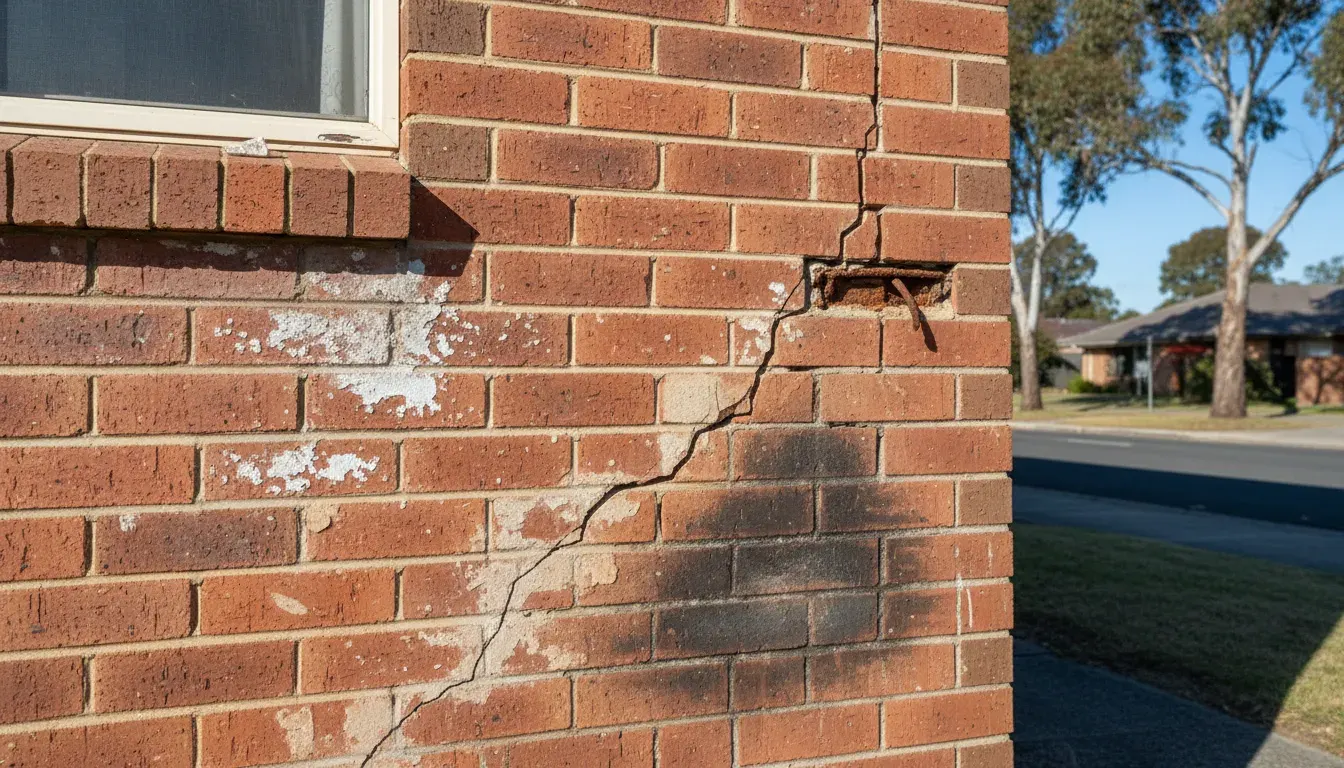
For apartment buyers and owners' corporation members, understanding this difference affects decisions worth tens of thousands of dollars. A hairline crack might be purely aesthetic, or it could indicate foundation movement requiring urgent engineering assessment. Getting it wrong in either direction creates problems: panic over minor imperfections wastes money, while dismissing structural warnings risks safety and financial loss.
Australian building defect claims have surged in recent years, with the Building Commissioner's reports highlighting significant issues in apartment construction. Whether you're buying into a strata scheme, serving on a committee, or investigating a defect notice, this guide explains how professionals distinguish between what looks bad and what actually is bad.
85%
Defects are cosmetic in nature
$50K+
Average structural repair per unit
2mm
Crack width triggering investigation
Defining Cosmetic Issues in Unit Blocks
Cosmetic issues affect appearance without compromising structural integrity or safety. These defects, while annoying, don't threaten the building's ability to perform its intended function.
Common Cosmetic Defects
| Defect Type | Description | Typical Repair Cost |
|---|---|---|
| Hairline cracks | Under 2mm, stable, no pattern | $200 - $800 |
| Paint defects | Peeling, fading, colour inconsistency | $500 - $2,000 |
| Minor tile damage | Chips, grout discolouration | $300 - $1,500 |
| Door/window scratches | Surface marks, not affecting operation | $150 - $600 |
| Carpet wear | Traffic patterns, minor stains | $800 - $3,000 |
Quick Assessment
If a defect doesn't affect water resistance, load bearing, or fire safety, it's likely cosmetic. However, always monitor changes over time.
Cosmetic defects in common property typically fall under general maintenance budgets rather than special levies. Under the Strata Schemes Management Act 2015 (NSW) and equivalent legislation in other states, owners' corporations must maintain common property, but the urgency depends on severity.
Identifying Structural Concerns
Structural concerns affect elements designed to carry loads, resist forces, or maintain building stability. These require immediate professional assessment and often involve engineers, not just builders.
Critical Structural Elements
Warning Signs Requiring Urgent Assessment
Cracks wider than 5mm, diagonal cracking patterns, doors and windows jamming progressively, visible concrete spalling with exposed reinforcement, and water ingress through structural joints all require immediate professional evaluation.
When structural issues are suspected, a defect investigation report provides the evidence needed for remediation planning, insurance claims, or legal proceedings against builders.
| Structural Issue | Warning Signs | Risk Level |
|---|---|---|
| Foundation settlement | Diagonal cracks, uneven floors | High |
| Concrete cancer | Rust stains, spalling, exposed rebar | High |
| Balcony degradation | Cracks at connections, water damage | Critical |
| Roof structure failure | Sagging, spreading walls | High |
| Retaining wall movement | Tilting, bulging, drainage failure | Medium-High |
The Grey Zone: When Cosmetic Becomes Structural
Many defects start cosmetic and become structural over time. Water damage is the classic example: a small crack allows water entry, which causes corrosion, which leads to concrete cancer, which compromises structural capacity.
Initial Defect Appears
Small crack or surface damage visible. Appears purely cosmetic.
Water Ingress Begins
Moisture enters through defect. Often undetected for months.
Internal Damage Develops
Reinforcement corrodes, concrete deteriorates internally.
Structural Capacity Reduces
Element can no longer safely carry designed loads.
This progression explains why experienced inspectors monitor certain cosmetic defects carefully. A crack that's been stable for five years is different from one that appeared last month and is growing.
Cost Implications for Strata Schemes
The financial difference between cosmetic and structural issues is substantial and affects every lot owner through strata levies.
Pros
- Cosmetic repairs from administration fund
- Predictable maintenance costs
- Minor impact on property values
Cons
- Structural repairs require special levies
- Can cost $20,000-$100,000+ per lot
- May trigger disclosure requirements on sale
Before purchasing a unit, reviewing strata reports reveals planned works, existing defects, and the financial health of the owners' corporation. This due diligence can save buyers from inheriting expensive structural remediation projects.
Capital Works Fund Requirements
Australian states require strata schemes to maintain capital works funds for major repairs. NSW mandates 10-year capital works fund plans, updated every 5 years.
What Inspectors Look For
Professional inspectors use systematic approaches to distinguish cosmetic from structural issues. This assessment follows AS 4349.1 guidelines for building inspections.
Assessment Criteria
| Factor | Cosmetic Indicator | Structural Indicator |
|---|---|---|
| Crack width | Under 2mm | Over 5mm or growing |
| Crack pattern | Random, shrinkage | Diagonal, stepped |
| Location | Surface finishes | Load-bearing elements |
| Progression | Stable over time | Active, worsening |
| Associated symptoms | None | Water, movement, rust |
A thorough building and pest inspection examines both common property and individual lots, identifying issues that might otherwise be missed in a visual-only assessment.
- Concrete Cancer
Corrosion of steel reinforcement within concrete, causing expansion, cracking, and structural degradation. Also called concrete spalling.
- Differential Settlement
Uneven foundation movement causing one part of a building to sink more than another, creating structural stress.
- Load Path
The route through which building loads transfer from roof to foundations. Interruption causes structural failure.
Frequently Asked Questions
Frequently Asked Questions
How do I know if a crack in my unit wall is structural?
Cracks wider than 2mm, diagonal patterns, or those near doors and windows may indicate structural movement requiring professional assessment.
Hairline cracks under 2mm in plasterboard are typically caused by building settlement or thermal movement and are cosmetic. However, cracks that are widening, show a stepped pattern following mortar joints, or appear alongside sticky doors and windows suggest active structural movement. Document cracks with dated photographs and measure their width monthly. If growth exceeds 1mm in three months, engage a structural engineer.
Who pays for structural repairs in a unit block?
All lot owners share structural repair costs for common property through strata levies, typically via special levies for major works.
Under Australian strata legislation, the owners' corporation is responsible for common property maintenance and repair. Structural elements like foundations, external walls, and roof structures are common property in most schemes. The cost is distributed according to unit entitlements. If defects result from builder negligence within warranty periods, the owners' corporation may pursue the developer. NSW's Residential Apartment Buildings Act 2020 provides additional protections for newer buildings.
Can cosmetic defects become structural over time?
Yes. Cosmetic defects allowing water ingress can lead to corrosion, concrete degradation, and eventual structural failure if left untreated.
The most common progression involves water. A hairline crack in external render allows moisture to reach steel reinforcement. Over years, the steel corrodes and expands, cracking the concrete further. This cycle accelerates until the element loses structural capacity. Regular maintenance that addresses cosmetic defects early prevents this expensive progression.
What does concrete cancer look like?
Concrete cancer appears as rust staining, cracking, spalling (chunks falling off), and exposed corroded reinforcement in concrete elements.
Early signs include brown rust stains bleeding through concrete surfaces, particularly around cracks. As it progresses, concrete begins to delaminate and fall away, exposing the corroded steel reinforcement beneath. Balconies, carpark structures, and areas exposed to salt air are particularly susceptible. Treatment costs increase dramatically with severity, from $500 per square metre for early-stage repair to complete element replacement for advanced cases.
Should I be worried about cracks in common property hallways?
Hairline cracks in hallway walls are usually cosmetic settlement cracks. Large, growing, or patterned cracks warrant investigation.
Common areas experience thermal movement and minor settlement that causes superficial cracking. This is normal in buildings of all ages. Concern is warranted when cracks exceed 2mm width, show diagonal patterns, appear suddenly after being stable, or are accompanied by other symptoms like uneven floors or jammed fire doors. Report concerns to your strata manager for professional assessment.
How much does a structural engineer report cost?
Structural engineer reports for unit blocks typically cost $1,500 to $5,000 depending on complexity, with detailed remediation specifications costing more.
A basic structural assessment to determine whether defects are cosmetic or structural costs $1,500 to $2,500. If structural issues are confirmed, detailed investigation including core sampling, load testing, and remediation design can cost $5,000 to $15,000 or more. These costs are typically borne by the owners' corporation and are essential for obtaining accurate repair quotes and pursuing warranty claims.
Do I have to disclose structural defects when selling my unit?
Yes. Australian property law requires sellers to disclose known material defects, including structural issues, to prospective buyers.
Failing to disclose known defects can result in contract rescission or damages claims. Structural issues affecting common property should be reflected in strata records, which buyers can access through strata searches. Individual lot defects must be disclosed in the contract of sale. When in doubt, disclose. The legal and financial consequences of non-disclosure far outweigh any perceived sale price benefit.
What's the difference between settlement cracks and structural cracks?
Settlement cracks are stable, minor cracks from normal building settling. Structural cracks are active, growing cracks indicating ongoing movement or failure.
Settlement cracks typically appear within the first few years after construction as the building finds its equilibrium. They're usually hairline width, don't grow, and follow random patterns. Structural cracks indicate something is wrong: inadequate foundations, overloading, or material failure. They grow over time, often follow diagonal patterns, and may be accompanied by other symptoms. Age matters too: new cracks in old buildings warrant more concern than old cracks in new buildings.
Can I get a building inspection just for my unit?
Yes. Individual unit inspections assess lot-specific defects, though common property issues require owners' corporation involvement to address.
An apartment pre-settlement inspection examines your specific lot, identifying defects before you take ownership. However, structural issues in common property elements like external walls, roof, and foundations require the owners' corporation to arrange assessment and remediation. A comprehensive pre-purchase inspection should examine both your lot and note any visible common property concerns.
How often should unit blocks be professionally inspected?
Strata schemes should conduct comprehensive building inspections every 3-5 years, with more frequent inspections for buildings over 20 years old.
Regular inspections identify developing issues before they become expensive emergencies. NSW requires 10-year capital works plans based on professional assessment. Buildings with known issues, those near the coast, or structures over 30 years old benefit from more frequent monitoring. Annual visual inspections by committee members, supplemented by professional assessment every 3-5 years, represents best practice.
What warranty protection exists for structural defects in new apartments?
In NSW, major structural defects have a 6-year statutory warranty period. Other states have similar protections ranging from 6 to 10 years.
The Home Building Act 1989 (NSW) provides warranties for residential building work including apartments. Major defects affecting structure or habitability are covered for 6 years from completion. Minor defects are covered for 2 years. Similar protections exist under the Domestic Building Contracts Act 1995 (VIC) and QBCC Act 1991 (QLD). Documenting defects thoroughly and reporting them within warranty periods is essential for successful claims.
Key Takeaways
- Cosmetic issues affect appearance only and typically cost under $5,000 to repair
- Structural concerns involve load-bearing elements and can cost $50,000+ per unit
- Cracks over 2mm wide or showing diagonal patterns require professional assessment
- Water ingress can transform cosmetic defects into structural problems over time
- Strata records reveal existing defects and planned remediation works
- All lot owners share structural repair costs through strata levies
- Document defects with dated photographs and monitor for changes
- Professional inspection every 3-5 years prevents expensive surprises
References and Resources
Related Articles
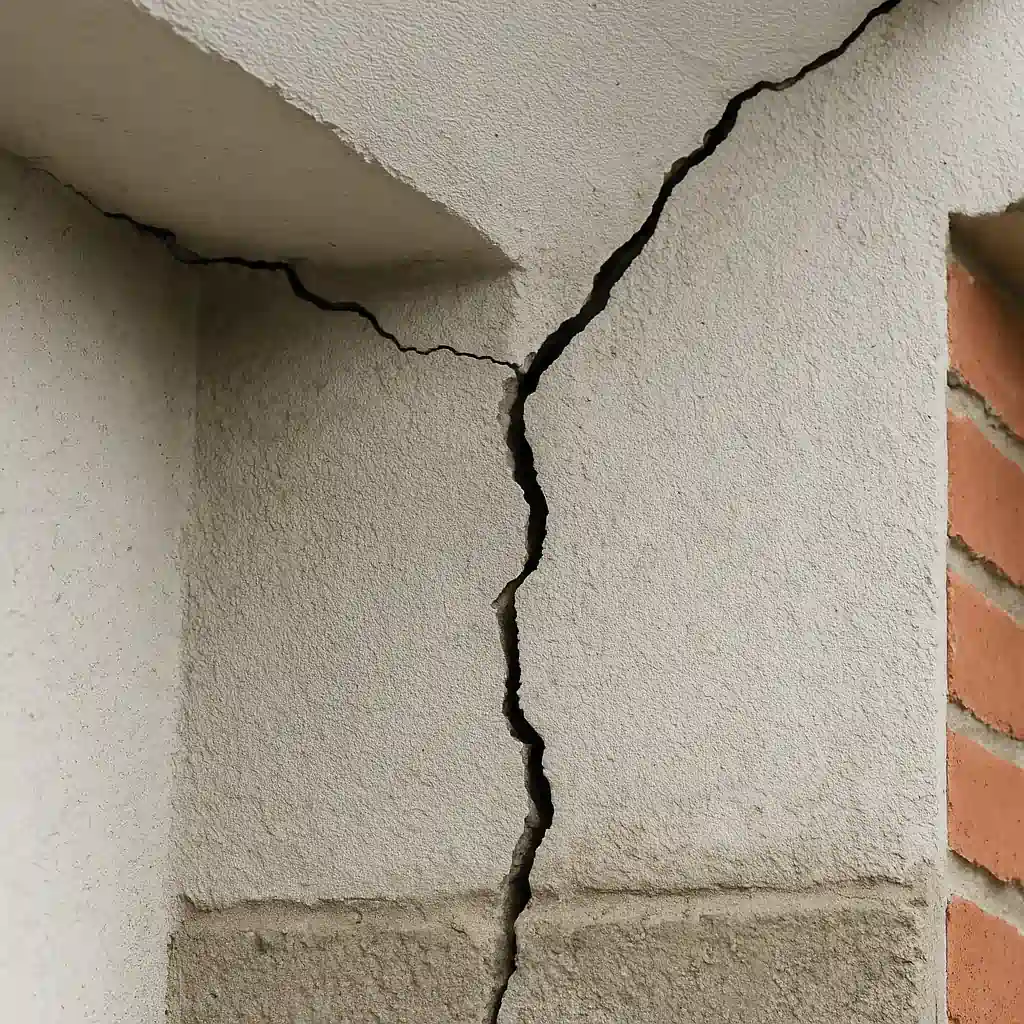
Top Warning Signs of Structural Defects in New Builds
Nearly 70% of newly built Australian homes show major defects. Learn the eight key warning signs of structural issues and how to protect your investment.

Construction Stage Defect Assessment for Early Fixes
Construction stage defect assessments are vital for protecting structural integrity. Defects caught early prevent escalation into costly issues that can increase project costs by up to 20%.
Structural Defect Inspections to Prevent Future Problems
Approximately one in five Australian homes experience structural issues. Learn how structural defect inspections can prevent expensive repairs and ensure safety.
Concerned About Defects in Your Unit Block?
Our licensed inspectors distinguish cosmetic issues from structural concerns, providing clear guidance for strata committees and buyers.