
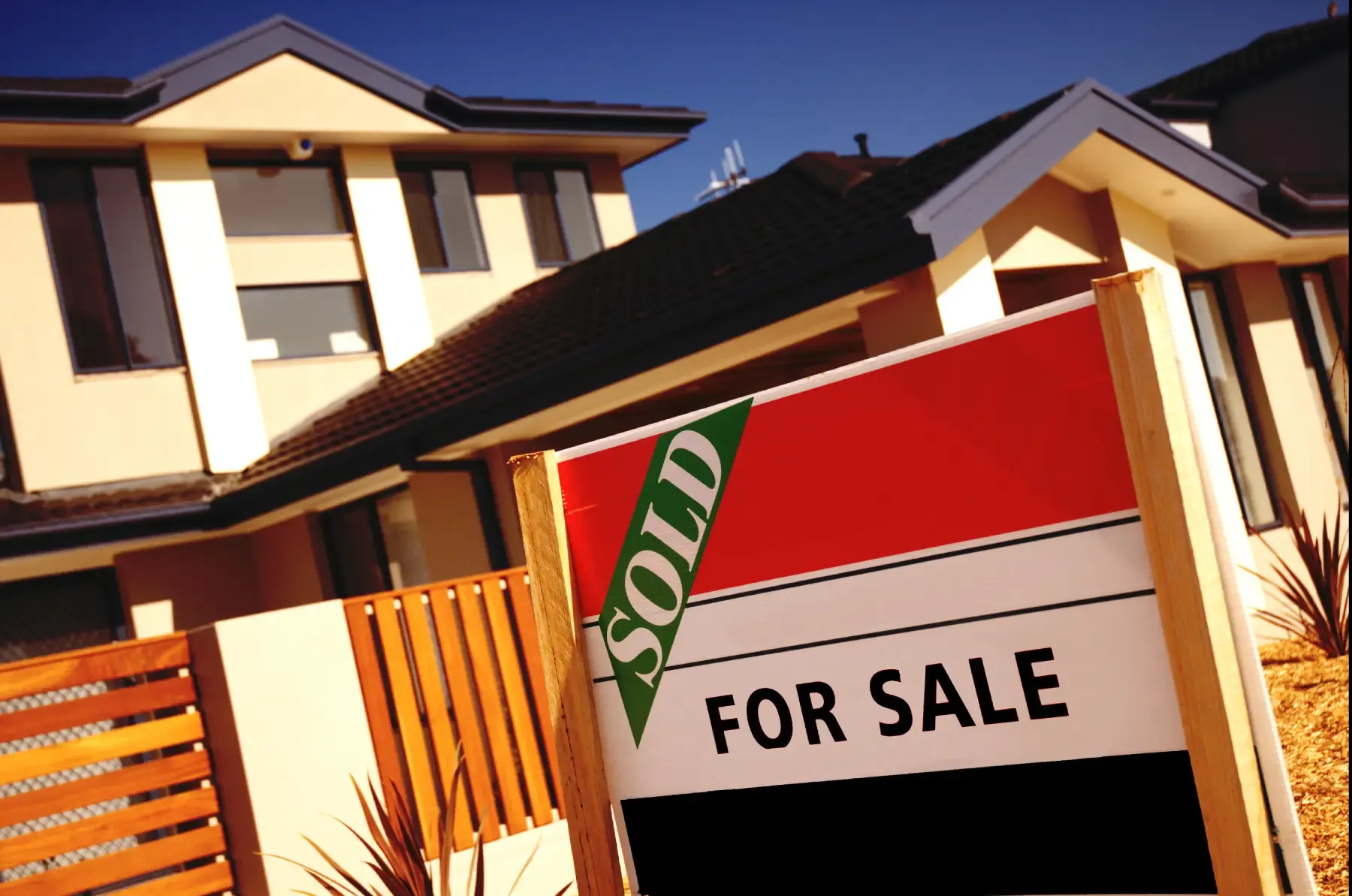
Many buyers assume that getting mortgage pre-approval is the final step. In reality, the lender still needs to verify the property itself is a sound investment. A pre-purchase inspection uncovers issues such as foundation cracks, termite damage, faulty wiring, and unapproved building work that could lower the property's valuation or make it ineligible for financing. For buyers, this report also serves as a powerful negotiation tool, and for sellers, it adds transparency that can speed up the sale.
What Is a Pre-Purchase Report?
A pre-purchase report is a detailed property assessment carried out by a licensed building inspector. The report evaluates the structural integrity of the building, identifies active pest infestations or damage, and checks whether the property complies with Australian building standards. It gives buyers a clear picture of the property's true condition before they commit financially.
The inspection follows Australian Standard AS 4349.1 for building inspections and AS 4349.3 for timber pest inspections. These standards set out what the inspector must assess, the format of the report, and the definitions of defect severity. A report prepared under these standards is recognised by lenders, conveyancers, and legal professionals across Australia.
For mortgage purposes, the report serves as independent verification that the property is worth the amount the buyer intends to borrow. If the report reveals significant problems, the lender may adjust the loan amount, request repairs before settlement, or decline the application altogether.
Book a pre-purchase inspection before your lender reviews the property
Get a clear picture of structural issues, pest risks, and defects before they affect your mortgage approval or purchase decision.
Inspection
Types of Pre-Purchase Reports
There are three main types of pre-purchase reports that buyers and lenders rely on in Australia. Each one covers a different aspect of the property's condition.
| What It Covers | When You Need It | |
|---|---|---|
| Building Inspection Report | Structural defects, roof condition, foundation stability, internal and external walls, water damage, and compliance with the National Construction Code (NCC) | Every residential property purchase, whether it is a house, townhouse, or unit |
| Pest Inspection Report | Termite activity, wood borers, fungal decay, and conditions that attract timber pests. Follows AS 4349.3 | All properties, especially in high-risk areas such as coastal QLD, Northern NSW, and parts of Victoria |
| Strata Inspection Report | Body corporate records, meeting minutes, levies, sinking fund balance, planned maintenance, and outstanding disputes | Apartments, townhouses, and any property within a strata scheme |
Many buyers choose a combined building and pest inspection, which covers both structural and pest assessments in a single visit. This is the most common approach for standalone houses and is often the minimum that lenders expect to see before processing a loan.
How Lenders Use Pre-Purchase Reports
Banks and mortgage providers do not simply rely on the purchase price when deciding how much to lend. They assess the property independently to confirm it represents adequate security for the loan.
Property Valuation and Condition
The lender's valuer considers the property's physical condition alongside comparable sales data. If a pre-purchase report identifies major structural issues, the valuer may reduce their estimate of the property's market value. A lower valuation means the buyer may need a larger deposit or face a reduced loan amount.
Risk Assessment
Lenders factor the property's condition into their risk profile. A property with active termite damage, rising damp, or non-compliant electrical work is considered a higher risk. In some cases, the lender may impose conditions such as requiring the seller to complete repairs before settlement, or the buyer to take out additional insurance cover.
Impact on Loan Terms and Approval
- A property with major defects can result in delayed, reduced, or denied loan approval
- Lenders may require repairs or additional inspections before finalising the mortgage
- If significant issues are found, buyers may need to renegotiate the purchase price or walk away
- Properties with unapproved building work may be ineligible for financing until compliance is confirmed
A buyer who received conditional pre-approval for a $600,000 mortgage was denied final approval after the pre-purchase report revealed severe foundation cracking. The lender classified the property as too high-risk and required structural repairs to be completed before reconsidering the loan. This example shows why obtaining a pre-purchase report early in the process is so valuable.
Understanding Conditional Pre-Approval
Conditional pre-approval is a lender's preliminary agreement to finance a property purchase, subject to further checks. It gives buyers a clear borrowing limit and signals to sellers that the buyer has financial backing. However, it is not a guarantee that the loan will be approved.
Common Conditions Attached to Pre-Approval
Why Pre-Approval Does Not Guarantee Final Approval
Buyers should not treat conditional pre-approval as a done deal. The pre-purchase inspection is one of several conditions that must be satisfied. If the inspection reveals termite damage, structural faults, or non-compliant building work, the lender can change the loan terms, reduce the amount, or withdraw the offer entirely.
Tip
Obtain a pre-purchase report before making a formal offer on the property. This way, you know the true condition upfront and can avoid financing issues after contracts are exchanged.
What to Look for in a Pre-Purchase Report
A thorough pre-purchase report will cover multiple areas of the property. Here are the key factors every buyer should review carefully.
Structural Soundness
Look for reports on foundation stability, wall cracks, roof condition, load-bearing walls, and signs of settlement or movement. These issues directly affect the building's safety and long-term value.
Pest Damage
Check for evidence of termite activity, wood borer damage, and fungal decay. In Australia, termites cause more damage to homes than fire, flood, and storms combined. The CSIRO estimates that one in three Australian homes will be affected by termites at some point.
Electrical and Plumbing Systems
The report should note whether electrical wiring and plumbing meet current Australian regulations. Outdated or faulty systems are both a safety risk and a potential cost burden after purchase.
Asbestos and Hazardous Materials
Properties built before 1990 may contain asbestos in walls, ceilings, eaves, or flooring. The report should flag any suspected asbestos-containing materials and recommend further testing if needed.
Damp and Mould Issues
Water intrusion, rising damp, and mould growth indicate ongoing moisture problems that can lead to structural degradation and health risks for occupants. These issues often require specialist remediation.
Not sure what a lender will care about in the report?
Read our complete guide to building and pest inspections so you know what gets checked, when to book, and how to use the findings before settlement.
Full Guide
Red Flags That Could Affect Mortgage Approval
Certain findings in a pre-purchase report are more likely to cause problems with your mortgage application. These are the issues that lenders view as high risk.
- Unapproved renovations or illegal extensions that do not comply with the National Construction Code
- Active termite infestations or extensive timber pest damage affecting structural elements
- Faulty electrical wiring that does not meet current AS/NZS 3000 standards
- Unstable foundations, significant cracking, or evidence of subsidence
- Zoning violations or unresolved property boundary disputes
- Asbestos in accessible areas that poses a health and safety risk
- Evidence of flooding, rising damp, or water damage that has not been properly addressed
If any of these red flags appear in your report, discuss them with your conveyancer or solicitor before proceeding. In many cases, you can negotiate with the seller to have repairs completed before settlement, request a price reduction, or exercise a cooling-off clause to exit the contract.
Steps to Obtain a Pre-Purchase Report
Choose a licensed building inspector
Verify the inspector holds the appropriate licence for your state. In NSW, check with NSW Fair Trading. In QLD, check with the QBCC. In Victoria, check with the VBA. Ask for sample reports and confirm they inspect to AS 4349.1.
Schedule the inspection before signing contracts
Arrange the inspection during the due diligence period or before making an unconditional offer. This gives you time to review findings and negotiate if needed.
Attend the inspection if possible
Being present during the inspection allows you to ask questions and see issues firsthand. The inspector can explain defects in context and point out areas that may need monitoring over time.
Review the report with professional advice
Go through the findings with your conveyancer, solicitor, or mortgage broker. They can advise on how specific defects may affect financing, settlement, and your legal position.
Negotiate based on the findings
Use the report to request price adjustments, seller-funded repairs, or special conditions in the contract. A well-documented report gives you strong grounds for negotiation.
Submit to your lender
Provide the full report to your mortgage provider. This demonstrates due diligence and gives the lender confidence in the property's condition.
Cost and Timeframe
Pre-purchase inspection costs in Australia vary depending on property size, location, and the scope of the inspection.
| Typical Cost (AUD) | Turnaround Time | |
|---|---|---|
| Building Inspection Only | $300 to $600 | 24 to 48 hours |
| Pest Inspection Only | $250 to $400 | 24 to 48 hours |
| Combined Building and Pest | $400 to $800 | 24 to 48 hours |
| Strata Inspection Report | $300 to $500 | 3 to 5 business days |
At Owner Inspections, the typical turnaround time for a building inspection report is 24 hours. Costs start from $300, with the final price depending on the property size and location.
How Pre-Purchase Reports Benefit Different Parties
A pre-purchase report is not just for the buyer. It serves the interests of everyone involved in the transaction.
| Benefit | Without the Report | |
|---|---|---|
| Buyers | Provides transparency about the property's true condition, reduces the risk of unexpected repair costs, and strengthens negotiating power | May inherit hidden defects, face loan rejection, or overpay for a property in poor condition |
| Lenders | Confirms the property is adequate security for the loan and meets risk assessment criteria | Increased risk of financing a property that loses value or requires costly repairs |
| Sellers | Allows proactive repairs that increase the property's appeal and prevent last-minute deal cancellations | Risk of price renegotiation, delayed settlement, or the buyer walking away |
| Real Estate Agents | Helps streamline the sales process and reduces the chance of financing delays | Increased likelihood of contract disputes, cooling-off withdrawals, and failed settlements |
Need a pre-purchase report for mortgage approval?
Speak with Owner Inspections about a fast, independent inspection report that helps you move forward with more confidence.
Key Takeaways
- A pre-purchase report is a professional assessment of a property's structural condition, pest activity, and compliance with Australian building standards.
- Lenders use these reports to verify that a property meets their financing criteria before granting final mortgage approval.
- Conditional pre-approval is not a guarantee. The property must pass inspection and valuation checks before the loan is confirmed.
- Red flags such as unapproved renovations, active termite damage, and faulty wiring can lead to delayed or denied mortgage approval.
- Combined building and pest inspections typically cost between $400 and $800 and are completed within 24 to 48 hours.
- Buyers should obtain the report before making an offer, not after contracts are exchanged, to avoid financing problems.
- The report doubles as a negotiation tool, allowing buyers to request price reductions or seller-funded repairs based on documented defects.
- A clean pre-purchase report gives both buyers and lenders confidence that the property is a sound investment.
Frequently Asked Questions
Do I need a pre-purchase report to get a mortgage in Australia?
While not all lenders explicitly require a pre-purchase inspection report, most will conduct their own property valuation that considers the building's condition. Providing a pre-purchase report strengthens your application by demonstrating due diligence. Some lenders may request one if the valuer identifies concerns during their assessment. Getting one done before applying gives you the best chance of a smooth approval process.
Can a pre-purchase report cause my mortgage to be denied?
Yes. If the pre-purchase report reveals significant structural defects, active termite damage, non-compliant building work, or other major issues, the lender may reduce the loan amount, impose additional conditions, or deny the application. The lender's concern is that the property may not hold its value or may require expensive repairs that affect the borrower's ability to repay.
What is the difference between a property valuation and a pre-purchase inspection?
A property valuation estimates the market value of the property based on comparable sales, location, and general condition. It is typically ordered by the lender. A pre-purchase inspection is a detailed physical assessment of the building's structural integrity, pest activity, and compliance with building codes. The inspection is far more thorough than a valuation and identifies specific defects that the valuer may not assess. Both serve different purposes and complement each other in the mortgage process.
When should I get a pre-purchase report during the buying process?
The best time is during the cooling-off period or before making an unconditional offer. In NSW, the standard cooling-off period is five business days after exchange of contracts. In Victoria, it is three business days. Getting the inspection done within this window means you can withdraw from the contract if the report reveals serious problems. Ideally, arrange the inspection before exchanging contracts so you can factor the findings into your offer.
How much does a pre-purchase report cost in Australia?
A standard building inspection typically costs between $300 and $600, while a combined building and pest inspection ranges from $400 to $800. The final price depends on the property's size, age, location, and the scope of the inspection. Strata inspection reports usually cost $300 to $500. These costs are a small fraction of the property price and can save buyers thousands by identifying issues before purchase.
What happens if the pre-purchase report finds termite damage?
If the report identifies active termite infestation or past termite damage, several outcomes are possible. You can negotiate a lower purchase price to account for treatment and repair costs. You can request that the seller arrange professional pest treatment and structural repairs before settlement. If the damage is extensive, you may choose to withdraw from the purchase during the cooling-off period. Lenders may also decline financing until the termite issue is fully resolved and a clearance report is provided.
Will unapproved building work affect my mortgage approval?
Yes. Unapproved renovations, extensions, or structural changes that do not comply with the National Construction Code or local council approvals are a significant red flag for lenders. The property may be valued lower than the purchase price, and the lender may refuse to finance it until compliance is achieved. Buyers should check with the local council for approved building records and compare them against the pre-purchase inspection findings.
Can I use the pre-purchase report to negotiate the price?
Absolutely. A pre-purchase report that documents specific defects gives you factual grounds to negotiate a price reduction or request that the seller covers the cost of repairs. For example, if the report identifies $15,000 worth of roof repairs and waterproofing work, you can present this to the seller as justification for a lower offer. Sellers are often willing to negotiate rather than risk losing the sale, especially when the findings are backed by a licensed inspector's report.
What qualifications should a building inspector have in Australia?
Building inspectors in Australia must hold a valid licence issued by the relevant state authority. In NSW, this is managed by NSW Fair Trading. In Queensland, inspectors must be licensed through the Queensland Building and Construction Commission (QBCC). In Victoria, the Victorian Building Authority (VBA) oversees licensing. Look for inspectors who carry professional indemnity insurance and conduct inspections in accordance with AS 4349.1 for building inspections and AS 4349.3 for timber pest inspections.
Is a strata inspection report necessary for apartment purchases?
Yes, a strata inspection report is strongly recommended for any property within a strata scheme. It reveals the financial health of the owners corporation, any planned special levies, outstanding disputes, and the condition of common areas. A property may appear well-maintained on the surface, but the strata records could show a history of building defects, underfunded sinking funds, or pending legal action that would affect your ongoing costs and the property's long-term value.
How long does a pre-purchase inspection take?
The on-site inspection typically takes between one and three hours depending on the property's size and complexity. A standard three-bedroom house usually takes around 90 minutes to two hours. The written report is normally delivered within 24 to 48 hours after the inspection. At Owner Inspections, reports are typically available within 24 hours.
What should I do if my mortgage is denied because of the inspection report?
If your lender denies the mortgage based on inspection findings, you have several options. You can negotiate with the seller to have the identified defects repaired before settlement and then resubmit the application with an updated report. You can request a price reduction that accounts for the repair costs. You can also approach a different lender, as risk appetites vary between financial institutions. If the issues are too severe, it may be best to withdraw from the purchase and look for a property in better condition.
References and Resources
- NSW Fair Trading - Home Building - Licensing and consumer protection for building work in NSW
- Queensland Building and Construction Commission (QBCC) - Licensing and regulatory information for building inspectors in Queensland
- Victorian Building Authority (VBA) - Building practitioner registration and standards in Victoria
- Australian Building Codes Board - National Construction Code - National building standards and compliance requirements
- CSIRO - Termite Management - Research on termite activity and prevention in Australian homes
- Standards Australia - AS 4349.1 - Australian Standard for inspection of buildings
Related Articles
Pre-Purchase Defect Report: Why It's Essential for Buyers
A pre-purchase defect report provides an independent, expert assessment of a property's condition before you buy. It identifies structural defects, pest damage, electrical faults, plumbing issues, and safety hazards that could cost thousands to repair. Licensed building inspectors conduct these reports in line with Australian Standard AS 4349.1, giving buyers the information they need to make a confident purchasing decision.
Pre-Purchase House Inspection Cost: What to Expect
Pre-purchase house inspection costs in Australia range from $300 to $800 depending on property size, location, and scope. Learn what affects pricing across Sydney, Melbourne, and Brisbane.
Why Get a Pre-Purchase Inspection? Key Benefits Explained
A pre-purchase inspection gives Australian property buyers a detailed assessment of structural issues, pest infestations, compliance problems, and safety hazards before committing to a purchase. This guide explains the key benefits and what to expect.
For a complete overview, see our guide to pre-purchase building and pest inspections.
Need a Pre-Purchase Inspection?
Our licensed inspectors cover Sydney, Melbourne, and all major Australian cities.