
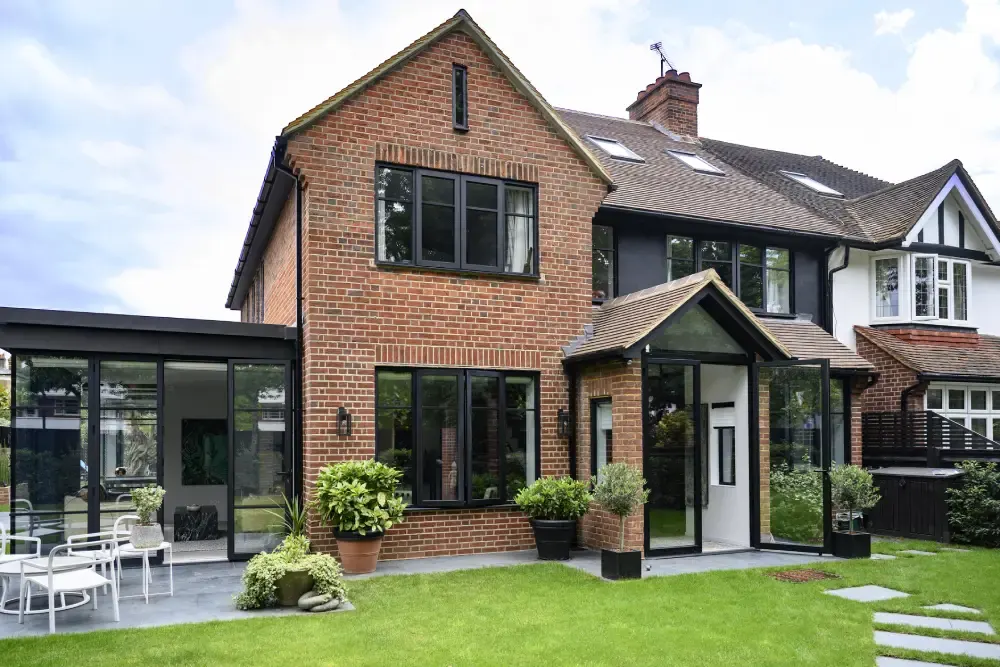
Without an inspection, buyers risk facing costly repairs, legal compliance issues, and safety hazards after finalising their investment. In a competitive market, knowing the true condition of a property allows buyers to make informed decisions, plan for future maintenance, and negotiate with confidence.
Uncover Hidden Structural Issues
Many property buyers focus only on visible defects, but hidden structural issues can cause significant financial setbacks. A minor crack in a wall may indicate deeper foundation problems, and seemingly well-maintained homes can have undetected structural defects.
Know What a Pre-Purchase Inspection Really Covers
Give buyers a clear next step early. This guide explains what gets checked, when to book, what reports include, and how to use the findings before settlement.
Full Guide
Common structural issues in Australian properties
- Foundation cracks: Can compromise the stability of the home, leading to costly underpinning work
- Roof leaks and insulation failures: Undetected leaks can result in mould growth and water damage over time
- Sagging floors and faulty beams: Weak or deteriorated load-bearing structures can make the home unsafe
- Poor drainage and soil movement: Changes in the soil beneath a home can shift foundations gradually
A buyer who skipped a pre-purchase inspection later discovered that the home had severe foundational instability. The repair work cost over $50,000 and required temporary relocation. An inspection before purchase would have flagged this issue and allowed the buyer to renegotiate or walk away.
Identify Pest Infestations
Pest infestations are a major concern in Australia, with termites alone causing over $1.3 billion in damage annually. Many infestations go unnoticed until significant damage has occurred.
Common pests in Australian properties
- Termites: Consume wooden foundations and beams, weakening structural integrity
- Rodents: Chew through wiring, creating fire hazards and contaminating areas
- Borers and wood-decaying fungi: Weaken timber frameworks, leading to expensive repairs
Inspection techniques
- Thermal imaging: Detects hidden termite activity behind walls and floors
- Physical examination: Inspectors assess common infestation points including basements, attics, and wooden structures
- Moisture detection tools: High moisture levels often indicate favourable conditions for pests
Assess Compliance with Building Codes
Australian properties must adhere to the National Construction Code (NCC). Failure to meet these regulations can lead to legal penalties, costly retrofits, and safety risks.
Potential risks of non-compliance
- Outdated electrical systems: Older homes may have wiring that fails current safety standards, posing fire risks
- Unapproved extensions or modifications: Illegal renovations can result in council fines or forced demolitions
- Inadequate waterproofing: Poor waterproofing can lead to long-term structural deterioration from moisture intrusion
A homebuyer unknowingly purchased a property with an unapproved extension. The local council required demolition of the non-compliant structure, resulting in substantial financial loss. A pre-purchase inspection would have identified the compliance issue before the purchase was finalised.
Negotiate Better Purchase Terms
A pre-purchase inspection provides buyers with strong negotiating grounds. Knowing about defects or necessary repairs allows buyers to adjust their offers or request seller concessions.
Best practices for negotiating with an inspection report
A buyer who identified plumbing and insulation issues during an inspection successfully negotiated a $10,000 reduction in the purchase price, avoiding unexpected repair costs.
See What Buyers Should Check Before They Commit
This works well in the middle of the article after you explain risks and report scope. It keeps readers moving with a practical checklist they can use during the buying process.
Buyer Checklist
Plan for Future Maintenance and Repairs
Even if a home passes inspection with no major concerns, understanding its current state helps buyers plan future maintenance costs. Early awareness allows for budgeting and prevents emergency repairs.
- Estimated lifespan of major components: Understand how long the roof, plumbing, and electrical systems are expected to last
- Cost estimates for upcoming renovations: The inspection can highlight areas that will need upgrades in the next few years
- Regular follow-up inspections: Schedule periodic assessments to monitor wear and tear over time
Ensure Safety and Peace of Mind
A pre-purchase inspection helps detect hazardous conditions that could affect a property's safety. Buying a home should be a secure investment, not one filled with unexpected risks.
Safety hazards commonly identified during inspections
- Non-functional smoke detectors that put residents at risk in case of fire
- Asbestos or lead-based paint in older homes that requires professional remediation
- Structural weaknesses in homes located in cyclone-prone areas that need to meet wind load requirements
- Plumbing leaks leading to mould growth, which can affect indoor air quality and cause respiratory issues
What Inspections Cover vs. What They Do Not
| Included | Not Included | |
|---|---|---|
| Structural Assessment | Foundation, walls, roof, load-bearing elements, floors | Concealed areas behind walls or under fixed floor coverings |
| Pest Evaluation | Termites, borers, wood-decaying fungi, rodent damage | Pest treatment or eradication (separate service) |
| Compliance Check | Visible code violations, unapproved modifications, safety hazards | Full council compliance audit or title search |
| Electrical and Plumbing | Visual assessment of accessible systems, switches, taps, fixtures | Internal pipe condition, wiring behind walls (specialist required) |
Key Takeaways
- A pre-purchase inspection reveals hidden structural defects, pest infestations, and compliance issues before you buy.
- Termites alone cause over $1.3 billion in damage annually in Australia, making pest inspections a smart addition to any building inspection.
- Inspection reports give buyers strong negotiating grounds to request price reductions or seller-funded repairs.
- Even when no major issues are found, the report helps buyers plan for future maintenance and budgeting.
- Pre-purchase inspections typically cost $400 to $800 and can save buyers tens of thousands in unexpected repair costs.
- Inspections are not legally required in most Australian states but are strongly recommended for any property purchase.
- Schedule follow-up inspections every 3 to 5 years or after major renovations to monitor the property's condition.
Frequently Asked Questions
What does a pre-purchase inspection include?
A pre-purchase inspection includes a structural assessment, pest evaluation, compliance check, and review of electrical and plumbing systems. The inspector examines the foundation, walls, roof, floors, drainage, and accessible areas to identify defects, safety hazards, and potential maintenance issues.
What qualifications should a pre-purchase inspector have?
The inspector must be a licensed building inspector with relevant industry certifications and professional indemnity insurance. In Australia, inspectors typically follow Australian Standard AS 4349.1 for building inspections and should have experience with the types of properties common in your area.
What happens if issues are found during the inspection?
Buyers can use the inspection report to renegotiate the purchase price, request that the seller complete repairs before settlement, or in serious cases, withdraw from the purchase altogether. The report provides documented evidence to support any negotiation.
Can a property fail a pre-purchase inspection?
Inspections do not produce a "pass" or "fail" result. Instead, the report highlights significant concerns, rates defects by severity, and provides recommendations. It is up to the buyer to decide how to proceed based on the findings.
Is a pest inspection different from a building inspection?
Yes. A building inspection focuses on structural and safety issues, while a pest inspection specifically targets termite activity, rodent damage, borers, and wood-decaying fungi. Many inspectors offer combined building and pest inspections for convenience and cost savings.
How often should properties be inspected after purchase?
Every 3 to 5 years is recommended, or more frequently for older properties or those in areas prone to termites, flooding, or extreme weather. Inspections should also be scheduled after major renovations or following any event that may have caused structural damage.
How much does a pre-purchase inspection cost in Australia?
Costs typically range from $400 to $800 depending on the property's size, location, and whether pest inspections are included. Combined building and pest inspections are usually offered at a package rate. The cost is small compared to the potential savings from identifying defects before purchase.
Can I attend the pre-purchase inspection?
Yes, and it is recommended. Attending the inspection allows you to see the defects firsthand, ask questions, and better understand the findings in the written report. Most inspectors welcome buyer attendance during the assessment.
Are pre-purchase inspections mandatory in Australia?
No. Pre-purchase inspections are not legally required in most Australian states. However, they are strongly recommended for any property purchase. Some lenders may require an inspection before approving a mortgage, particularly for older properties.
What should I do if the inspector finds asbestos?
If asbestos is identified, you should obtain a specialist asbestos assessment to determine the extent of the issue and the cost of removal or management. Asbestos removal must be carried out by licensed professionals in Australia. The findings can also be used to negotiate the purchase price.
References and Resources
- Australian Standard AS 4349.1 - Inspection of Buildings - Standard for building inspection procedures in Australia
- NSW Fair Trading - Buying property - Buyer guidance in New South Wales
- CSIRO - Termites in Australia - Research on termite activity and property damage in Australia
- Australian Building Codes Board - NCC - National Construction Code compliance standards
Related Articles
Pre-Purchase Inspection Checklist for Buyers
A pre-purchase inspection checklist helps buyers assess property condition before committing. Covers structural, electrical, plumbing, roofing, and pest checks.
Pre-Purchase House Inspection Cost: What to Expect
Pre-purchase house inspection costs in Australia range from $300 to $800 depending on property size, location, and scope. Learn what affects pricing across Sydney, Melbourne, and Brisbane.
What Does a Building Inspection Cover?
Building inspections serve as a critical investment safeguard, examining structural integrity, electrical systems, plumbing, and more before property purchase.
For a complete overview, see our guide to pre-purchase building and pest inspections.
Ready to Book a Pre-Purchase Inspection?
Use the final CTA to move readers from research to action. It links to the main service page where they can request a quote and book with a licensed inspector.
Quote