

Most Australians spend around 90% of their time indoors, whether at home, at work, or in other buildings. This means the air quality inside your home has a direct impact on your respiratory health, energy levels, and overall wellbeing. Indoor air can contain higher concentrations of certain pollutants than outdoor air, including dust mites, mould spores, pet dander, and chemicals from cleaning products and building materials.
Common Indoor Air Pollutants
Understanding the sources of indoor pollution is the first step towards fixing the problem.
| Source | Health Impact | |
|---|---|---|
| Dust and Dust Mites | Carpets, bedding, soft furnishings, skin cells | Eye, nose, and throat irritation; triggers asthma and allergies |
| Mould Spores | Damp areas, bathrooms, leaking pipes, poor ventilation | Respiratory problems, worsened allergies, chronic coughing |
| Pet Dander | Dogs, cats, and other furry pets | Allergic reactions, asthma triggers |
| Volatile Organic Compounds (VOCs) | Paints, cleaning products, air fresheners, new furniture | Headaches, dizziness, respiratory irritation |
| Combustion By-products | Gas stoves, heaters, fireplaces, cigarette smoke | Carbon monoxide exposure, respiratory disease |
These pollutants can cause a range of health problems, from mild irritation to chronic respiratory conditions. People with asthma, allergies, or compromised immune systems are particularly vulnerable.
Ventilation Strategies
Fresh air is one of the simplest and most effective ways to improve indoor air quality. Ventilation dilutes and removes pollutants that build up inside a closed home.
Natural Ventilation
- Open windows and doors for at least 10 to 15 minutes each day, even in cooler months, to allow cross-ventilation
- Create a cross breeze by opening windows on opposite sides of the house to move air through effectively
- Ventilate in the morning or late evening in urban areas when outdoor pollution levels are typically lower
Exhaust Fans
Use exhaust fans in bathrooms and kitchens every time you cook, shower, or bathe. These fans remove moisture and cooking fumes directly to the outside. Keep the fan running for at least 10 to 15 minutes after you finish to ensure moisture and pollutants are fully cleared.
Mechanical Ventilation
In well-sealed, energy-efficient homes, mechanical ventilation systems such as heat recovery ventilators (HRVs) provide continuous fresh air exchange while recovering heating or cooling energy. These systems are particularly valuable in apartments and townhouses where natural ventilation options may be limited.
Cleaning Techniques for Better Air Quality
Regular, effective cleaning removes dust, allergens, and pollutants from surfaces and soft furnishings before they become airborne.
Vacuum with a HEPA-filtered vacuum cleaner
HEPA filters capture particles as small as 0.3 microns, including dust mites, pollen, and pet dander. Vacuum carpets, rugs, and upholstery at least once a week, and more often if you have pets.
Dust with damp cloths
Dry dusting stirs particles back into the air. Use a damp microfibre cloth to trap dust on surfaces rather than redistributing it.
Wash bedding weekly in hot water
Wash sheets, pillowcases, and mattress protectors at 55 degrees Celsius or above to kill dust mites and remove allergens.
Clean exhaust fans and air conditioning filters
Dusty or clogged filters reduce airflow and can recirculate pollutants. Clean or replace filters according to the manufacturer's schedule.
Mop hard floors regularly
Mopping picks up fine dust and particles that vacuuming alone may miss on hard surfaces.
Air Purifiers
Air purifiers provide an additional layer of filtration for homes where ventilation alone is not sufficient to maintain good air quality. They are particularly useful for people with allergies, asthma, or respiratory conditions.
- Choose an air purifier with a true HEPA filter, which removes up to 99.97% of airborne particles as small as 0.3 microns
- Place the purifier in rooms where you spend the most time, such as bedrooms and living areas
- Replace HEPA filters every 6 to 12 months depending on usage and air quality
- Look for purifiers with activated carbon filters for additional VOC and odour removal
Air purifiers work best in combination with good ventilation and regular cleaning. They are not a substitute for addressing the source of pollutants, such as fixing leaks that cause mould or reducing the use of VOC-emitting products.
Reducing VOCs in Your Home
Volatile organic compounds are chemicals released into the air from many everyday household products. They can cause headaches, dizziness, and respiratory irritation, particularly in poorly ventilated spaces.
Mould and Moisture Control
Mould is one of the most common indoor air quality problems in Australian homes, particularly in humid coastal areas and homes with poor ventilation. Mould spores become airborne and can cause respiratory irritation, allergic reactions, and chronic health problems when inhaled over time.
Preventing Mould Growth
- Fix all plumbing leaks promptly, including dripping taps, leaking pipes, and seeping shower recesses
- Use exhaust fans in bathrooms and kitchens to remove moisture at the source
- Ensure adequate ventilation in all rooms, particularly bedrooms and living areas
- Keep indoor humidity below 60% by using dehumidifiers or air conditioning in humid climates
- Address condensation on windows and walls, which indicates excess moisture in the air
Signs of Mould Problems
- Visible mould growth on walls, ceilings, grout, or around windows
- Persistent musty or damp smell, even when surfaces appear dry
- Worsening allergy or asthma symptoms that improve when you leave the home
- Condensation on windows, mirrors, or cold surfaces
If you can see or smell mould in your home, it is important to identify and fix the moisture source before attempting to clean it. Cleaning mould without addressing the cause will result in it returning. For widespread mould growth, a professional mould inspection and remediation plan is recommended.
When to Get a Professional Inspection
A professional mould inspection or indoor air quality assessment is recommended if you notice persistent musty smells, visible mould, condensation problems, or if occupants experience ongoing respiratory symptoms. Professional inspectors use moisture meters, hygrometers, and air sampling equipment to identify moisture sources, mould contamination, and other air quality issues that are not visible to the naked eye.
Schedule an inspection:
- Before buying a property, as part of a pre-purchase building inspection
- After water damage from leaks, floods, or storms
- If mould reappears after cleaning
- If occupants experience persistent, unexplained respiratory symptoms
- After renovations that may have disturbed building materials containing asbestos or other contaminants
Key Takeaways
- Australians spend up to 90% of their time indoors, making indoor air quality a direct health concern.
- Common indoor pollutants include dust mites, mould spores, pet dander, VOCs, and combustion by-products.
- Open windows for at least 10 to 15 minutes daily and use exhaust fans in bathrooms and kitchens to improve ventilation.
- Vacuum with a HEPA-filtered cleaner at least weekly and dust with damp cloths to remove allergens from surfaces.
- Choose low-VOC paints, cleaning products, and furnishings to reduce chemical off-gassing indoors.
- Control moisture by fixing leaks, using exhaust fans, and keeping indoor humidity below 60% to prevent mould.
- A professional mould inspection is recommended if you notice persistent dampness, visible mould, or unexplained respiratory symptoms.
Frequently Asked Questions
How often should I assess the indoor air quality in my home?
Conduct a basic IAQ check at least once a year by inspecting for mould, checking ventilation, and reviewing the condition of filters and exhaust fans. Schedule a professional assessment if you notice persistent odours, visible mould, condensation, or if anyone in the household experiences ongoing respiratory issues.
Can indoor plants replace air purifiers for improving air quality?
Indoor plants like snake plants, spider plants, and peace lilies can absorb some pollutants, but they cannot replace an air purifier. The volume of air a plant can process is very small compared to a HEPA-filtered air purifier. Plants are a beneficial addition to a healthy home but should not be relied upon as the primary method of air purification.
What are the signs of poor indoor air quality?
Signs include persistent odours, condensation on windows, visible mould growth, excessive dust, and health symptoms that worsen indoors such as headaches, fatigue, dizziness, eye irritation, and respiratory problems. If symptoms improve when you leave the home, indoor air quality may be a contributing factor.
How do pets affect indoor air quality?
Pets contribute to indoor air pollution through dander, hair, and odours. Regular grooming, frequent washing of pet bedding, and using a HEPA-filtered vacuum cleaner can reduce pet-related allergens. Consider keeping pets out of bedrooms if anyone in the household has allergies or asthma.
Can opening windows in a city area make indoor air quality worse?
In areas with high outdoor air pollution, such as busy roads or industrial zones, opening windows during peak traffic times can introduce pollutants indoors. Ventilate early in the morning or late in the evening when traffic is lighter. In heavily polluted areas, an air purifier with a HEPA and activated carbon filter can supplement natural ventilation.
How does cooking affect indoor air quality?
Cooking, particularly with gas stoves, releases particulate matter, nitrogen dioxide, and carbon monoxide into the air. Always use a rangehood or exhaust fan while cooking and for 10 to 15 minutes after. Use back burners when possible, as they are usually closer to the rangehood and more effectively captured.
Do new furniture and building materials affect air quality?
Yes. New furniture, carpets, paints, and building materials can off-gas VOCs into the air for weeks or months after installation. Choose low-VOC products and ventilate rooms well after installing new materials. If possible, allow new furniture to off-gas in a garage or well-ventilated area before placing it in enclosed living spaces.
Can vacuuming too frequently make air quality worse?
Vacuuming with a machine that does not have a HEPA filter can redistribute fine particles into the air rather than trapping them. Using a HEPA-filtered vacuum cleaner prevents this problem and effectively captures allergens. Regular vacuuming with the right equipment improves, rather than worsens, indoor air quality.
Do I need an air purifier in every room?
No. Focus on rooms where you spend the most time, such as bedrooms and main living areas. A single, appropriately sized air purifier in each of these rooms is usually sufficient. Check the purifier's rated coverage area to make sure it matches the room size.
How does mould affect indoor air quality and health?
Mould releases spores into the air that can cause respiratory irritation, allergic reactions, and worsening of asthma symptoms. Prolonged exposure to mould spores in a home can lead to chronic coughing, nasal congestion, and in severe cases, more serious respiratory conditions. If mould is visible or you can smell a musty odour, a professional mould inspection is recommended.
References and Resources
- CSIRO - Indoor Air Quality - Research on indoor air quality and health impacts in Australia
- Department of Health - Indoor Air Quality - Australian Government health guidance on indoor air
- Australian Building Codes Board - NCC Ventilation - Ventilation requirements in the National Construction Code
- Asthma Australia - Information on asthma triggers and indoor air quality management
Related Articles
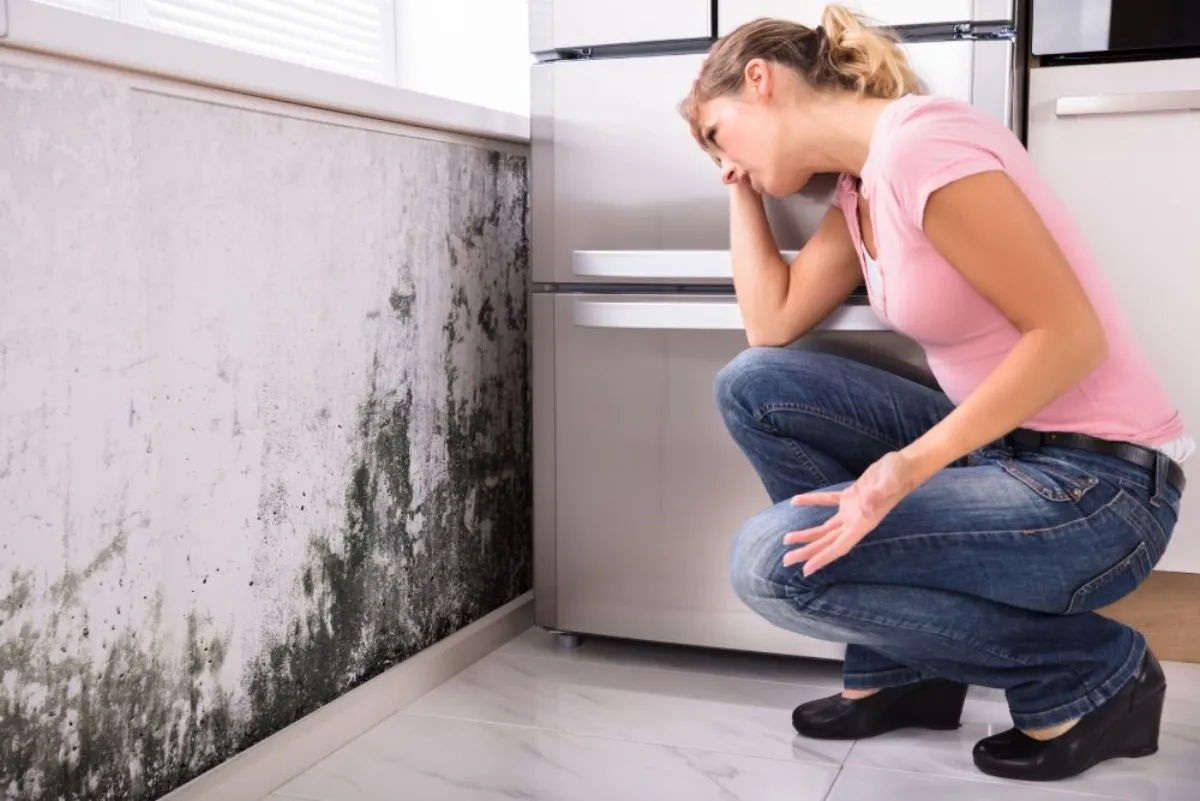
Understanding Mould Inspection Reports: A Buyer's Guide
Mould inspection reports are an essential tool for property buyers in Australia. This guide explains how Australia's climate influences mould growth, common moisture sources, what a professional mould inspection involves, and how to interpret the findings in a mould inspection report.
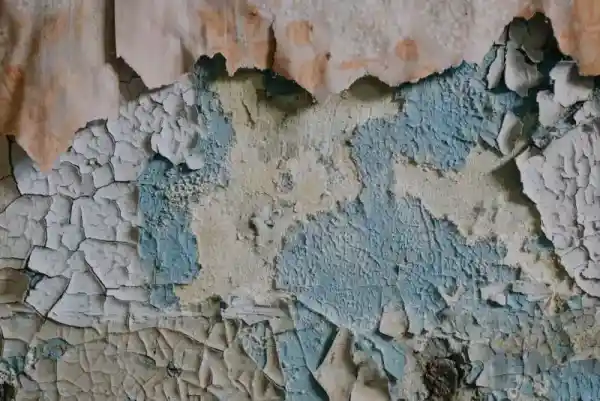
Key to Combatting Mould Growth in Sydney Homes
Sydney's humid subtropical climate creates ideal conditions for mould growth. This guide covers prevention strategies, natural remedies, and when to engage professional building inspectors for mould assessment.
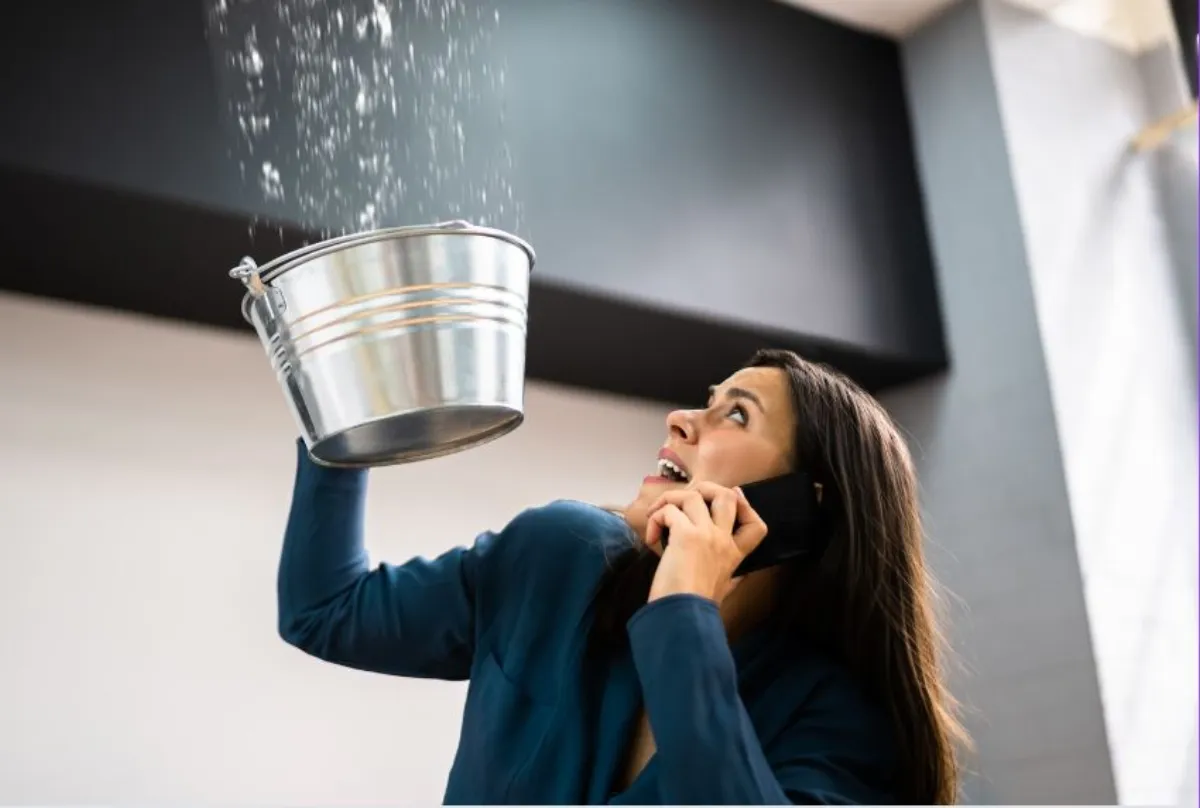
Waterproofing Inspections: Prevent Water Damage and Save Costs
Waterproofing inspections are one of the most effective ways to protect your property from water damage. By identifying vulnerabilities early, you can avoid costly repairs, prevent mould growth, and maintain the structural integrity of your building. This guide covers the benefits, what to expect, and how to find a qualified inspector.
Worried about mould or air quality in your home? Owner Inspections provides professional mould inspections across NSW, Victoria, and Queensland. Our inspectors use moisture detection tools and air sampling to identify mould sources and recommend effective remediation. Get a quote today or call us on 1300 471 805.