
Mould is one of the most common indoor environmental issues in Australian homes, particularly in humid climates and properties with moisture problems. While some mould exposure is unavoidable (spores are present everywhere in the outdoor environment), indoor mould growth above normal levels indicates a moisture problem that needs to be addressed.
Understanding which mould species you are dealing with helps you assess the health risk and determine the appropriate response. This guide covers the most common indoor species, their appearance, where they grow, their health effects, and when a professional mould inspection is warranted.
What Is Mould?
Mould is a type of fungus that grows as multicellular filaments called hyphae. It reproduces by releasing microscopic spores into the air. These spores are present in virtually all indoor and outdoor environments, but they only grow into visible mould colonies when they land on a surface with sufficient moisture.
- Mould needs moisture to grow. Without a water source (leak, condensation, humidity), spores remain dormant
- It can grow on almost any organic material including timber, plasterboard, carpet, fabric, and food
- Mould colonies can appear fuzzy, velvety, powdery, or slimy depending on the species
- Colours range from white, green, blue, and grey to brown and black
- Growth can be rapid in warm, humid conditions, sometimes becoming visible within 24 to 48 hours of a water event
Why Indoor Mould Is a Concern
Indoor mould growth is a concern for two reasons: health effects and property damage.
Health Effects
Mould releases spores and, in some cases, volatile organic compounds (VOCs) and mycotoxins into the air. Exposure can cause:
- Allergic reactions including sneezing, runny nose, skin rashes, and eye irritation
- Respiratory symptoms including coughing, wheezing, and shortness of breath
- Aggravation of existing asthma and respiratory conditions
- In severe cases (particularly with toxigenic species), more serious health effects including lung infections
People most at risk include children, the elderly, individuals with asthma or allergies, and those with weakened immune systems.
Property Damage
Left untreated, mould can damage building materials, weaken structural timbers, stain surfaces, degrade insulation, and ruin personal belongings such as clothing, books, and furniture. The longer mould is left to grow, the more extensive and expensive the remediation becomes.
Common Indoor Mould Species in Australia
Cladosporium
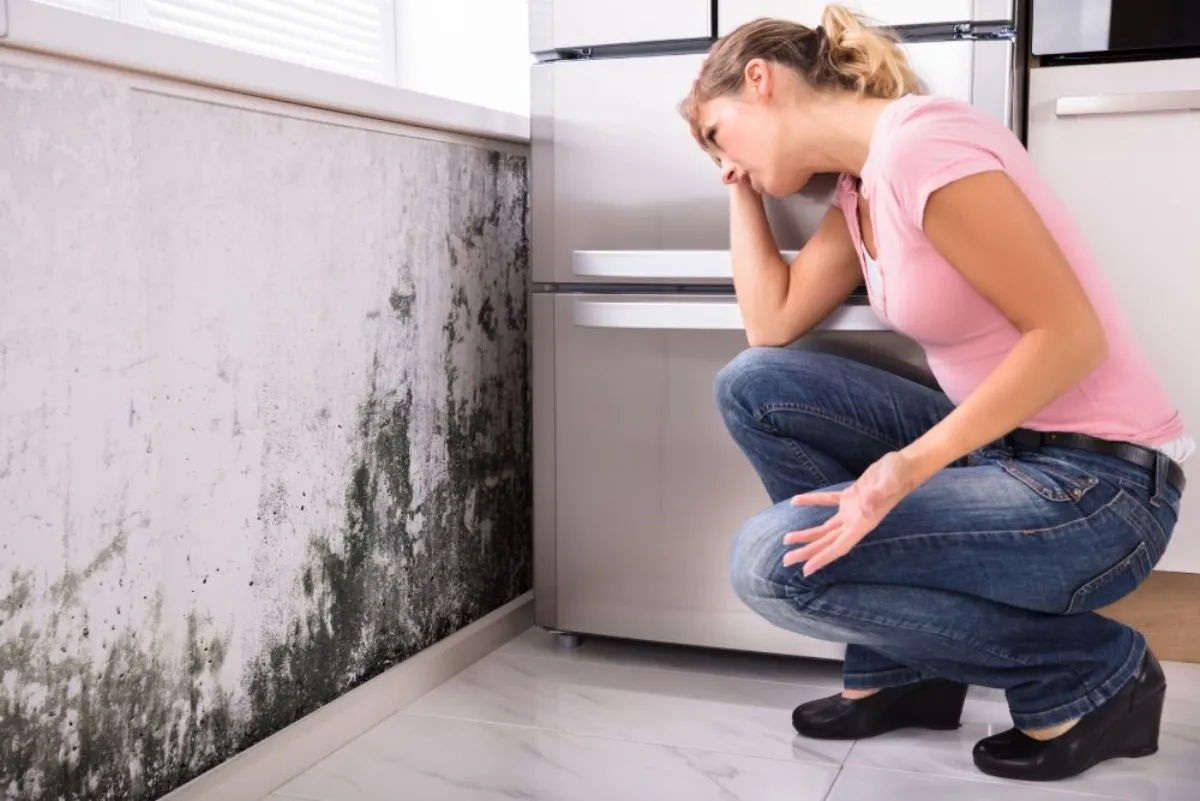
Cladosporium is one of the most frequently found mould species in Australian homes. It appears in black, green, brown, or grey colours and has a powdery or suede-like texture. It thrives in warm and damp areas and is most active during the warmer months.
Common locations include bathroom walls and ceilings, window sills with condensation, and air conditioning systems. Health effects are generally mild to moderate, including skin rashes, eye irritation, sinus congestion, and wheezing.
Penicillium
Penicillium is typically blue or green with a velvety texture. It is commonly found on food, walls, insulation, and water-damaged carpet or furniture. Unlike some species, Penicillium can grow in cooler conditions and is often more prevalent during winter.
It spreads quickly and can produce musty odours. Exposure can cause allergic reactions and respiratory irritation. Some species of Penicillium produce mycotoxins.
Aspergillus
Aspergillus is a large genus with many species, common in humid Australian environments. It can appear green, brown, black, white, or yellow. It is frequently found in air conditioning systems, on damp walls, in dust, and on stored food.
Health effects range from mild allergic reactions to serious conditions including aspergillosis (a lung infection) in individuals with compromised immune systems. Aspergillus is considered one of the more medically significant indoor mould genera.
Stachybotrys Chartarum (Black Mould)
Stachybotrys chartarum is the species most commonly referred to as "black mould." It is dark green to black, slimy in texture, and grows on materials with high cellulose content such as plasterboard, timber, and cardboard, particularly after prolonged water damage.
While less common than Cladosporium or Penicillium, Stachybotrys is significant because some strains produce potent mycotoxins (satratoxins). Exposure can cause severe respiratory symptoms, headaches, fatigue, and immune system effects.
Stachybotrys chartarum requires sustained moisture to grow. Its presence in a building almost always indicates a significant, unresolved water problem such as a chronic leak, flooding, or persistent condensation.
Alternaria
Alternaria is commonly found in showers, bathtubs, below leaking sinks, and on damp window frames. It is typically dark brown or olive green with a woolly or velvet-like texture.
Alternaria is a common trigger for allergic reactions and asthma attacks. It spreads quickly in damp conditions and is one of the most common outdoor moulds that also grows indoors.
Aureobasidium
Aureobasidium is typically found behind wallpaper, on painted surfaces, and on wooden frames. It starts as pink or light brown and darkens to brown or black as it matures.
It can cause infections of the skin, eyes, and nails, and triggers allergic reactions in sensitive individuals.
Fusarium
Fusarium grows in cold, wet environments and is often found on water-damaged carpets, fabrics, and wallpaper. It can appear in shades of pink, white, or red.
Fusarium can cause skin infections and, in people with weakened immune systems, more serious systemic infections. It is commonly associated with flooding and water damage events.
Trichoderma
Trichoderma species are usually found on wet surfaces such as damp carpet, wallpaper, and air conditioning filters. They are typically white or green with a woolly texture.
Some strains produce mycotoxins and enzymes that break down building materials, making Trichoderma particularly damaging to textiles, paper, and timber.
Ulocladium
Ulocladium requires a significant amount of water to grow and is commonly found in kitchens, bathrooms, and basements with major water damage. It is typically dark brown or black.
Its presence usually indicates severe or prolonged water damage. Ulocladium can cause strong allergic reactions and aggravate asthma.
Health Effects Comparison
| Typical Colour | Health Risk Level | Key Health Effects | |
|---|---|---|---|
| Cladosporium | Black, green, brown, grey | Mild to moderate | Allergies, skin rashes, eye irritation, sinus congestion |
| Penicillium | Blue, green | Mild to moderate | Allergies, respiratory irritation, some species produce mycotoxins |
| Aspergillus | Green, brown, black, white, yellow | Moderate to high | Allergies, aspergillosis (lung infection), serious risk for immunocompromised individuals |
| Stachybotrys (Black Mould) | Dark green to black | High | Severe respiratory symptoms, mycotoxin exposure, headaches, fatigue |
| Alternaria | Dark brown, olive green | Moderate | Asthma attacks, allergic reactions, rapid spread in damp conditions |
Common Causes of Indoor Mould Growth
Mould does not grow without moisture. Identifying and fixing the moisture source is the single most important step in preventing and remediating indoor mould.
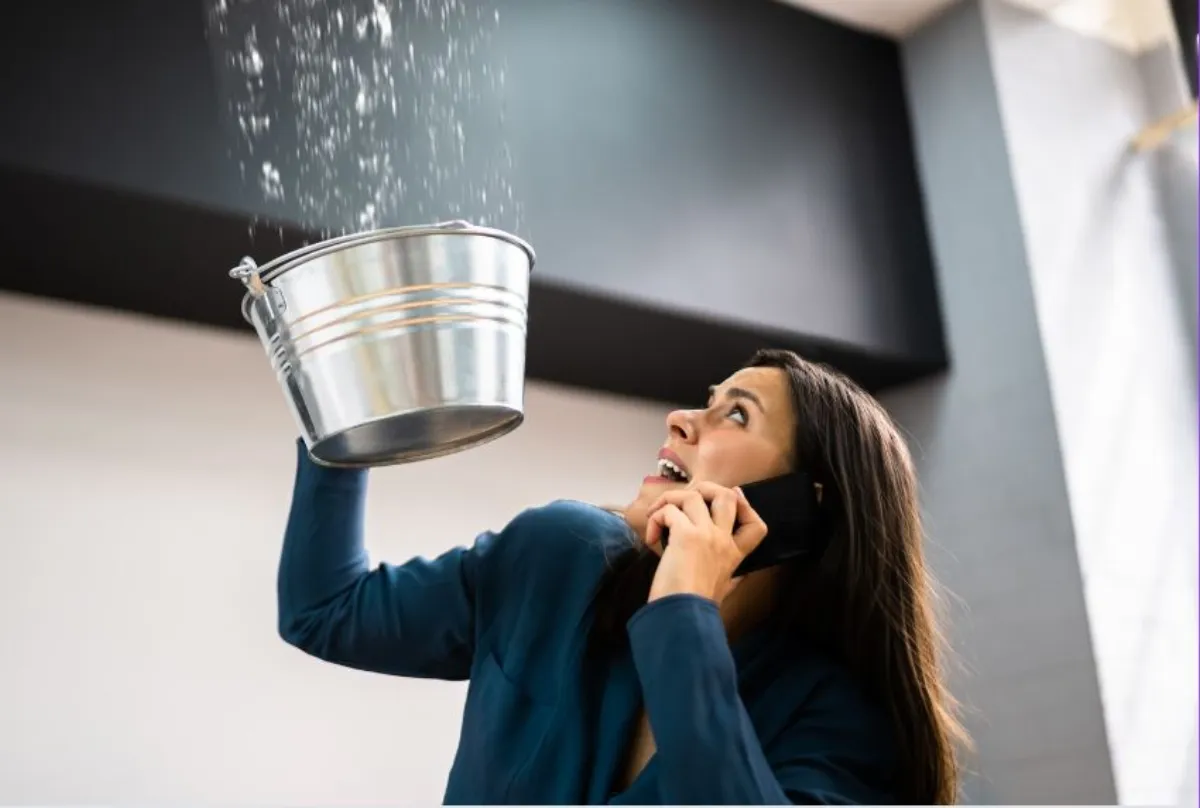
- Leaking roofs, pipes, or plumbing fixtures
- Poor ventilation in bathrooms, kitchens, and laundries
- Condensation on cold surfaces (windows, exterior walls, cold water pipes)
- Rising damp from subfloor areas with inadequate ventilation or drainage
- Flooding or water damage that was not properly dried
- High indoor humidity (above 60% relative humidity)
- Blocked or inadequate stormwater drainage
- Building defects such as failed waterproofing in wet areas
When to Get a Professional Mould Inspection
What a Mould Inspection Includes
A professional mould inspection typically includes:
- Visual assessment of the property for visible mould growth, moisture sources, and conditions that promote mould
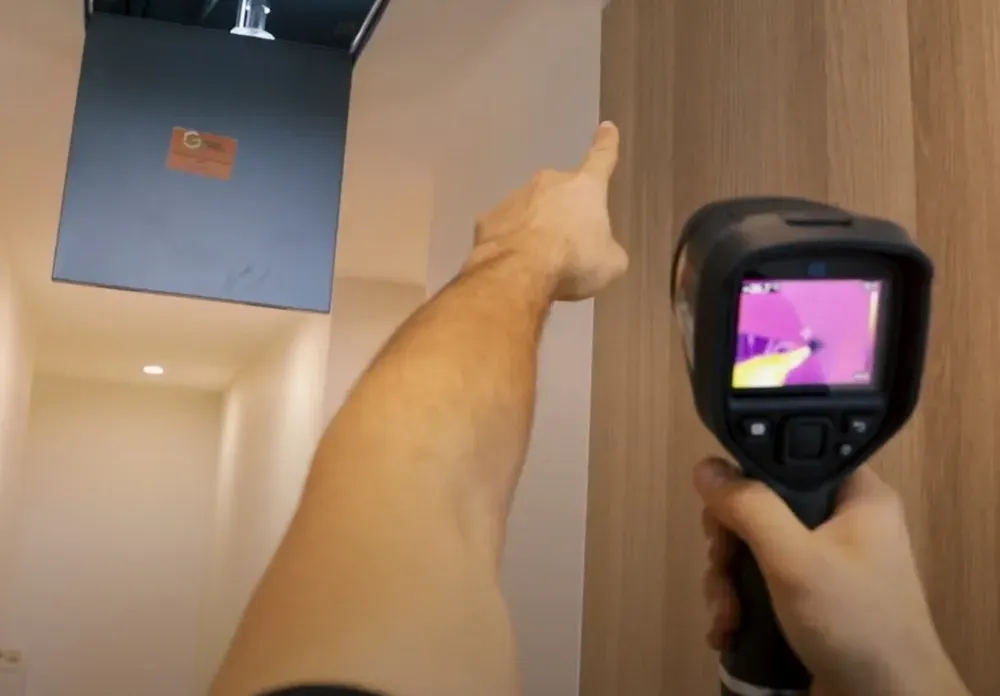
- Moisture readings using specialised equipment to identify hidden moisture in walls, floors, and ceilings
- Air sampling to measure spore concentrations in indoor air compared to outdoor baseline levels
- Surface sampling (tape lift or swab) to identify the mould species present
- Laboratory analysis of samples by an accredited laboratory
- A detailed report including findings, identified species, moisture sources, and remediation recommendations
Key Takeaways
- The most common indoor mould species in Australian homes are Cladosporium, Penicillium, Aspergillus, Alternaria, and Stachybotrys chartarum.
- All indoor mould growth requires moisture. Finding and fixing the moisture source is the most important step in remediation.
- Health effects range from mild allergies (Cladosporium, Penicillium) to serious respiratory and immune system conditions (Aspergillus, Stachybotrys).
- Stachybotrys chartarum (black mould) is less common but highly significant because some strains produce potent mycotoxins.
- A professional mould inspection identifies the species present, measures indoor spore levels, and locates the moisture source.
- Do not ignore persistent mould or musty odours. These indicate an unresolved moisture problem that will worsen over time.
- People most at risk from mould exposure include children, the elderly, asthma sufferers, and those with weakened immune systems.
Frequently Asked Questions
What is the most common mould found in Australian homes?
Cladosporium is one of the most frequently detected mould species in Australian indoor environments. It grows in warm, damp areas and is commonly found on bathroom walls, window sills, and in air conditioning systems. While its health effects are generally mild to moderate (allergies, skin rashes, sinus congestion), persistent exposure should be addressed.
Is black mould dangerous?
The term "black mould" usually refers to Stachybotrys chartarum. Some strains produce mycotoxins that can cause severe respiratory symptoms, headaches, fatigue, and immune system effects. However, many other mould species can also appear black in colour without being Stachybotrys. A professional mould inspection with laboratory analysis is the only reliable way to identify the species and assess the risk.
What causes mould to grow indoors?
Mould requires moisture, a food source (any organic material), and suitable temperatures. Common indoor moisture sources include leaking roofs, pipes, or plumbing, poor ventilation in bathrooms and kitchens, condensation on cold surfaces, rising damp, flooding, and high indoor humidity above 60%. Fixing the moisture source is the single most important step in preventing mould growth.
Can I remove mould myself?
Small areas of surface mould (less than one square metre) on non-porous surfaces can often be cleaned with appropriate cleaning products and good ventilation. However, larger infestations, mould on porous materials (such as plasterboard or carpet), or mould caused by ongoing water damage should be assessed and remediated by a professional to ensure the moisture source is addressed and the mould is fully removed.
How much does a mould inspection cost in Australia?
A professional mould inspection in Australia typically costs between $400 and $800 depending on the property size and the extent of testing required. This usually includes a visual assessment, moisture readings, air sampling, surface sampling, laboratory analysis, and a detailed report with findings and recommendations.
How can I tell if I have a mould problem?
Common signs include visible mould growth on walls, ceilings, or other surfaces; a persistent musty or earthy smell; peeling or bubbling paint; water stains on walls or ceilings; and unexplained allergic symptoms or respiratory issues that improve when you leave the building. If you notice any of these signs, a professional inspection is recommended.
Does mould always indicate a building defect?
Not always, but it always indicates a moisture problem. The moisture may come from a building defect (such as a leaking roof, failed waterproofing, or poor drainage), from condensation due to inadequate ventilation, or from occupant activities (such as drying clothes indoors without ventilation). Identifying the moisture source is part of the mould inspection process.
Can mould affect property value?
Yes. Visible mould or a history of mould problems can reduce property value and deter buyers. Pre-purchase inspections often flag mould as an issue of concern. Addressing mould problems before selling, and having a professional clearance report, helps maintain property value and buyer confidence.
Is a landlord responsible for mould in a rental property?
In most Australian states, landlords are responsible for maintaining the property in a reasonable state of repair. If mould is caused by a building defect (such as a leak or poor ventilation), the landlord is generally responsible for remediation. If the mould is caused by tenant behaviour (such as not ventilating after showering), the responsibility may fall on the tenant. Each case depends on the circumstances and the relevant state legislation.
How quickly does mould grow after water damage?
Mould can begin growing within 24 to 48 hours after a water event in warm, humid conditions. This is why prompt drying and remediation after any flooding, leak, or water damage is so important. If materials are not dried within this timeframe, mould colonisation is highly likely and professional assessment may be needed.
References and Resources
- Australian Government - Department of Health - Mould - Health effects of mould exposure
- CSIRO - Indoor Air Quality and Mould - Research on indoor environmental quality
- NSW Health - Mould in the Home - Government guidance on mould health risks
- Queensland Health - Mould and Your Health - State government mould guidance
Related Articles
Understanding Mould Inspection Reports: A Buyer's Guide
Mould inspection reports are an essential tool for property buyers in Australia. This guide explains how Australia's climate influences mould growth, common moisture sources, what a professional mould inspection involves, and how to interpret the findings in a mould inspection report.
Waterproofing Inspections: Prevent Water Damage and Save Costs
Waterproofing inspections are one of the most effective ways to protect your property from water damage. By identifying vulnerabilities early, you can avoid costly repairs, prevent mould growth, and maintain the structural integrity of your building. This guide covers the benefits, what to expect, and how to find a qualified inspector.
How Mould Inspections Contribute to Healthy Living in Brisbane
Brisbane's subtropical climate creates ideal conditions for mould growth, with high summer rainfall generating warm, moist environments. This guide covers mould identification, professional inspection methods, health risks, prevention strategies, and when to schedule inspections.
Concerned about mould in your home or investment property? Owner Inspections provides professional mould inspections with laboratory testing across NSW, Victoria, and Queensland. Our detailed reports identify the species present, locate the moisture source, and recommend effective remediation. Get a quote today or call us on 1300 471 805.