

Mould does not need much to thrive. A combination of moisture, warmth, and an organic food source such as timber framing, plasterboard, carpet, or even dust is enough for spores to take hold and multiply rapidly. In South East Queensland, where relative humidity regularly exceeds 70 percent during the warmer months, these conditions exist in most homes for significant portions of the year. What makes mould particularly dangerous is that large colonies can establish themselves inside wall cavities, under flooring, and within roof spaces without any visible signs until the contamination becomes severe.
This guide covers how mould inspections work, the health risks associated with mould exposure, professional inspection methods, real case study findings, prevention strategies, and when Brisbane homeowners should book an inspection.
Why Brisbane Homes Are at High Risk for Mould
Brisbane sits in a subtropical climate zone classified as Zone 2 under the National Construction Code. The city receives an average annual rainfall of around 1,150mm, with the heaviest falls concentrated during summer. The combination of heat and moisture creates conditions where mould can germinate and spread within 24 to 48 hours of a surface becoming damp.
Several factors make Brisbane homes particularly susceptible:
- High summer rainfall: Average December to February rainfall of approximately 426.6mm saturates the ground and increases ambient moisture levels around buildings
- Sustained humidity: Relative humidity in Brisbane frequently sits above 60 percent year-round and can exceed 80 percent during summer
- Poor ventilation in older homes: Many Brisbane properties built before the 1990s lack adequate subfloor ventilation and exhaust systems in wet areas
- Air conditioning usage patterns: Homes that are sealed tightly for air conditioning can trap moisture indoors, creating condensation on cooler surfaces
- Flooding history: Properties in flood-prone areas of Brisbane, including parts of Rocklea, Graceville, and Ipswich, carry elevated long-term mould risk
Health Risks of Mould Exposure
Mould affects human health through three primary pathways: inhalation of airborne spores, direct skin contact with contaminated surfaces, and ingestion. The health impacts range from mild irritation to serious chronic conditions, depending on the species of mould, the concentration of spores, and the individual's sensitivity.
| Health Impact | Symptoms | At-Risk Groups |
|---|---|---|
| Allergic reactions | Sneezing, runny nose, itchy eyes, skin rash | People with existing allergies or hay fever |
| Asthma exacerbation | Wheezing, chest tightness, shortness of breath | Asthmatics (particularly children) |
| Respiratory infections | Persistent cough, sinus congestion, bronchitis | Elderly, immunocompromised individuals |
| Hypersensitivity pneumonitis | Fever, chills, muscle aches, lung inflammation | Occupants with prolonged exposure |
| Mycotoxin exposure | Fatigue, headaches, cognitive impairment | All occupants in heavily contaminated homes |
According to the Australian Institute of Health and Welfare, asthma affects approximately 2.7 million Australians, and indoor mould is recognised as a significant trigger for asthma symptoms. The World Health Organisation has also identified dampness and mould in buildings as a contributor to a 30 to 50 percent increase in respiratory and asthma-related health outcomes.
Children, elderly residents, and people with compromised immune systems are most vulnerable. However, even healthy adults can develop symptoms when exposed to high concentrations of mould spores over extended periods.
Professional Mould Inspection Methods
A professional mould inspection goes well beyond a visual check of surfaces. Licensed inspectors use a combination of techniques to assess the full extent of mould contamination, identify moisture sources, and determine the species present.
Visual Examination
The inspector conducts a systematic room-by-room assessment, checking all visible surfaces including walls, ceilings, floors, window frames, skirting boards, and joinery. They also inspect concealed areas where mould commonly hides, such as behind furniture, inside wardrobes, under sinks, and around plumbing penetrations. Discolouration, staining, peeling paint, and bubbling wallpaper are all indicators of moisture problems that may support mould growth.
Moisture Meter Readings
Pin-type and pinless moisture meters are used to measure moisture content in building materials. Elevated moisture readings in plasterboard, timber, or concrete indicate conditions favourable for mould growth, even where no visible mould is present. Inspectors map moisture readings across the property to identify patterns and locate the source of water ingress.
Thermal Imaging
Infrared thermal imaging cameras detect temperature variations in building surfaces that indicate hidden moisture. Cool spots on walls or ceilings often correspond to areas of dampness that are not visible to the naked eye. Thermal imaging is particularly effective for identifying moisture in wall cavities, around leaking pipes, and in areas affected by rising damp or condensation.
Air Quality Sampling
Air samples are collected from multiple locations within the home and compared against an outdoor control sample. The samples are sent to a NATA-accredited laboratory for analysis, which identifies the species and concentration of mould spores present in the indoor air. This data provides an objective measure of indoor air quality and helps determine whether the spore levels exceed safe thresholds.
Surface and Bulk Sampling
Where visible mould is present, the inspector may collect surface swabs or tape lifts for laboratory analysis. In some cases, bulk samples of contaminated materials such as carpet, plasterboard, or insulation are taken for more detailed assessment. Laboratory results confirm the mould species and help guide the appropriate remediation strategy.
| Inspection Method | What It Detects | Best Used For |
|---|---|---|
| Visual examination | Surface mould, staining, moisture damage | Initial assessment of all rooms |
| Moisture meter | Elevated moisture in building materials | Locating hidden damp and water ingress |
| Thermal imaging | Temperature anomalies indicating dampness | Wall cavities, ceilings, concealed pipes |
| Air quality sampling | Airborne spore species and concentration | Measuring overall indoor air quality |
| Surface sampling | Mould species on contaminated surfaces | Confirming species for remediation planning |
Case Study: Severe Mould Contamination in Pimpama
One of the most striking examples of hidden mould contamination involved Chrissy and Lee Butler, homeowners in Pimpama on the Gold Coast. The family had been experiencing persistent health symptoms including respiratory issues and allergic reactions. A professional mould inspection revealed alarming results.
Air quality testing found that airborne mould spore concentrations inside the home were approximately 150 times above safe levels. Carpet sampling was even more concerning, with contamination levels reaching 5,000 times the safe limit. The family had been living in these conditions without realising the extent of the problem, as much of the mould was hidden beneath floor coverings and within wall cavities.
In addition to the mould contamination, inspectors from Owner Inspections identified six major safety defects and five structural defects in the property. These findings highlighted how mould problems often coincide with broader building defects, particularly in homes where water ingress has gone unaddressed.
The case demonstrates why professional inspection is so important. Surface cleaning and DIY mould removal would not have resolved the underlying contamination, and the health risks would have continued. Professional remediation, guided by laboratory results and a detailed inspection report, was required to bring the property back to safe living conditions.
When to Schedule a Mould Inspection in Brisbane
Knowing when to book a mould inspection can prevent minor moisture problems from becoming serious health hazards. The following situations should prompt Brisbane homeowners to arrange an inspection:
- Musty or earthy odours: A persistent smell that you cannot trace to a specific source often indicates hidden mould behind walls, under floors, or in roof spaces
- Visible mould growth: Any mould on walls, ceilings, window frames, or grout lines, even small patches, may indicate a larger hidden colony
- Allergic reactions at home: Unexplained sneezing, itchy eyes, skin rashes, or respiratory symptoms that improve when you leave the house
- After water damage or flooding: Any property that has experienced water ingress from storms, plumbing failures, or flooding should be inspected within 48 hours
- Condensation on windows: Regular condensation on glass or window frames indicates excess indoor moisture
- Before purchasing a property: A pre-purchase mould inspection can reveal contamination that a standard building inspection may not assess in detail
- Annual maintenance check: Scheduling a mould inspection at the end of summer or in early autumn captures the peak growth period and allows remediation before winter
The best time for a routine mould inspection in Brisbane is late February through April, after the peak of the wet season when moisture accumulation is at its highest. Owner Inspections carries out mould inspections in Brisbane year-round with QBCC-licensed inspectors; request a quote for the property address.
Preventing Mould Growth in Brisbane Homes
Prevention is always more cost-effective than remediation. Brisbane homeowners can take several practical steps to reduce the risk of mould growth.
Ventilation
Ensure all wet areas including bathrooms, kitchens, and laundries have functioning exhaust fans that vent to the outside. Open windows when weather permits to allow cross-ventilation. Subfloor ventilation should be maintained and not blocked by landscaping or stored items.
Moisture Control
Use dehumidifiers in rooms where humidity consistently exceeds 60 percent. Avoid drying clothes indoors without ventilation. Fix any plumbing leaks, roof leaks, or drainage issues as soon as they are identified. Ensure gutters and downpipes are clear and directing water away from the building.
Building Maintenance
Maintain external caulking around windows and doors. Check roof flashings and valleys annually. Ensure waterproofing in wet areas remains intact, particularly in bathrooms older than 15 years. Address any cracking in external render or brickwork that could allow water ingress.
Air Conditioning Maintenance
Service air conditioning systems annually. Clean filters regularly and ensure condensate drain lines are clear. Set the system to a temperature that minimises condensation on internal surfaces. Consider running the fan mode periodically to circulate air even when cooling is not needed.
| Prevention Strategy | Action | Frequency |
|---|---|---|
| Exhaust fan maintenance | Clean and test all exhaust fans | Every 6 months |
| Dehumidifier use | Run in high-humidity rooms | Daily during summer |
| Plumbing checks | Inspect visible pipes for leaks | Every 3 months |
| Gutter cleaning | Clear gutters and downpipes | Every 6 months |
| Air conditioning service | Professional service and filter clean | Annually |
| Subfloor inspection | Check ventilation and moisture levels | Annually |
| Waterproofing check | Inspect wet area membranes | Every 2 to 3 years |
Choosing a Mould Inspection Service in Brisbane
Selecting the right inspection provider makes a significant difference in the quality and reliability of the assessment. When choosing a mould inspection service in Brisbane, look for the following:
- Licenced inspectors: The inspector should hold a building inspection licence issued by the QBCC or equivalent authority
- Subtropical experience: Inspectors familiar with Brisbane's climate understand the specific mould risks and moisture patterns common to the region
- Comprehensive moisture measurement: The service should include pin and pinless moisture meters, not just a visual check
- Air quality testing capability: Look for providers who collect air samples and use NATA-accredited laboratories for analysis
- Thermal imaging equipment: Infrared cameras are a standard tool for professional mould inspections and should be included
- Detailed reporting: The inspection report should include moisture maps, laboratory results, photographs, and clear recommendations for remediation
Frequently Asked Questions
What are the early signs of mould in a Brisbane home?
The earliest signs of mould include musty or earthy odours, discolouration on walls or ceilings, peeling or bubbling wallpaper, and persistent condensation on windows.
These indicators often appear before visible mould colonies form. Musty smells are caused by microbial volatile organic compounds (MVOCs) released by active mould growth, and they can be present even when the mould is hidden behind walls or under flooring. Discolouration, particularly yellowish or brownish staining on painted surfaces, suggests moisture is migrating through the building material. Peeling wallpaper and bubbling paint indicate that the adhesive bond has been compromised by moisture. If you notice any of these signs, arranging a professional mould inspection promptly will help identify the source before contamination spreads.
Can mould grow in air-conditioned homes in Brisbane?
Yes. Mould can grow in air-conditioned homes, particularly when condensation forms on cooled surfaces or when the system has leaks in its condensate drainage.
Air conditioning reduces indoor temperature, but the temperature difference between the cooled interior and the warm, humid exterior can cause condensation on walls, windows, and other surfaces near the building envelope. If the air conditioning unit is not properly maintained, moisture can accumulate in the drain pan, ductwork, or around the indoor unit, creating ideal conditions for mould. Homes that are kept sealed for air conditioning without any fresh air exchange can also develop elevated indoor humidity from cooking, bathing, and breathing, all of which contribute moisture. Regular servicing of the air conditioning system and periodic ventilation help manage this risk.
What DIY steps can I take to reduce mould risk in my home?
The most effective DIY steps are improving ventilation, using dehumidifiers, fixing leaks promptly, and keeping indoor humidity below 60 percent.
Open windows and doors when weather allows to promote cross-ventilation. Use exhaust fans in bathrooms and kitchens during and for at least 20 minutes after cooking or showering. Run a dehumidifier in rooms that feel damp or where condensation appears regularly. Fix any dripping taps, leaking pipes, or roof leaks as soon as they are noticed. Avoid drying clothes indoors without ventilation. Clean bathroom surfaces regularly with a mould-inhibiting cleaner. While these steps reduce risk, they do not replace professional inspection if mould is already present, as DIY cleaning only addresses surface growth and cannot resolve contamination hidden within building materials.
Does mould affect pets?
Yes. Pets are susceptible to mould exposure and can develop respiratory symptoms, skin irritation, and other health problems similar to those experienced by humans.
Dogs and cats exposed to high concentrations of mould spores may show signs of coughing, sneezing, wheezing, nasal discharge, and lethargy. Skin irritation including excessive scratching, hair loss, and rashes can also occur. Smaller animals such as birds and rodents are particularly sensitive to airborne contaminants and may show symptoms sooner than larger pets. If your pet is exhibiting unexplained respiratory or skin symptoms and you suspect mould may be present in your home, a professional inspection can confirm whether indoor air quality is contributing to the problem.
Which areas of a home are most prone to mould growth?
Bathrooms, kitchens, laundries, subfloor spaces, and areas around windows are the most common locations for mould growth in Brisbane homes.
These areas share a common factor: frequent or sustained exposure to moisture. Bathrooms generate large amounts of steam from showers and baths. Kitchens produce moisture from cooking and dishwashing. Laundries generate humidity from washing machines and clothes drying. Subfloor spaces in older homes, particularly those without adequate ventilation, can accumulate ground moisture that migrates upward through the building. Window frames and sills are prone to condensation, especially in air-conditioned homes. Wardrobes against external walls, where air circulation is restricted, are another common problem area in Brisbane properties.
Is black mould more dangerous than other types?
Black mould, commonly referring to Stachybotrys chartarum, is often considered more hazardous because it can produce mycotoxins. However, all mould species can cause health problems, and colour alone is not a reliable indicator of toxicity.
Stachybotrys chartarum requires sustained moisture on cellulose-rich materials such as plasterboard and timber to establish colonies. When present, it can produce trichothecene mycotoxins that are associated with more severe health effects including neurological symptoms and immune suppression. However, many other mould species that appear green, white, or grey can also trigger allergic reactions, asthma attacks, and respiratory infections. Laboratory analysis of samples collected during a professional inspection is the only reliable way to identify the species present and assess the associated health risks. Treating all mould growth as a potential health hazard, regardless of colour, is the safest approach.
Does mould-resistant paint prevent mould growth?
Mould-resistant paint can inhibit mould growth on the painted surface, but it does not address the underlying moisture problem that causes mould in the first place.
These paints contain antimicrobial additives that make it harder for mould to colonise the paint film. They are useful as a secondary measure in high-humidity areas such as bathrooms and laundries. However, if the wall behind the paint is damp due to a leak, condensation, or rising damp, mould will still grow within the building material and can eventually penetrate or grow around the painted surface. Mould-resistant paint should be used as part of a broader moisture management strategy that includes fixing the source of dampness, improving ventilation, and maintaining appropriate indoor humidity levels. It is not a standalone solution.
How often should air ducts be cleaned in Brisbane?
Air ducts in Brisbane homes should be professionally cleaned every three to five years, or more frequently if mould has been detected in the system.
Ductwork in subtropical climates accumulates dust, debris, and moisture over time. If condensation forms inside the ducts due to temperature differences between the cooled air and the warm duct surfaces, mould can colonise the interior of the ductwork and distribute spores throughout the home every time the system operates. Signs that duct cleaning is overdue include visible dust or debris around supply vents, musty odours when the system starts, and unexplained increases in allergy or respiratory symptoms among occupants. A professional duct cleaning service will also inspect the ductwork for damage, insulation deterioration, and sealing issues that could contribute to moisture problems.
What should I do if I discover mould in my home?
If you discover mould, avoid disturbing it, increase ventilation in the affected area, and arrange a professional mould inspection as soon as possible.
Disturbing mould by scrubbing, scraping, or using a dry brush releases large quantities of spores into the air, which can spread contamination to other areas and increase your exposure. For small patches of surface mould on non-porous surfaces such as tiles or glass, you can clean with a damp cloth and a diluted detergent solution. However, mould on porous materials such as plasterboard, carpet, or timber usually indicates deeper contamination that requires professional assessment. A qualified inspector will determine the extent of the contamination, identify the moisture source, collect samples for laboratory analysis if needed, and recommend an appropriate remediation strategy. Do not attempt to remove large areas of mould yourself, as improper remediation can worsen the problem.
How do I prevent mould from returning after remediation?
Preventing mould recurrence requires eliminating the moisture source, maintaining good ventilation, and monitoring humidity levels on an ongoing basis.
After professional remediation, the most important step is to address the root cause of the moisture problem. If the mould was caused by a plumbing leak, the leak must be repaired. If condensation was the cause, ventilation and insulation improvements may be needed. Maintain indoor relative humidity below 60 percent using dehumidifiers and exhaust fans. Monitor previously affected areas for any signs of recurrence, particularly during Brisbane's wet season from November to March. Annual mould inspections provide an objective check on indoor air quality and can detect early signs of regrowth before it becomes a significant problem again. Keeping the home well-ventilated, maintaining building systems, and responding quickly to any new moisture issues will minimise the risk of recurrence.
Key Takeaways
- Brisbane's subtropical climate, with summer rainfall exceeding 426mm and sustained high humidity, creates conditions where mould can establish in homes within 24 to 48 hours of moisture exposure
- Mould exposure causes allergic reactions, asthma exacerbation, respiratory infections, and in severe cases, mycotoxin-related illness affecting all occupants including pets
- Professional mould inspections use visual assessment, moisture meters, thermal imaging, air quality sampling, and laboratory analysis to detect hidden contamination
- In one Pimpama case study, airborne mould spore concentrations were 150 times above safe levels and carpet contamination reached 5,000 times the safe limit
- The best time to schedule a routine mould inspection in Brisbane is late February through April, after the peak of the wet season
- Prevention strategies include maintaining ventilation, using dehumidifiers, fixing leaks promptly, servicing air conditioning systems, and keeping indoor humidity below 60 percent
- Annual mould inspections provide an objective measure of indoor air quality and catch early signs of contamination before health problems develop
- Mould-resistant paint and DIY cleaning address surface growth only and do not resolve underlying moisture problems or hidden contamination
References and Resources
Related Articles
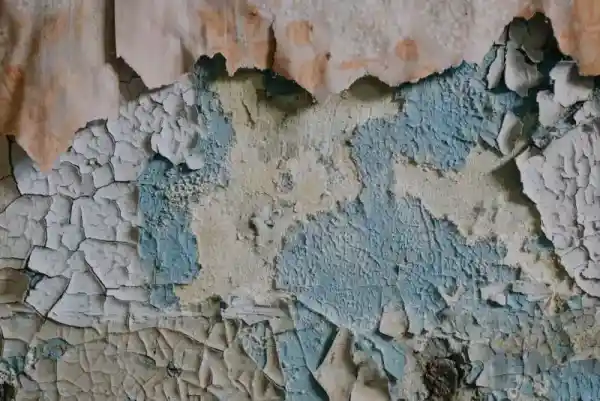
Combatting Mould Growth in Sydney Homes
Sydney's humid subtropical climate creates ideal conditions for mould growth. This guide covers prevention strategies, natural remedies, and when to engage professional building inspectors for mould assessment.
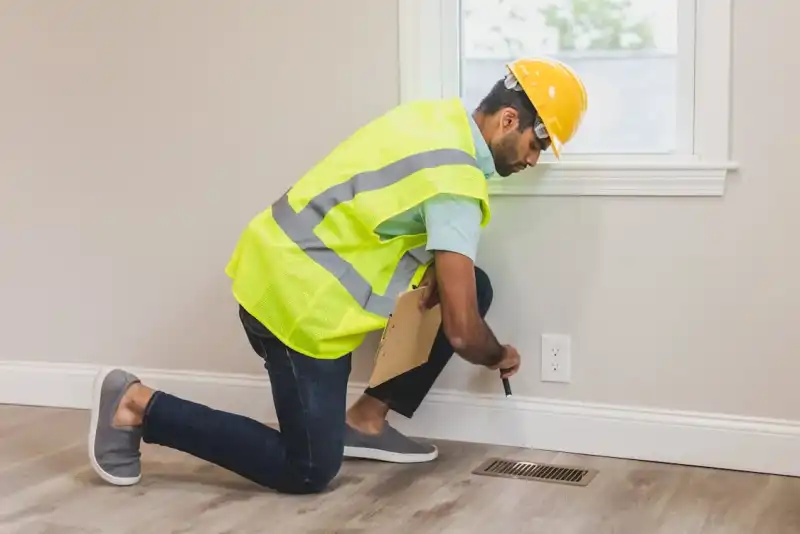
Mould Inspections for a Healthy Gold Coast Home
The Gold Coast's warm, humid climate creates ideal conditions for mould growth. This guide covers common mould types, prevention strategies, removal methods, and why professional inspections protect both health and property value.
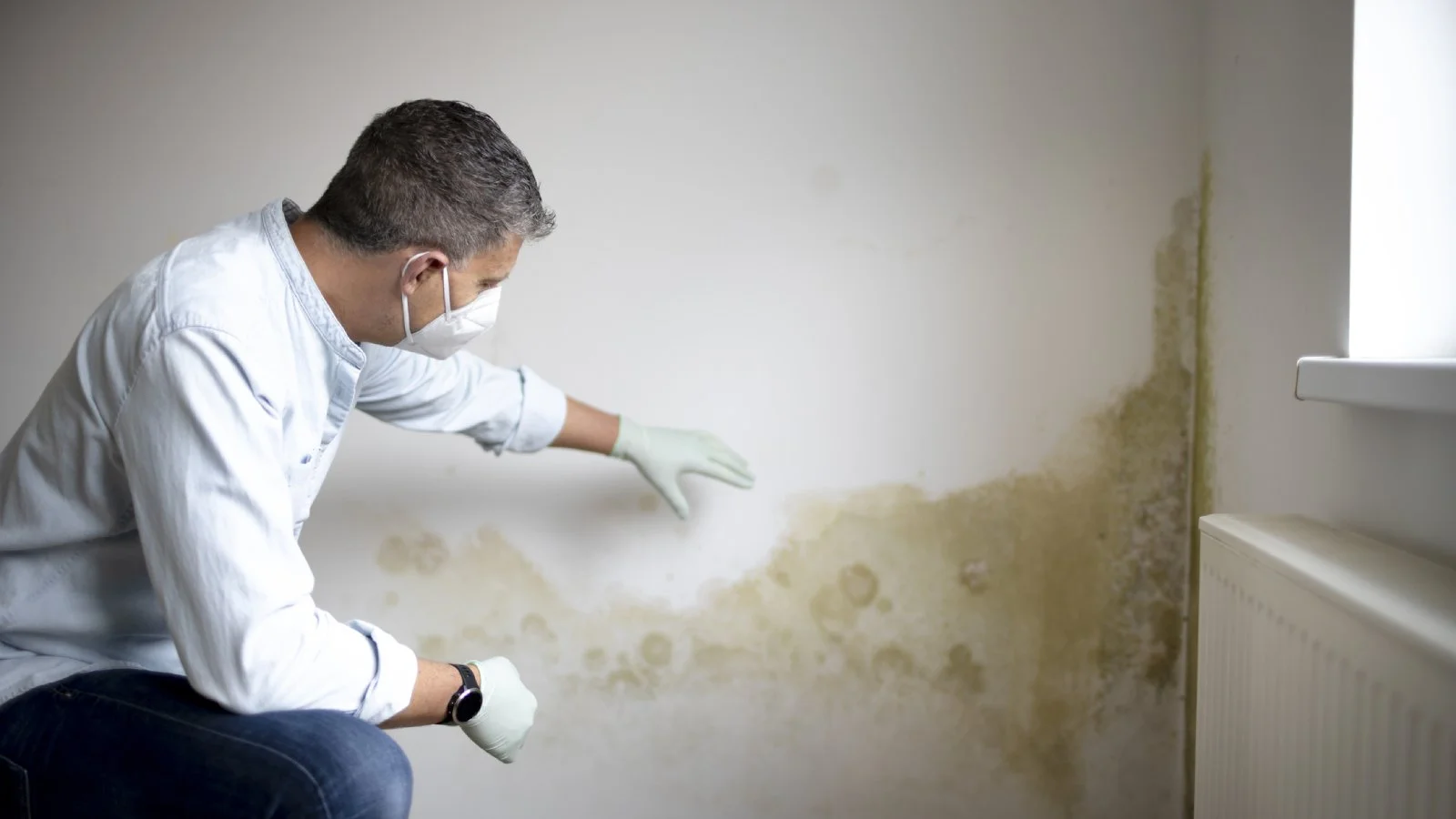
Mould Inspection Techniques, Tools and Methods
Professional mould inspections use thermal imaging, moisture meters, and laboratory analysis. Learn about the advanced techniques used to detect hidden mould.
Protect Your Family with a Professional Mould Inspection
Brisbane's subtropical climate puts your home at risk. Our licensed inspectors use moisture meters, thermal imaging, and air quality sampling to detect hidden mould and protect your family's health.