

Sydney's construction activity continues to grow, with new developments, renovations, and infrastructure projects progressing across the city. As property values remain high, the risk of disputes between construction projects and neighbouring property owners increases. A well-prepared dilapidation report is one of the most effective tools available to builders, developers, and homeowners for preventing these disputes and protecting all parties involved.
What Is a Dilapidation Report?
A dilapidation report is a detailed record of the existing condition of one or more properties, typically prepared before nearby construction, demolition, or excavation work begins. It documents the current state of structures including walls, foundations, driveways, fences, and other elements through photographs and written descriptions.
The report serves as a baseline record. If a neighbouring property owner later claims that construction work caused damage to their property, the dilapidation report provides evidence of what the property looked like before the work started. This makes it one of the most practical tools for preventing and resolving property damage disputes.
Why Dilapidation Reports Matter in Sydney
With high property values across Sydney and ongoing construction activity in suburbs from the Inner West to the North Shore and Western Sydney, the potential for disputes over construction-related damage is significant. Many Sydney councils require dilapidation reports as a condition of development consent, particularly for projects involving excavation, demolition, or works near heritage structures.
Key Components of a Dilapidation Report
A thorough dilapidation report includes several key elements that together create a comprehensive record of a property's pre-construction condition.
- High-resolution photographs of all visible surfaces including walls, ceilings, floors, foundations, driveways, fences, and landscaping
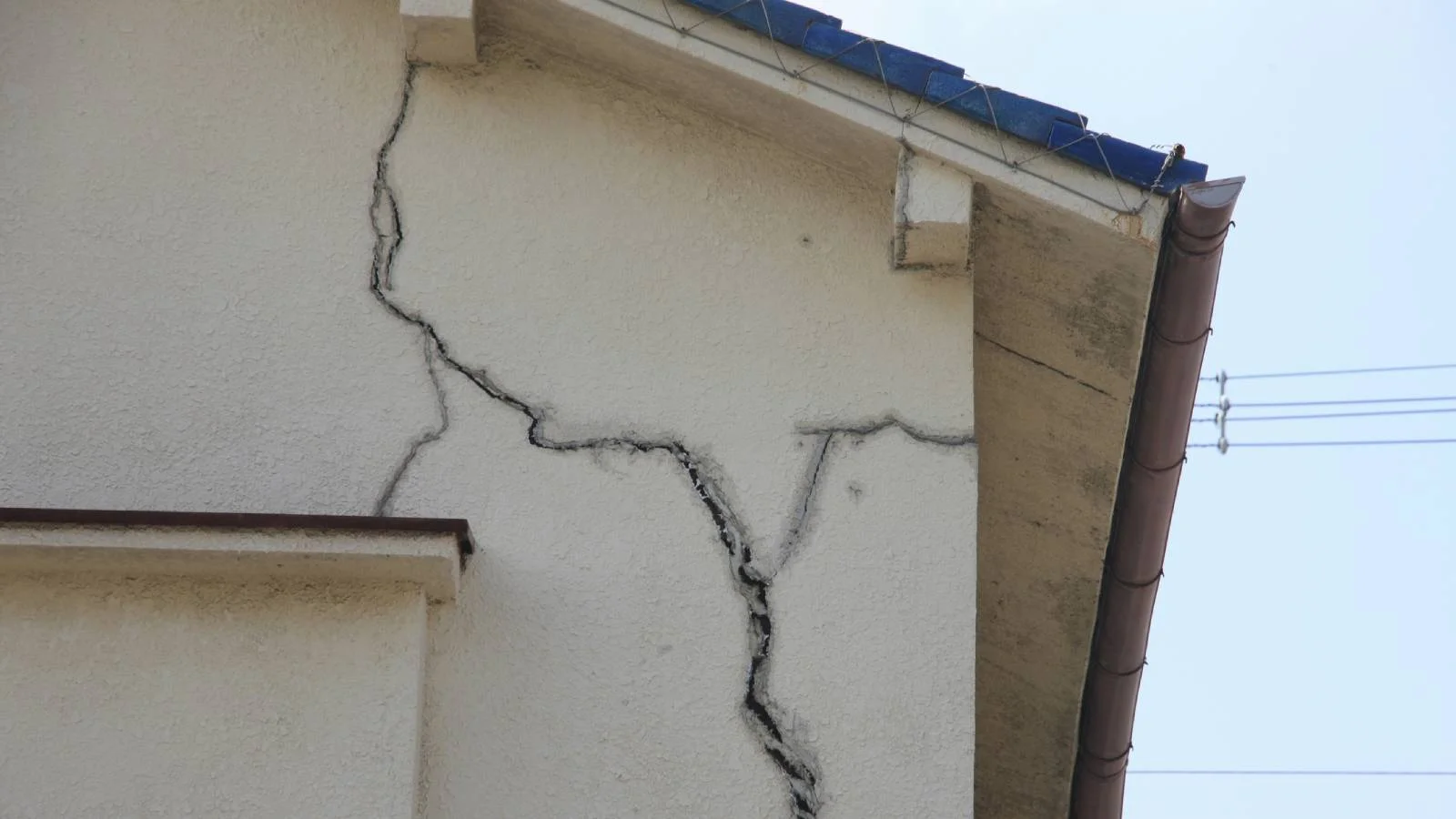
- Written descriptions accompanying each photograph, noting existing cracks, stains, damage, wear, and any other defects
- Expert observations from a qualified building inspector on the structural condition of the property and areas that may be at risk from nearby construction
- Date and time stamps to confirm when the inspection was carried out
- A summary of the property's overall condition and any recommendations
The quality of the photographs in a dilapidation report matters. High-resolution images taken from consistent angles, with close-ups of existing defects, provide the strongest evidence in any future dispute. A rushed or incomplete report reduces its value significantly.
How to Use Your Dilapidation Report Effectively
Simply having a dilapidation report on file is not enough. To get the most value from it, use it actively throughout your construction project.
For Dispute Prevention
Share the completed dilapidation report with neighbouring property owners and your local council before construction begins. This demonstrates transparency and shows that you have taken responsible steps to document the area's condition. When neighbours know their property has been thoroughly recorded, they are less likely to make unfounded damage claims.
For Dispute Resolution
If a disagreement arises about whether construction caused damage to a neighbouring property, the dilapidation report provides an impartial reference point. Comparing the pre-construction photographs and descriptions with the current state of the property makes it possible to determine whether damage was pre-existing or resulted from the construction work.
For Council and Regulatory Compliance
Many Sydney councils require dilapidation reports as part of the development approval process. Having a comprehensive report prepared by a licensed and experienced inspector ensures you meet council conditions and avoids delays in your project timeline.
| Action | Benefit | |
|---|---|---|
| Before Construction | Commission a dilapidation report covering all neighbouring properties within the zone of influence | Creates a baseline record for comparison and dispute prevention |
| During Construction | Maintain ongoing documentation with regular photographs and notes | Tracks any changes in real time and provides a continuous record |
| After Construction | Commission a post-construction dilapidation report for comparison | Confirms whether any damage occurred and supports dispute resolution |
Integrating the Report into Construction Planning
Use the dilapidation report findings to inform your construction methodology.
- If the report identifies existing cracks or weaknesses in a neighbouring structure, adjust your construction methods to minimise vibration and ground movement
- Consider vibration monitoring near sensitive structures identified in the report
- Share relevant findings with your builder, engineer, and project manager so they can plan accordingly
- Use the report to set realistic expectations with neighbours about the nature and duration of construction activities
Addressing Issues Identified in the Report
Prioritising Repairs
When the dilapidation report identifies defects in your own property, prioritise repairs based on severity. Structural issues, safety hazards, and problems that could worsen during construction should be addressed first. Cosmetic issues can be scheduled for later. Consult with a building professional or structural engineer for guidance on the best repair methods.
Using Expert Advice
Engaging qualified professionals to review the report's findings ensures that repairs are carried out correctly and that any at-risk areas are monitored throughout the construction process. This proactive approach reduces the likelihood of problems developing during the build.
Commission the report before any site work begins
The dilapidation report must be completed before demolition, excavation, or construction starts to establish a true baseline.
Share the report with neighbours and council
Provide copies to neighbouring property owners and lodge a copy with your local council if required by your development consent conditions.
Integrate findings into your construction plan
Adjust your methods based on the condition of neighbouring properties to minimise risk.
Document throughout construction
Take regular photographs and notes that mirror the format of the original report to create a continuous record.
Commission a post-construction report
After the build is complete, commission a second dilapidation report to compare with the original and confirm whether any changes occurred.
Post-Construction Follow-Up
Why a Post-Construction Report Matters
A post-construction dilapidation report compares the current condition of neighbouring properties with the baseline documented before construction began. This comparison clearly shows whether any new damage has occurred and, if so, whether it can be attributed to the construction activities.
Resolving Any Issues
If the post-construction report identifies new damage, it provides the evidence needed to resolve the matter fairly. This may involve the builder or developer paying for repairs, negotiating a settlement, or providing the report to insurers. Having clear before-and-after documentation makes resolution faster and less contentious.
Key Takeaways
- A dilapidation report records the condition of neighbouring properties before construction begins, creating a baseline for comparison.
- Commission the report before any site work starts to ensure it captures the true pre-construction condition.
- Share the report with neighbours and your local council to demonstrate transparency and prevent disputes.
- Use the report findings to adjust construction methods and reduce the risk of causing damage to neighbouring structures.
- Maintain ongoing documentation during construction, mirroring the format of the original report.
- Commission a post-construction dilapidation report to compare conditions and confirm whether any damage occurred.
- Many Sydney councils require dilapidation reports as a condition of development consent.
Frequently Asked Questions
Can I request a dilapidation report for any type of property?
Yes. Dilapidation reports can be prepared for residential, commercial, and industrial properties. Any structure that may be affected by nearby construction, demolition, or excavation can be documented, including houses, apartment buildings, commercial premises, retaining walls, driveways, fences, and public infrastructure.
How long does it take to complete a dilapidation report?
The on-site inspection typically takes a few hours depending on the number and size of properties being documented. At Owner Inspections, we aim to deliver the completed report within 24 hours of the inspection, allowing your project to proceed without unnecessary delays.
Is a dilapidation report legally required in Sydney?
While there is no blanket legal requirement, many Sydney councils require dilapidation reports as a condition of development consent, particularly for projects involving excavation, demolition, or works near heritage buildings. Even when not mandated, a dilapidation report is strongly recommended to protect against future damage claims.
Who pays for the dilapidation report?
The party undertaking the construction work typically commissions and pays for the dilapidation report. This is because the report protects the builder or developer against future claims from neighbouring property owners. In some cases, the cost is shared or included in the project budget.
How often should a dilapidation report be updated?
Update the report after significant construction milestones, such as completion of excavation or demolition, and commission a post-construction report once all work is finished. If construction extends over a long period or if conditions around the site change, interim updates may also be warranted.
What should I do if I disagree with a dilapidation report's findings?
If you disagree with the findings, discuss your concerns with the inspector or the company that prepared the report. You can also commission a second opinion from another qualified building inspector. In most cases, any disagreements can be resolved through open discussion and additional documentation.
Can a dilapidation report be used in court?
Yes. A dilapidation report can be submitted as evidence in court or tribunal proceedings if a dispute over construction-related property damage cannot be resolved through negotiation or mediation. Reports prepared by licensed, independent inspectors carry more weight as evidence.
Does a dilapidation report cover environmental impacts?
A standard dilapidation report focuses on the physical and structural condition of properties. It does not typically assess environmental factors such as noise, dust, or vibration. However, if environmental issues could affect the property's integrity, such as changes to drainage or water table levels, these may be noted by the inspector.
What is the difference between a dilapidation report and a building inspection report?
A dilapidation report specifically documents the condition of properties before and after nearby construction to establish a baseline for comparison. A building inspection report assesses a single property's overall condition at a specific point in time, typically for pre-purchase, pre-sale, or maintenance purposes. Both are carried out by qualified building inspectors but serve different purposes.
Can a dilapidation report help protect my property's value?
Yes. By documenting your property's condition before nearby construction begins, a dilapidation report provides evidence to support any claims for damage caused by external works. This protects your ability to seek compensation for repairs and helps maintain your property's value through the construction period.
References and Resources
- NSW Fair Trading - Home Building - Licensing and consumer protection for building work in NSW
- City of Sydney - Development Applications - Council requirements for dilapidation reports in Sydney
- National Construction Code (NCC) - Building standards and compliance requirements
- NSW Civil and Administrative Tribunal (NCAT) - Dispute resolution for building and construction matters in NSW
Related Articles
Dilapidation Reports
Dilapidation Report Process: A Walkthrough of Key Steps
Dilapidation reports serve as comprehensive property condition snapshots before nearby construction commences. Learn the six-step process from consultation to delivery.

Council Requirement for Dilapidation Reports
Australian local councils mandate dilapidation reports before construction to protect neighbouring properties and public infrastructure. Requirements vary by jurisdiction, with urban councils in Sydney and Melbourne enforcing stricter standards. This guide explains when reports are required, who can prepare them, and what happens if you skip this step.
Planning a construction project in Sydney? Owner Inspections provides professional dilapidation reports across Sydney and NSW. Our licensed inspectors document the condition of neighbouring properties thoroughly and deliver reports within 24 hours. We are licensed by NSW Fair Trading and experienced in meeting council requirements. Get a quote today or call us on 1300 471 805.