

This matters because excavation, demolition, piling, heavy machinery and major renovation work can affect nearby buildings, driveways, fences, retaining walls, roads, kerbs, footpaths and stormwater assets. NSW Planning’s standard residential consent conditions include a dilapidation report before site work starts, prepared by a suitably qualified engineer, to record adjoining buildings, structures, works and public land.
For homeowners, builders, developers and neighbours, a good report gives everyone a fair starting point. It records what damage was already there before the project and helps compare the property condition later if a dispute arises. NSW Planning says the reason for this condition is to document adjoining properties and public land for comparison as site work progresses and is completed.
Need Clear Evidence of Building Defects?
Get an independent defect investigation report that records the issue, possible cause and next steps before your claim moves further.
Investigation
What Is a Dilapidation Report?
A dilapidation report is a detailed, independent record of the existing condition of a property or piece of infrastructure at a specific point in time. It documents cracks, defects, structural features, surface damage, and general wear through written descriptions, high-resolution photographs, and measurements.
The report serves as a baseline. If damage occurs during or after nearby construction, the pre-construction report can be compared against the current state to determine whether the building works caused the problem. Without this documentation, proving or disproving construction-related damage becomes extremely difficult.
It is not the same as a pre-purchase building inspection. A pre-purchase inspection helps a buyer understand the condition of a property before buying, while a dilapidation report creates a baseline record before nearby works begin. NSW Government advises property buyers to arrange property inspection reports such as building inspection reports before buying, which shows the different purpose of a buyer-focused inspection.
Dilapidation Report Meaning in Simple Terms
The practical meaning of a dilapidation report is proof of condition before work starts.
| Term | Simple meaning | Why it matters |
|---|---|---|
| Dilapidation report | A record of the existing condition of a property or asset | Helps compare before and after construction |
| Pre-construction dilapidation report | Report prepared before work begins | Often required before demolition, excavation or building work |
| Post-construction dilapidation report | Report prepared after work is complete | Helps check whether new damage appeared |
| Public domain dilapidation report | Record of council assets such as roads, kerbs and footpaths | Helps councils protect public infrastructure |
| Independent dilapidation report | Report prepared by a third party with no conflict of interest | Gives stronger evidence in disputes |
City of Sydney development conditions show how this works in practice. One decision required dilapidation reports and a photographic survey before demolition or excavation, with a second report after excavation or demolition to identify damage to nearby properties.
When Is a Dilapidation Report Required?
Council requirements for dilapidation reports are typically triggered by specific types of development activity. Not every project will require one, but the following scenarios almost always do.
| Project type | Why a report may be required |
|---|---|
| Demolition | Vibration and impact can affect neighbouring structures |
| Excavation | Ground movement can affect adjoining walls, footings and services |
| Basement work | Deep excavation can increase risk near boundaries |
| Piling and underpinning | Vibration and ground support issues may affect nearby properties |
| Major renovation | Structural work can create movement or vibration |
| Civil works | Roads, kerbs, drainage and footpaths may need protection |
| Works near heritage buildings | Older structures may be more sensitive to movement |
Pre-construction. Large residential and commercial developments that involve excavation, piling, or heavy machinery near existing buildings or council infrastructure. Councils impose this requirement as a standard condition of consent.
Demolition. Any demolition project near adjoining properties or public roads, footpaths, and stormwater systems. The vibration and impact from demolition work present a high risk of damage to surrounding structures.
Major renovations. Significant renovation projects that involve structural modifications, underpinning, or deep excavation close to property boundaries.
Projects affecting public infrastructure. Any work that could impact council-owned assets such as roads, kerbs, footpaths, stormwater drains, or retaining walls. Councils are particularly strict about protecting these assets and will often require dilapidation reports covering all public infrastructure within a defined radius of the site.
Subdivision and earthworks. Large-scale earthworks, land subdivision, and site preparation activities that may cause ground movement affecting neighbouring properties.
Dilapidation Report Before Construction: Why Timing Matters
A pre-construction dilapidation report should be completed before any physical site activity starts. This includes demolition, excavation, piling, ground works, heavy machinery access or other activity that may affect adjoining properties.
NSW Planning’s condition states that adjoining owners must receive a copy of the report before site work begins, and council must receive a copy where council is not the principal certifier.
The timing matters because a report prepared after work starts may not prove what condition existed before the risk began.
What Must a Council-Compliant Report Include?
A strong dilapidation report should be detailed enough to compare the condition of the property before and after nearby work.
| Report section | What should be included |
|---|---|
| Property details | Address, inspection date, weather, inspected areas and access limits |
| Inspector details | Name, qualifications, licence or registration details and insurance |
| Photographic evidence | Clear photos of each inspected area and existing defects |
| Written observations | Notes on cracks, stains, settlement, corrosion, damage and wear |
| Measurements | Crack width, location, length and severity where relevant |
| External areas | Walls, fences, driveways, paths, retaining walls, garages and drainage |
| Internal areas | Floors, ceilings, walls, wet areas, doors, windows and visible movement |
| Public assets | Kerbs, gutters, footpaths, roads, pits and stormwater assets where required |
| Access limitations | Areas not inspected and reasons why |
| Summary | Clear findings that can be used for later comparison |
How Detailed Is a Dilapidation Report?
A useful dilapidation report should be detailed, but it should also be clear. The goal is not to fill pages for the sake of it. The goal is to create evidence that can be checked later.
A thin report with vague statements such as “minor cracking observed” is weak. A stronger report records the room or area, wall direction, crack size, photo reference and notes about visible condition.
City of Sydney conditions refer to a photographic survey, copies to property owners and council, and a second report after demolition or excavation, which shows that the report needs enough detail for later comparison.
Preparing for NCAT, VCAT or QCAT?
When a defect claim needs formal evidence, an expert witness report can help explain the findings in a clear and structured way.
Report Support
What Issues Does a Dilapidation Report Cover?
A dilapidation report can cover visible defects and conditions such as:
| Area | Common issues recorded |
|---|---|
| Walls | Cracks, render damage, bowing, staining and movement |
| Ceilings | Sagging, cracks, water marks and plaster damage |
| Floors | Unevenness, cracking, lifting tiles and movement |
| External walls | Brick cracking, mortar loss, corrosion and settlement |
| Driveways and paths | Cracks, sinking, heaving and trip hazards |
| Retaining walls | Leaning, cracking, drainage staining and movement |
| Fences | Leaning, broken panels, damaged posts and corrosion |
| Roof and gutters | Visible damage, rust, broken tiles and drainage issues |
| Public assets | Footpath cracks, kerb damage, road surface damage and stormwater pits |
Owner Inspections’ dilapidation report service also documents areas such as floors, walls, ceilings, roof drainage, driveways, pathways, stairs, balustrades, balconies, windows, doors, fences and retaining walls.
Pre-Construction vs Post-Construction Reports
| Report type | When it is prepared | Main purpose |
|---|---|---|
| Pre-construction dilapidation report | Before site work begins | Records the original condition |
| Post-construction dilapidation report | After work is complete or before occupation certificate if required | Compares the later condition with the original report |
Dilapidation reports are prepared at two key stages: before construction begins and after construction is completed.
The pre-construction report is the baseline document. It records the condition of neighbouring properties and public infrastructure before any site works commence. This is the report that councils require as a condition of development consent.
The post-construction report is prepared after building works are finished. It records the same properties and infrastructure using the same methodology, allowing a direct comparison with the pre-construction report. If new damage is identified, the post-construction report provides the evidence needed to determine whether the construction activity caused it.
Some councils require both pre-construction and post-construction reports as conditions of consent. Others only require the pre-construction report but strongly recommend the post-construction follow-up. Check your development consent conditions carefully, as failing to complete a required post-construction report can delay the issue of an occupation certificate.
NSW Planning includes a post-construction dilapidation report condition that compares the pre-construction and post-construction reports to identify whether structural damage occurred and whether it resulted from the approved work.
Council Requirements by Location
Dilapidation report requirements vary significantly across Australian jurisdictions. Urban councils in major cities generally impose stricter and more detailed requirements than regional or rural councils.
Sydney (NSW). Inner-city councils such as the City of Sydney, Inner West Council, and Randwick City Council have some of the strictest dilapidation report requirements in the country. Reports are commonly required for all properties within a specified radius (often 25 to 50 metres) of the construction site, including public infrastructure. The Environmental Planning and Assessment Act 1979 provides the legislative framework, with conditions imposed through development consent.
Melbourne (VIC). Melbourne councils including the City of Melbourne, Yarra City Council, and Stonnington City Council regularly require dilapidation reports for medium to large developments. The Building Act 1993 and associated regulations govern the process. Victorian councils are particularly focused on protecting heritage buildings near construction sites.
Brisbane (QLD). Brisbane City Council requires dilapidation reports for developments that may affect neighbouring properties or public assets. The requirements are set out in conditions of development approval under the Planning Act 2016.
Adelaide (SA). Adelaide councils generally require dilapidation reports for larger developments, particularly in the CBD and inner suburbs. The Planning, Development and Infrastructure Act 2016 provides the regulatory basis.
Regional and rural areas. Councils in regional areas may have less formal dilapidation report requirements, but they can still impose them as conditions of consent. Smaller projects in low-density areas are less likely to trigger the requirement, but any project near council infrastructure may still require documentation.
Why Councils Require Dilapidation Reports
Council requirements for dilapidation reports serve several practical purposes that go beyond simple record-keeping.
Risk management. Construction activity near existing buildings and infrastructure creates genuine risk of damage. Dilapidation reports help manage this risk by establishing a clear record of pre-existing conditions, which reduces the likelihood of unresolved disputes.
Infrastructure protection. Councils are responsible for maintaining public infrastructure including roads, footpaths, stormwater systems, and retaining walls. Dilapidation reports protect these assets by documenting their condition before and after construction, allowing councils to recover repair costs from developers if damage occurs.
Insurance and liability clarity. Without a dilapidation report, determining who is responsible for property damage near a construction site becomes contentious and expensive. The report provides objective, time-stamped evidence that simplifies insurance claims and liability assessments.
Urban planning and development management. As Australian cities become denser, construction activity increasingly affects neighbouring properties. Dilapidation reports are part of a broader framework that allows councils to approve development while protecting the interests of existing property owners and the community.
Is a Dilapidation Report Necessary If You Are Not Planning Construction?
Yes, it can still be useful if construction is happening next door or nearby.
City of Gold Coast says adjoining building owners can obtain a dilapidation report before neighbouring building work occurs, and that it can help determine whether damage resulted from the works on the adjoining site.
This means a homeowner does not have to be the builder or developer to benefit from a report. If a neighbouring site is about to start excavation, demolition or heavy works, an independent dilapidation report can protect the homeowner’s position.
Who Can Prepare a Dilapidation Report for Council?
Councils require dilapidation reports to be prepared by suitably qualified professionals. The specific qualifications accepted vary by council, but the following professionals are generally recognised.
Structural engineers. Registered structural engineers with current practising certificates are widely accepted by all councils. Their reports carry significant weight in legal and insurance proceedings.
Registered building surveyors. Licensed building surveyors with appropriate qualifications and professional indemnity insurance are accepted by most councils.
Certified building consultants and inspectors. Licensed building inspectors with demonstrated experience in dilapidation reporting are accepted by many councils. Check with your specific council to confirm their requirements.
Regardless of the professional's qualifications, the report must be independent. Councils will not accept dilapidation reports prepared by parties with a financial interest in the construction project. The inspector must be a third party engaged independently of the developer or builder.
The National Construction Code (NCC) and relevant Australian Standards provide the technical framework that guides how dilapidation assessments are conducted. Inspectors should reference these standards in their reports to demonstrate compliance.
Submission Timing and Process
Timing is one of the most common areas where developers and builders get tripped up. Councils are specific about when dilapidation reports must be submitted.
Before any site works begin. Most councils require the pre-construction dilapidation report to be submitted and accepted before any physical work commences on site. This includes demolition, excavation, and even site preparation activities like tree removal or temporary fencing installation.
As a condition of consent. The requirement for a dilapidation report is typically listed as a condition in the development consent. Read your consent conditions carefully. Some councils require the report to be submitted a set number of days before work starts.
Before the occupation certificate. If a post-construction report is also required, it must be submitted before the council will issue an occupation certificate. Failing to meet this condition can delay the completion of your project.
Notification of neighbours. Some councils require the developer to notify adjoining property owners that a dilapidation report will be prepared and to offer them access to a copy of the report. Cooperation from neighbours is important, as they need to provide access for the inspection.
Benefits for Developers and Builders
While council requirements for dilapidation reports may seem like an additional cost and administrative burden, they offer real benefits to developers and builders.
Legal protection. A thorough pre-construction report protects you from unfounded damage claims. If a neighbour alleges that your construction caused damage to their property, the dilapidation report provides documented evidence of what existed before your project started.
Operational efficiency. Addressing dilapidation report requirements early in the project timeline prevents delays. Councils can hold up construction commencement if the required reports have not been submitted. Planning ahead keeps your project on schedule.
Community relations. Commissioning dilapidation reports demonstrates professionalism and respect for neighbouring property owners. This goodwill can reduce objections during the approval process and minimise friction during construction.
Reduced insurance costs. Clear documentation of pre-existing conditions can simplify and reduce the cost of insurance claims related to construction activity. Insurers value objective evidence when assessing liability.
Dilapidation Report Cost: What Affects the Price?
The cost of a dilapidation report depends on the number of properties, site size, access, risk level, number of photos, whether public assets are included, and whether an engineer is required.
| Cost factor | Why it changes the price |
|---|---|
| Number of properties | More properties need more inspection time and report pages |
| Property size | Larger homes and commercial sites need more documentation |
| Access | Limited or complex access may require more time |
| Risk level | Excavation, basements and heritage areas may need more detail |
| Professional required | Engineer-led reports may cost more than standard inspector reports |
| Council requirements | Some councils require specific sections, photos or submission steps |
| Pre and post reports | Two inspections cost more than one, but give better comparison evidence |
Getting the Most Value from Your Home and Building Investment
For homeowners, builders and developers, the message is simple: get the report before work starts, make sure it is independent, and check the wording of your council or certifier condition before booking.
Owner Inspections provides dilapidation reports for construction sites and records existing property condition before work such as excavation, demolition and construction begins.
Ready to Discuss Your Building Defect Claim?
Speak with Owner Inspections about the right inspection, report or documentation support for your property issue.
Frequently Asked Questions
What is the meaning of a dilapidation report?
What is a dilapidation report?
When is a dilapidation report required?
Do I need a dilapidation report before construction?
What does a dilapidation report include?
How detailed is a dilapidation report?
What issues does a dilapidation report cover?
Who can do a dilapidation report?
Is a dilapidation report necessary if I am not planning construction?
How much does a dilapidation report cost?
Key Takeaways
- Australian councils require dilapidation reports as conditions of development consent to protect neighbouring properties and public infrastructure
- Reports must be submitted before any site works begin, including demolition and excavation
- Urban councils in Sydney and Melbourne enforce stricter requirements than regional councils
- Only qualified, independent professionals such as structural engineers, licensed surveyors, or certified building inspectors can prepare council-compliant reports
- A compliant report must include structural assessments, date-stamped photographs, written descriptions, measurements, and inspector credentials
- Non-compliance can result in stop-work orders, fines, refusal of occupation certificates, and increased liability exposure
- Both pre-construction and post-construction reports may be required depending on your consent conditions
- The National Construction Code and relevant state legislation provide the regulatory framework governing these requirements
Related Articles
Dilapidation Reports
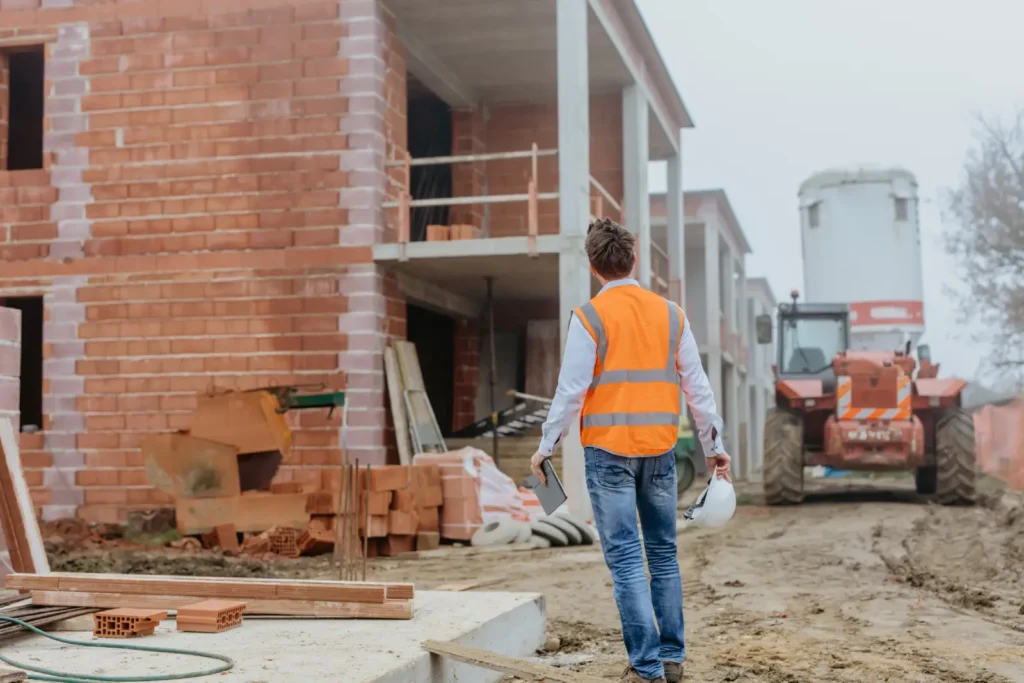
Who Needs a Pre-Construction Dilapidation Report?
Pre-construction dilapidation reports document existing property conditions before nearby construction activities commence. Learn who needs one and why.
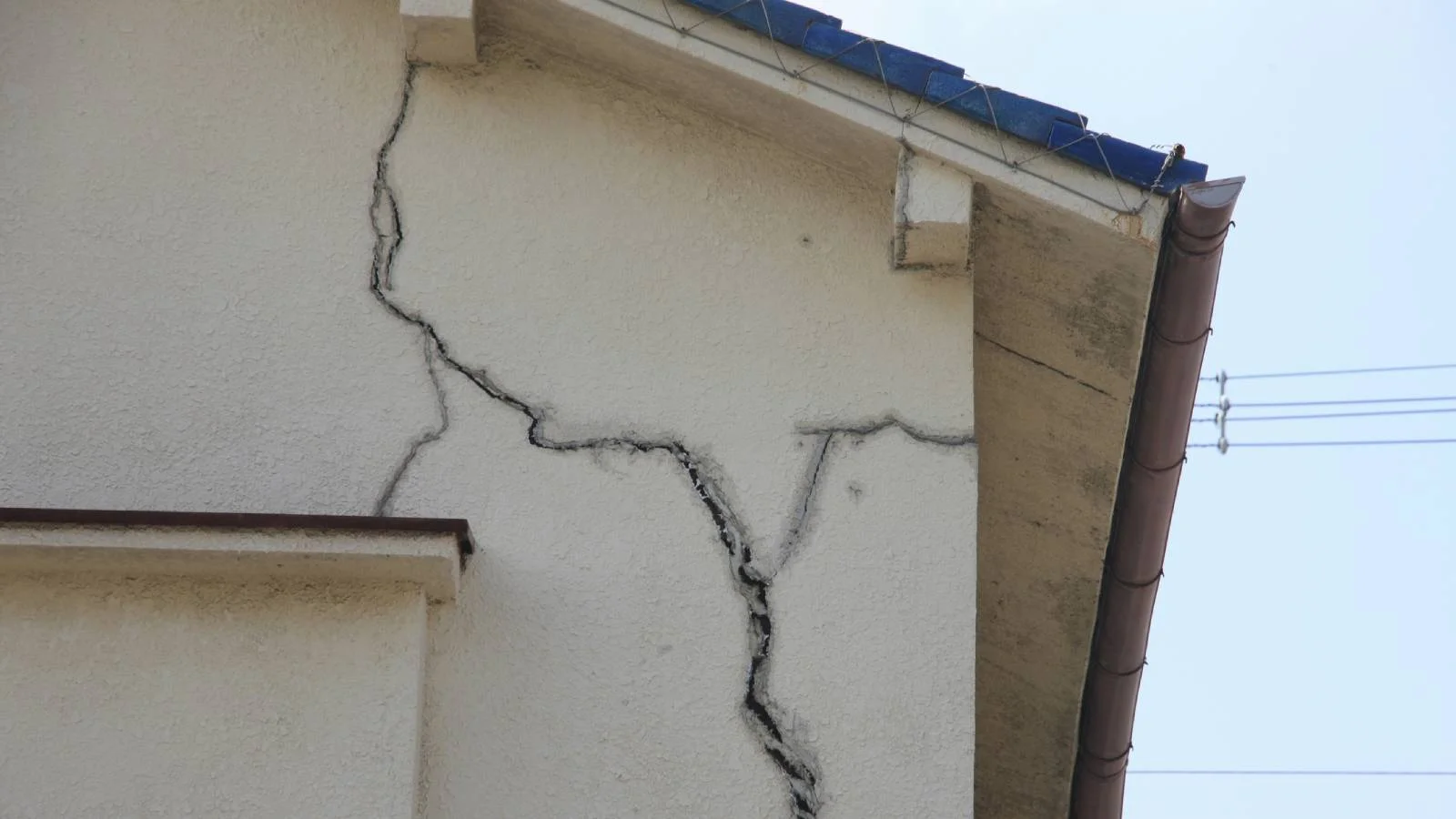
Dilapidation Report Process: A Walkthrough of Key Steps
Dilapidation reports serve as comprehensive property condition snapshots before nearby construction commences. Learn the six-step process from consultation to delivery.
Need a Council-Compliant Dilapidation Report?
Our licensed building inspectors prepare dilapidation reports that meet council requirements across NSW, VIC, QLD, SA, and ACT.