
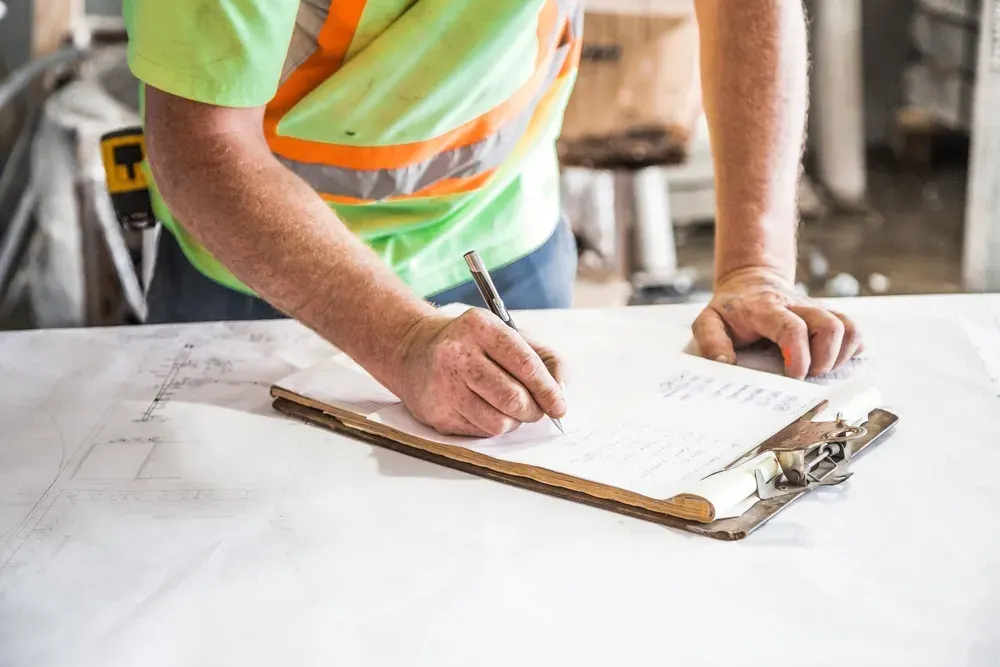
A dilapidation report creates a documented baseline of your property's condition at a specific point in time. If nearby building work causes damage to your property, this report becomes the evidence you need to prove the damage was not pre-existing. Without one, resolving disputes with developers, builders, or councils becomes far more difficult.
On the Gold Coast, where high-rise construction, residential development, and infrastructure projects are common, dilapidation inspections are frequently required by councils and requested by property owners. This guide explains what to look for when selecting an inspector and the questions you should ask before hiring one.
What Is a Dilapidation Inspection?
A dilapidation inspection is a thorough assessment and documentation of the current condition of a property. It records existing defects, damage, cracking, movement, and general wear so that any changes caused by nearby construction or demolition can be clearly identified later.
The inspection is typically carried out before construction begins on an adjacent or nearby site. The resulting report includes detailed written descriptions and high-resolution photographs of every accessible area of the property, both internal and external.
Dilapidation reports are often required as a condition of development approval by Gold Coast City Council. Even when not required by council, property owners can commission their own report as a precautionary measure to protect against future disputes.
Why Dilapidation Inspections Matter on the Gold Coast
The Gold Coast is one of Australia's fastest-growing regions, with continuous construction activity across residential, commercial, and infrastructure sectors. This growth means many existing properties are located near active building sites.
- Vibration from pile driving, excavation, and heavy machinery can cause cracking and structural movement in neighbouring properties
- Changes to drainage and groundwater levels during construction can affect foundations and retaining walls
- Demolition work generates dust and debris that can damage surfaces and finishes
- Without a pre-construction dilapidation report, it is very difficult to prove that damage was caused by the nearby works
Key Factors When Choosing an Inspector
Qualifications and Licensing
The inspector should hold a current licence recognised by the Queensland Building and Construction Commission (QBCC) or an equivalent industry accreditation. Check that their qualifications cover building inspection and condition assessment, not just a general builder's licence.
Experience with Dilapidation Reports
Not all building inspectors have experience preparing dilapidation reports. This type of inspection requires a specific methodology, including systematic photographic documentation, written descriptions of existing conditions, and an understanding of how to record a baseline that will stand up if a dispute arises. Ask how many dilapidation reports they have completed and whether they have experience with Gold Coast properties.
Local Knowledge
Gold Coast properties face specific challenges that a local inspector will understand:
- Salt spray corrosion on properties near the coast, affecting metal fixtures, render, and paintwork
- Reactive and sandy soils that can lead to foundation movement
- Humidity-related issues including mould, timber decay, and paint deterioration
- Specific construction methods and materials commonly used in Gold Coast buildings
Professional Indemnity Insurance
Always confirm that the inspector carries professional indemnity insurance. This protects you if there is an error or omission in the report that results in a loss. A reputable inspector will be able to provide proof of insurance on request.
Report Quality and Delivery Time
The value of a dilapidation report depends entirely on its quality. A good report includes:
Reputation and Reviews
Check the inspector's online reviews, testimonials, and reputation. Look for consistent positive feedback about thoroughness, report quality, and professionalism. Be cautious of inspectors with recurring complaints about rushed inspections or incomplete reports.
Questions to Ask Before Hiring
Before engaging a dilapidation inspector, ask these questions to confirm they are the right fit:
Are you licensed and insured?
Confirm their QBCC licence (or equivalent) and ask for proof of professional indemnity insurance.
How many dilapidation reports have you completed?
Look for an inspector with a solid track record, not just general building inspection experience.
Are you familiar with Gold Coast properties and conditions?
Local knowledge of salt corrosion, soil types, and construction methods is a significant advantage.
What is included in your report?
Confirm that the report includes detailed photographs, written descriptions, and a structured format suitable for dispute evidence.
How quickly will the report be delivered?
A typical timeframe is 3 to 5 business days. If nearby construction is starting soon, faster delivery may be needed.
What does the inspection cost?
Get a clear, upfront quote that includes all fees. Ask whether travel or additional areas (such as outbuildings or pools) carry extra charges.
Gold Coast-Specific Considerations
Salt Spray Corrosion
Properties within a few kilometres of the coastline are exposed to salt-laden air that accelerates corrosion of metal elements, including reinforcement, roof sheeting, balustrades, and fixings. A dilapidation inspector familiar with the Gold Coast will specifically document the condition of these elements so that any further deterioration after nearby construction can be attributed correctly.
Reactive and Sandy Soils
Parts of the Gold Coast have reactive clay soils or sandy ground that is sensitive to changes in moisture and loading. Construction activity nearby can alter drainage patterns and ground conditions, potentially causing movement in your property's foundations. The inspector should document existing cracks, floor levels, and any signs of previous movement.
High-Rise and Multi-Storey Properties
The Gold Coast has a high concentration of apartment buildings and high-rise developments. Dilapidation inspections for these properties may require assessment of common areas, car parks, podium levels, and individual units. Ensure the inspector has experience with multi-storey buildings and understands body corporate requirements.
What a Good Dilapidation Report Looks Like
| Good Report | Poor Report | |
|---|---|---|
| Photographs | High-resolution images of every room, elevation, and external area, labelled with room names and compass directions | A handful of low-quality photos with no labels or references |
| Written Descriptions | Detailed notes describing the type, location, size, and severity of each existing defect or condition | Generic statements like "minor cracking observed" with no specifics |
| Structure | Organised by area (e.g., front elevation, living room, roof space) with a consistent format that supports comparison | Unstructured narrative with no clear organisation |
| Usefulness in a Dispute | Provides clear, date-stamped evidence that can be used in legal or insurance proceedings | Too vague or incomplete to support a claim |
Typical Costs on the Gold Coast
| Typical Cost (AUD) | Includes | |
|---|---|---|
| Standard House | $500 to $900 | Full internal and external assessment with photographic report |
| Large House or Dual Occupancy | $800 to $1,200 | Extended assessment covering larger floor areas and multiple structures |
| Apartment or Unit | $400 to $700 | Assessment of individual unit and relevant common areas |
| Commercial Property | $1,000 to $1,500+ | Comprehensive assessment of commercial building, car park, and surrounds |
Costs vary based on property size, complexity, and the scope of the inspection. Always get a clear, upfront quote before proceeding.
Key Takeaways
- A dilapidation inspection documents your property's existing condition before nearby construction begins, giving you evidence if damage occurs.
- Choose an inspector who is licensed, insured, and experienced with dilapidation reports specifically, not just general building inspections.
- Local Gold Coast experience is important because of the region's specific challenges including salt corrosion, reactive soils, and high-rise construction.
- A good dilapidation report includes high-resolution labelled photographs, detailed written descriptions, and a structured format for easy comparison.
- Ask about qualifications, insurance, report quality, delivery timeframe, and cost before hiring.
- Typical costs on the Gold Coast range from $500 to $1,500 depending on property size and type.
Frequently Asked Questions
What is a dilapidation inspection?
A dilapidation inspection is a professional assessment that records the existing condition of a property before nearby construction, demolition, or excavation begins. The resulting report, which includes photographs and written descriptions of all existing defects and conditions, serves as a baseline for identifying any new damage caused by the nearby works.
Why do I need a dilapidation report on the Gold Coast?
The Gold Coast has continuous construction and development activity. If nearby building work causes damage to your property (through vibration, changes in drainage, or other impacts), a dilapidation report provides the documented evidence you need to prove the damage was not pre-existing. Without this report, resolving disputes with developers, builders, or insurers is much more difficult.
How much does a dilapidation inspection cost on the Gold Coast?
Costs typically range from $500 to $1,500 depending on the property size and type. A standard house inspection usually falls between $500 and $900, while larger or commercial properties cost more. Always request an upfront quote that includes all fees before engaging the inspector.
Is a dilapidation report required by Gold Coast City Council?
In many cases, yes. Gold Coast City Council frequently includes dilapidation report requirements as a condition of development approval, particularly for projects involving excavation, demolition, or construction near existing buildings. Even when not required by council, property owners can commission their own report as a precaution.
What qualifications should a dilapidation inspector have?
The inspector should hold a current QBCC licence or equivalent industry accreditation relevant to building inspection and condition assessment. They should also carry professional indemnity insurance and have specific experience preparing dilapidation reports, not just general building inspections.
How long does a dilapidation inspection take?
The on-site inspection typically takes between 1 and 3 hours depending on the property size and complexity. The written report is usually delivered within 3 to 5 business days. If nearby construction is about to begin and you need the report urgently, discuss expedited delivery with the inspector.
Can I do a dilapidation inspection myself?
While you can take your own photographs as a personal record, a self-prepared document does not carry the same weight as a professional dilapidation report in a dispute or legal proceeding. A licensed inspector provides an independent, structured, and comprehensive assessment that is accepted by councils, insurers, and courts.
What should I do if I notice damage after nearby construction?
If you have a pre-construction dilapidation report, contact the developer or builder responsible for the nearby works and present the report showing the property's condition before construction began. You can also commission a post-construction dilapidation inspection to document the new damage. If the matter cannot be resolved directly, the reports provide evidence for an insurance claim or legal action.
Does the inspector need access to all areas of my property?
Yes. For the report to be thorough, the inspector needs access to all accessible areas including internal rooms, roof space, subfloor (if applicable), external walls, fencing, driveways, paths, retaining walls, and any outbuildings. Areas that cannot be accessed are noted in the report as limitations.
Can a dilapidation report be used in court?
Yes. A professionally prepared dilapidation report from a licensed inspector is accepted as evidence in court proceedings, tribunal hearings, and insurance disputes. The report's value depends on its quality, detail, and the qualifications of the inspector who prepared it. This is why choosing a qualified, experienced inspector is so important.
References and Resources
- Queensland Building and Construction Commission (QBCC) - Licensing and building standards in Queensland
- Gold Coast City Council - Development Applications - Council requirements for development approvals
- National Construction Code (NCC) - Australian Building Codes Board
- Queensland Government - Building and Plumbing - State government building resources
Related Articles
Dilapidation Reports
Who Needs a Pre-Construction Dilapidation Report?
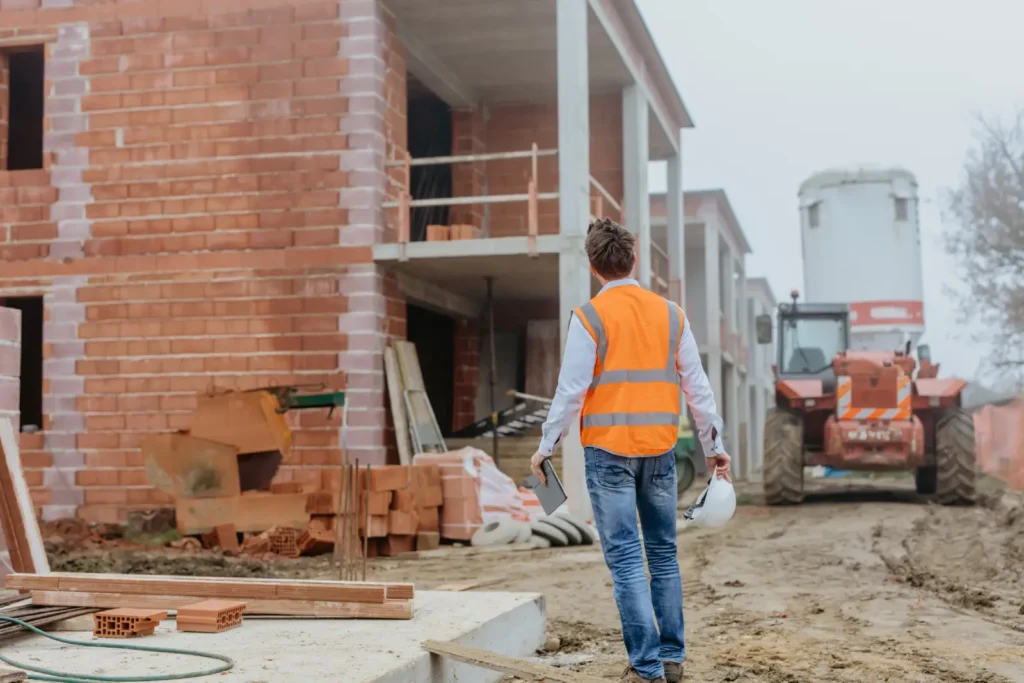
Pre-construction dilapidation reports document existing property conditions before nearby construction activities commence. Learn who needs one and why.

Council Requirements for Dilapidation Reports
Australian local councils mandate dilapidation reports before construction to protect neighbouring properties and public infrastructure. Requirements vary by jurisdiction, with urban councils in Sydney and Melbourne enforcing stricter standards. This guide explains when reports are required, who can prepare them, and what happens if you skip this step.
Need a dilapidation report on the Gold Coast? Owner Inspections provides thorough, professionally documented dilapidation inspections across the Gold Coast and surrounding Queensland areas. Our licensed inspectors deliver detailed photographic reports that protect your property. Get a quote today or call us on 1300 471 805.