
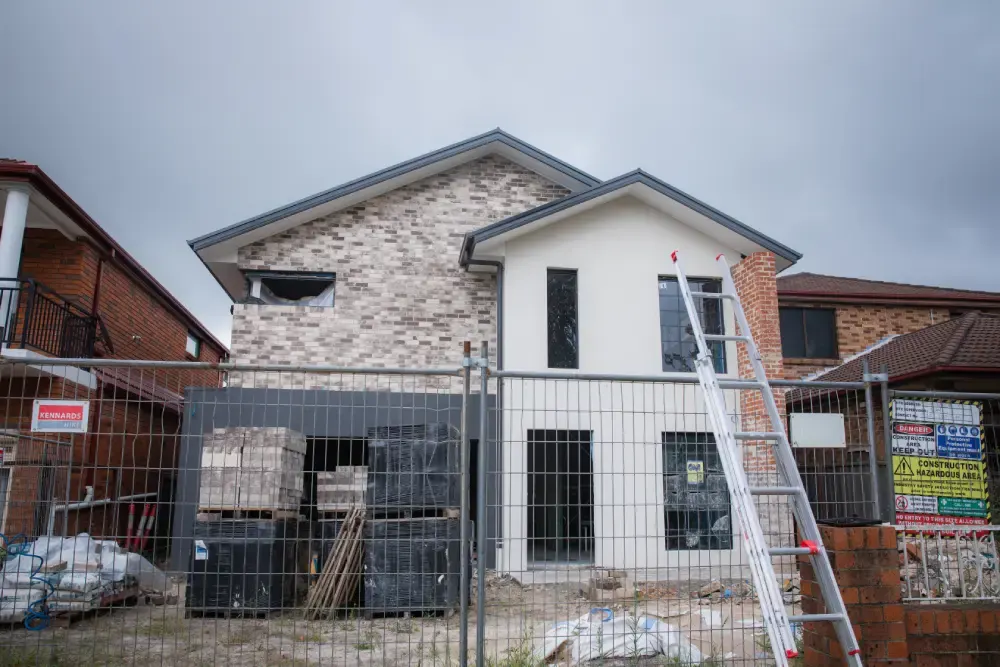
Front fences create a first impression of any home or commercial property. They act as both a protective barrier and a design statement. With so many options available, selecting the right fence means balancing aesthetics, function, and compliance with local laws. This guide covers the best front fence ideas, from modern designs to budget-friendly solutions, to help you make a well-informed decision.
Factors to Consider When Choosing a Front Fence
Purpose: Security, Privacy, or Aesthetic Appeal
The first step in choosing the right fence is identifying your primary goal. A high-security fence made from steel or brick can deter intruders, while a privacy fence using timber slats or composite materials shields your property from street-level views. If aesthetics are your main focus, decorative wrought iron or glass fences add sophistication without compromising openness.
Material Durability and Maintenance
Australian weather conditions vary greatly across regions, so selecting a material that withstands harsh sun, rain, and wind is important. Timber fences offer natural charm but require regular sealing and staining. Metal and composite materials provide longevity with minimal upkeep. Consider termite resistance, rust prevention, and ease of repair when choosing fencing materials, especially in coastal or tropical areas.
Council Regulations
Local council regulations may restrict fence height, materials, and designs. Before installation, check your local guidelines to make sure you comply. Failure to follow these rules can result in costly modifications or penalties. Some councils also require specific fencing for heritage properties or shared boundary lines, so researching these requirements early saves time and money. Refer to Standards Australia for fencing standards and guidelines.
Budget Considerations
Fencing costs vary widely based on material, size, and design complexity. Affordable options like timber or wire fencing can help reduce costs without sacrificing looks. High-end solutions like stone or frameless glass may offer long-term value but need a larger upfront investment. A well-planned budget makes sure you get the most functional and visually appealing fence within your price range.
Neighbourhood Aesthetic and Resale Value
A front fence should complement your home's architecture and blend with the surrounding streetscape. A well-chosen fence can improve resale value by enhancing the property's overall appeal. Heritage-style homes may look best with wrought iron or brick fencing, while contemporary houses often pair well with minimalist slat fences or sleek metal designs.
Popular Front Fence Materials and Designs
Timber Front Fences
Timber fences offer a warm, natural look and blend into various home styles. They are versatile and highly customisable, making them a top choice for many Australian homeowners.
- Classic Picket Fences: Ideal for traditional and cottage-style homes, creating a charming, welcoming look.
- Horizontal Slat Timber Fences: A modern choice that offers privacy while maintaining an open feel, with excellent airflow.
- Weather-Resistant Timber Treatments: Treated timber lasts longer and requires less maintenance, especially in humid or coastal regions.
Metal Front Fences
Metal fences are durable and provide excellent security while allowing creative designs.
- Wrought Iron Designs: Elegant and sturdy, perfect for heritage-style homes. Customisable with ornate patterns and various colour finishes.
- Aluminium and Steel Fences: Lightweight and corrosion-resistant, well-suited for modern properties with minimal maintenance.
- Decorative Metal Fences: Customisable options that blend security with artistic appeal for a unique front yard.
Brick and Stone Front Fences
Brick and stone fences are excellent for durability and sophistication. These materials provide solid security and timeless beauty.
- Classic Red Brick Fences: Timeless appeal, often paired with metal or timber accents for a softer appearance.
- Modern Concrete and Stone Fencing: Sleek, contemporary look with superior longevity and environmental resistance.
- Mixed-Material Designs: Combining brick with metal or wood for a stylish, layered effect that adds visual interest.
Glass and Composite Fencing
For a sleek, contemporary look, glass and composite fences are growing in popularity across Australian homes.
- Frameless Glass Fences: Best suited for high-end modern homes, offering clear visibility and a spacious feel.
- Composite Fencing: A sustainable option with low maintenance requirements, available in various textures and colours.
Front Fence Cost Comparison
| Cost per Metre (Installed) | Durability | Maintenance | |
|---|---|---|---|
| Timber (Picket) | $100 to $300 | Moderate (10 to 15 years with treatment) | Regular sealing, staining, and termite checks |
| Timber (Slat) | $150 to $400 | Moderate to high (15 to 20 years with treatment) | Regular sealing and staining |
| Wrought Iron | $200 to $500 | High (30+ years) | Periodic rust treatment and repainting |
| Aluminium | $150 to $350 | High (25+ years) | Minimal, occasional cleaning |
| Brick | $300 to $600 | Very high (50+ years) | Low, occasional repointing |
| Frameless Glass | $400 to $700 | High (20+ years) | Regular cleaning for appearance |
| Composite | $150 to $350 | High (25+ years) | Very low, occasional washing |
Budget-Friendly Front Fence Ideas
Cost-conscious homeowners and property managers can explore these affordable fencing solutions without compromising on style:
- Recycled Materials: Repurpose old timber or metal for a rustic yet budget-friendly design. Salvaged materials can create a unique look at a fraction of the cost.
- Simple Wire Fencing with Decorative Elements: Adding climbing plants or solar lighting enhances visual appeal without high costs.
- Affordable DIY Fencing Solutions: Pre-made panels and modular designs save on labour costs while offering customisable looks.
- Hardwood Offcuts: Local sawmills often sell offcuts at reduced prices, which can be used for smaller or feature fencing projects.
Enhancing Your Front Fence for Maximum Impact
Adding Gates: Automated vs Manual
An entrance gate can significantly improve security and convenience. Automated gates offer remote access and sensor integration, while manual gates are a more budget-friendly option requiring minimal maintenance. Learn more about quality checks in our guide to new construction stage inspections.
Landscaping and Lighting
Strategic landscaping, such as hedges, ground cover, or flower beds, can soften the look of a fence and integrate it with the overall property aesthetic. Outdoor lighting enhances both security and nighttime street appeal. Solar-powered options are energy-efficient and simple to install.
Colour and Texture Selection
Choosing the right paint or stain ties the fence into your home's exterior colour palette, increasing street appeal. Textured finishes or decorative accents can add character and uniqueness. Darker colours like charcoal and navy are popular for modern homes, while whites and creams suit traditional designs.
Council Regulations and Compliance in Australia
Height and Material Restrictions
Local councils often regulate fence heights, typically limiting front fences to around 1.2 to 1.8 metres. Some areas may also restrict materials based on neighbourhood character guidelines or heritage overlay requirements.
Permits for Fencing Projects
Certain areas require permits for specific fence types, materials, or designs. Checking regulations before installation prevents costly rework and potential fines.
How to Check Local Guidelines
Visit your local council's website or contact their planning department for specific requirements. Each state and council has different rules, so verify your obligations before starting work.
In many Australian states, fences on a shared boundary are a shared cost between neighbours under the relevant Fences Act or dividing fences legislation. Make sure to discuss plans with your neighbour before starting work.
DIY vs Professional Installation
Pros
- Lower cost, typically $50 to $200 per metre for materials
- Flexible timing and full control over the project
- Rewarding for those with construction skills
Cons
- Requires time, tools, and building knowledge
- Mistakes can lead to compliance issues and rework costs
- No warranty or professional guarantee on workmanship
Hiring a professional is recommended for complex designs, high-security requirements, or when council compliance is a concern. Professional installations typically cost $200 to $600 per metre depending on the material and design complexity, and come with workmanship warranties.
Key Takeaways
- A front fence improves security, privacy, and street appeal while adding value to your property.
- Timber, metal, brick, glass, and composite are the most common fencing materials in Australia, each with different costs and maintenance needs.
- Always check local council regulations for height limits, material restrictions, and permit requirements before starting work.
- Budget-friendly options like recycled materials, wire fencing with plants, and DIY modular panels keep costs low without sacrificing style.
- Professional installation is recommended for complex or high-security fences and typically costs $200 to $600 per metre.
- Landscaping, lighting, and colour selection can significantly enhance the visual impact of any fence.
- In most Australian states, shared boundary fences are a shared cost between neighbours.
- Regular maintenance extends the life of timber and metal fences and protects your investment.
Frequently Asked Questions
What is the best material for a front fence in Australia?
The best material depends on your priorities. Timber suits traditional homes and offers a natural look but needs regular maintenance. Aluminium and steel are durable, low-maintenance options for modern properties. Brick provides long-lasting security and a classic appearance. Composite fencing is growing in popularity as a sustainable, low-maintenance choice. Consider your local climate, council rules, and budget when deciding.
How much does a front fence cost to install in Australia?
Front fence costs vary from around $50 per metre for basic DIY timber or wire fencing up to $600 or more per metre for professionally installed brick, stone, or frameless glass options. The total cost depends on the material, fence length, design complexity, and whether you hire a professional installer or do it yourself.
What are the most low-maintenance front fence materials?
Composite, aluminium, and steel fences require the least upkeep. Composite fencing resists rot, termites, and fading without the need for painting or sealing. Aluminium does not rust and only needs occasional cleaning. Steel fences with quality powder coating also last decades with very little maintenance.
Are there council restrictions on front fence height in Australia?
Yes. Most local councils limit front fence heights to between 1.2 and 1.8 metres, though the exact limit depends on your location and zone. Some councils allow taller fences with a permit or if the fence uses open-style materials like pickets or aluminium bars. Check your local council's planning guidelines before installation.
Can I install a front fence myself or should I hire a professional?
DIY is a good option for simple fence designs like timber pickets or modular panel systems. For complex designs, tall fences, brick or stone construction, or situations where council permits are required, hiring a licensed professional is the safer choice. Professionals make sure the fence meets building standards and local regulations.
What are some modern front fence ideas for small homes?
Small homes benefit from fence styles that create a sense of space. Frameless glass panels, horizontal timber slats, and mixed-material designs with metal and timber work well. Lighter colours and open-style fences make a small front yard feel larger, while still providing a clear property boundary.
Which front fences provide the best privacy?
Tall timber fences with no gaps between boards, solid brick walls, and composite panel fences provide the highest level of privacy. If council height limits restrict your options, combining a shorter solid fence with dense landscaping like hedges or screening plants can achieve a similar result.
What are some budget-friendly front fence options?
Budget-friendly options include recycled timber fencing, simple wire fences enhanced with climbing plants, and DIY modular panel systems. Hardwood offcuts from local sawmills are another affordable source of quality fencing timber. Keeping the design simple and doing the installation yourself can reduce the total cost to under $100 per metre.
How can I make my front fence more secure?
Choose durable materials like steel or brick, add a lockable gate, and install security lighting. Automated gate systems with intercom or keypad access provide an extra layer of protection. Avoid fence designs with wide horizontal rails that could be used as footholds for climbing.
Are there eco-friendly fencing options available in Australia?
Yes. Composite fencing made from recycled plastic and wood fibres is a popular eco-friendly choice. Sustainably sourced timber certified by organisations like the Forest Stewardship Council (FSC) is another option. Bamboo fencing, recycled metal, and living fences made from native hedging plants are also environmentally responsible alternatives.
Do I need my neighbour's permission to build a front fence?
If the fence sits entirely within your property boundary, you generally do not need your neighbour's permission. However, if the fence sits on or near a shared boundary line, most Australian states require you to give notice to your neighbour under the relevant dividing fences legislation. Costs for boundary fences are usually shared equally between both property owners.
References and Resources
- Standards Australia - Fencing Standards - National standards for fencing materials and construction
- NSW Fair Trading - Dividing Fences - Neighbour fence disputes and regulations in NSW
- Victorian Building Authority - Building permits and fencing regulations in Victoria
- Queensland Government - Fences and Retaining Walls - QLD fencing rules and neighbour obligations
Related Articles
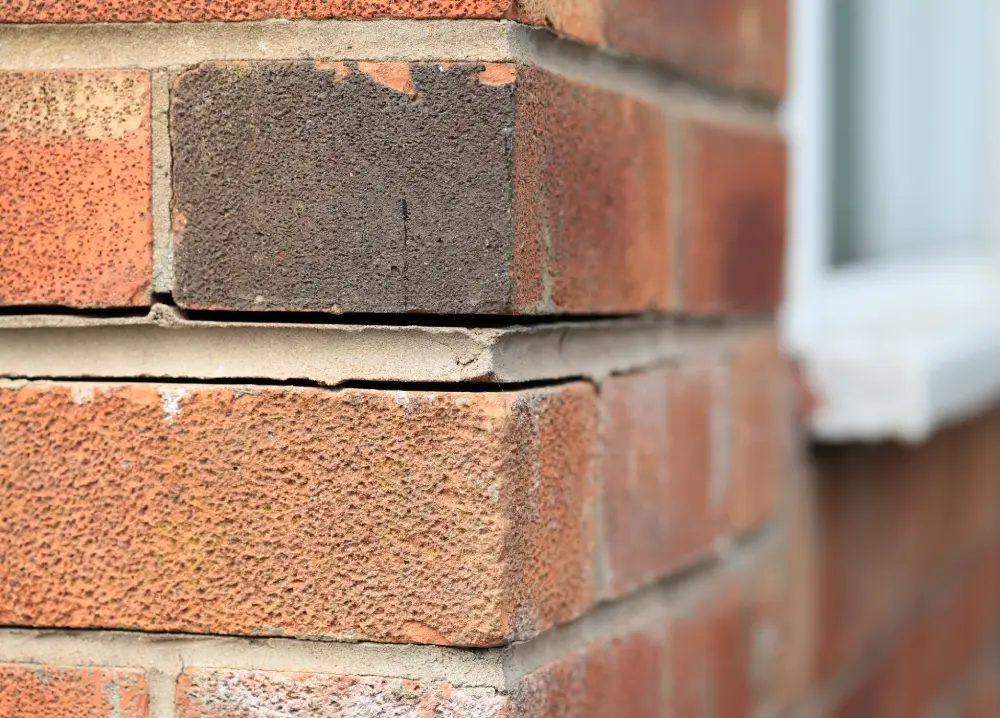
Weep Holes and Their Role in Preventing Water Damage
Weep holes are open mortar joints just above the flashing at the base of brick walls that let water drain out of the wall cavity. The NCC requires them to be at least 50mm high and no more than 1.2m apart. This guide covers spacing, ground and concrete clearance, blockages, warning signs and fixes.
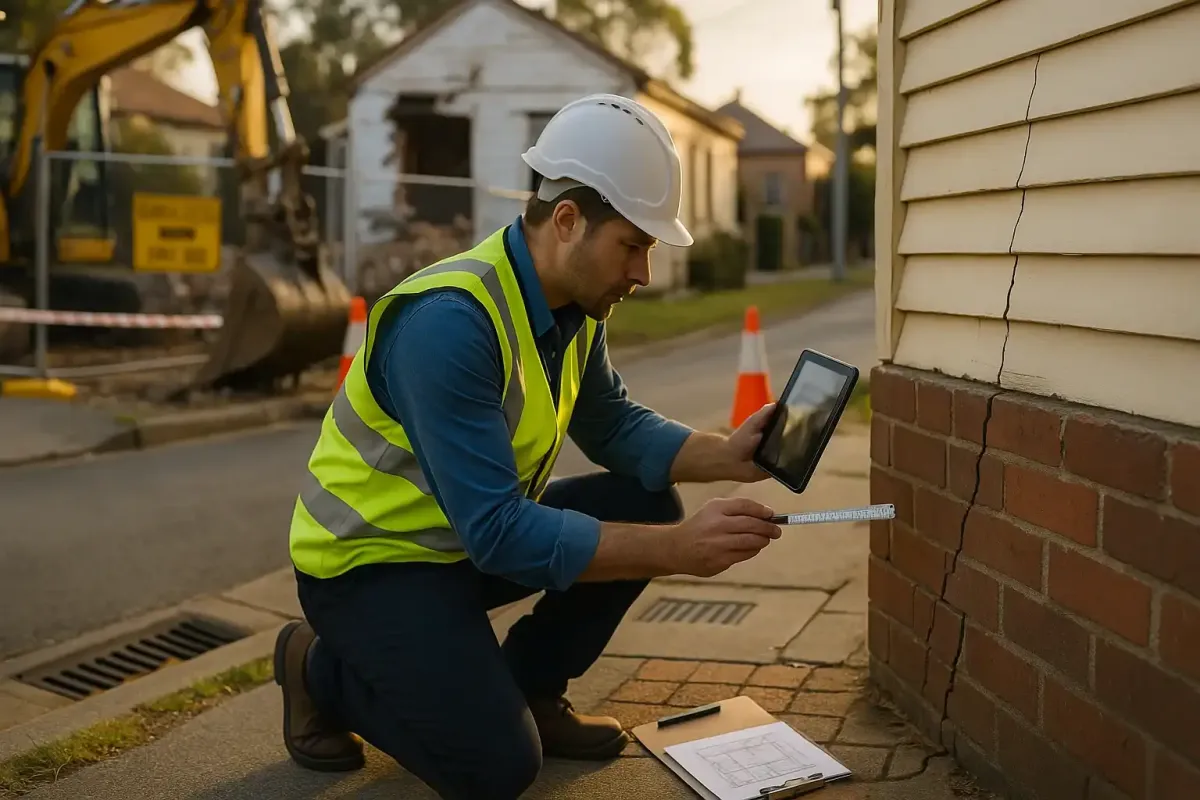
Construction Stage Inspections in Geelong
Geelong's residential market is growing rapidly, attracting new construction projects across the region. Construction stage inspections serve as health assessments for your build, ensuring quality and compliance at every phase from pre-construction through to final handover.
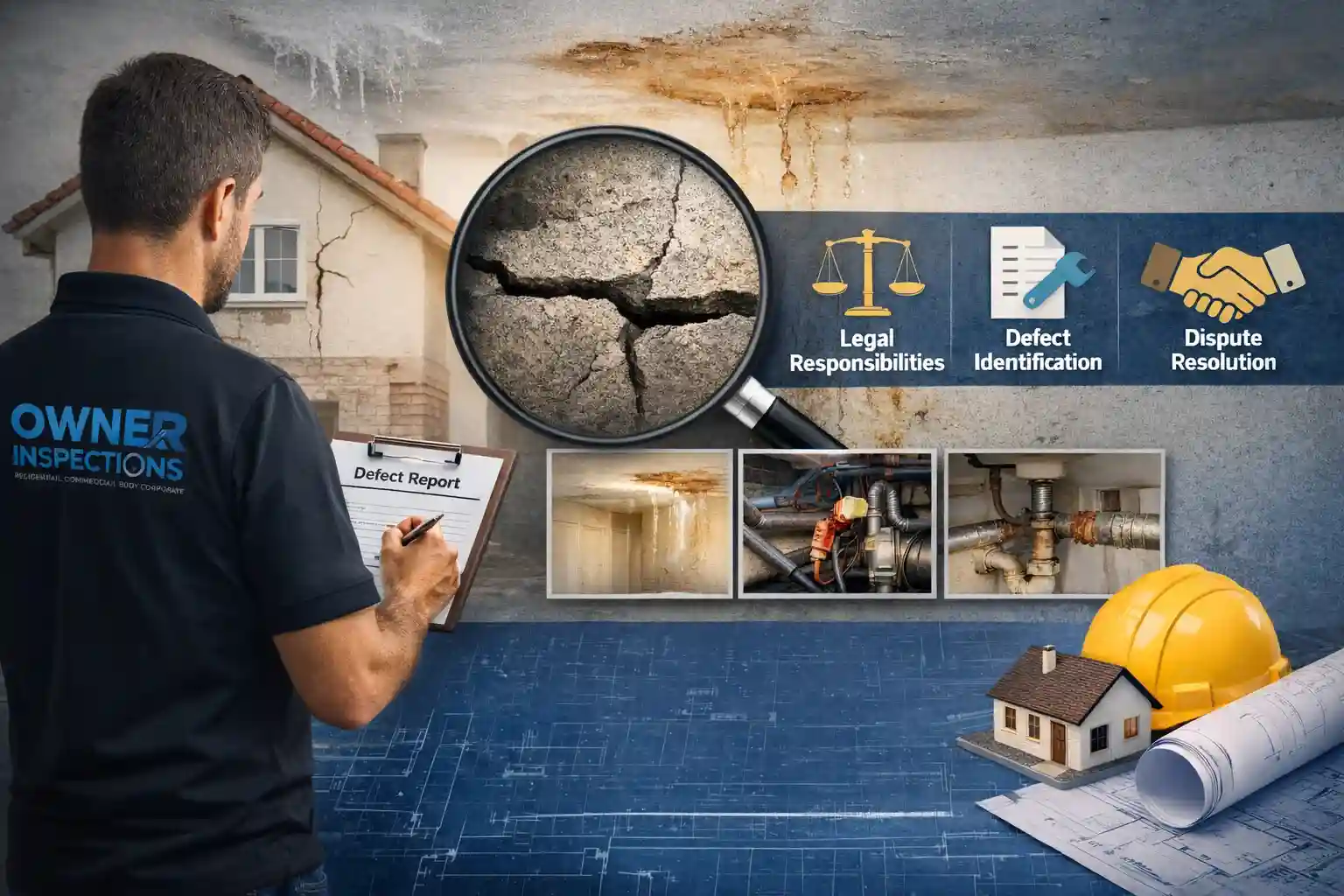
Effective Defect Rectification Strategies in Construction
Defect rectification in construction is a structured process of identifying, documenting, and repairing faults in a building to meet quality, safety, and compliance standards. This guide covers early detection, legal obligations, prioritisation methods, and preventive strategies for Australian property owners and developers.
Planning a new fence or renovating your property? Owner Inspections provides independent building inspections to check construction quality, identify defects, and make sure your project meets Australian standards. Get a quote today or call us on 1300 471 805.