
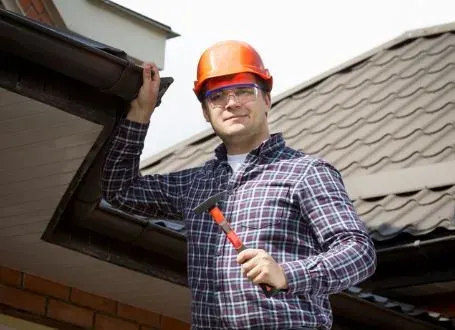
Your roof is your home's first line of defence against Australia's harsh climate. Intense heat, UV radiation, heavy storms, and coastal salt air all take a toll on roofing materials over time. A missing tile or cracked flashing might seem minor, but left unchecked, it can lead to water damage, mould growth, rotting timber, and compromised structural integrity. These problems cost far more to fix than the inspection that would have caught them early. This guide breaks down the financial benefits of regular roof inspections and explains why they are a smart investment for every Australian homeowner.
Catching Problems Early Saves Money
A cracked tile, a loose piece of flashing, or a blocked downpipe might not seem like much on its own. But small problems compound quickly. A single cracked tile allows rainwater into the roof cavity, where it soaks into timber framing, insulation, and ceiling linings. Over weeks or months, this leads to:
- Mould and mildew growth: requires professional removal, often costing $500 to $5,000 depending on the extent
- Rotting roof timbers: weakened trusses and decking compromise structural integrity and require expensive replacement
- Damaged ceilings and internal walls: water stains, sagging plasterboard, and paint damage that require repair or replacement
- Electrical hazards: water in contact with electrical wiring creates a safety risk and may require rewiring
A professional roof inspection can identify that cracked tile and have it repaired for a fraction of the cost of dealing with the downstream damage. Early detection is the single biggest financial benefit of regular inspections.
Preventing Water Damage
Water is the most common cause of roof-related repair costs. Even a small leak, left undetected, can affect:
- Ceilings and walls: water stains, blistering paint, and structural damage to plasterboard and framing
- Insulation: wet insulation loses its effectiveness and often needs full replacement
- Electrical systems: exposure to water creates a serious safety hazard and can damage wiring and components
- Flooring: water travelling down through the ceiling can damage timber floors, carpet, and subfloor structures
Inspections identify the most common water entry points before they cause damage:
Avoiding Secondary and Structural Damage
Think of a roof problem as a chain reaction. A minor leak near a roof truss can go unnoticed for months. During that time, moisture weakens the timber, attracts termites, and promotes mould growth. Over time, this can lead to:
- Sagging ceilings that require full replacement
- Cracks in internal walls from structural movement
- Potential roof collapse in severe cases
- Termite infestation in moisture-damaged timber
Regular inspections break this chain by catching the initial problem before secondary damage develops. This proactive approach saves you money and preserves the structural integrity of your home.
Extending Your Roof's Lifespan
A well-maintained roof lasts significantly longer than a neglected one. Different roofing materials have different expected lifespans, but all benefit from regular inspection and maintenance.
| Expected Lifespan | Common Issues | |
|---|---|---|
| Concrete Tiles | 50+ years | Cracking, lichen growth, broken ridge capping |
| Terracotta Tiles | 50 to 75 years | Chipping, fading, bedding and pointing deterioration |
| Colorbond Steel | 30 to 50 years | Corrosion, loose screws, scratched coating |
| Slate | 75 to 100+ years | Cracked or slipped slates, deteriorated fixings |
By identifying and fixing small problems regularly, you extend the roof's useful life and delay the cost of a full replacement, which can range from $10,000 to $50,000 or more depending on the size and material.
Roof Inspection Costs vs Repair Costs
| Typical Cost | What You Get | |
|---|---|---|
| Annual Roof Inspection | $200 to $500 | Detailed report on roof condition, photos, and recommendations for repairs |
| Minor Roof Repair (tiles, flashing) | $250 to $1,500 | Replacement of cracked tiles, re-bedding of ridge capping, flashing repair |
| Moderate Repair (leaks, partial re-roofing) | $1,500 to $5,000 | Leak repairs, gutter replacement, partial re-roofing of damaged sections |
| Major Repair (structural, water damage) | $5,000 to $12,500+ | Structural timber replacement, extensive water damage remediation, full section repairs |
| Full Roof Replacement | $10,000 to $50,000+ | Complete removal and replacement of all roofing materials |
The numbers make the case clearly: spending $200 to $500 on an annual inspection can prevent repairs costing thousands.
Insurance Benefits
Regular roof inspections can positively affect your home insurance in several ways:
- Documented maintenance supports claims: if storm damage occurs, an inspection report showing the roof was well-maintained strengthens your position
- Reduced risk of claim denial: insurers can deny claims if they determine damage resulted from neglect or poor maintenance
- Potential for better premiums: some insurers offer more favourable terms for properties with documented maintenance histories
Australia's Climate and Your Roof
Australia's climate presents unique challenges for roofs depending on location:
- Western Sydney and inland areas: extreme heat causes tiles to crack and metal roofing to expand and contract, loosening fixings over time
- Coastal areas: salt air accelerates corrosion of metal components, screws, and flashing
- QLD and northern NSW: cyclone-strength winds, heavy rain, and hail can cause sudden and severe damage
- Southern states (VIC, SA, TAS): cold, wet winters promote moisture buildup, mould growth, and deterioration of bedding and pointing
Given these conditions, annual inspections (or more frequently in high-risk areas) are a practical investment. Drone-based inspections are increasingly popular for accessing hard-to-reach or steep roofs safely and efficiently.
Key Takeaways
- A professional roof inspection costs $200 to $500 and can prevent repairs costing $1,000 to $12,500 or more.
- Early detection of cracked tiles, damaged flashing, and blocked gutters prevents water damage to ceilings, insulation, and structural timber.
- Regular maintenance extends roof lifespan by years or decades, delaying the cost of full replacement.
- Water damage from neglected roofs can lead to mould, timber rot, electrical hazards, and termite activity.
- Documented roof maintenance supports insurance claims and may lead to better premium terms.
- Australia's climate (heat, UV, storms, salt air) makes annual roof inspections particularly important.
- Drone inspections provide safe, efficient access to hard-to-reach roofs.
Frequently Asked Questions
What is the best season for a roof inspection in Australia?
Spring and autumn are ideal. Milder weather makes the inspection safer and allows any maintenance or repairs to be completed before the harsher conditions of summer heat or winter rain. After severe storms, an immediate inspection is also recommended regardless of the season.
How often should coastal properties have roof inspections?
Homes in coastal areas should have roof inspections at least every six months. Salt air accelerates corrosion of metal components, and the combination of wind and moisture can cause faster deterioration of tiles, flashing, and seals.
What signs indicate I need an immediate roof inspection?
Signs that warrant immediate attention include water stains on ceilings, visible sagging of the roof line, broken or missing tiles visible from ground level, debris in downspouts (which may indicate shingle deterioration), and damp or musty smells in the roof space or upper rooms.
Can regular roof inspections affect my home insurance?
Yes. Regular inspections and documented maintenance demonstrate responsible property ownership. This can support insurance claims by showing the roof was well-maintained, and some insurers may offer better terms for properties with consistent maintenance records.
What qualifications should a roof inspector have?
A qualified roof inspector should hold building inspection certifications, be licensed with the relevant state regulatory body (NSW Fair Trading, VBA, or QBCC), and have experience in roof assessment. Membership in professional bodies such as the Australian Institute of Building Surveyors provides additional assurance.
What is the difference between a roof inspection and a roof appraisal?
A roof inspection is a detailed assessment of the roof's physical condition, identifying defects, damage, and areas needing repair. A roof appraisal estimates the monetary value of the roof, often for insurance or sale purposes. Both serve different functions but can complement each other.
What tools are used during a professional roof inspection?
Common tools include ladders, drones for hard-to-reach areas, moisture meters to detect hidden leaks, thermal imaging cameras to identify insulation issues and water ingress, and binoculars for preliminary ground-level assessments. Professional inspectors also use digital photography for detailed documentation.
Can I inspect my own roof?
Homeowners can perform basic visual checks from ground level, looking for obvious damage like missing tiles or blocked gutters. However, a professional inspection is recommended for a thorough assessment. Professionals are trained to identify less obvious issues and can safely access roof surfaces. Working at heights without proper training and equipment is a safety risk.
What should a roof inspection report include?
A comprehensive report should include a detailed description of the roof's condition, photographic evidence of all detected issues, an assessment of the severity of each problem, recommended repairs with priority levels, and an estimated timeline for necessary work. Reports should reference relevant Australian Standards where applicable.
How do roof inspections contribute to energy efficiency?
Regular inspections ensure roofing materials and insulation are intact, preventing heat loss in winter and excess heat gain in summer. A well-maintained roof with proper insulation and ventilation reduces the workload on heating and cooling systems, which can significantly lower energy bills over time.
References and Resources
- National Construction Code (NCC) - Australian Building Codes Board
- NSW Fair Trading - Home Building - NSW Government
- Victorian Building Authority (VBA) - Victorian Government
- Queensland Building and Construction Commission (QBCC) - Queensland Government
Related Articles
Roof Inspection Services
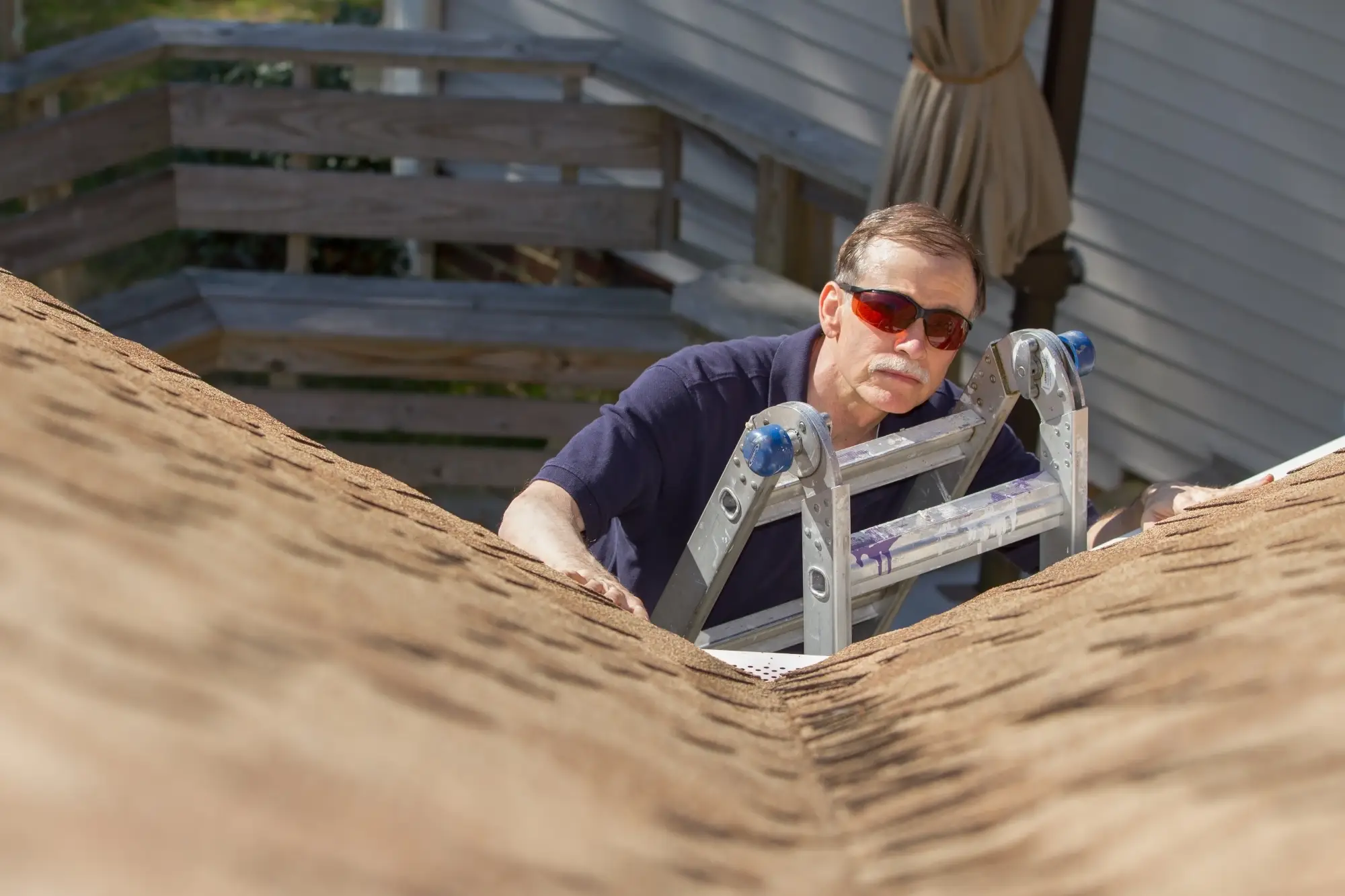
Roof Defect Inspection to Detect Leaks and Structural Issues
A roof defect inspection identifies leaks, structural weaknesses, drainage failures, and material deterioration before they become expensive repairs. This guide explains what inspectors look for, common roof defects found in Australian homes, and how often you should schedule inspections to protect your property.
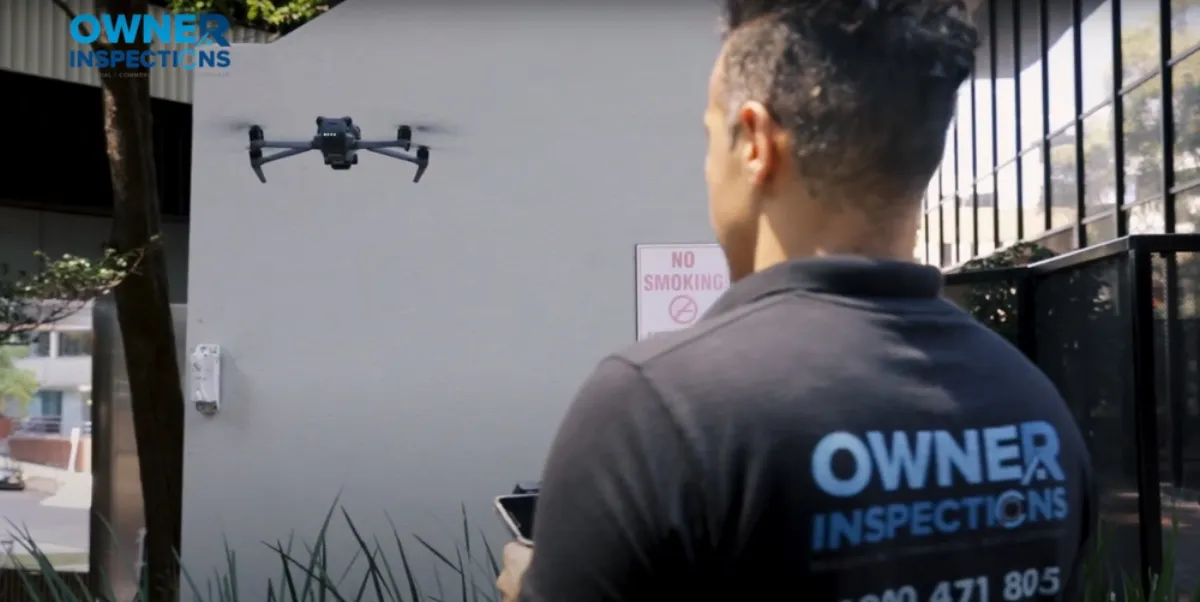
Drones vs Traditional Roof Inspection Methods
Roof inspections are essential for maintaining structural integrity and identifying issues before they become costly repairs. This guide compares drone-based and traditional roof inspection methods, covering the advantages and disadvantages of each approach to help property owners make informed decisions.
Want to protect your roof and save on costly repairs? Owner Inspections provides professional roof inspections across NSW, Victoria, and Queensland using both traditional methods and advanced drone technology. Our licensed inspectors deliver detailed reports with photos and prioritised repair recommendations. Get an instant roof inspection quote or call us on 1300 471 805.