
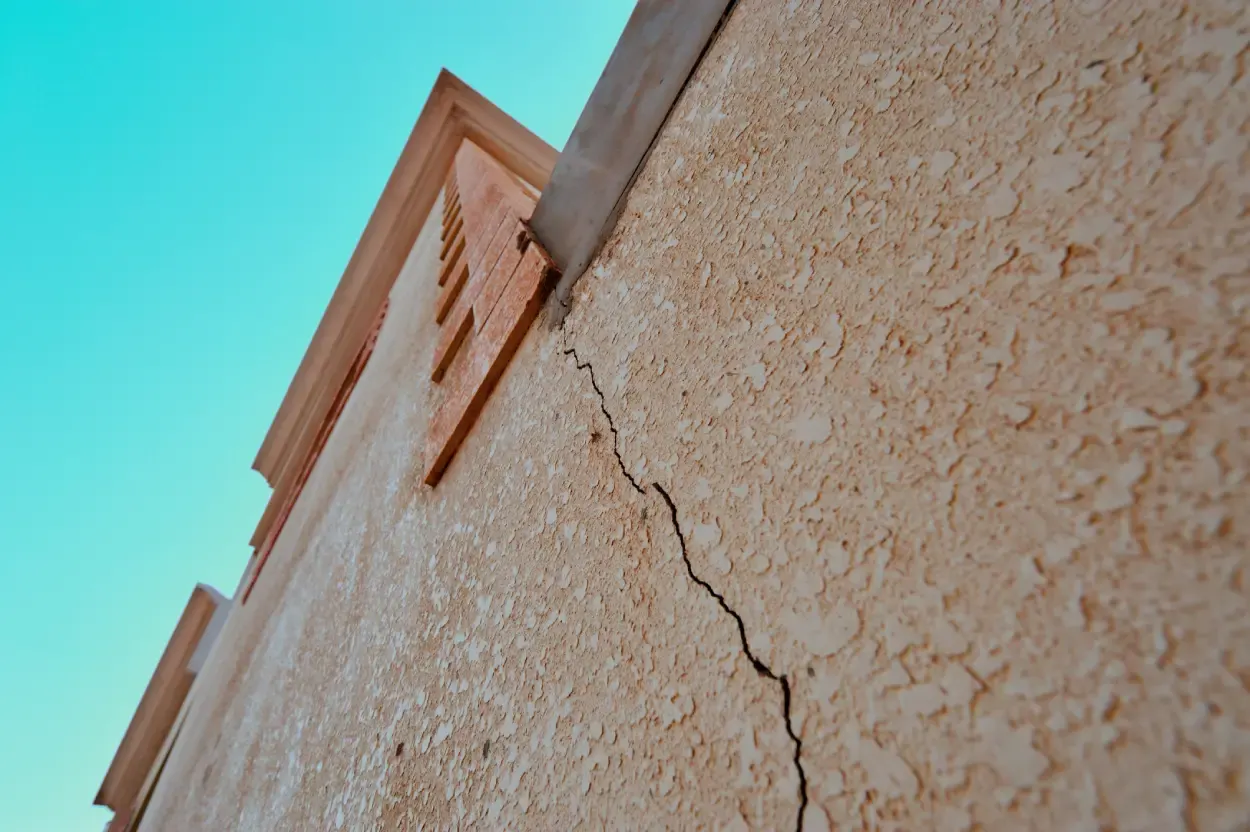
A dilapidation survey is a detailed property condition assessment carried out before and after construction, demolition, or excavation work. It documents the existing state of nearby structures using photographs, video, and written descriptions, giving real estate developers a clear record to rely on if damage claims arise. In Australia, local councils in states like Victoria, New South Wales, and Queensland often require or strongly recommend dilapidation surveys as part of construction permit conditions.
Beyond protecting against false or exaggerated claims, these surveys play a key role in securing project financing, satisfying regulatory requirements, and demonstrating due diligence to insurers and stakeholders. Developers who carry out dilapidation surveys before starting work show that they take risk management seriously, and that credibility can make a real difference when disputes arise.
What Does a Dilapidation Survey Include
A dilapidation survey creates an unbiased record of a property's condition at a specific point in time. It typically includes:
- Photographic and video evidence: High-resolution images capturing cracks, structural weaknesses, and any pre-existing damage
- Detailed property descriptions: Written notes on existing damage, including the location, size, and severity of structural issues
- Surveyor's assessment and recommendations: Expert evaluations on potential risks and areas that construction activities may affect
The documentation is carried out by certified building inspectors or structural engineers who specialise in property condition assessments. The resulting report serves as evidence in insurance claims and legal proceedings.
Types of Dilapidation Surveys
| When It Happens | Purpose | |
|---|---|---|
| Pre-Construction Survey | Before construction work begins | Establishes the baseline condition of neighbouring properties |
| Post-Construction Survey | After construction work is completed | Determines whether any new damage has occurred due to construction activities |
Pre-construction surveys set the benchmark. Post-construction surveys compare the current state against that benchmark. Together, they provide clear evidence of whether construction activities caused any damage to nearby properties.
Legal Requirements Across Australian States
Dilapidation surveys are not uniformly mandated across Australia, but local councils in several states strongly recommend or require them.
- Victoria: Councils may require a dilapidation report before granting construction permits for developments near heritage-listed buildings or residential zones
- New South Wales: Developers undertaking major excavation work must comply with council guidelines, which often include conducting a dilapidation survey
- Queensland: The Building Act 1975 outlines guidelines for pre-construction documentation to prevent disputes
Failing to conduct a dilapidation survey can result in legal disputes, delays in project approvals, and financial liability for alleged property damage. Developers who ignore these requirements may also face reputational damage and potential project shutdowns.
Benefits for Real Estate Developers
Risk mitigation
Real estate developments involving excavation and heavy machinery can lead to claims of property damage from neighbouring owners. A dilapidation survey serves as a legal safeguard, protecting developers from fraudulent or exaggerated claims. There are documented cases of developers successfully defending against unfounded claims thanks to well-documented pre-existing conditions.
Unexpected damage to neighbouring properties can also cause delays and unforeseen expenses. Having a dilapidation survey allows developers to plan ahead and budget for any potential remediation costs.
Dispute prevention
Neighbouring property owners may raise concerns about construction activities affecting their buildings. A thorough dilapidation report provides clear, objective proof of a property's condition before construction begins, preventing unnecessary disputes. This is particularly relevant in high-density areas, where even minor construction work can lead to tensions between developers and nearby property owners.
Regulatory compliance
Developers must comply with Australian building regulations and planning laws. A dilapidation survey helps ensure that construction activities meet the Australian Building Codes and local council requirements, reducing the risk of compliance issues and project delays.
Cost savings
Legal battles over alleged construction-related damage can be expensive. By investing in a professional dilapidation survey, developers can avoid:
- Legal fees and litigation costs
- Insurance disputes and premium increases
- Unnecessary repair expenses for pre-existing damage
Cost Comparison: Survey vs. Legal Dispute
| Typical Cost | Outcome | |
|---|---|---|
| Dilapidation Survey | $800 to $2,000 depending on property size and complexity | Documented evidence that prevents or resolves claims quickly |
| Legal Dispute Without Survey | $10,000 to $100,000+ in legal fees, expert reports, and settlements | Prolonged dispute with uncertain result and project delays |
The Dilapidation Survey Process
Pre-construction phase
Initial consultation
Engage a licensed surveyor to assess project requirements and identify which neighbouring properties need to be documented.
Site inspection
The surveyor conducts a comprehensive assessment of nearby structures with detailed photographic and written documentation.
Report preparation
A detailed dilapidation report is compiled and shared with all relevant stakeholders for review and record-keeping.
Post-construction phase
Reassessment of structures
A follow-up inspection compares the current condition of neighbouring properties against the pre-construction documentation.
Identification of changes
Any new structural issues are recorded, photographed, and assessed against the baseline report.
Final report submission
The final document provides evidence of whether any damage occurred as a result of construction activities.
Choosing a Qualified Surveyor
Selecting the right professional ensures accuracy and reliability. Key criteria to consider:
Key Takeaways
- A dilapidation survey documents the condition of neighbouring properties before and after construction to prevent damage claims.
- Pre-construction and post-construction surveys work together to establish a clear baseline and identify any changes.
- Local councils in Victoria, NSW, and Queensland may require dilapidation surveys as part of construction permit conditions.
- The cost of a survey (typically $800 to $2,000) is far less than the legal fees from an unresolved damage dispute.
- Developers who conduct dilapidation surveys demonstrate due diligence, which strengthens credibility with lenders, insurers, and stakeholders.
- Always engage a licensed building inspector or structural engineer with relevant Australian accreditation.
Frequently Asked Questions
What is the purpose of a dilapidation survey?
A dilapidation survey records the condition of a property before and after construction to prevent disputes over potential damage. It provides photographic, video, and written evidence that can be used in legal proceedings or insurance claims to show whether construction activities caused any new damage.
When should a dilapidation report be conducted?
It should be conducted before any construction, excavation, or demolition work begins near existing structures. A post-construction survey should follow once the work is completed. This before-and-after approach creates a clear comparison for resolving any claims.
Is a dilapidation survey mandatory in Australia?
It depends on local council regulations. While not uniformly mandated across all states, dilapidation surveys are strongly recommended and may be required as a condition of construction permits in Victoria, NSW, and Queensland. Even where not legally required, they are considered best practice for risk management.
Can a dilapidation survey prevent legal disputes?
Yes. By providing documented proof of a property's condition before construction began, a dilapidation survey can prevent or quickly resolve disputes over construction-related damage. Neighbouring property owners are less likely to make unfounded claims when clear evidence exists.
What happens if damage is found post-construction?
If new damage is discovered during the post-construction survey, the report helps determine whether construction activities were the cause. This evidence is used to decide who is responsible and how to proceed with compensation or repairs.
How much does a dilapidation survey cost in Australia?
Survey costs vary based on property size, location, and complexity. In Australia, prices typically start from $800 and can reach $2,000 or more for larger or more complex assessments. The cost of the survey is a small fraction of what a legal dispute could cost.
Who conducts a dilapidation survey?
Dilapidation surveys are carried out by certified building inspectors or structural engineers who specialise in property condition assessments. They must hold relevant Australian accreditation and have experience with both residential and commercial properties.
What properties should be included in a dilapidation survey?
Any property that could reasonably be affected by the proposed construction work should be included. This typically covers properties immediately adjacent to the construction site, as well as those within the zone of influence for excavation, vibration, or heavy vehicle access.
Can a dilapidation survey help with insurance claims?
Yes. The survey provides documented evidence of pre-existing conditions, which is highly valuable when processing insurance claims. It serves as proof that damage existed before construction, preventing false claims and supporting legitimate ones.
How long does a dilapidation survey take?
The time required depends on the number of properties being surveyed and the level of detail needed. A single property assessment typically takes 1 to 3 hours. The full report is usually delivered within 5 to 10 business days after the site inspection.
References and Resources
- Victorian Building Authority - Building permit requirements in Victoria
- NSW Fair Trading - Building and renovating - Construction compliance in New South Wales
- QBCC - Queensland Building and Construction Commission - Queensland building regulations and guidelines
- Australian Building Codes Board - NCC - National Construction Code compliance standards
- Building Act 1975 (QLD) - Queensland building legislation
Related Articles
Ultimate Guide to Dilapidation Reports
Dilapidation reports document a property's condition before nearby construction begins. This guide covers their purpose, process, and how they protect property owners from construction-related damage claims in Australia.
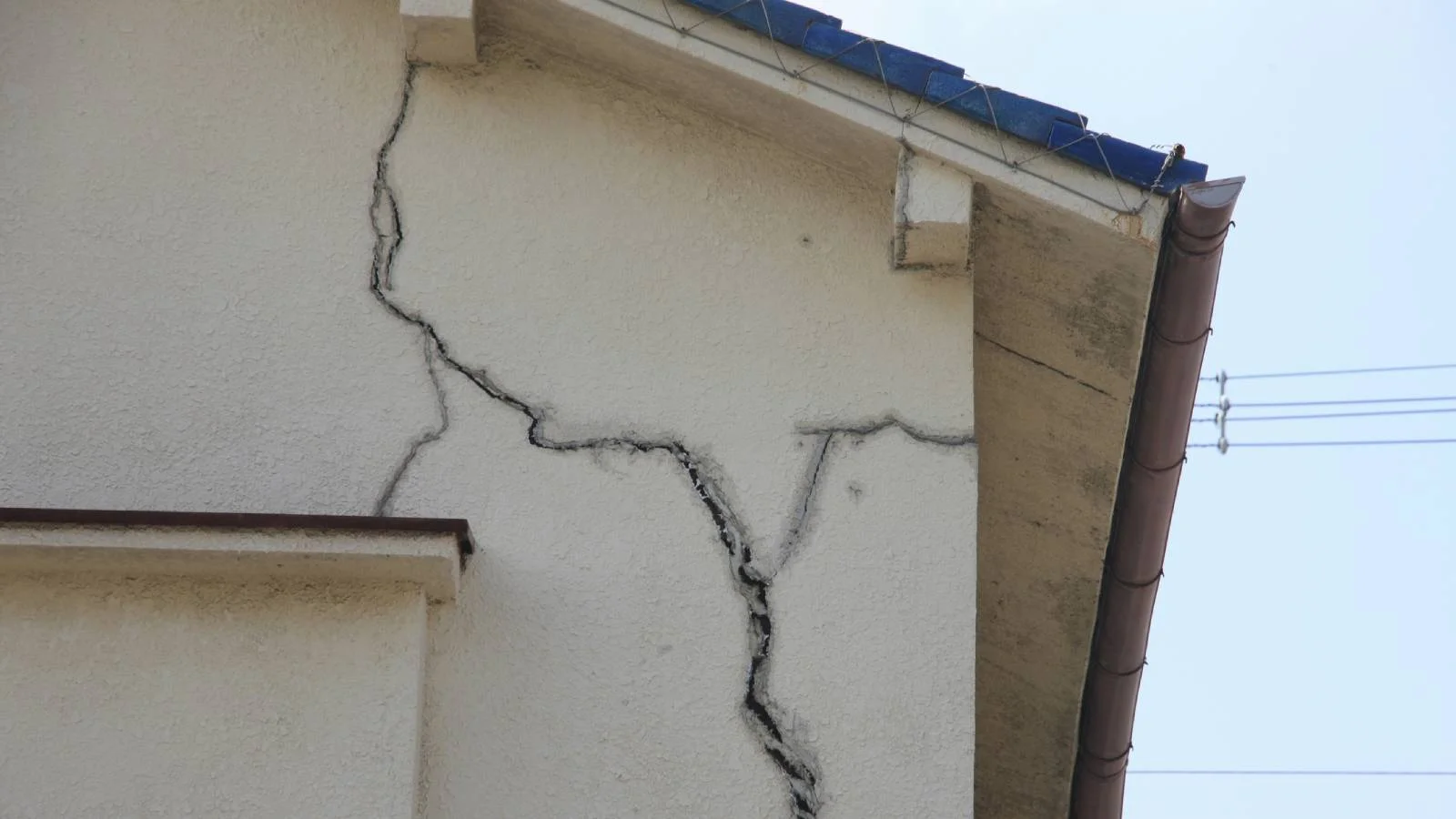
Dilapidation Report Process: A Walkthrough of Key Steps
Dilapidation reports serve as comprehensive property condition snapshots before nearby construction commences. Learn the six-step process from consultation to delivery.

Building Surveyor vs Building Inspector
Building surveyors and building inspectors serve different roles in Australian construction. This guide explains their qualifications, responsibilities, and when you need each professional for your building project.
Protect your real estate development project with a professional dilapidation survey. Owner Inspections documents property conditions before and after construction to prevent legal disputes and financial losses. Schedule a consultation or call 1300 471 805.