

If you are building a new home, renovating, or purchasing a property in Australia, understanding the difference between these two roles can save you time, money, and unexpected problems. Homeowners often assume one professional covers everything, but in practice, the surveyor handles approvals and compliance certification while the inspector examines the physical quality of the work on site.
This guide breaks down the qualifications, duties, and scope of each role, explains when you need one or both, and answers common questions about how these professionals fit into the Australian building process.
What Does a Building Surveyor Do?
A building surveyor (also called a building certifier in some states) is a licensed professional who assesses building plans and construction work for compliance with the NCC, relevant Australian Standards, and local planning requirements. Their involvement typically begins before construction starts and continues through to the occupancy certificate.
Qualifications and Training
Building surveyors in Australia generally hold a bachelor's degree in building surveying, construction management, or a related discipline. They must be registered or licensed with their state's building authority, such as the Victorian Building Authority (VBA), NSW Fair Trading, or the Queensland Building and Construction Commission (QBCC). Many hold membership with the Australian Institute of Building Surveyors (AIBS).
Core Responsibilities
Building surveyors carry out the following duties during a construction project:
- Reviewing building plans and specifications for compliance with the NCC and Australian Standards
- Issuing building permits after confirming plans meet all regulatory requirements
- Conducting mandatory inspections at prescribed hold points during construction
- Advising architects, builders, and owners on compliant materials, techniques, and design solutions
- Assessing buildings for structural adequacy, fire safety, accessibility, and energy efficiency
- Producing compliance reports and certificates throughout the project
- Acting as a liaison between builders, architects, and regulatory authorities
- Issuing the final occupancy permit or certificate of compliance upon completion
Building surveyors operate across the full lifecycle of a project, from the initial design review through to final sign-off. Their focus is on whether the building meets the legal and regulatory requirements set out in the NCC and state legislation.
What Does a Building Inspector Do?
A building inspector is a construction professional who physically examines buildings and building work to assess quality, identify defects, and verify compliance with codes and standards. Inspectors work on both new construction and existing properties and are commonly engaged by homeowners, buyers, and builders.
Qualifications and Training
Building inspectors in Australia typically hold qualifications in building and construction, such as a Certificate IV or Diploma in Building and Construction (Building). Many have extensive backgrounds in the construction trades, giving them practical knowledge of how buildings are assembled and where defects commonly occur. Inspectors must hold the appropriate licence in their state, issued by bodies such as the VBA, NSW Fair Trading, or QBCC.
Core Responsibilities
Building inspectors carry out the following work:
- Examining foundations, slabs, framing, roofing, plumbing, electrical, and other structural elements
- Verifying that completed work complies with the NCC, Australian Standards, and approved plans
- Identifying construction defects, safety hazards, and non-compliant work
- Generating detailed evaluation reports with photographs and references to applicable standards
- Recommending corrective actions where defects or non-compliance are found
- Conducting reinspections to confirm that rectification work has been completed properly
- Carrying out pre-purchase inspections for property buyers under AS 4349.1
- Performing stage inspections during construction on behalf of owners or builders
Building inspectors focus on the physical condition of the work. They get into roof spaces, under floors, and into wet areas to check that materials and workmanship meet the required standard. Their reports give property owners and builders a clear picture of what needs attention.
Key Differences Between Building Surveyors and Building Inspectors
The table below summarises the main differences between the two roles.
| Aspect | Building Surveyor | Building Inspector |
|---|---|---|
| Primary focus | Plan assessment, code compliance certification, and permit issuance | Physical examination of completed work for defects and compliance |
| Qualifications | Bachelor's degree in building surveying or related field | Certificate IV/Diploma in Building and Construction or trade background |
| Scope of work | Broad: design review, planning, regulatory compliance, certification | Focused: on-site inspection of materials, workmanship, and safety |
| When they are involved | Before and during construction (permit to occupancy certificate) | During and after construction (stage inspections, pre-purchase) |
| Who engages them | Builders, developers, or owners (mandatory for permit) | Owners, buyers, or builders (voluntary in most cases) |
| Reports issued | Building permits, compliance certificates, occupancy permits | Inspection reports with defect lists, photos, and recommendations |
| Regulatory role | Acts as the statutory authority delegate for building compliance | No statutory authority; provides independent assessment |
| Sectors | Residential, commercial, industrial, heritage | Residential, commercial, industrial |
Scope of Work Compared
A building surveyor's scope extends across the design and regulatory framework of a project. They assess whether plans comply with the NCC before construction starts, inspect at legislatively prescribed hold points during construction, and issue the final occupancy certificate. Their involvement is mandatory for any building work that requires a permit.
A building inspector's scope is centred on the physical work itself. They assess whether the actual construction matches the approved plans, whether materials and workmanship are acceptable, and whether any defects or safety hazards exist. Their involvement is voluntary but highly recommended, particularly for owner-occupied residential builds.
Certification Differences
Building surveyors hold registration or licensing that allows them to issue statutory documents such as building permits and occupancy certificates. Building inspectors hold licences that authorise them to assess and report on building work, but they do not have the authority to issue permits or compliance certificates.
| Document | Issued by Building Surveyor | Issued by Building Inspector |
|---|---|---|
| Building permit | Yes | No |
| Compliance certificate | Yes | No |
| Occupancy certificate | Yes | No |
| Defect inspection report | Sometimes (limited scope) | Yes (comprehensive) |
| Pre-purchase inspection report | No | Yes |
| Stage inspection report | Yes (at prescribed hold points) | Yes (all stages, all trades) |
What the Two Roles Share
Despite their differences, building surveyors and building inspectors share several common goals.
- Both prioritise building code compliance and public safety
- Both reference the NCC, Australian Standards, and state regulations in their assessments
- Both produce written reports documenting their findings
- Both require state-issued licences to practise in Australia
- Both engage in ongoing professional development to maintain their knowledge of evolving codes and standards
The two roles are complementary. A building surveyor confirms that the regulatory framework has been met. A building inspector confirms that the physical work has been carried out properly. Together, they provide comprehensive oversight of a construction project.
Case Study: The Johnson Home Renovation
To illustrate how both professionals contribute to a project, consider the Johnson family's home renovation in suburban Melbourne.
The Johnsons planned a major renovation that included a ground-floor extension, a new bathroom, and structural modifications to open up the living area. The project required a building permit and involved multiple trades over a six-month build period.
The Building Surveyor's Role
Before construction began, the Johnsons' builder engaged a registered building surveyor to review the architectural plans. The surveyor assessed the proposed design against the NCC, local planning overlays, and the Building Regulations 2018 (VIC). They checked structural adequacy, energy efficiency compliance under NCC Part 3.12, fire safety provisions, and accessibility requirements. After confirming the plans were compliant, the surveyor issued a building permit.
During construction, the surveyor conducted inspections at the mandatory hold points: footings, frame stage, and final inspection. At the final inspection, the surveyor issued an occupancy permit, confirming the completed work met the approved plans and the NCC.
The Building Inspector's Role
The Johnsons also engaged an independent building inspector from Owner Inspections to carry out stage inspections throughout the build. The inspector examined the work at each stage in greater detail than the surveyor's mandatory checks.
At the slab stage, the inspector verified reinforcement placement, vapour barriers, and formwork dimensions. At frame stage, the inspector checked all framing members, bracing, tie-downs, and window openings against the engineering specifications. During the fixing stage, the inspector identified an electrical rough-in that did not comply with AS/NZS 3000 and flagged it for rectification before the walls were lined.
The inspector also carried out a waterproofing inspection in the new bathroom and a pre-handover inspection before the Johnsons moved back in. The pre-handover report listed 14 minor defects that the builder addressed before handover.
The Outcome
By engaging both a building surveyor and an independent building inspector, the Johnsons received both regulatory certification and practical quality assurance. The electrical issue identified by the inspector would not have been caught by the surveyor's mandatory inspections, as electrical rough-in falls outside the surveyor's standard inspection scope. Catching it during construction avoided a potential safety hazard and a costly rectification after completion.
Tools and Equipment Used by Each Professional
Building surveyors and building inspectors use some of the same tools but also rely on equipment specific to their role.
| Tool/Equipment | Building Surveyor | Building Inspector |
|---|---|---|
| Measuring tape and laser measure | Yes | Yes |
| Spirit level | Yes | Yes |
| Moisture meter | Occasionally | Frequently |
| Thermal imaging camera | Rarely | Frequently |
| Building plans and specifications | Always | Always |
| NCC and Australian Standards | Always | Always |
| Camera for documentation | Yes | Yes |
| Drone (for roof access) | Occasionally | Occasionally |
| Electrical test equipment | No | Sometimes (qualified inspectors) |
| Bore scope/inspection camera | Rarely | Frequently |
Building inspectors tend to carry a wider range of diagnostic tools because their role involves identifying hidden defects in completed work. Thermal imaging cameras and moisture meters, for example, are standard equipment for inspectors assessing insulation continuity, water ingress, and damp issues.
Licensing at Owner Inspections
Owner Inspections' building inspectors are licensed by multiple state authorities, providing coverage across eastern Australia:
- Victorian Building Authority (VBA) for residential and commercial inspections in Victoria
- NSW Fair Trading for residential building inspections in New South Wales
- QBCC (Queensland Building and Construction Commission) for building inspections in Queensland
- ASBC NSW (Association of Strata Building Consultants) for strata building assessments in New South Wales
All inspectors carry professional indemnity insurance and public liability insurance. Inspections follow Australian Standard AS 4349.1 for pre-purchase inspections and the NCC for construction stage inspections.
When Do You Need a Building Surveyor, a Building Inspector, or Both?
The short answer is that you need a building surveyor whenever a building permit is required, and you should engage a building inspector whenever you want independent assurance that the physical work is up to standard.
For new builds and major renovations, both professionals should be involved. The surveyor handles the regulatory approvals and mandatory compliance inspections. The inspector provides detailed quality checks at every stage, covering trades and elements that fall outside the surveyor's scope.
For pre-purchase property inspections, you only need a building inspector. Building surveyors are not involved in assessing existing properties for sale.
For minor works that do not require a building permit, a building inspector can still provide valuable oversight if you want to verify the quality of the finished work.
Frequently Asked Questions
Can a building inspector recommend changes to building plans?
No. Building inspectors assess completed physical work, not design plans. Plan assessment and changes are the responsibility of the building surveyor, architect, or engineer.
A building inspector may identify issues during a stage inspection that suggest a design problem, such as inadequate drainage fall or insufficient clearance for services. In these cases, the inspector will note the issue in their report and recommend that the builder consult the relevant designer or engineer. The inspector does not have the authority to approve or modify plans, as this falls within the building surveyor's statutory role.
Who signs off on the completion of a building project?
The building surveyor issues the occupancy permit or certificate of final inspection, which is the statutory sign-off that the building complies with the permit and the NCC.
This is a formal regulatory document that confirms the building is suitable for occupation. A building inspector's pre-handover report, while valuable for identifying defects, does not serve as a statutory completion document. Both documents serve different purposes: the surveyor's certificate confirms regulatory compliance, and the inspector's report confirms the quality and condition of the finished work.
Do I need both a building surveyor and a building inspector for my project?
If your project requires a building permit, you must engage a building surveyor. Engaging a building inspector is voluntary but strongly recommended for any project involving significant construction work.
Building surveyors inspect at a limited number of prescribed hold points and focus on structural compliance and NCC adherence. Building inspectors cover a broader range of trades and examine workmanship in detail at every stage. Many defects, particularly in waterproofing, electrical, plumbing, and finishing trades, fall outside the surveyor's standard inspection scope. An independent building inspector catches these issues before they are concealed. For the cost involved, the added protection is well worth it.
Is insurance mandatory for building surveyors and building inspectors?
Yes. Both building surveyors and building inspectors are required to hold professional indemnity insurance in most Australian states. Public liability insurance is also standard practice for both professions.
The specific insurance requirements vary by state. In Victoria, the VBA requires registered building surveyors to hold professional indemnity insurance as a condition of registration. In New South Wales, building inspectors operating under a contractor licence must also maintain appropriate insurance cover. Always verify that any professional you engage can provide evidence of current insurance before work begins.
Can I hire a building surveyor and building inspector from the same company?
While some companies offer both services, it is generally better to engage independent professionals for each role to avoid conflicts of interest.
A building surveyor who also provides building inspection services may face a perceived or actual conflict when assessing work they have already certified as compliant. Engaging an independent building inspector provides a genuinely separate layer of quality assurance. At Owner Inspections, our inspectors operate independently of the building surveyor involved in the project, ensuring unbiased reporting.
Do building surveyors and building inspectors require ongoing professional development?
Yes. Both professions require ongoing professional development (CPD) to maintain their registration or licensing in Australia.
The NCC is updated regularly, with the most recent edition being NCC 2022. Australian Standards are also revised periodically. Building surveyors and inspectors must stay current with these changes to provide accurate assessments. State regulatory bodies such as the VBA, NSW Fair Trading, and QBCC set CPD requirements as a condition of licence renewal. This ensures that both professionals maintain their knowledge of evolving building codes, construction methods, and safety standards.
How do building surveyor reports differ from building inspector reports?
Building surveyor reports focus on regulatory compliance and include formal documents such as building permits, compliance certificates, and occupancy certificates. Building inspector reports focus on the physical condition of the work and include defect lists, photographs, and references to applicable standards.
A building surveyor's inspection report at a mandatory hold point will typically confirm whether the work complies with the approved plans and the NCC at that stage. It may be a brief pass/fail document. A building inspector's report is more detailed, covering every element within the inspection scope, noting defects by severity, and providing specific recommendations for rectification. The inspector's report is a practical tool for the owner or builder to manage construction quality.
Do building surveyors and building inspectors use different tools?
There is overlap in the basic tools used by both professionals, but building inspectors typically carry a wider range of diagnostic equipment for identifying hidden defects.
Both professionals use measuring tapes, laser measures, spirit levels, and cameras. Building inspectors frequently use thermal imaging cameras to detect insulation gaps and moisture issues, moisture meters to identify damp and water ingress, and borescopes to inspect concealed cavities. Building surveyors rely more heavily on building plans, the NCC, and regulatory checklists. The difference reflects their respective focuses: surveyors assess compliance against the rules, while inspectors assess the physical condition of the work itself.
What is the cost of hiring a building surveyor versus a building inspector?
Building surveyor fees for a standard residential project typically range from $2,000 to $6,000 for the full permit and inspection package. Building inspector fees for a single stage inspection typically range from $300 to $800.
Building surveyor fees cover the entire permit process, including plan assessment, mandatory inspections, and the final occupancy certificate. The total cost depends on the project size and complexity. Building inspector fees are charged per inspection or per stage. A full set of stage inspections across a residential build might cost $2,000 to $5,000 in total. Pre-purchase building inspections for existing properties typically cost between $400 and $800 depending on the property size and location.
Can a building inspector fail a construction project?
No. A building inspector does not have the statutory authority to pass or fail a building project. Only the building surveyor can issue or refuse compliance and occupancy certificates.
A building inspector provides an independent assessment and documents any defects or non-compliant work in their report. The report serves as advice to the person who commissioned the inspection, whether that is the homeowner or the builder. The inspector can recommend that defects be rectified and can conduct a reinspection to verify the work has been corrected, but they cannot stop construction or withhold statutory approvals. That power sits with the building surveyor.
Key Takeaways
Key Takeaways
- Building surveyors assess plans for NCC compliance, issue building permits, and certify completed projects with occupancy certificates
- Building inspectors physically examine construction work to identify defects, safety hazards, and non-compliant workmanship
- A building surveyor is mandatory for any project requiring a building permit, while a building inspector is voluntary but strongly recommended
- Building surveyors hold tertiary degrees in building surveying, while building inspectors typically hold trade qualifications and construction experience
- Surveyor inspections cover prescribed hold points only, whereas inspector assessments cover all trades and construction stages in detail
- Many common defects in waterproofing, electrical, plumbing, and finishing trades fall outside the building surveyor's standard inspection scope
- Both professionals must hold state-issued licences and maintain ongoing professional development
- For the best protection on a residential build, engage both a building surveyor and an independent building inspector
References and Resources
Related Articles
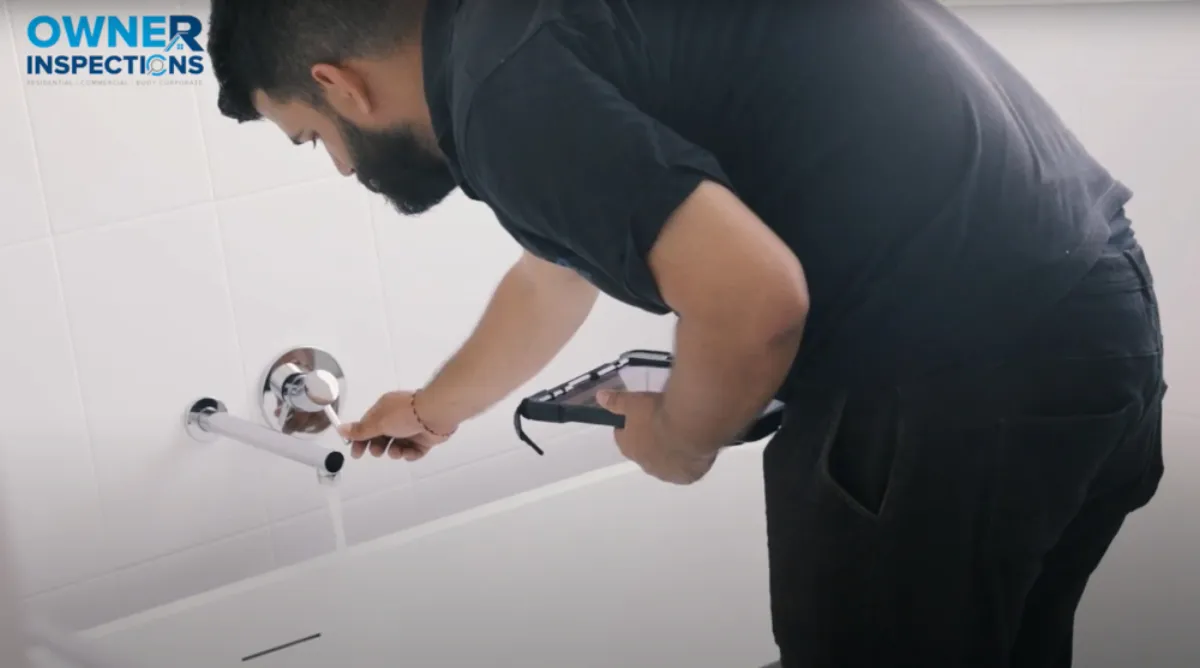
What Does a Building Inspector Do in Victoria?
Building inspectors in Victoria assess property safety, compliance, and construction quality. Learn about their qualifications, responsibilities, and when you need one.
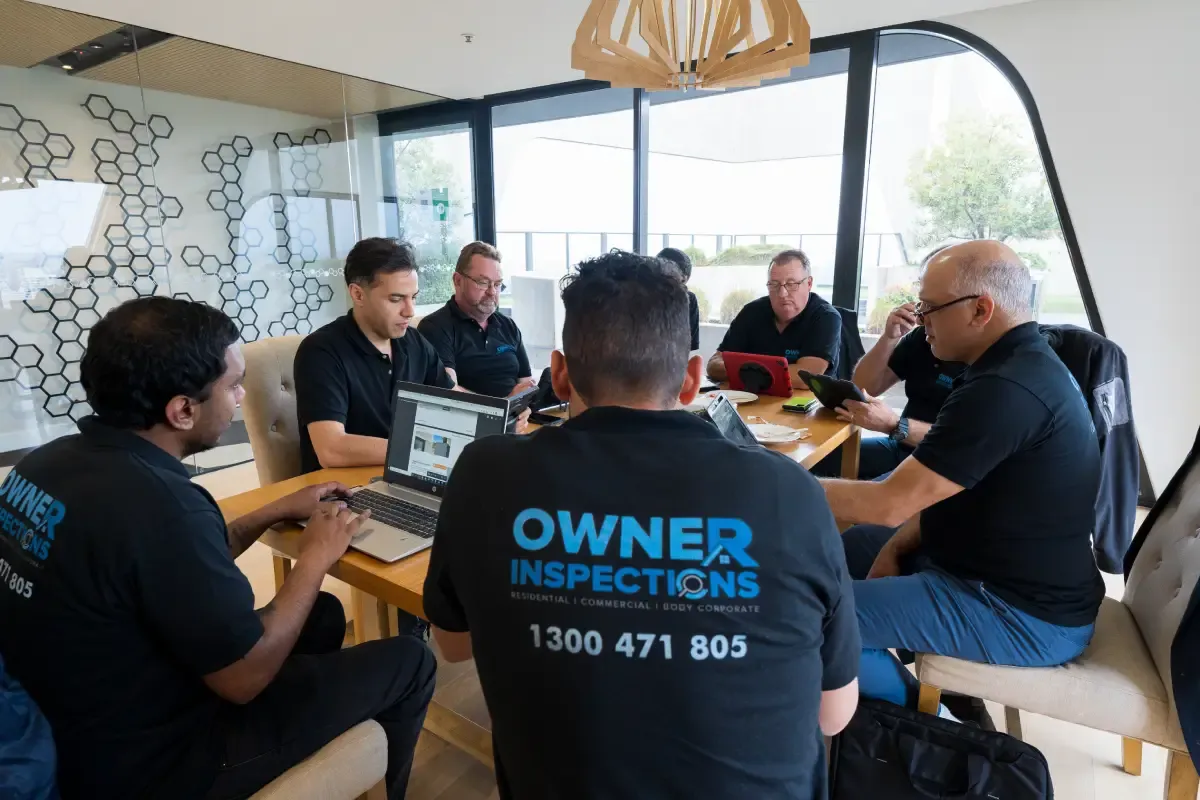
Independent Construction Inspections and Why They Matter
Independent construction inspections provide unbiased assessments of build quality and compliance. Learn why third-party inspections protect homeowners and investors.
Building Inspection Stages: A Comprehensive Guide
Need an Independent Building Inspector?
Book a building inspection with Owner Inspections and get a detailed, unbiased assessment of your construction work. Our licensed inspectors cover residential and commercial projects across NSW, VIC, and QLD.
For a complete overview, see our guide to expert witness reports for building disputes.
Need an Expert Witness Report?
Our experienced expert witnesses support cases at NCAT, VCAT, and tribunals across Australia.