
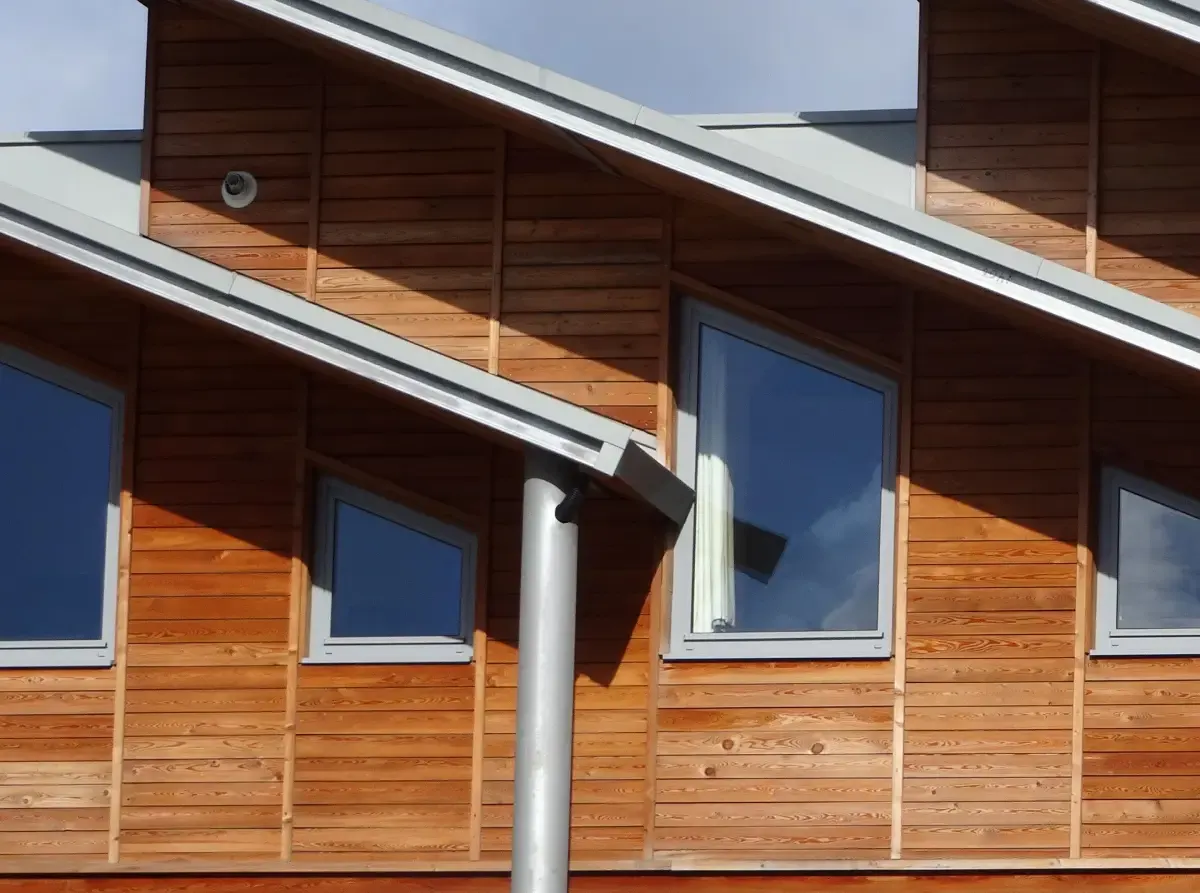
Renovation-related property damage disputes are among the most common construction complaints in Australia. A Melbourne homeowner once faced a $50,000 legal battle when a neighbouring property owner claimed foundation cracks resulted from nearby construction. A dilapidation report completed before work began proved the damage was pre-existing, resolving the dispute and protecting the builder from liability.
Whether you are a homeowner planning an extension, a builder managing a renovation project, or a property manager overseeing works in a strata complex, this guide explains why dilapidation inspections matter, when they are required, and how they protect your property and finances.
Need a Dilapidation Report Before Work Starts?
Book an independent dilapidation inspection to record existing cracks, movement, surface damage and nearby property conditions before renovation, demolition or excavation begins.
Report
What Is a Dilapidation Inspection?
A dilapidation inspection is a formal, independent assessment that documents the current condition of a property and its neighbouring structures before construction, renovation, or demolition work starts. The purpose is to create a baseline record, so if damage occurs during the project, there is clear evidence of what the property looked like beforehand.
These inspections are carried out by licensed building inspectors who have experience in property condition assessments. The inspector performs a thorough visual survey of structural elements including walls, ceilings, floors, roofs, retaining walls, fences, driveways, and footpaths. Every existing defect, crack, settlement issue, or area of concern is recorded using high-resolution photographs and detailed written notes.
The final dilapidation report becomes a reference document that can be used in court proceedings, insurance claims, council compliance checks, and dispute resolution between neighbours. The aim is not to approve the building or check every part of the home for purchase. The aim is to create a dated baseline record before work begins.
A proper dilapidation inspection survey usually includes:
| Area checked | What the inspector records |
|---|---|
| Internal walls and ceilings | Cracks, stains, movement, sagging or visible damage |
| External walls | Brick cracks, render damage, settlement, loose materials |
| Floors and slabs | Cracking, uneven areas, lifting tiles or visible movement |
| Roof and gutters | Visible damage, drainage issues and affected roof areas |
| Fences and retaining walls | Leaning, cracking, impact damage or movement |
| Driveways and paving | Existing cracks, sinking, trip hazards and surface damage |
| Public assets | Footpaths, kerbs, roads, pits and council assets near the work zone |
| Drainage and moisture areas | Visible leaks, ponding, damp patches and water staining |
NSW Government advises buyers to understand a property’s condition before purchase and says buyers can arrange inspection reports such as building inspection reports.
A dilapidation report before construction is different because it is focused on pre-existing damage around the work site, not whether the property is a good purchase.
Dilapidation Report vs General Building Inspection
A pre-construction dilapidation report is worth arranging whenever renovation or construction work could affect nearby structures.
You should consider one before:
| Project type | Why a report helps |
|---|---|
| Home extensions near a boundary | Shared walls, fences, footings and paths may be affected |
| Demolition work | Vibration and debris can affect nearby structures |
| Excavation for basements, pools or retaining walls | Ground movement can create cracking or settlement issues |
| Renovations near strata common property | Shared areas need a clear condition record |
| Work near footpaths, kerbs or roads | Councils may need proof of existing public asset condition |
| Work beside older or heritage buildings | Older materials may already have cracks or movement |
| Neighbouring construction | Owners may need evidence if damage appears later |
Many property owners confuse what’s the difference between a dilapidation report and a building inspection. The answer is simple: they are both property condition reports, but they are used for different reasons.. While both involve property condition assessments, they serve different purposes.
| Dilapidation Report | General Building Inspection | |
|---|---|---|
| Purpose | Records pre-existing conditions before nearby construction to protect against damage claims | Assesses overall property condition for buyers, sellers, or maintenance planning |
| Timing | Completed before and sometimes after construction or renovation work | Completed at any point, typically before purchase or for routine maintenance |
| Scope | Covers the subject property and all neighbouring properties or infrastructure that may be affected | Covers the subject property only |
| Legal Use | Admissible as evidence in court and used for council compliance | Used for purchase decisions and maintenance, not typically for legal disputes about construction damage |
| Who Requests It | Builders, developers, property owners, or local councils | Buyers, sellers, or property managers |
The key difference is that a dilapidation report specifically documents the impact zone around a construction site, while a general building inspection focuses on a single property's overall condition.
Safe Work Australia’s excavation code applies to excavation work such as bulk excavations, trenches, shafts and tunnels, and provides guidance on managing excavation risks.
NSW standard consent wording also gives a clear example of councils requiring a dilapidation report before site work starts, with access refusal recorded and reasonable steps documented.
How a Dilapidation Report Protects You in Case of Property Damage
A dilapidation report protects you by creating a clear before-work record.
If a neighbour later claims that your renovation caused wall cracks, sinking paving or damaged drainage, the report can be compared against the current condition. NSW Planning material says a dilapidation report may be needed to record existing buildings, structures, infrastructure and services before development, and can be used as a reference if future damage occurs.
For Queensland owners, the QBCC says building work on one property can cause damage to a neighbouring property, which may be treated as consequential damage.
Why Dilapidation Inspections Matter for Renovations
Protecting Property Owners and Contractors
Renovation work, particularly projects involving excavation, demolition, or structural modifications, creates vibrations and ground movement that can affect neighbouring properties. Without a dilapidation report, it becomes a matter of "your word against theirs" if a neighbour claims your renovation caused damage to their property.
A dilapidation report provides clear, dated evidence of every crack, settlement mark, and defect that existed before your project started. This protects builders from liability for pre-existing damage and gives property owners confidence that any new damage can be accurately identified and attributed.
Preventing Legal Disputes
Property damage disputes are expensive and time-consuming. In Sydney, a homeowner sued a builder for foundation damage after a neighbouring renovation. The builder had commissioned a dilapidation report before work started, and the report confirmed that the cracks were pre-existing. Without that report, the builder would have faced a costly court battle with no evidence to support their position.
Courts across Australia recognise dilapidation reports as official evidence in property damage disputes. Having one completed before work begins is the single most effective way to prevent unfounded claims.
Reducing Structural Risks
Excavation, heavy machinery, and demolition work can transmit vibrations through the ground, potentially causing cracks, settlement, or movement in nearby structures. A dilapidation inspection identifies properties that may be at risk, allowing builders to adjust their construction methods, install vibration monitoring, or take other precautions to minimise impact.
What Issues Does a Dilapidation Report Cover?
A thorough dilapidation report includes the following assessments:
- Structural condition of walls, ceilings, roofs, and floors, including all visible cracks, deflections, and signs of movement
- Existing settlement issues in foundations, concrete slabs, and brickwork
- Condition of plumbing and drainage systems where visible, including potential water damage risks
- State of surrounding public infrastructure such as footpaths, kerbing, driveways, and roadways near the construction site
- Condition of shared structures including boundary fences, retaining walls, and common areas in strata complexes
- High-resolution photographs of every defect, annotated with location details and severity descriptions
- Written summary with a professional assessment of each item recorded
The report covers not just the property being renovated but all neighbouring properties and public infrastructure within the potential impact zone of the construction work. A dilapidation report is usually visual and non-invasive. It records what can be seen and safely accessed on the day.
If the concern is termites or timber pest activity, a timber pest inspection is a separate service. Standards Australia lists AS 4349.3 as the inspection standard for timber pest inspections.
Who Pays for a Dilapidation Report?
In most renovation and construction projects, the person arranging the work pays for the report. That may be the homeowner, builder or developer.
If the report is required by council or a consent condition, check the exact wording. NSW standard consent wording refers to a dilapidation report being prepared before site work starts and provided to adjoining owners and council where required.
For smaller residential renovations, the owner may ask their builder to organise the inspection. For larger developments, the developer usually manages the process.
The report should still be independent. A report prepared by an independent dilapidation report provider carries more weight than one prepared by someone with a direct interest in the building work.
Dilapidation Report Cost Sydney, NSW, VIC and QLD
The cost depends on scope, not just postcode.
| Cost factor | Why it changes the quote |
|---|---|
| Number of properties | More neighbouring properties mean more inspection time |
| Access | Difficult access can slow the inspection |
| Project risk | Excavation, demolition and boundary work need more detail |
| Public assets | Footpaths, kerbs, roads and pits add reporting time |
| Report urgency | Fast turnaround may affect scheduling |
| Post-work inspection | A second inspection adds another site visit and comparison report |
A simple renovation near one boundary is usually faster to inspect than a multi-property project involving public land, excavation and strata common areas.
For Sydney, Melbourne, Brisbane and regional areas, the best next step is to request a written quote based on the number of adjoining properties, project type and council or certifier requirements.
Dilapidation Inspection Survey Process
A good dilapidation inspection survey follows a clear process.
Engagement and scoping
The property owner, builder, or developer engages a licensed building inspector. The inspector identifies which properties and infrastructure need to be assessed based on the scope and nature of the planned construction work.
Notification to neighbours
Neighbouring property owners are notified and asked to allow access for the inspection. In most cases, neighbours are receptive because the report protects their interests as well. If access is refused, the inspector documents the refusal and assesses the property externally where possible.
On-site visual inspection
The inspector conducts a detailed visual assessment of each property, documenting all existing defects, cracks, settlement, moisture damage, and other conditions. Photographs are taken of every area with clear reference points.
Report preparation
The inspector compiles the findings into a formal dilapidation report that follows Australian Standard AS 4349.1. The report includes all photographic evidence, written descriptions, a site plan, and professional commentary on any areas of concern.
Report distribution
Copies of the report are provided to the commissioning party and, where required, to the local council and neighbouring property owners. This transparency helps build trust and prevents disputes from escalating.
For larger projects, the inspector may also recommend a post-construction dilapidation inspection. This follow-up survey compares the property's condition after work is completed against the original baseline report, confirming whether any new damage occurred during construction.
Dilapidation Report Neighbour: Access, Refusal and Disputes
A dilapidation report neighbour issue usually starts with access. The inspector may need permission to enter neighbouring properties to photograph walls, paths, ceilings, garages, fences or other areas close to the work.
Neighbours are often willing to allow access once they understand the report also protects them. It gives them a dated record of their property before work starts.
If a neighbour refuses access, the inspector should record the refusal and inspect visible external areas where possible. NSW standard residential consent wording says that where access has not been granted, the report should be based on what can be observed externally and should show that reasonable steps were taken to obtain access.
When You Need a Dilapidation Report
Before Renovation Work
After Renovation Work
A post-construction dilapidation report is just as valuable as the pre-construction version. It:
- Confirms whether any new damage occurred during the renovation
- Provides documented evidence for insurance claims if damage is identified
- Helps protect property value by ensuring ongoing structural stability
- Satisfies council requirements where a post-construction report is a condition of consent
Protect Your Project from Property Damage Disputes
A pre-construction dilapidation report helps document neighbouring properties, shared boundaries and public assets before building work starts.
Dilapidation Report
Legal and Regulatory Requirements in Australia
Council and Government Obligations
Local councils across Australia frequently require dilapidation reports as a condition of development consent. The requirement is most common for:
- Large-scale residential renovations and commercial construction projects
- Projects involving demolition or excavation near neighbouring properties
- Heritage-listed buildings and properties in conservation zones
- Work near public roads, drainage systems, and underground services
Failing to provide a required dilapidation report can result in council stop-work orders, fines, or complications with your development application.
State-Specific Requirements
| Legislation | Key Requirements | |
|---|---|---|
| NSW | Home Building Act 1989, Environmental Planning and Assessment Act 1979 | Often a condition of Development Consent. Required by many councils for demolition, excavation, and construction near boundaries. NSW Fair Trading enforces building compliance. |
| VIC | Domestic Building Contracts Act 1995, Building Regulations 2018 | Councils commonly require reports for projects with potential impact on neighbouring properties. The Victorian Building Authority (VBA) oversees compliance. |
| QLD | Queensland Building and Construction Commission Act 1991 | QBCC may require reports for projects involving excavation near boundaries. Council conditions vary by local government area. |
| SA | Building Work Contractors Act 1995 | Consumer and Business Services SA manages building disputes. Reports may be required by council conditions for larger renovation projects. |
| ACT | Building Act 2004 | ACT Planning and Land Authority may impose dilapidation report conditions for projects near public infrastructure or neighbouring properties. |
Building Codes and Industry Standards
All dilapidation inspections should comply with Australian Standard AS 4349.1 for property assessments. Reports prepared under this standard are widely recognised by courts, insurance providers, and regulatory bodies. Some insurance providers also require a dilapidation report before offering coverage for construction projects, particularly those involving excavation or demolition near existing structures.
Independent Dilapidation Report: Why Inspector Choice Matters
Not all building inspectors are equally suited to dilapidation reporting. The quality of the report depends directly on the experience and qualifications of the inspector. An independent dilapidation report should be prepared by someone with the right inspection experience, reporting process and professional judgement.
What to Look For
| What to check | Why it matters |
|---|---|
| State licence or registration where required | Building inspection rules differ by state |
| Experience in dilapidation inspections | A purchase inspection and a dilapidation report are not the same |
| Clear photo records | Photos help compare before and after conditions |
| Plain English descriptions | Owners and neighbours need to understand the findings |
| Professional indemnity insurance | Helps protect the client and reporting process |
| No conflict of interest | Independence helps avoid disputes over bias |
Red Flags to Avoid
- Unlicensed or unaccredited inspectors offering below-market rates
- Reports that lack photographic evidence or contain only generic descriptions
- Rushed inspections that skip neighbouring properties or public infrastructure
- Inspectors who are not independent from the builder or developer commissioning the work
A dilapidation report is only as strong as the inspector who prepares it. Choosing a qualified, independent professional ensures the report holds up in court and satisfies council requirements.
Common Mistakes to Avoid
Property owners and builders often lose the value of a report by booking it too late or choosing the wrong type of inspection.
Avoid these mistakes:
| Mistake | Better approach |
|---|---|
| Starting work before the report is complete | Book the dilapidation inspection before site work starts |
| Using a general building inspection only | Use a purpose-made dilapidation report before construction |
| Ignoring neighbouring properties | Include properties and assets in the likely impact zone |
| Not recording access refusal | Ask the inspector to document refusal and external observations |
| Skipping public assets | Record footpaths, kerbs, roads and drains where relevant |
| Choosing a non-independent provider | Use an independent dilapidation report provider |
| Forgetting the post-work inspection | Compare conditions after work where risk or consent conditions require it |
| Not keeping the report | Store the report with permits, contracts and insurance records |
Starting work without a completed dilapidation report removes your strongest form of legal protection. If a neighbour makes a damage claim and you have no baseline record, the burden of proof shifts to you.
Getting the Most Value from Your Home and Building Investment
A dilapidation inspection is a simple way to protect a renovation, extension, demolition or excavation project before problems begin.
The best time to arrange the report is before site work starts. The report should clearly document nearby buildings, structures, boundaries and public assets, especially where council consent conditions, excavation, demolition or neighbour concerns are involved.
Owner Inspections provides independent dilapidation inspections and detailed reports across NSW, Victoria and Queensland. Book a quote before work begins so your project has a clear record from day one.
Need Help Choosing the Right Inspection Report?
Speak with Owner Inspections about your site, nearby properties and project risks so you can book the right report before work begins.
Key Takeaways
- A dilapidation inspection documents the existing condition of surrounding properties before renovation work begins, creating a baseline for any future damage claims.
- Many local councils across Australia require dilapidation reports as a condition of development consent, particularly for projects involving demolition, excavation, or work near boundaries.
- Dilapidation reports are recognised as admissible evidence in Australian courts and are used to resolve property damage disputes between neighbours, builders, and developers.
- The inspection covers not just the property being renovated but also neighbouring structures and public infrastructure within the potential impact zone.
- A post-construction dilapidation inspection confirms whether any new damage occurred during the project and satisfies council compliance requirements.
- Reports must follow Australian Standard AS 4349.1 and should be prepared by a licensed, independent building inspector with specific experience in dilapidation reporting.
- Sharing the report with neighbours before work begins builds trust and reduces the likelihood of disputes escalating into legal proceedings.
- Skipping a dilapidation inspection can result in stop-work orders, unfounded liability claims, and costly legal battles.
Frequently Asked Questions
What is a dilapidation inspection?
What’s the difference between a dilapidation report and a building inspection?
How does a dilapidation report protect me in case of property damage?
Who pays for a dilapidation report?
When is a dilapidation report required?
What issues does a dilapidation report cover?
Do dilapidation reports cover pest damage?
Who can do a dilapidation report?
What happens if my neighbour refuses access?
How much does a dilapidation report cost in Sydney?
Related Articles
Dilapidation Reports
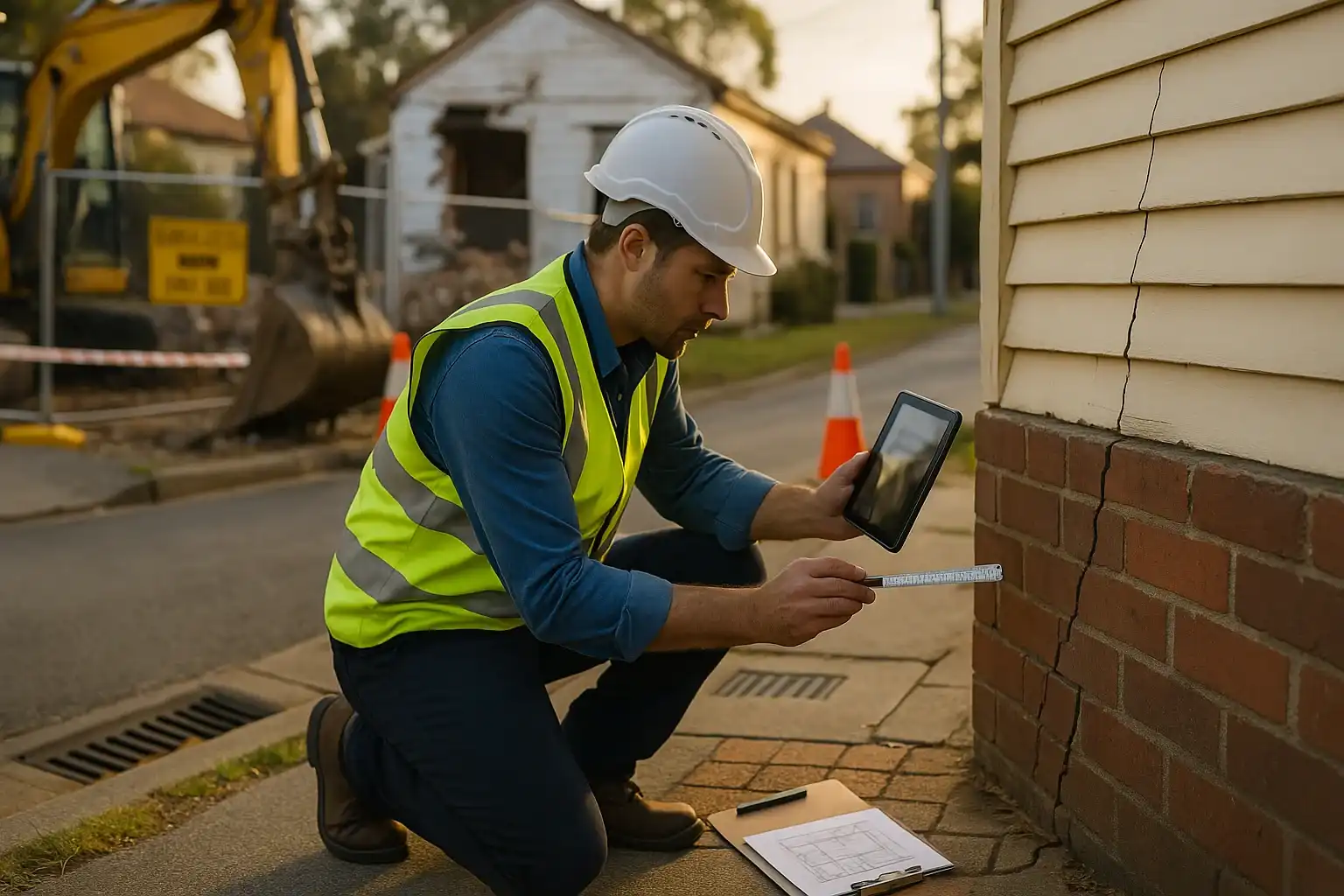
Why Dilapidation Reports Are Essential Before Demolition
A dilapidation report before demolition records the existing condition of neighbouring properties and public assets, creating a baseline that protects builders, developers, and property owners from costly disputes. This guide covers when these reports are required in NSW and VIC, what inspectors document, costs, and the full pre- and post-demolition workflow.
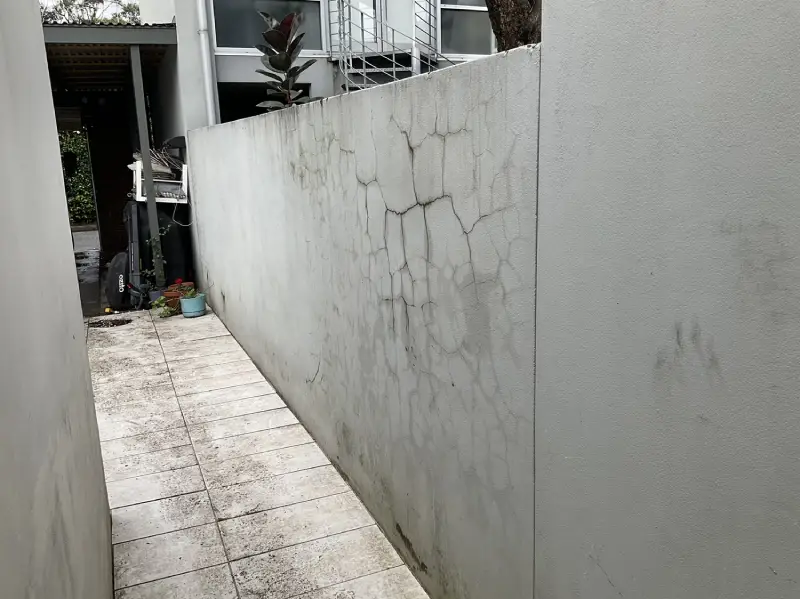
Dilapidation Reports for Insurance Claims: Why They Matter
A dilapidation report documents a property's condition before and after nearby construction work, providing strong evidence for insurance claims. This guide covers what reports include, Australian standards, and how they protect property owners from disputes and financial loss.
Planning a renovation and need a dilapidation inspection? Owner Inspections provides independent, detailed dilapidation reports across NSW, Victoria, and Queensland. Our licensed inspectors document the condition of surrounding properties to protect you from disputes and satisfy council requirements. Get a quote today or call us on 1300 471 805.