
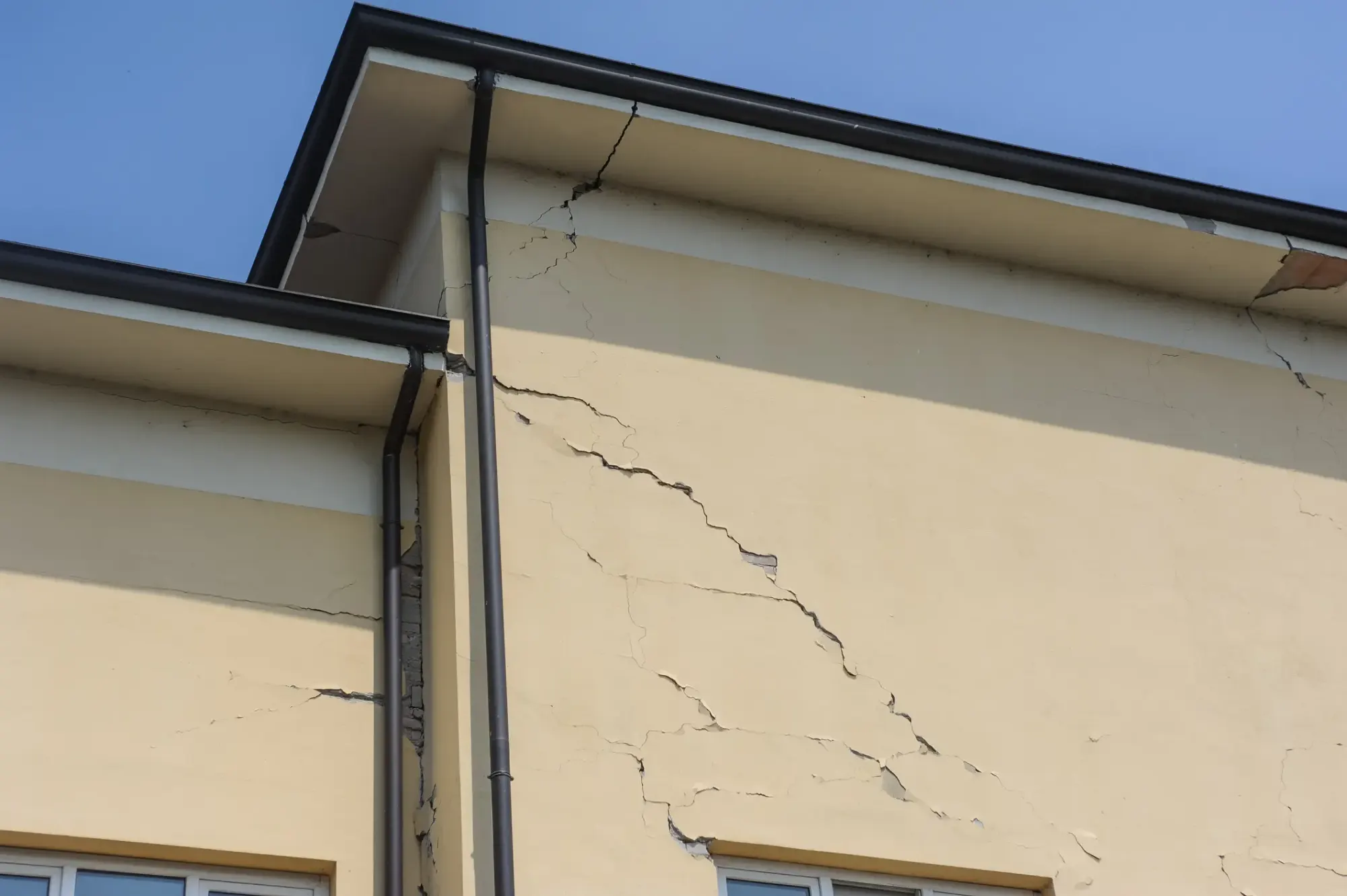
A dilapidation inspection is an independent assessment that documents a property's condition before and after nearby construction, excavation, or demolition work. In Australia, these inspections protect property owners by creating a formal record of any structural or surface changes that occur as a result of adjacent works. If damage is caused by a neighbouring construction project, the dilapidation report provides the evidence needed to support a compensation claim or resolve a dispute. The inspection is typically conducted by a licensed building inspector or engineer and covers structural elements, visible surfaces, shared structures such as fences and driveways, and safety compliance.
Property owners, developers, builders, real estate agents, and commercial property managers all benefit from dilapidation inspections. Without one, proving that damage was caused by construction activity rather than pre-existing wear becomes extremely difficult. Australian building regulations in multiple states emphasise the importance of both pre-construction and post-construction property assessments to maintain accountability and minimise risk.
What Is a Dilapidation Inspection?
A dilapidation inspection is an independent property assessment conducted before and/or after construction or excavation work takes place nearby. It identifies any structural damage or deterioration that may have occurred as a result of the construction process.
A pre-construction dilapidation report documents the property's condition before work begins. A post-construction report provides an updated record after the work is completed. Comparing the two reveals whether any damage has occurred and provides clear evidence for claims or disputes.
Key Elements Documented
- Structural integrity: Walls, ceilings, floors, and foundations assessed for stability and movement
- Visible damages: Cracks, subsidence, water seepage, and surface deterioration documented in detail
- Shared structures: Fences, driveways, retaining walls, and common walls examined for potential damage
- Safety compliance: Defects that could pose hazards or legal concerns identified and recorded
Why Dilapidation Inspections Are Important
Protection for Property Owners and Developers
Property owners can protect themselves against unwarranted liability claims from neighbours alleging construction-related damage. Developers can use the report to demonstrate that they did not cause damage to adjacent properties. This transparency builds trust among all stakeholders and reduces the risk of prolonged disputes.
Legal and Insurance Considerations
Some Australian councils and insurance providers require a dilapidation report before approving permits or processing claims. The report supports defect liability periods by documenting any damage resulting from construction activity. In disputes, it provides evidence that can determine liability and support compensation claims.
A homeowner who had a pre-construction dilapidation report was able to successfully file an insurance claim for foundation cracks caused by a nearby excavation project. Without the report, proving the damage was caused by the construction would have been difficult.
Preventing Disputes and Costly Repairs
Disputes between builders and property owners frequently arise over structural issues. Clear documentation eliminates uncertainty and gives both parties objective evidence. Property owners who identify issues early can take preventive action, avoiding expensive repairs later.
| Dispute Resolution | Insurance Claims | Legal Protection | |
|---|---|---|---|
| With Dilapidation Report | Clear evidence supports fast resolution | Strong documentation improves claim outcomes | Report is admissible as evidence in court |
| Without Dilapidation Report | No baseline evidence, making resolution difficult | Harder to prove damage was caused by construction | Weaker legal position with no documented condition record |
Key Components of a Dilapidation Report
Photographic Documentation
High-resolution images with timestamps provide a visual record for future reference. Comparison images highlight changes between pre-construction and post-construction conditions, making it straightforward to identify discrepancies.
Structural and Surface Assessments
Inspectors identify hairline cracks, foundation movement, and uneven surfaces that may compromise property stability. They determine whether damages are cosmetic or structural, which helps in estimating accurate repair costs.
Annotated Diagrams and Expert Analysis
Floor plans highlight problem areas and provide a clear overview of impacted sections. Inspectors provide expert observations on damage severity and recommend corrective actions where needed.
Pre-Construction and Post-Construction Comparison
A side-by-side assessment tracks changes over time. This comparison is particularly valuable for insurance claims and legal disputes because it makes it clear exactly what changed and when.
Who Needs a Dilapidation Inspection?
| Why They Need It | Key Benefit | |
|---|---|---|
| Homeowners and Property Buyers | Avoids inheriting unresolved structural issues from prior construction nearby | Prevents unexpected repair costs and protects long-term investment |
| Developers and Builders | Shields against false damage claims from neighbouring properties | Demonstrates due diligence and professionalism |
| Real Estate Agents and Government Bodies | Supports marketing claims and permit compliance | Ensures structural integrity is verified before sale or development approval |
| Commercial Property Managers | Protects shared structures in multi-unit buildings | Reduces liability risk and supports accountability across multiple parties |
Legal Requirements in Australia
Australian building laws require that construction projects do not negatively impact nearby properties. State-specific regulations in Victoria, NSW, and Queensland outline the need for pre-construction and post-construction reports. A dilapidation report is legally recognised evidence in property damage claims and can be used in court proceedings, tribunal hearings, and insurance disputes.
- Some councils require a dilapidation report as a condition of development approval
- Insurance providers may request a report before processing claims for construction-related damage
- The report supports defect liability claims if damage is identified within the statutory period
How the Inspection Is Conducted
Hiring a Qualified Inspector
Choose a licensed, independent inspector with experience in assessing construction-related damages. Check certifications, ask for sample reports, and read client reviews to confirm credibility.
The Inspection Process
On-site assessment
The inspector evaluates structural and surface conditions across the entire property, documenting all findings with photographs and measurements.
Report compilation
Findings are compiled into a detailed report including photos, annotated diagrams, and expert recommendations.
Delivery and review
The report is typically available within 1 to 2 business days. Clients review the findings and decide on any follow-up actions.
Cost of a Dilapidation Inspection
Prices start at AUD $500 plus GST, depending on property size and complexity. The inspection itself typically takes 1 to 3 hours on site. Considering that a single unresolved dispute can cost tens of thousands of dollars, the inspection is a cost-effective form of protection.
Key Takeaways
- A dilapidation inspection documents a property's condition before and after nearby construction to identify any damage caused by the works.
- Pre-construction and post-construction reports are compared to determine whether damage occurred and who is responsible.
- The report is admissible as evidence in court, tribunal hearings, and insurance disputes.
- Property owners, developers, builders, real estate agents, and commercial managers all benefit from dilapidation inspections.
- Some Australian councils require a dilapidation report as a condition of development approval.
- Prices start at $500 plus GST, with on-site inspections typically taking 1 to 3 hours.
- Without a dilapidation report, proving that damage was caused by construction rather than pre-existing wear is extremely difficult.
Frequently Asked Questions
What is the purpose of a dilapidation inspection?
A dilapidation inspection documents a property's condition before and after nearby construction or excavation work. It creates a formal record that can be used to identify damage caused by the construction activity and supports insurance claims, legal disputes, and compensation requests.
Who should get a dilapidation report?
Homeowners near construction sites, builders and developers undertaking projects, property managers of commercial or multi-unit buildings, and local councils. Anyone whose property could be affected by nearby excavation, demolition, or construction work should consider getting a report.
Is a dilapidation inspection legally required in Australia?
It is not universally mandatory, but some councils and insurance companies require a dilapidation report as a condition of development approval or before processing damage claims. Even where not required, it is strongly recommended as a protective measure for all parties involved.
How much does a dilapidation inspection cost?
Prices start at around AUD $500 plus GST, depending on the property's size and complexity. The cost is relatively small compared to the potential expense of unresolved disputes or undetected construction damage, which can run into tens of thousands of dollars.
How long does a dilapidation inspection take?
The on-site inspection typically takes 1 to 3 hours. The detailed report is usually delivered within 1 to 2 business days, giving property owners prompt access to the findings and recommendations.
Can a dilapidation report be used in court?
Yes. A dilapidation report is legally recognised evidence in property damage claims and can be presented in court proceedings, tribunal hearings, and insurance disputes. The detailed photographic documentation and expert analysis make it a strong evidentiary tool.
What is the difference between a pre-construction and post-construction dilapidation report?
A pre-construction report documents the property's condition before any construction work begins. A post-construction report records its condition after the work is completed. Comparing the two allows inspectors to identify any changes or damage that occurred during the construction period.
Do developers need a dilapidation report?
Yes. Developers benefit from dilapidation reports because they provide evidence that adjacent properties were not damaged by the construction work. This protects developers from false claims and demonstrates due diligence in managing their project's impact on surrounding properties.
What happens if construction damage is found in the post-construction report?
If the comparison between pre-construction and post-construction reports reveals damage, the property owner can use the report to pursue compensation from the responsible party, lodge an insurance claim, or seek dispute resolution through a tribunal or court.
How do I choose a qualified dilapidation inspector?
Look for a licensed, independent building inspector with specific experience in dilapidation assessments. Verify their certifications, ask for sample reports, read client reviews, and confirm they carry professional indemnity insurance. An inspector familiar with your state's building regulations will provide the most relevant and legally sound report.
References and Resources
- NSW Fair Trading - Building and Renovating - Building regulations and property protection in NSW
- Victorian Building Authority (VBA) - Building regulations and inspections in Victoria
- Queensland Building and Construction Commission (QBCC) - Construction standards and dispute resolution in QLD
- National Construction Code (NCC) - Australian building standards and compliance
Related Articles

Independent Dilapidation Report Services: Why You Need One
Independent dilapidation reports provide unbiased, third-party assessment of property condition before and after construction, preventing legal and financial conflicts.
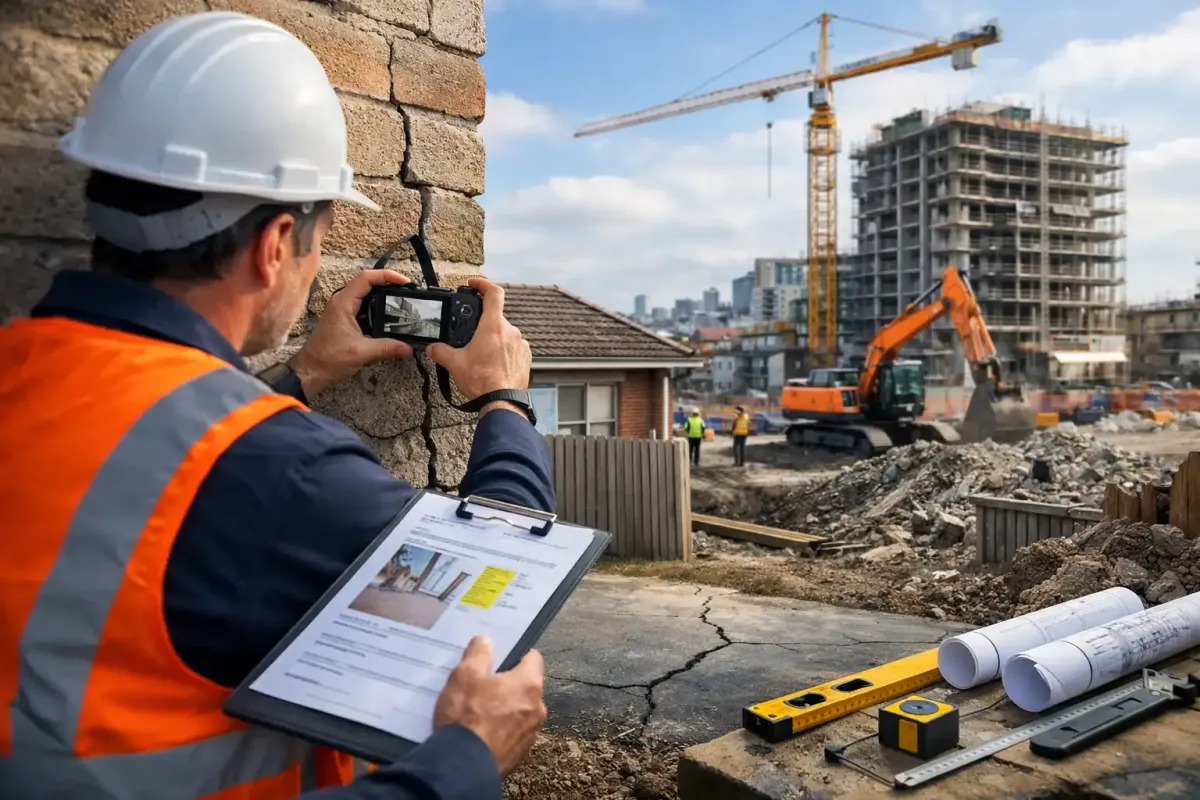
The Importance of Dilapidation Reports for Property Safety
A dilapidation report documents the existing condition of a property before nearby construction or demolition begins. This guide explains when reports are required, what they include, and how they protect property owners from damage disputes.
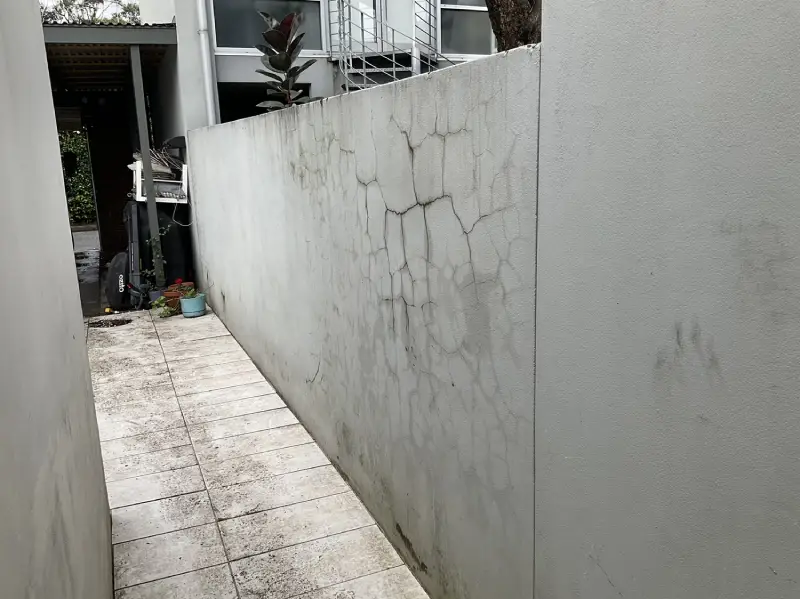
Dilapidation Reports for Insurance Claims: Why They Matter
A dilapidation report documents a property's condition before and after nearby construction work, providing strong evidence for insurance claims. This guide covers what reports include, Australian standards, and how they protect property owners from disputes and financial loss.
Planning construction near neighbouring properties? Or is construction happening near yours? Owner Inspections provides independent dilapidation inspections across NSW, Victoria, and Queensland. Our licensed inspectors document property conditions with detailed photographic reports that hold up in court and support insurance claims. Book a dilapidation inspection or call us on 1300 471 805.