
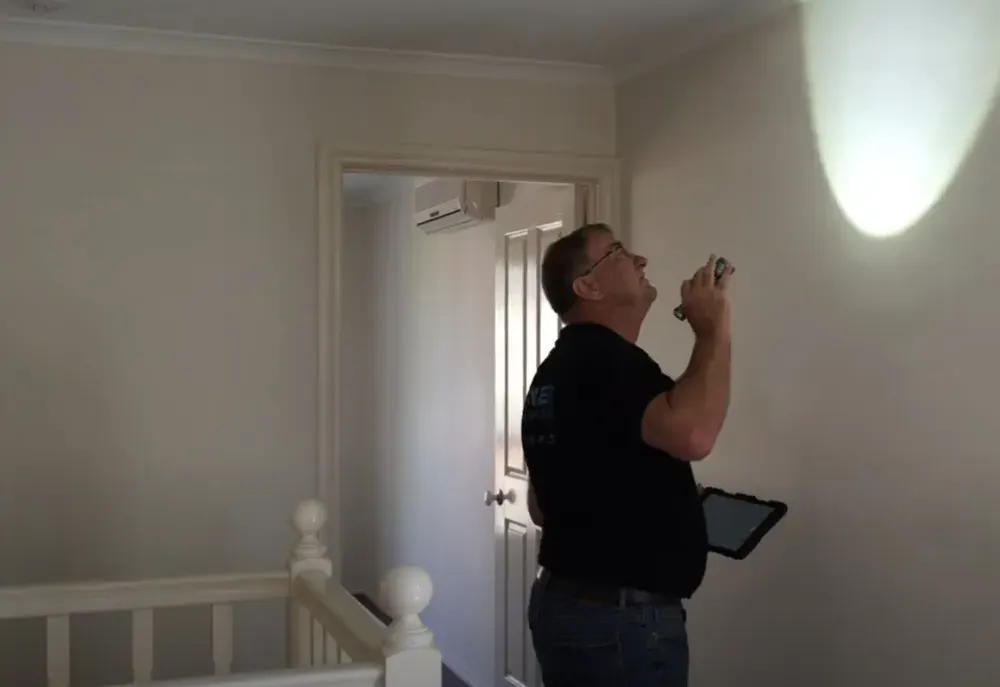
Building a new home is one of the largest financial commitments most Australians will make. Yet without independent oversight, construction defects can be missed by the builder's own quality checks and only surface months or years after handover. Construction stage inspections provide a structured way to verify that work meets the National Construction Code (NCC), applicable Australian Standards, and the terms of the building contract at each stage. The stories below show what this looks like in practice.
Why Do Construction Stage Inspections Matter so Much in Australia?
Each stage of construction builds on the previous one. If a defect at the slab stage goes undetected, it becomes hidden once the frame is erected. If frame defects are missed, they disappear behind plasterboard. By the time you receive the keys, any underlying problems are invisible, and fixing them becomes significantly more expensive.
Stage inspections matter so much in Australia, because:
- Once work is covered up, the cost and effort to fix it usually jumps.
- “Minimum compliance” checks are not the same as an independent workmanship check.
- Waterproofing and water ingress defects are common and expensive when missed.
- Quality issues are not rare across Australian housing stock, so owners benefit from evidence based checks.
QWhat is a Construction Stage Inspection?
It is an independent inspection at key milestones during a build. Its goal is to identify defects while they are visible, document them clearly, and give the owner something practical to send to the builder.
Many inspection reports in Australia follow visual inspection guidelines such as AS 4349.1 for residential buildings (plus relevant standards for the stage and element being assessed).
| What Is Checked | Why It Matters | |
|---|---|---|
| Slab Stage | Slab dimensions, levels, surface finish, reinforcement placement, and plumbing rough-in | Foundation defects can cause cracking, movement, and structural failure throughout the building's life |
| Frame Stage | Timber or steel framing, bracing, tie-downs, window and door openings, and roof framing | Frame defects affect structural integrity and become hidden once cladding and plasterboard are installed |
| Lock-Up Stage | External cladding, roofing, windows, doors, weatherproofing, insulation, and sarking | Weatherproofing and insulation defects lead to water damage, mould, and energy inefficiency |
| Pre-Handover | All finishes, fixtures, fittings, painting, tiling, plumbing, electrical, and overall workmanship | Last opportunity to identify defects before taking possession and starting the warranty clock |
Building now? Learn what each inspection stage covers before defects get hidden.
Evidence-Backed Case Studies From Real Customers
What does a construction stage inspection look like when there is real pressure, real risk, and a real build timeline to meet? These case studies are based on verified Google reviews from Owner Inspections clients and show how inspections can help at different points of the building journey. From pre slab deadlines to PCI concerns and full stage inspection support, each example gives readers a clearer picture of the situation, what was done, and the result.
Case Study 1: Last Minute Pre Slab Check That Stopped Defects Being Buried
Client: Kay C | Location: New South Wales | Service: Pre Slab Pour Inspection (New Home Build)
Ever had a builder tell you the slab is pouring tomorrow and you’ve got one shot to check everything before it disappears under concrete? That’s exactly the pressure Kay faced. This case study shows how a last minute booking can still deliver a clear defects list fast enough to protect the most permanent part of the home.
The challenge: The slab pour is one of the tightest deadlines in a build because once trades are booked, the site can move from “ready” to “poured” very quickly. Kay booked at the last minute, which is common when owners get short notice. This stage matters because items like reinforcement, pods, mesh placement and service penetrations can be locked in under concrete if they are not checked properly.
What happened: Kay said Owner Inspections still managed to fit the inspection in without delay. The inspection was thorough, and the report arrived within four hours, which meant the defects could be sent straight to the site supervisor while the setup was still visible and fixable. Kay noted that the concreter was able to make the necessary fixes the very next day.
The outcome: Defects were raised at the right time, before concrete covered the work, which helped protect the long term quality of the home’s base. Kay also described the experience as peace of mind and professional support at a critical construction stage.
I recently hired Owner Inspection for a pre-slab pour inspection on our new home build, and I couldn't be happier with the service. Despite booking at the last minute, they were incredibly accommodating and managed to fit us in without delay.
The inspection was thorough, and we received the detailed report within just four hours, an impressive turnaround. Thanks to their efficiency, we were able to send the identified defects straight to our site supervisor, allowing the concreter to make the necessary fixes the very next day.
Highly recommend their service for anyone building a home who wants peace of mind and professional support during critical construction stages.
Review link: Read Kay’s Google feedback
Case Study 2: Pre Slab Inspection With Clear Advice and a Report You Can Act On
Client: Gopal Katwal | Location: Queensland | Service: Pre Slab Inspection
A pre slab inspection is one of the most time sensitive checks in a new build because once concrete is poured, the chance to fix hidden issues becomes much harder and more expensive. Gopal’s experience shows why a careful inspector, clear communication, and a timely report can make this stage far less stressful for owners.
The challenge: Pre slab inspections happen at a point where there is little room for delay. Owners need to know that the inspection will be detailed enough to catch issues before the pour, but also explained in a way that makes sense if they are not familiar with construction. At this stage, confidence matters because anything missed can end up buried under concrete.
What happened: Gopal said Owner Inspection carried out the pre slab inspection with a high level of professionalism, and that Babak Nasirpour was thorough, knowledgeable, and easy to understand. He took the time to explain everything in detail, which helped make the process clearer and less overwhelming. Gopal also noted that the report was clear, easy to follow, and delivered in a timely manner.
The outcome: The inspection gave Gopal confidence that nothing had been overlooked before the slab was poured. Just as importantly, the clear report and detailed explanations made it easier to understand the condition of the work and what needed attention. The review highlights the value of having an inspector who is both technically strong and able to communicate clearly at a critical build stage.
"I recently used Owner Inspection for a pre-slab inspection, and I couldn't be more pleased with the service. Babak Nasirpour was the inspector assigned to my property, and he was thorough, professional, and incredibly knowledgeable. He took the time to explain everything in detail.
Babak’s attention to detail gave me confidence that nothing was overlooked. The report was clear, easy to follow, and delivered in a timely manner. Overall, I’m very impressed with Owner Inspection and would definitely recommend Babak and this company for anyone in need of a reliable and thorough inspection service..
Review link: Read Gopal’s Google feedback
Case Study 3: PCI Support When Workmanship Concerns Felt Dismissed
Client: Nathisha Paramasivam | Location: Victoria | Service: PCI (Practical Completion Inspection)
PCI is where many owners feel cornered. You are told the home is “basically finished” while you can see things that don’t look right, but you can’t always prove it. Nathisha’s experience shows what changes when you have an independent inspector who knows what to look for and is willing to raise issues directly on site.
The challenge: A delayed, stressful build can make owners feel like they are being talked into accepting workmanship that does not sit right, especially if you cannot name the problem clearly. Nathisha described the pressure of not knowing what to look for and feeling gaslit into believing poor workmanship was acceptable. At PCI, this pressure spikes because it is often the last structured checkpoint before handover decisions start to carry more weight.
What happened: Nathisha said the PCI inspector, Kosie Touretsoglou, was empathetic, extremely thorough, and had their best interests in mind. The review also noted he raised concerns directly with the site supervisor on the day, firmly, which helped Nathisha feel the issues were being taken seriously. They also provided constructive feedback about the booking and back office experience not always matching the inspector’s professionalism.
The outcome: Nathisha left the PCI with more confidence, clearer evidence to support defect discussions, and the feeling of having an independent advocate on site. They also said they would recommend Owner Inspections to clients in their financial planning practice who are buying family homes and investment properties.
We are ex-Porter Davis clients now getting our property finished with Simonds Property, and the build has been delayed and stressful. When you have no idea what you’re looking for and start to feel gaslit into believing poor workmanship is “acceptable,” it’s a huge relief to have someone independent advocating for you and checking the build quality.
Our PCI inspector, Kosie Touretsoglou, was empathetic, extremely thorough, and genuinely had our best interests at heart. He went as far as raising his concerns directly (and firmly) with our Site Supervisor on the day, which gave us confidence that issues were being taken seriously. For people like us, who don’t have experience in the building world, having someone with his knowledge and professionalism in our corner was invaluable.
If we were to give any constructive criticism, it would be that the back-office/booking department could improve — we didn’t always experience the same level of professionalism and advocacy that the inspectors themselves displayed.
Overall, though, we had a great experience. We’ll definitely be recommending Owner Inspections to clients at my financial planning practice who are buying family homes and investment properties.
Review link: Read Nathisha’s Google feedback
Case Study 4: Five Stage Inspections for Peace of Mind From Slab to Handover
Client: Vin | Location: Victoria | Service: Five stage inspections across the full build
A lot of owners only think about inspection right before handover, but defects often start earlier and get covered up as the build moves from slab to frame to linings and finishes. Vin wanted consistent independent checks across five key stages so issues could be found early, documented clearly, and followed through rather than building up into a stressful end of project scramble.
The challenge: A lot of owners only think about inspection right before handover, but defects often start earlier and get covered up as the build moves from slab to frame to linings and finishes. Vin wanted consistent independent checks across five key stages so issues could be found early, documented clearly, and followed through rather than building up into a stressful end of project scramble.
What happened: Vin said Owner Inspections handled all five stages at a reasonable cost, with professional, flexible service from start to finish. The reports were described as very detailed and delivered quickly, which matters when builders are moving to the next trade. Vin also called out specific team members for genuine care and customer support, and highlighted inspectors who went the extra mile to find issues and report them clearly.
The outcome: Vin described the build journey as smoother and more stress free because each stage had a clear quality checkpoint. The key benefit was ongoing peace of mind at every stage, plus stronger confidence that issues were being picked up and managed before handover.
I had Owners Inspection handle all the critical 5 stages of my house construction inspection, and I couldn’t be more pleased with their service and the resonable cost. From start to finish, they were professional, flexible, and provided incredibly detailed reports that made the entire process seamless and stress-free.
What stood out the most was how approachable and personable the entire team was. A huge thank you to Elena and Maria V for the genuine care and customer support, Ty Pearson and Brendon for going extra mile and finding all the issues and for providing detailed inpection report in swift speed, Des for assigning me to the right people, and everyone involved for taking such great care of me throughout this journey. Their dedication and attention to detail ensured everything went smoothly, giving me peace of mind at every stage.
If you're looking for a team that not only knows their stuff but also genuinely cares, I highly recommend Owners Inspection. Thank you for making this experience such a positive one!
Also, to the management of Owners Inspection, it’s dedicated staff like this that truly uphold the company’s reputation and makes a difference in peoples life.
Finally, I also came across some negative reviews, but I’m 100% confident they aren’t genuine—there will always be haters who dont work in collaboration and all they do is blame. Keep up the great work and don’t let the negativity get to you!
And yeah, I dint get paid a single $ to write this review, it comes from heart.
Review link: Read Vin’s Google feedback
Want to know what happens after defects are found and how to handle the next step with your builder?
Common Defects Found During Construction Stage Inspections
Based on these case studies and broader inspection experience, the most common defects identified during construction stage inspections include:
- Slab surface defects including cracking, poor finish, and incorrect levels
- Frame alignment issues, missing bracing, and inadequate tie-downs
- Weatherproofing gaps including flashing defects, sarking issues, and unsealed window frames
- Insulation gaps or incorrect R-values for the climate zone
- Plumbing rough-in errors and drainage issues
- Finishing defects including paint, tiling, cabinetry, and fixture installation problems at pre-handover
What to Do When a Stage Inspection Finds Defects
A simple owner action plan
Read the report and sort defects by priority
Start by reviewing the inspection report carefully and grouping each item by urgency. Separate defects into safety related issues, NCC and standard compliance issues, and workmanship or finish issues. This makes it easier to focus on what needs immediate action and what can be tracked as lower priority.
Email the builder with a clear defect list
Send the report to the builder as soon as possible. Attach the inspection report, list the items you want rectified, and ask for written confirmation that the defects have been received. It also helps to request proposed dates for when each item will be fixed so there is a clear record of the next steps.
Book a reinspection if the work needs to be checked again
If major defects were identified or the next construction stage will cover the area, arrange a reinspection before work continues. This helps confirm the rectification has actually been completed and avoids problems being hidden behind concrete, plasterboard, waterproofing, or finishes.
Keep all records and conversations in writing
Save everything connected to the defect process in one place. This includes reports, site photos, builder replies, variation discussions, and site meeting notes. A clear paper trail makes it easier to track progress, follow up unresolved items, and protect your position if there is a dispute later.
Owner Inspections also explains typical rectification flow and timing expectations after defects are found.
The Value of Independent Inspections
Pros
- Defects are caught and fixed during construction, when rectification is cheapest
- Professional reports provide documented evidence for discussions with the builder
- Homeowners gain a clear understanding of construction quality at each stage
- The builder knows their work is being independently verified, which can improve overall quality
Cons
- Defects become hidden as construction progresses and are only discovered after completion
- Rectification costs increase significantly once finishes are in place
- Warranty disputes become harder to resolve without documented evidence from each stage
- Homeowners rely entirely on the builder's own quality checks, which may not be independent
Ready to book an inspection for your next construction stage and get an independent report you can act on?
Key Takeaways
- Construction stage inspections catch defects at slab, frame, lock-up, and pre-handover stages before they become hidden.
- Real client experiences show that independent inspections regularly identify defects that would otherwise go unnoticed.
- Early defect detection can save homeowners tens of thousands of dollars in post-completion repair costs.
- Detailed inspection reports improve communication between homeowners and builders by providing documented evidence.
- Independent oversight gives homeowners confidence that their new home meets Australian building standards and the NCC.
- Follow-up inspections confirm that rectification work has been completed to the required standard.
- Choosing a qualified, licensed inspection provider with a strong track record is one of the smartest decisions a new home builder can make.
Frequently Asked Questions
What are construction stage inspections?
Construction stage inspections are independent quality checks carried out at key milestones during a new home build. The typical stages inspected are slab (or pre-pour), frame, lock-up (pre-plaster), and pre-handover (final). Each inspection verifies that the work completed meets the National Construction Code, Australian Standards, and the building contract requirements.
Why should I get an independent inspection instead of relying on the builder?
An independent inspector works for you, not the builder. Their assessment is unbiased and focused on identifying any defects or non-compliance. Builders carry out their own checks, but an independent set of eyes provides additional assurance and documented evidence that you can use if issues arise later.
What happens if defects are found during a construction stage inspection?
The inspection report documents each defect with photographs, descriptions, and recommendations. You share this report with your builder, who is then required to rectify the issues before construction proceeds to the next stage. A follow-up inspection can confirm that the work has been corrected.
How much do construction stage inspections cost?
Individual stage inspections typically start from approximately $490 AUD per inspection. Many homeowners choose a package that covers all stages at a reduced combined rate. The cost varies depending on the property's size and complexity.
At which stages should I get an inspection during a new build?
The recommended stages are slab (before the concrete is poured or immediately after), frame (before cladding is installed), lock-up (before internal linings go up), and pre-handover (before you receive the keys). Some homeowners also add a pre-slab and waterproofing inspection for additional assurance.
Can I attend the inspection with the inspector?
Yes, many homeowners choose to attend the inspection. Being present allows you to see the findings firsthand and ask the inspector questions about any issues identified. However, attending is not required, as the written report documents everything in detail.
What are the most common defects found during construction stage inspections?
Common findings include slab cracking and level issues, frame alignment problems, missing bracing, weatherproofing gaps, insulation defects, plumbing rough-in errors, and finishing defects such as paint, tiling, and fixture installation problems.
Will the builder object to an independent inspection?
Most builders accept independent inspections as a standard part of the process. In fact, many builders welcome the additional oversight as it helps catch issues early and avoids more costly rectification later. If a builder objects, this may itself be a warning sign.
How soon after an inspection do I receive the report?
Reports are typically delivered within 24 to 48 hours of the on-site inspection. They include detailed photographs, defect descriptions, and recommendations for rectification.
Does Owner Inspections cover all states in Australia?
Owner Inspections provides construction stage inspections across New South Wales, Victoria, and Queensland. Our licensed inspectors cover metropolitan and regional areas in all three states.
References and Resources
- National Construction Code (NCC) - Australian Building Codes Board
- Victorian Building Authority (VBA) - Building standards and practitioner registration in Victoria
- NSW Fair Trading - Home Building - Home building regulations and consumer protections in NSW
- Queensland Building and Construction Commission (QBCC) - Building standards, licensing, and warranties in QLD
Related Articles
Construction Stage Inspections: A Comprehensive Guide
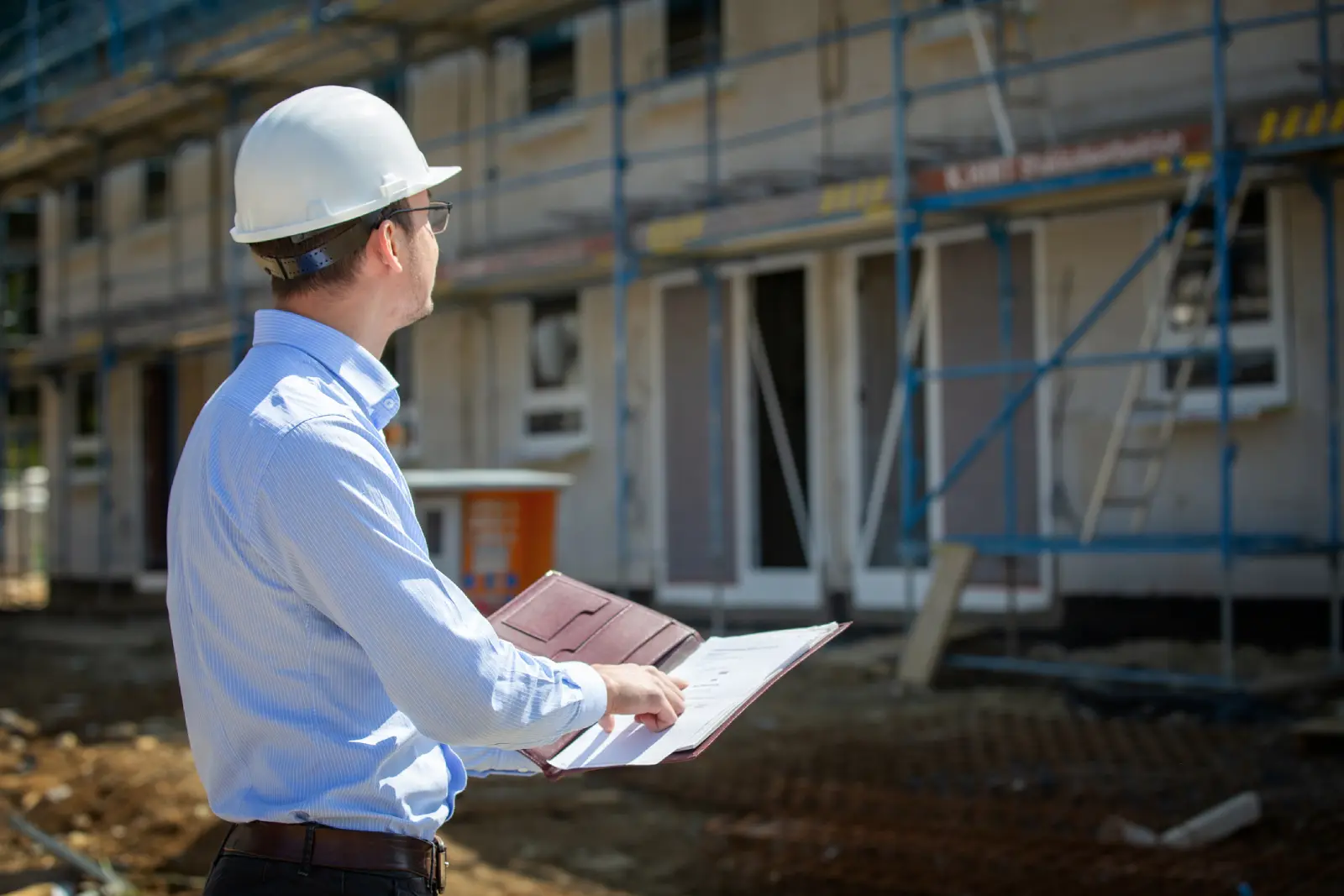
Quality in Construction Stage Inspections
Construction stage inspections provide independent assessments at each building phase to ensure compliance with Australian Standards and the National Construction Code. This guide covers all five key stages, who conducts them, and their benefits.
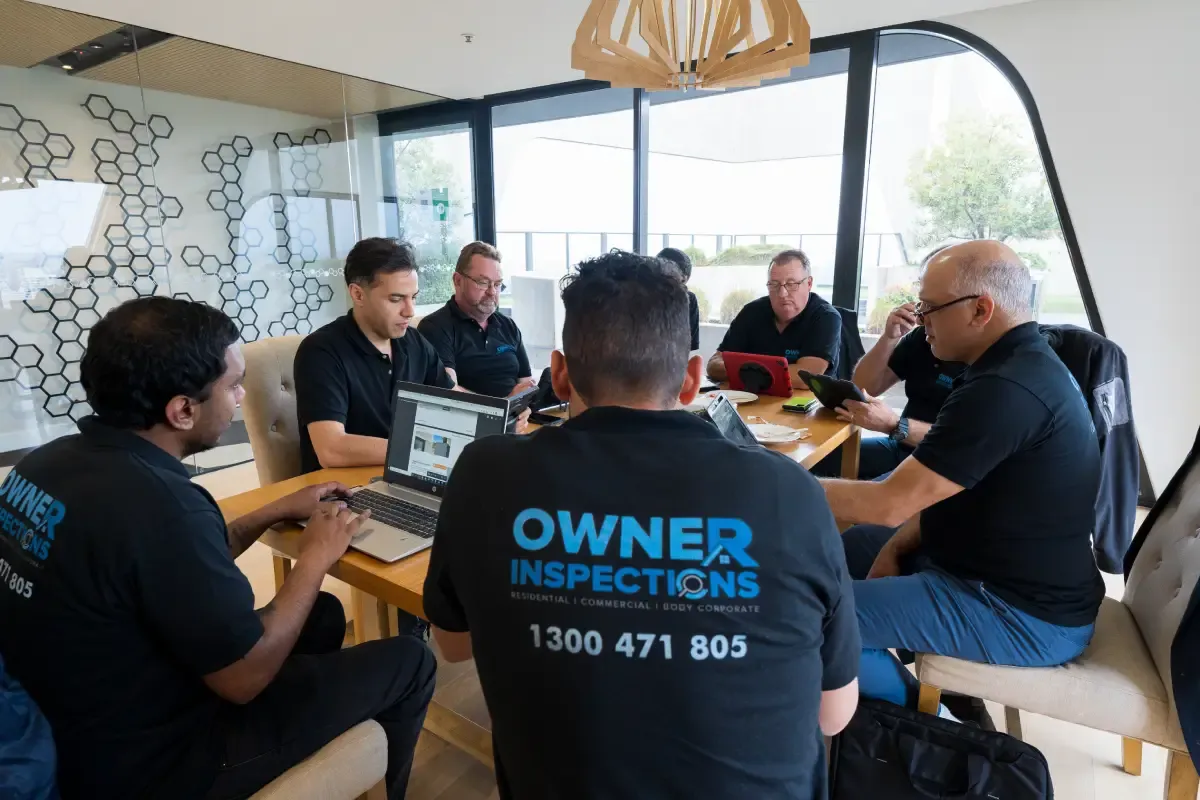
Independent Construction Inspections: Why They Matter
Independent construction inspections provide unbiased assessments of build quality and compliance. Learn why third-party inspections protect homeowners and investors.
Need Construction Stage Inspections?
Our licensed inspectors cover Sydney, Melbourne, and all major Australian cities.