

While buying off the plan can offer significant financial benefits and the appeal of a brand-new home, it also comes with risks that every buyer should understand. This guide breaks down the key advantages and disadvantages to help you make an informed decision.
What Does Buying Off the Plan Mean?
When you buy off the plan, you are entering into a contract to purchase a property that has not yet been completed. The developer provides plans, specifications, and often a display suite or 3D renderings to give buyers an idea of what the finished product will look like. You typically pay a deposit upfront, with the remaining balance due upon completion of the build. Settlement occurs once the property is finished and ready for occupation.
This type of purchase is common for apartments, townhouses, and house-and-land packages in new developments across Australia.
Advantages of Buying Off the Plan
Secure Today's Prices
One of the most significant advantages of buying off the plan is the ability to lock in a purchase price at today's market value. If property prices rise during the construction period, which can span one to three years or more, you may end up with a property worth more than what you paid for it. This potential for capital growth is a major drawcard for both homebuyers and investors.
Stamp Duty Savings
In many Australian states and territories, buyers of off-the-plan properties can access stamp duty concessions or exemptions. These savings can amount to thousands of dollars, making the purchase more affordable. The exact concessions vary depending on the state or territory, the value of the property, and whether the buyer is an owner-occupier or investor. It is important to check the current stamp duty rules in your jurisdiction before committing.
Time to Save
The extended period between signing the contract and settlement gives buyers additional time to save money towards the final purchase price or to build up a financial buffer. This can be particularly helpful for first-home buyers who may need extra time to accumulate savings beyond the initial deposit.
Customise Your Home
Many developers offer buyers the opportunity to customise certain aspects of their new home during the construction phase. This can include choosing colour schemes, fixtures, fittings, flooring, and sometimes even layout modifications. Having input into the design means your home can better reflect your personal style and preferences without the need for costly renovations after moving in.
Brand-New Property with Lower Maintenance
A brand-new property typically comes with builder warranties and should not require significant maintenance in the early years. Everything from the plumbing and electrical systems to the appliances and finishes is new, reducing the likelihood of unexpected repair costs. In most Australian states, new homes are covered by statutory warranties that protect against structural defects for a set period.
High Rental Yield Potential
For investors, off-the-plan properties can offer attractive rental yields. New properties tend to appeal to tenants due to modern designs, updated amenities, and energy-efficient features. Additionally, depreciation benefits on a new property can provide tax advantages for investors.
Enter New Developments Early
Buying off the plan allows you to secure a property in a new development before it is available to the general market. Early buyers often have first pick of the best positions, views, and floor plans within a development. Some developers also offer early-bird pricing or incentives to attract initial buyers.
Less Stressful Moving Process
Since you know the approximate completion date well in advance, you can plan your move with less urgency compared to buying an established property. There is no need to rush settlement or coordinate with a seller's timeline. This allows you to organise your finances, arrange removalists, and prepare for the transition at your own pace.
Disadvantages of Buying Off the Plan
Construction Delays
One of the most common frustrations with buying off the plan is the risk of construction delays. Building projects can be held up by weather events, supply chain disruptions, labour shortages, or regulatory issues. These delays can push back your move-in date by months or even years, which can be particularly problematic if you have made plans around the expected completion date.
Uncertain Market Conditions
The property market can change significantly between the time you sign the contract and the time the property is completed. If property values decline during the construction period, you may end up paying more than the property is worth at settlement. This negative equity situation can also make it harder to secure finance, as lenders may revalue the property at a lower amount than the original purchase price.
Risk of Changes from Plans
The finished product may not exactly match the plans, artist impressions, or display suite that you based your purchase decision on. Developers may make changes to specifications, materials, or finishes during construction. While contracts typically outline what the developer is and is not permitted to change, there can be discrepancies between what was promised and what is delivered. It is essential to review the contract carefully and understand the developer's rights to make variations.
Limited Ability to Inspect Before Purchase
Unlike buying an established property, you cannot physically walk through the home and inspect every detail before committing. You are relying on plans, specifications, and the developer's reputation. While you will have the opportunity to conduct a pre-settlement inspection before final payment, this comes at the end of the process, and any issues discovered at that stage can be difficult to resolve.
Financial Risks and Mortgage Challenges
Securing a mortgage for an off-the-plan property can be more complex than for an established home. Lenders may apply stricter criteria, and your financial situation could change between signing the contract and settlement. If your income drops, your expenses increase, or lending policies tighten, you may face difficulty obtaining final approval. This could put your deposit at risk if you are unable to settle.
Developer Reliability
The success of your off-the-plan purchase is heavily dependent on the developer. If the developer encounters financial difficulties, the project could be delayed, reduced in scope, or in the worst case, cancelled altogether. Researching the developer's track record, financial stability, and history of completed projects is critical before committing.
No Immediate Rental Income
For investors, there is no rental income during the construction phase. You may be paying interest on a construction loan or tying up funds in a deposit without any return until the property is completed and tenanted. This can affect your cash flow and overall investment returns.
Body Corporate Fees
If you are buying an off-the-plan apartment or townhouse, you will be subject to body corporate (strata) fees once the property is completed. These fees cover the maintenance and management of common areas and can be substantial, particularly in developments with extensive shared amenities such as pools, gyms, and concierge services. The estimated fees provided during the sales process may not accurately reflect the actual costs once the building is operational.
Making an Informed Decision
Buying off the plan can be a rewarding experience if approached with careful research and realistic expectations. Before committing, consider the following steps:
Research the developer thoroughly: Look into their track record, past projects, financial stability, and reputation within the industry
Review the contract with a solicitor: Have a qualified property lawyer review the contract of sale, paying particular attention to sunset clauses, the developer's right to make changes, and your rights if the project is delayed or cancelled
Understand your financial position: Ensure you can meet your financial obligations at settlement, even if your circumstances change. Get pre-approval from your lender and understand the conditions
Arrange a pre-settlement inspection: Before settling, have a professional building inspector examine the property to identify any defects or issues that need to be addressed by the developer
Consider the location and market: Research the area, including planned infrastructure, demographic trends, and supply levels to assess the long-term prospects of your investment
A professional pre-settlement inspection is essential when buying off the plan. It ensures that the property has been built to the agreed specifications and identifies any defects before you settle.
Frequently Asked Questions
What should I look for when researching an off-the-plan developer?
Look into the developer's history of completed projects, check for any legal disputes or complaints, review the quality of their previous builds, and assess their financial stability. Speaking with previous buyers and reading independent reviews can provide valuable insights. You can also check the developer's registration with relevant state authorities.
How can I ensure the property is built as promised?
Have a solicitor review the contract to understand what the developer is obligated to deliver. Request detailed specifications and keep copies of all marketing materials. Before settlement, arrange a professional pre-settlement inspection to compare the finished product against the agreed plans and specifications.
What happens if the developer goes bankrupt?
If a developer becomes insolvent, the project may be taken over by another developer, delayed significantly, or cancelled. Your deposit should be held in a trust account as required by law, which provides some protection. However, recovering your deposit can be a lengthy legal process. This is why researching the developer's financial stability before signing is so important.
What fees should I be aware of when buying off the plan?
Beyond the purchase price, you should budget for stamp duty (even with concessions), legal fees, loan application fees, building and pest inspection costs, body corporate fees (for apartments and townhouses), and any costs associated with customising finishes. There may also be connection fees for utilities in a new development.
What insurance do I need when buying off the plan?
The developer should have construction insurance during the building phase. Once the property is completed and you settle, you will need to arrange your own building insurance (or confirm it is covered under the body corporate policy for apartments). Contents insurance is also recommended from the date you move in or the property is tenanted.
Can I make changes to the property after signing the contract?
This depends on the developer and the stage of construction. Some developers allow changes to colour schemes, fixtures, and fittings within a certain window, often for an additional cost. Structural changes are generally not permitted once construction has commenced. Any agreed changes should be documented in writing as a variation to the contract.
What is a sunset clause?
A sunset clause is a provision in the contract that sets a deadline for the completion of the property. If the property is not completed by this date, either party may have the right to rescind the contract. It is important to understand how the sunset clause works in your state, as some jurisdictions have introduced laws to prevent developers from using sunset clauses to cancel contracts and resell at higher prices.
How does buying off the plan affect my mortgage?
Lenders may provide conditional approval at the time of purchase, but final approval is typically subject to a valuation of the completed property and confirmation of your financial position at settlement. If the property is valued lower than the purchase price or your financial circumstances have changed, you may need to provide additional funds or face the risk of not being able to settle.
What can I do if there are defects after moving in?
Most new properties in Australia are covered by statutory warranties that protect against structural defects and workmanship issues for a set period. Document any defects thoroughly with photographs and written descriptions, and notify the developer or builder in writing as soon as possible. If the builder fails to rectify the defects, you may be able to pursue a claim through your state's consumer protection body or building disputes tribunal.
Should I get independent legal advice before signing an off-the-plan contract?
Absolutely. Off-the-plan contracts are often complex and heavily favour the developer. An independent property solicitor or conveyancer can explain your rights, highlight potential risks, review sunset clauses and variation provisions, and ensure you understand your obligations. This is one of the most important steps you can take to protect yourself when buying off the plan.
Key Takeaways
- Buying off the plan means purchasing a property before construction is complete, based on plans and specifications
- Key advantages include locking in today's prices, stamp duty savings, time to save, customisation options,and a brand-new property with lower maintenance
- Key disadvantages include construction delays, uncertain market conditions, risk of changes from plans, limited inspection ability, and financial risks
- Researching the developer's track record and financial stability is essential before committing
- Always have a solicitor review the contract and arrange a professional pre-settlement inspection before settling
- Understand the sunset clause, your mortgage obligations, and body corporate fees before signing
References and Resources
Related Articles

Pre-Purchase Inspection Checklist for Buyers
A pre-purchase inspection checklist helps buyers assess property condition before committing. Covers structural, electrical, plumbing, roofing, and pest checks.
Understanding Pre-Handover Inspections: A Guide for Homebuyers
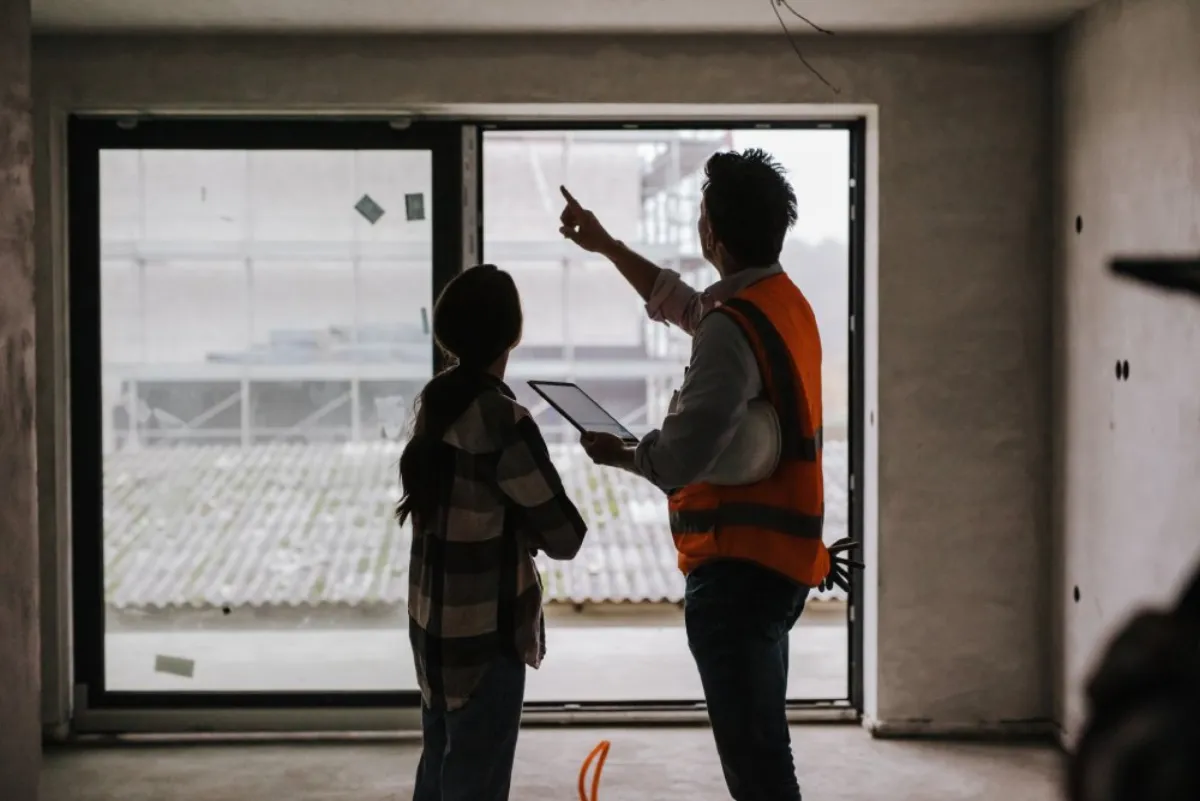
What You Need to Know About Pre-Settlement Inspections
A pre-settlement inspection is your final opportunity to verify that a property is in the agreed condition before you complete the purchase. This guide covers what to check, who should conduct it, and a comprehensive checklist to follow.
Protect Your Off-the-Plan Purchase
Book a pre-settlement inspection with Owner Inspections to ensure your off-the-plan property has been built to the agreed specifications before you settle.