






Building a new home is one of the most significant investments you will make in your lifetime. A pre-handover inspection, also known as a Practical Completion Inspection (PCI) or New Home Presentation, represents your final opportunity to verify that your new home meets contract specifications, complies with Australian building standards, and is ready for occupancy before you take possession and make the final payment.
This critical inspection occurs at practical completion, the stage when construction is essentially finished and the home is ready to be handed over to the owner. Understanding the legal framework, knowing what to look for, and engaging the right professionals can mean the difference between a smooth handover and years of costly disputes with your builder.
Whether you are building a custom home, purchasing a house and land package, or buying an off-the-plan property, this comprehensive guide covers everything you need to know about pre-handover inspections in Australia, including your legal rights, what gets inspected, and how to ensure defects are properly rectified before settlement.
The pre-handover inspection is not just a formality. It is your legal right and your last line of defence before accepting responsibility for a property that may contain defects costing tens of thousands of dollars to repair. Do not sign off on practical completion until you are satisfied.
What is a Pre-Handover Inspection?
A pre-handover inspection is a comprehensive assessment conducted when construction of a new home reaches practical completion. The purpose is to verify that the builder has fulfilled their contractual obligations, the work complies with the National Construction Code and relevant Australian Standards, and the property is fit for occupation.
Practical completion is a legal term defined differently across Australian states but generally means the stage when construction work is complete, except for minor omissions and defects that do not prevent the owner from occupying the premises. Under the Home Building Act 1989 (NSW), for example, the date of practical completion triggers the commencement of statutory warranty periods, making this inspection critically important for establishing the baseline condition of your new home.
Legal Framework Across Australian States
Pre-handover inspections are governed by different legislation depending on your state or territory. Understanding the applicable laws helps you know your rights and the builder's obligations.
| State | Governing Legislation | Key Provisions |
|---|---|---|
| NSW | Home Building Act 1989 | Statutory warranties, defect rectification periods, home warranty insurance |
| requirements | ||
| VIC | Domestic Building Contracts Act 1995 | Implied warranties, dispute resolution through Domestic Building Dispute Resolution |
| Victoria | ||
| QLD | Queensland Building and Construction Commission Act 1991 | QBCC licensing, statutory warranties, home warranty insurance scheme |
| SA | Building Work Contractors Act 1995 | Building indemnity insurance, statutory warranties for domestic building work |
| WA | Home Building Contracts Act 1991 | Building Commission regulation, implied warranties, dispute resolution |
| TAS | Housing Indemnity Act 1992 | Building permits, housing indemnity insurance, Consumer Building and Occupational |
| Services | ||
| ACT | Building Act 2004 | Building certifiers, rectification orders, statutory warranties |
| NT | Building Act 1993 | Building permits, compliance certificates, dispute resolution |
Statutory Warranty Periods in Australia
One of the most important aspects of the pre-handover inspection is establishing the baseline condition of your property for warranty purposes. Australian law provides statutory warranties that protect homeowners from defective building work. These warranties commence from the date of practical completion, making thorough documentation at handover essential.
| Warranty Type | Period | Coverage | Examples |
|---|---|---|---|
| Minor defects warranty | 2 years from completion | Non-structural defects and minor building defects | Paintwork issues, minor cracking, fixture problems, door and window adjustments |
| Major defects warranty | 6 years from completion | Structural defects and major building defects | Foundation issues, structural frame defects, waterproofing failures, major roof |
| defects | |||
| Implied statutory warranties | Varies by state | Work performed with due care, materials suitable, compliance with plans and | |
| regulations | NCC compliance, Australian Standards compliance, fit for purpose |
Under the Home Building Act 1989 (NSW), a major defect is defined as a defect in a major element of a building that is attributable to defective design, defective or faulty workmanship, defective materials, or a failure to comply with structural performance requirements of the National Construction Code. Major elements include internal and external load-bearing components, fire safety systems, waterproofing, and any element whose failure would likely cause destruction of the building or threat to life.
Professional Inspection vs DIY Approach
While homeowners have the right to conduct their own pre-handover inspection, the complexity of modern construction and the technical knowledge required to assess compliance with the National Construction Code make professional inspection highly advisable. Understanding the differences helps you make an informed decision.
Advantages of Professional Building Inspectors
- Technical expertise: Professional inspectors understand the National Construction Code, Australian Standards (AS), and state-specific building requirements. They can identify defects that untrained eyes would miss.
- Contract interpretation: They can review your building contract, specifications, and plans to ensure the builder has met their contractual obligations.
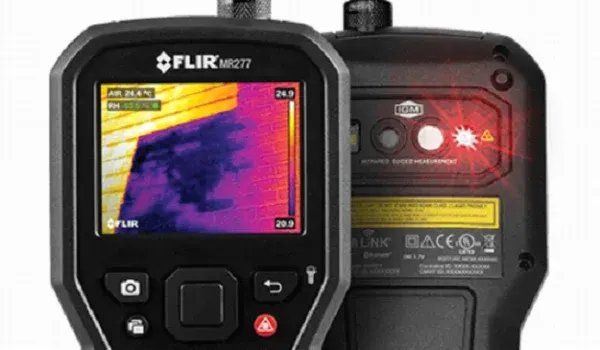
- Specialised equipment: Professionals use thermal imaging cameras, moisture meters, levels, and other tools to detect hidden defects such as water ingress, inadequate insulation, or structural irregularities.
- Documentation: A professional report provides legally admissible evidence should disputes arise, documenting defects with photographs, measurements, and references to relevant standards.
- Builder communication: Experienced inspectors know how to communicate effectively with builders and can advocate for proper rectification.
- Independence: Unlike the builder's site supervisor, an independent inspector has no conflict of interest and will report all defects objectively.
DIY Inspection Limitations
- Lack of technical knowledge to assess compliance with building codes and standards
- Inability to identify hidden defects without specialised equipment
- Difficulty interpreting contract documents and specifications
- Limited leverage when negotiating with builders
- Documentation may not be sufficient for legal proceedings
- May miss defects that become major issues after warranty periods expire
Key advantage of early inspections: Having an inspector present during construction when structural components are exposed allows for addressing issues before they are concealed behind plasterboard and cladding. Stage inspections during frame, lock-up, and fixing stages can prevent costly rectification work later.
Comprehensive Pre-Handover Inspection Checklist
A thorough pre-handover inspection examines every aspect of the property to ensure compliance with the contract, the National Construction Code, and relevant Australian Standards. The following checklist covers the key areas that should be assessed.
Structural Elements
The structural integrity of your new home is paramount. These elements are covered by the 6-year major defects warranty.
- Foundation and slab: Check for visible cracks greater than 0.5mm, uneven surfaces, moisture penetration, and compliance with AS 2870 Residential Slabs and Footings. Verify slab edge exposure meets engineering specifications.
- Structural frame: Inspect visible framing for straightness, proper connections, and compliance with AS 1684 Residential Timber-Framed Construction or relevant steel framing standards.
- Roof structure: Verify truss connections, bracing, and tie-downs comply with engineering specifications and wind load requirements for your location.
- Load-bearing walls: Check for plumb alignment, proper lintels above openings, and adequate bracing.
- Subfloor (if applicable): Inspect for adequate ventilation, moisture barriers, and structural support.
Exterior Envelope
The building envelope protects the structure from weather and must be watertight and properly finished.
- Roof covering: Inspect tiles or metal roofing for proper installation, bedding, pointing, and flashing. Check valleys, ridges, and penetrations for weathertight sealing.
- Gutters and downpipes: Verify falls are correct, joints are sealed, overflows are present, and stormwater connections comply with AS/NZS 3500.3.
- External cladding: Check for proper installation, adequate clearances from ground level (minimum 75mm for masonry, 150mm for timber), and weathertight sealing around penetrations.
- Weep holes: Ensure weep holes are present at the base of masonry veneer walls and are not blocked by mortar droppings or landscaping.
- Flashing: Inspect all flashings at wall-roof junctions, windows, doors, and penetrations for proper installation and weathertight sealing.
- Windows and external doors: Test operation, check weatherseals, verify compliance with energy efficiency requirements (WERS ratings where specified), and ensure proper flashing installation.
- External finishes: Assess render, paint, or other finishes for consistency, coverage, and quality.
Waterproofing
Waterproofing failures are among the most common and costly defects in new homes. Waterproofing is considered a major element under the Home Building Act 1989 (NSW).
- Wet areas: Verify waterproofing membrane installation in bathrooms, laundries, and toilets complies with AS 3740. Check for proper overlap at junctions and penetrations.
- Shower recesses: Inspect falls to waste (1:80 minimum), grout condition, silicone sealing at junctions, and hob heights.
- Balconies and external areas: Check drainage falls, membrane termination, and flashing to adjacent walls.
- Subfloor moisture barriers: Where visible, verify vapour barriers are continuous and properly sealed.
Internal Finishes
Internal finishes affect both aesthetics and functionality. These items are typically covered by the 2-year minor defects warranty.
- Walls and ceilings: Check plasterboard for smooth finish, proper cornices, no visible joins or nail pops, and consistent paint coverage. Inspect for cracking, particularly at door and window frames.
- Flooring: Assess carpet for proper installation and no visible joins, tiles for lippage and grout consistency, timber floors for gaps and finish quality, and vinyl for adhesion and seam quality.
- Internal doors: Test operation, check for proper clearances, verify hardware installation, and assess finish quality.
- Joinery and cabinetry: Inspect alignment, operation of doors and drawers, soft-close mechanisms, benchtop joints, and finish quality.
- Skirting and architraves: Check for consistent installation, mitred corners, and paint finish.
Plumbing Systems
Plumbing must comply with the Plumbing Code of Australia and AS/NZS 3500 series standards.
- Hot and cold water supply: Test all taps for flow rate, temperature, and operation. Check for leaks at connections and under fixtures.
- Drainage: Test all fixtures for proper drainage, check traps are installed correctly, and verify no blockages or slow draining.
- Hot water system: Verify correct installation, adequate capacity, proper pressure and temperature relief valve installation, and compliance with energy efficiency requirements.
- Gas installations: Check gas meter location, pipework installation, and appliance connections comply with AS/NZS 5601.
- Sanitary fixtures: Inspect toilets, basins, baths, and showers for proper installation, sealing, and operation.
- Stormwater drainage: Verify downpipes are connected, surface drains are functional, and drainage complies with council requirements.
Electrical Systems
Electrical work must comply with AS/NZS 3000 Wiring Rules and be certified by a licensed electrician.
- Switchboard: Verify proper labelling, safety switch (RCD) installation, and adequate circuit protection.
- Power points and lighting: Test all outlets and light fittings for correct operation. Verify placement matches contract specifications.
- Smoke alarms: Confirm hardwired, interconnected smoke alarms are installed in accordance with AS 3786 and NCC requirements for new builds.
- Exhaust fans: Test operation and verify proper ducting to external atmosphere in bathrooms, toilets, and rangehoods.
- Data and communication: Test TV, phone, and data outlets where specified.
- External lighting: Verify operation and weatherproof installation.
HVAC Systems
Heating, ventilation, and air conditioning systems should be tested and commissioned before handover.
- Air conditioning: Test cooling and heating modes, verify adequate airflow from all outlets, check condensate drainage, and confirm outdoor unit installation complies with manufacturer specifications.
- Ducted systems: Inspect visible ductwork for insulation, sealing, and proper connections. Verify zoning operation if applicable.
- Ventilation: Confirm adequate ventilation to all habitable rooms and wet areas as required by NCC.
- Heating systems: Test operation of gas or electric heating, verify thermostat controls, and check safety compliance.
External Areas
External works should be completed to contract specifications and council requirements.
- Driveway and paths: Check concrete or paver installation for falls, finish quality, and control joints. Verify connection to public footpath meets council requirements.
- Fencing: Confirm boundary fencing is installed as specified, gates operate correctly, and pool fencing (if applicable) complies with AS 1926.1.
- Landscaping: Verify turf, garden beds, and planting are complete as per contract. Check irrigation systems where specified.
- Retaining walls: Inspect for structural adequacy, drainage provisions, and finish quality.
- Letterbox and house number: Confirm installation as specified.
- Clothesline: Verify installation location and operation.
Safety and Compliance
Safety systems and compliance documentation are essential for legal occupation.
- Smoke alarms: Test all alarms for correct operation and interconnection.
- Safety glazing: Verify glazing in hazardous locations (doors, low windows, wet areas) is safety glass with appropriate markings.
- Handrails and balustrades: Check installation height (minimum 1000mm), baluster spacing (maximum 125mm), and structural fixing.
- Pool barriers: If applicable, confirm compliance with AS 1926.1 and local council requirements.
- Bushfire compliance: In designated areas, verify BAL (Bushfire Attack Level) construction requirements are met.
- Termite management: Confirm termite management system is installed and documented as per AS 3660.1.
- Energy efficiency: Verify insulation, glazing, and other elements meet NatHERS or equivalent energy rating requirements.
Common Defects Found in Pre-Handover Inspections
Understanding the most common defects helps you know what to look for and ensures your inspector covers all critical areas. The following table shows defects frequently identified during pre-handover inspections.
| Category | Common Defects | Warranty Period | Severity |
|---|---|---|---|
| Waterproofing | Inadequate membrane, poor falls, failed seals, missing hobs | 6 years (major) | High |
| Roofing | Cracked tiles, poor flashing, inadequate sarking, gutter falls | 6 years (structural) | High |
| Plasterboard | Visible joins, nail pops, corner cracks, uneven surfaces | 2 years (minor) | Low |
| Tiling | Lippage, hollow tiles, inconsistent grout, cracked tiles | 2 years (minor) | Medium |
| Joinery | Door alignment, drawer operation, soft-close failure, bench gaps | 2 years (minor) | Low |
| Paintwork | Inconsistent coverage, runs, brush marks, colour variation | 2 years (minor) | Low |
| Windows and Doors | Poor operation, damaged seals, scratched glass, misaligned frames | 2 years (minor) | Medium |
| Concrete | Slab cracks, poor finish, inadequate falls, missing control joints | 6 years (structural) | High |
| Plumbing | Leaking fixtures, poor drainage, low pressure, cross connections | 6 years (major systems) | High |
| Electrical | Missing circuits, inadequate outlets, poor workmanship, safety switch issues | 6 years (major systems) | High |
Builder's Defect Rectification Obligations
Under Australian building legislation, builders have clear obligations to rectify defects identified during pre-handover inspections. Understanding these obligations helps you negotiate effectively and ensures proper outcomes.
Classification of Defects
| Defect Classification | Definition | Builder's Obligation | Impact on Handover |
|---|---|---|---|
| Major structural defects | Defects in major elements affecting structural integrity or habitability | Must rectify before handover | May delay practical completion |
| Major non-structural defects | Significant defects not affecting structure but impacting use | Should rectify before handover | May negotiate timeline |
| Minor defects | Cosmetic or minor issues not affecting habitability | Rectify within reasonable time after handover | Should not delay practical completion |
| Incomplete work | Work not completed as per contract specifications | Must complete before handover | Prevents practical completion |
Rectification Timeline Guidelines
- Critical defects (safety hazards): Must be rectified immediately before occupation is permitted
- Major defects: Typically 14 to 28 days depending on complexity
- Minor defects: Usually 30 to 90 days after handover under warranty
- Warranty claims: Builder must respond within 14 days and rectify within reasonable timeframe
Under the Home Building Act 1989 (NSW), if a builder fails to comply with a rectification order, the homeowner may apply to NSW Fair Trading for a work order. The QBCC in Queensland can issue directions to rectify and has the power to suspend or cancel builder licences for non-compliance.
Cost Considerations for Pre-Handover Inspections
Investing in a professional pre-handover inspection is one of the best decisions you can make when building a new home. The cost is minimal compared to the potential savings from identifying defects before taking possession.
| Property Type | Typical Cost Range | Inspection Duration | Report Turnaround |
|---|---|---|---|
| Standard house (up to 250sqm) | $550 to $750 | 2 to 3 hours | 24 to 48 hours |
| Large house (250 to 400sqm) | $750 to $1,000 | 3 to 4 hours | 24 to 48 hours |
| Luxury or custom home (400sqm+) | $1,000 to $1,500+ | 4 to 6 hours | 48 to 72 hours |
| Townhouse or duplex | $500 to $700 | 1.5 to 2.5 hours | 24 to 48 hours |
| Unit or apartment (new build) | $400 to $600 | 1 to 2 hours | 24 hours |
Additional services may include thermal imaging inspection (additional $150 to $300), reinspection after defect rectification ($200 to $400), and expert witness services for disputes (hourly rates apply).
Documentation You Should Receive at Handover
At practical completion, the builder should provide comprehensive documentation for your records. This documentation is important for warranty claims, insurance, and future maintenance or renovations.
- Occupancy Certificate (or Certificate of Final Inspection): Issued by the building certifier confirming the building is suitable for occupation and complies with the approved plans and the Building Code of Australia.
- Compliance certificates: For plumbing, electrical, gas, and waterproofing work as required by state legislation.
- Home warranty insurance certificate: Required for residential building work over certain thresholds (varies by state) providing protection if the builder dies, disappears, or becomes insolvent.
- Termite management system documentation: Details of the termite management system installed, maintenance requirements, and warranty information.
- Appliance manuals and warranties: Operating instructions and warranty registration for all appliances included in the build.
- As-built drawings: Final drawings showing the building as constructed, including any variations from original plans.
- Energy efficiency assessment: NatHERS certificate or equivalent documentation.
- Survey plan: Final survey showing the building footprint and boundaries.
- Maintenance schedules: Recommendations for ongoing maintenance of various building elements.
- Keys, remotes, and access devices: All keys to doors and locks, garage remotes, security system codes, and similar items.
Your Rights and Dispute Resolution Options
If disputes arise regarding defects or the builder's refusal to rectify issues, Australian homeowners have several avenues for resolution.
Step 1: Direct Negotiation
Always attempt to resolve issues directly with the builder first. Document all communications in writing and keep copies of all correspondence. Clearly identify defects, reference contract specifications and relevant standards, and request rectification within a reasonable timeframe.
Step 2: State Building Authority Complaint
If direct negotiation fails, lodge a complaint with your state's building authority:
- NSW: NSW Fair Trading
- VIC: Domestic Building Dispute Resolution Victoria (DBDRV)
- QLD: Queensland Building and Construction Commission (QBCC)
- SA: Consumer and Business Services
- WA: Building Commission
- TAS: Consumer, Building and Occupational Services
- ACT: Access Canberra
- NT: Building Advisory Services
Step 3: Tribunal or Court Proceedings
For unresolved disputes, you may need to pursue formal proceedings through:
- NSW Civil and Administrative Tribunal (NCAT)
- Victorian Civil and Administrative Tribunal (VCAT)
- Queensland Civil and Administrative Tribunal (QCAT)
- South Australian Civil and Administrative Tribunal (SACAT)
- State Administrative Tribunal (WA)
- Magistrates Court or local courts for smaller claims
Time limits apply to building disputes. In NSW, you generally have 6 years from completion to make a claim for major defects and 2 years for minor defects. Seeking legal advice early is essential to protect your rights.
Frequently Asked Questions
What is the difference between a pre-handover inspection and a building inspection?
Short answer: A pre-handover inspection assesses a newly built property at practical completion, while a building inspection typically examines an existing property before purchase.
A pre-handover inspection (also called PCI or practical completion inspection) is specifically designed for new construction. It verifies that the builder has completed work according to the contract, plans, specifications, and building codes. The inspector compares what was built against what was specified and identifies defects requiring rectification before handover. A building inspection for an existing property focuses on identifying existing defects, maintenance issues, and potential problems to inform your purchase decision. While both are important, they serve different purposes and require different expertise.
When should I schedule my pre-handover inspection?
Short answer: Schedule 7 to 14 days before the expected handover date to allow time for defect rectification.
Timing is crucial for pre-handover inspections. Schedule too early and the builder may not have completed all work. Schedule too late and there may not be adequate time to rectify identified defects before settlement. Ideally, schedule once the builder notifies you that practical completion is approaching but before they request final payment. Allowing 7 to 14 days gives the builder time to address defects while maintaining pressure to complete rectification before handover. For complex builds or if many defects are anticipated, allow additional time.
Can I refuse to take handover if defects are found?
Short answer: You can refuse handover for major defects affecting habitability, but not typically for minor cosmetic issues.
Under Australian building law, practical completion is generally achieved when the building work is complete except for minor omissions and defects that do not prevent the owner from reasonably occupying the building. Major structural defects, safety hazards, or incomplete work that affects habitability may justify refusing handover. However, minor cosmetic defects such as paint touch-ups, minor scratches, or small adjustments should not prevent practical completion. These items are typically documented and rectified under the builder's defects liability period (usually 90 days to 6 months after handover) or statutory warranty. Consult a building lawyer if you are unsure whether defects justify refusing handover.
What statutory warranties apply to my new home?
Short answer: Generally 2 years for minor defects and 6 years for major or structural defects, though this varies by state.
Australian building legislation provides statutory warranties that cannot be excluded by contract. In NSW under the Home Building Act 1989, homeowners are protected by warranties that work will be done with due care and skill, materials will be suitable, work will comply with relevant legislation and standards, and the work will be fit for purpose. The warranty period for minor defects is 2 years from completion, while major defects (those affecting structure, waterproofing, or fire safety) are covered for 6 years. Victoria, Queensland, and other states have similar provisions under their respective legislation. Keep all documentation and report defects promptly to preserve your warranty rights.
Should I have stage inspections during construction as well?
Short answer: Yes, stage inspections are highly recommended as they can identify issues while they are still accessible and easier to rectify.
While a pre-handover inspection is essential, having inspections at key construction stages provides additional protection. Common stage inspections include: base stage (after slab or footings), frame stage (before plasterboard), lock-up stage (after external cladding and roof), and fixing stage (before final finishes). These inspections can identify issues such as incorrect structural elements, inadequate bracing, missing insulation, or waterproofing defects while they are still visible and accessible. Once these elements are concealed behind walls and ceilings, defects become much harder to detect and more expensive to rectify. The additional cost of stage inspections is often recovered many times over through early defect identification.
What tools and equipment do professional inspectors use?
Short answer: Professional inspectors use specialised tools including moisture meters, thermal cameras, levels, and reference standards to conduct thorough assessments.
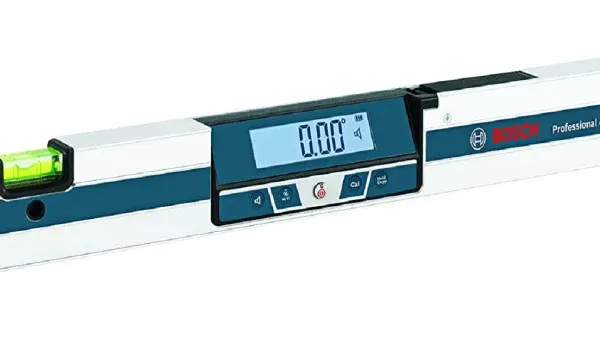
Professional building inspectors bring expertise and equipment that goes far beyond what a homeowner can assess visually. Common tools include: moisture meters to detect water ingress in walls, floors, and ceilings; thermal imaging cameras to identify insulation gaps, moisture, and electrical issues; spirit levels and laser levels to check floor and wall alignment; tile sounding tools to detect hollow tiles; reference documents including the National Construction Code, Australian Standards, and your building contract and specifications. They also understand tolerances and acceptable variations under Australian Standards, allowing them to distinguish between acceptable construction variation and actual defects.
What happens if the builder refuses to fix defects?
Short answer: You have several options including complaints to state building authorities, mediation, and tribunal proceedings.
If a builder refuses to rectify legitimate defects, document everything and follow the formal dispute resolution process. First, put your complaint in writing with clear photographs and references to contract specifications or standards breached. If the builder still refuses, lodge a complaint with your state building authority (such as NSW Fair Trading, QBCC, or Consumer Affairs Victoria). These authorities can investigate, mediate, issue rectification orders, and in serious cases, take action against the builder's licence. For unresolved disputes, you may need to pursue claims through NCAT, VCAT, QCAT, or relevant tribunals. Keep all documentation and consider engaging a building lawyer, especially for significant defects.
Can I attend the pre-handover inspection myself?
Short answer: Yes, attending is strongly recommended as it allows you to see issues firsthand and ask questions.
You should always attend your pre-handover inspection, whether or not you engage a professional inspector. Attending allows you to see any defects firsthand, ask questions about specific concerns, learn about maintenance requirements for various systems, and understand the inspector's findings in context. You can also point out items that concern you and ensure all areas of the property are thoroughly examined. Allow 2 to 4 hours for the inspection depending on property size. Wear comfortable shoes and bring a notepad, your contract specifications, and a torch for inspecting dark areas.
QWhat is the defects liability period?
Short answer: A period after handover (typically 90 days to 6 months) during which the builder must rectify defects identified at or shortly after completion.
The defects liability period (DLP) is a contractual period following practical completion during which the builder is required to return and rectify any defects that become apparent. This is separate from but complementary to statutory warranty periods. The duration varies by contract but is typically 13 to 26 weeks (3 to 6 months). During this period, you should document any defects as they appear and notify the builder promptly. At the end of the DLP, conduct a final inspection (often with your original inspector) to identify any remaining issues before the period expires. This is your opportunity to have the builder address defects at no cost before transitioning to warranty claim processes.
Are pre-handover inspections required by law?
Short answer: While not legally mandated, your contract likely provides for a pre-handover inspection, and it is strongly recommended to protect your interests.
Australian building legislation does not specifically require homeowners to conduct pre-handover inspections. However, most standard building contracts include provisions for the owner to inspect the property at practical completion before handover. The Master Builders Association contract and HIA contract both include such provisions. Even if your contract does not explicitly require it, you have the right to verify the builder has met their contractual obligations before making final payment. Given the significant investment involved and the importance of documenting the property condition for warranty purposes, a professional pre-handover inspection is one of the most valuable investments you can make in the building process.
Key Takeaways
- A pre-handover inspection is your final opportunity to verify your new home meets contract specifications and complies with the National Construction Code before taking possession.
- Statutory warranties protect homeowners for 2 years (minor defects) and 6 years (major and structural defects) from the date of practical completion.
- Engaging a professional building inspector is strongly recommended as they have the technical expertise, specialised equipment, and industry knowledge to identify defects that untrained eyes would miss.
- Schedule your inspection 7 to 14 days before expected handover to allow adequate time for defect rectification by the builder.
- Document all defects with photographs and written descriptions, referencing contract specifications and relevant Australian Standards where applicable.
- Builders are legally obligated to rectify major defects before handover. Minor defects should be documented and addressed during the defects liability period.
- Keep all documentation received at handover including the occupancy certificate, compliance certificates, warranty information, and maintenance guides.
- If disputes arise, follow the formal process: direct negotiation, state building authority complaint, then tribunal proceedings if necessary.
- Time limits apply to building defect claims. Report defects promptly and seek legal advice early if you encounter resistance from the builder.
References and Resources
The following resources provide additional information about your rights, building standards, and dispute resolution processes across Australian states and territories.
State Building Authorities
- Consumer Affairs Victoria - Building and Renovating
- Queensland Building and Construction Commission (QBCC)
- WA Building Commission
- NT Government - Building
Legislation and Standards
- Home Building Act 1989 (NSW)
- Domestic Building Contracts Act 1995 (VIC)
- Queensland Building and Construction Commission Act 1991
- National Construction Code (NCC)
- Standards Australia
Dispute Resolution Bodies
- NSW Civil and Administrative Tribunal (NCAT)
- Victorian Civil and Administrative Tribunal (VCAT)
- Queensland Civil and Administrative Tribunal (QCAT)
- Domestic Building Dispute Resolution Victoria (DBDRV)
Related Articles

Cost-Saving Strategies for the Lock Up Stage in Construction
The lock up phase involves substantial expenses for windows, doors, and insulation. Learn proactive planning strategies and cost reduction tactics.

All You Need to Know About Fixing Inspections
A fixing stage inspection evaluates internal components before they are concealed, including cladding, architraves, doors, and built-in shelves. Learn what to expect.

Understanding Lock Up Pre Plaster Stage Inspection
The lockup stage is a critical phase where structures are secured with windows, doors, and external cladding before plastering begins. Learn what inspectors check.