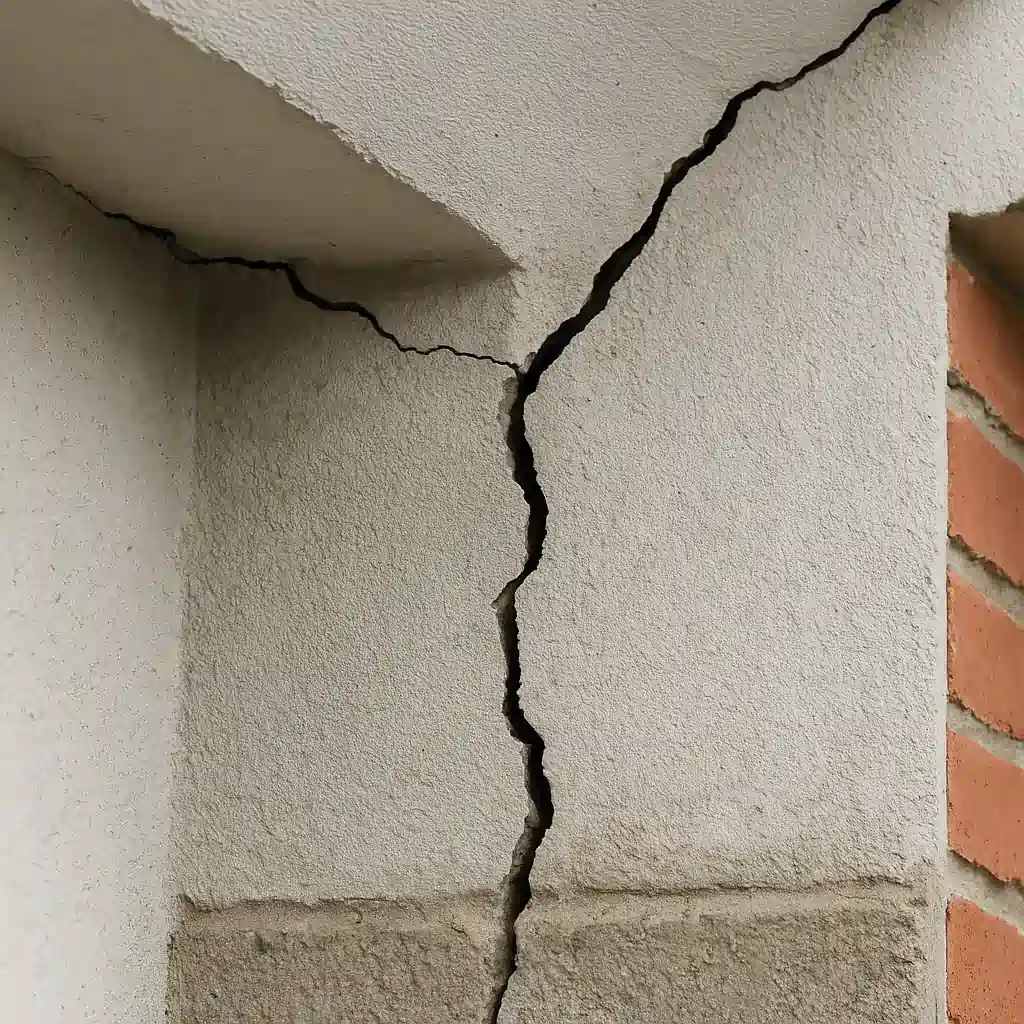

Purchasing an apartment is a significant financial commitment, and construction defects can lead to costly repairs if not addressed properly. Apartment defect warranties exist to protect buyers and property owners from faults in workmanship and materials. How to file a claim ensures that defects are resolved without unnecessary expense or legal disputes.
This guide explains:
- The legal framework of apartment defect warranties in Australia
- What defects are covered and for how long
- Step-by-step instructions on filing a defect warranty claim
- What to do if a claim is denied or delayed
Understanding Apartment Defect Warranties
An apartment defect warranty is a legal protection that requires builders to rectify construction defects within a set period. Australian building regulations and consumer protection laws govern these warranties. Builders and developers must deliver properties free from significant defects, ensuring they meet the required safety and quality standards.
Types of Apartment Defect Warranties
- Statutory Warranties: These are legal obligations imposed on builders under Australian laws, such as the Home Building Act 1989 (NSW) and Queensland Building and Construction Commission (QBCC) Act. They require builders to guarantee the quality of their workmanship and materials for a specified period.
- Builder-Backed Warranties: These warranties are provided by builders or developers voluntarily and may extend beyond statutory coverage, offering additional assurances for defects that may arise beyond the minimum legal requirements.
Coverage Periods
- Structural defects: These include major defects that compromise the safety, stability, and usability of the apartment and are typically covered for up to 6 years.
- Cosmetic defects: Cover minor issues like paint chips and surface imperfections, usually covered for 6–12 months.
- Waterproofing issues: Defects related to water ingress, leakage, or poor drainage may be covered for 6–10 years.
- State-Specific Regulations: Warranty coverage periods vary by state, with each jurisdiction having specific rules governing defect liability and builder obligations (e.g., NSW, VIC, QLD, WA, SA).
Related post: Builders’ Work Quality Assurance
Common Defects Covered by Builder Warranties
Structural Defects
Structural defects can impact the safety and habitability of an apartment. These include:
- Foundation cracks that may indicate subsidence or structural instability.
- Major wall fissures that weaken the structural integrity of load-bearing walls.
- Waterproofing failures, such as balcony leaks, roof leaks, or bathroom membrane failures that allow water penetration into walls and floors.
Cosmetic Defects
While less severe, cosmetic defects can affect the visual appeal and overall quality of the apartment. These include:
- Peeling paint or poor finishing work.
- Minor surface cracks that do not impact structural integrity.
- Flawed tiling or plastering that affects aesthetic consistency.
Mechanical and Electrical Issues
Defects in essential systems can cause inconvenience or pose safety hazards. These include:
- Faulty plumbing, such as leaking pipes or low water pressure.
- Electrical wiring faults that can cause power failures or safety risks.
- HVAC system failures that affect heating and cooling performance.
Waterproofing and Drainage Issues
Water ingress and moisture problems can lead to long-term damage. Common issues include:
- Roof leaks that result in mold growth and structural damage.
- Poor balcony drainage, leading to water pooling and eventual seepage.
- Plumbing faults that cause water damage behind walls and under floors.
What’s NOT Covered?
Some issues fall outside warranty protection, including:
- Normal wear and tear, such as fading paint or minor flooring scratches.
- Owner-caused damage, including DIY modifications or misuse of fixtures.
- Post-settlement alterations, such as renovations that may void warranties.
Related post: Australia’s Top 10 Most Common Building Defects
Defect Liability Periods: What You Need to Know
The defect liability period is when builders are obligated to rectify any faults identified by the property owner. This period varies depending on the type of defect.
Typical Claim Timeframes:
- Cosmetic defects: Typically covered for 6–12 months from settlement.
- Structural defects: Usually covered for up to 6 years, depending on state laws.
- Waterproofing issues: Often covered for 6–10 years, given their potential to cause significant damage.
What Happens After the Liability Period Ends?
If defects emerge after the liability period expires, homeowners may need to:
- Pursue legal action if the defect was hidden or misrepresented at purchase.
- Engage independent experts to assess whether negligence or poor workmanship contributed to the defect.
- Seek mediation or tribunal resolution if the builder refuses to rectify the issue.
Steps to File an Apartment Defect Warranty Claim
Step 1: Identify the Defect and Gather Evidence
- Take clear photos and videos documenting the defect from multiple angles.
- Obtain an independent property inspection report from a licensed expert, such as Owner Inspections.
- Review the warranty coverage terms to confirm eligibility for a claim.
Step 2: Notify the Builder or Developer in Writing
- Draft a formal defect notification letter outlining the issue, its location, and required action.
- Keep written records of all communication, including emails and response timelines.
Step 3: Follow Up on Response and Next Steps
- Builders must respond within a state-mandated timeframe, which varies by jurisdiction.
- Expect responses such as claim acceptance, dispute, or delay tactics.
Step 4: Engage Third-Party Inspections
- If the builder disputes the defect, seek third-party verification from an independent inspector.
Step 5: Seek Legal Help if the Claim Is Denied or Ignored
- Explore alternative dispute resolution (ADR) options, such as mediation.
- Escalate to a consumer tribunal or regulatory body if the builder remains uncooperative.
Related post: Apartment Pre-Settlement Inspections
Negotiating Repairs with Developers and Builders
Effective Communication Strategies
- Use clear and structured complaints referencing legal obligations.
- Maintain detailed documentation of defect-related correspondence.
When to Involve a Mediator or Legal Expert
- If the builder repeatedly delays or disputes repairs, engage a construction lawyer or mediator.
When to Escalate a Dispute
Options for Escalation
- Consumer Tribunals: NSW Fair Trading, VCAT (VIC), QCAT (QLD) handle disputes.
- Legal Action: Initiating court proceedings for warranty breaches.
- Case Studies: Reviewing successful claims helps set expectations.
Handling Delayed Defect Rectifications
How to Document Delays and Escalate Complaints
- Maintain a timeline of correspondence.
- Escalate through consumer protection agencies or legal avenues.
Seeking Legal Assistance for Rejected Claims
When to Involve a Construction Lawyer
- If the builder denies liability despite clear evidence.
Legal Costs and Dispute Resolution
- Consider no-win, no-fee legal representation.
Legal Framework Governing Apartment Defect Warranty Claims
Key Australian Laws and Regulations
- Home Building Act 1989 (NSW)
- Domestic Building Contracts Act 1995 (VIC)
- QBCC Act (QLD)
This expanded guide ensures homeowners and industry professionals understand and assert their legal rights to defect rectification.