



Owner Inspections - Building and Pest Inspections Australia

Stage 1: Bored Piers
& Screw Piles

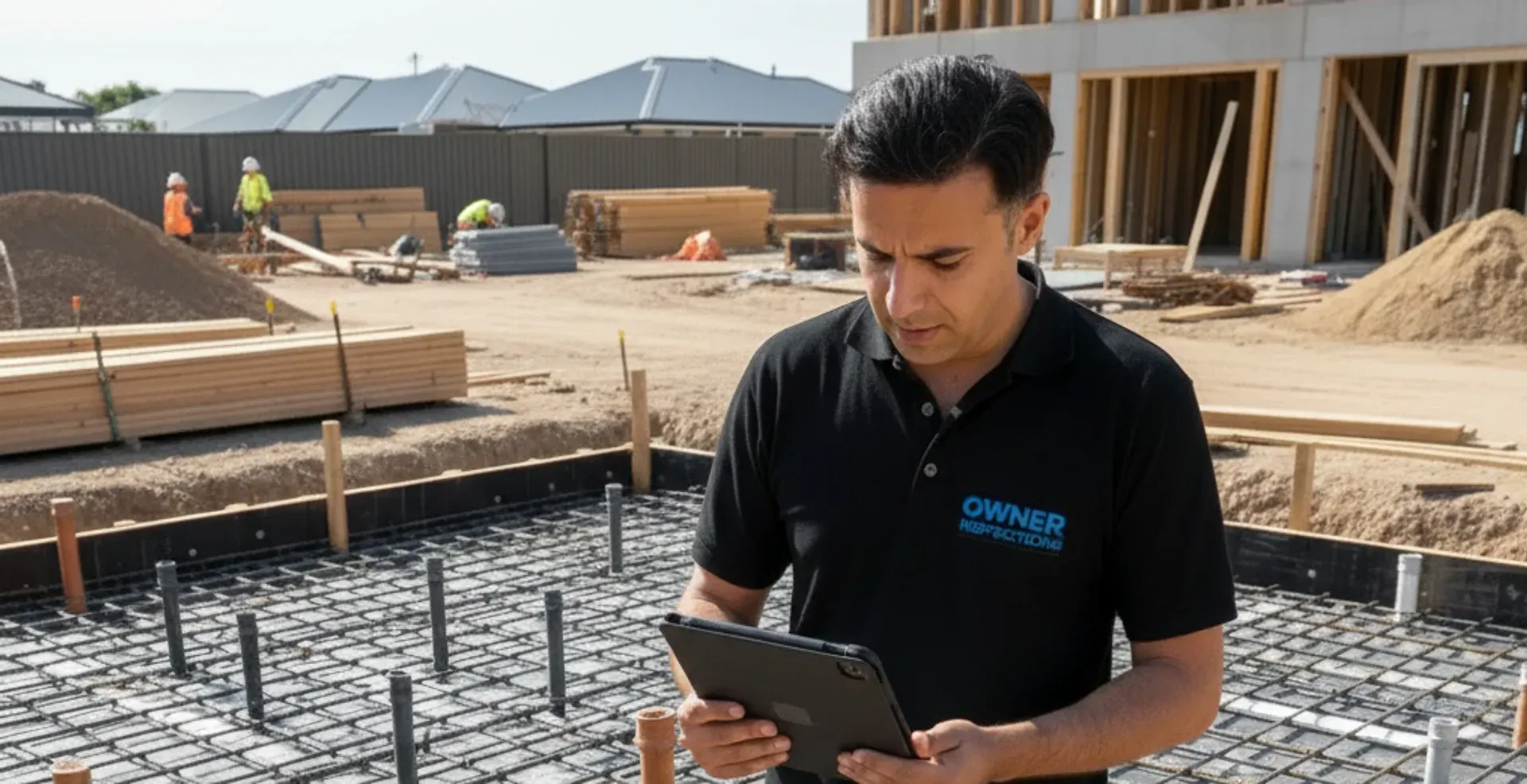
Verify foundation stability by inspecting the depth, positioning, and integrity of bored piers or screw piles before concrete is poured.

Learn More
★★★★★4.8· 2,500+ reviews
Free & no obligation24-hour reportsFully licensed

Instant Quote

No obligation. We use your details for your quote and may contact you about it even if you don't finish. Privacy

1Optional

Bored Piers & Screw Piles Inspection

Verification of foundation stability by inspecting the depth, positioning, and integrity of bored piers or screw piles before concrete is poured, ensuring alignment with architectural plans.

The bored piers or screw piles stage is the very first opportunity to inspect the foundations of your new home. These structural elements are driven deep into the ground to provide stability, particularly on sites with reactive or unstable soil conditions. Once the concrete slab is poured over them, they become completely inaccessible. Our inspectors verify that every pier meets the engineering specifications for your site, checking depth, diameter, alignment, and grouting integrity to ensure your home starts on a solid foundation.

Inspection Checklist

  • Location of the piers
  • Number of piers
  • Depth of piers
  • Diameter of piers
  • Alignment and verticality
  • Site condition and type
  • Grouting integrity

Example Defects We Find

View Sample Report

Reviewed across every major platform

Trusted by Thousands of Australians

Bored Piers Inspections by State

State-specific inspection stages, building rules and local inspectors

Get Your Free Expert Quote Today

Need a bored piers inspection? Our qualified inspectors are ready to assess your property and provide a comprehensive, professional report.

Bored Piers Inspection FAQs

Common questions about bored piers and screw piles inspections

Bored piers are cylindrical concrete columns drilled into the ground to provide deep foundation support, while screw piles are steel shafts with helical plates that are screwed into the soil. Both are used when the surface soil is not stable enough to support the building directly, transferring the load to more stable ground below.

A bored piers inspection should be conducted after the piers or screw piles have been installed but before the concrete slab is poured. This is your only opportunity to verify the foundation is correct, as once the slab is poured these elements become permanently hidden and inaccessible.

Undetected pier defects can lead to serious structural problems including foundation settlement, cracking walls, uneven floors, and in severe cases, structural failure. Rectifying foundation issues after construction is extremely expensive and disruptive, often requiring underpinning or even partial demolition.

While this stage is listed as optional in some inspection packages, we strongly recommend it for any build that uses bored piers or screw piles. The foundation is the most critical element of your home. If your site has reactive soil, a high water table, or requires deep foundations, this inspection is particularly important.

All defects are documented in a detailed report with photographs. You can then present this report to your builder who is required to rectify the issues before proceeding. Our reports provide clear evidence to support your position and ensure compliance with building codes.

Our promise is a full report within 24 hours of your inspection completion, guaranteed. Reports are delivered via cloud-based online link, PDF email attachment, and SMS link for convenient access.

No. As the property owner, you have the right to arrange independent inspections at any stage of construction. Most building contracts include provisions for owner inspections. If your builder objects, this may be a warning sign worth investigating further.

Council inspections verify minimum compliance with building regulations and are typically brief. Our independent stage inspections are far more thorough, checking workmanship quality, Australian Standards compliance, and identifying defects that council inspectors are not required to assess.

Payment Options

Flexible payment options to suit your needs

All Major Credit Cards
Apple Pay
Google Pay
Link
WeChat Pay
Afterpay
Klarna
Zip
PayID