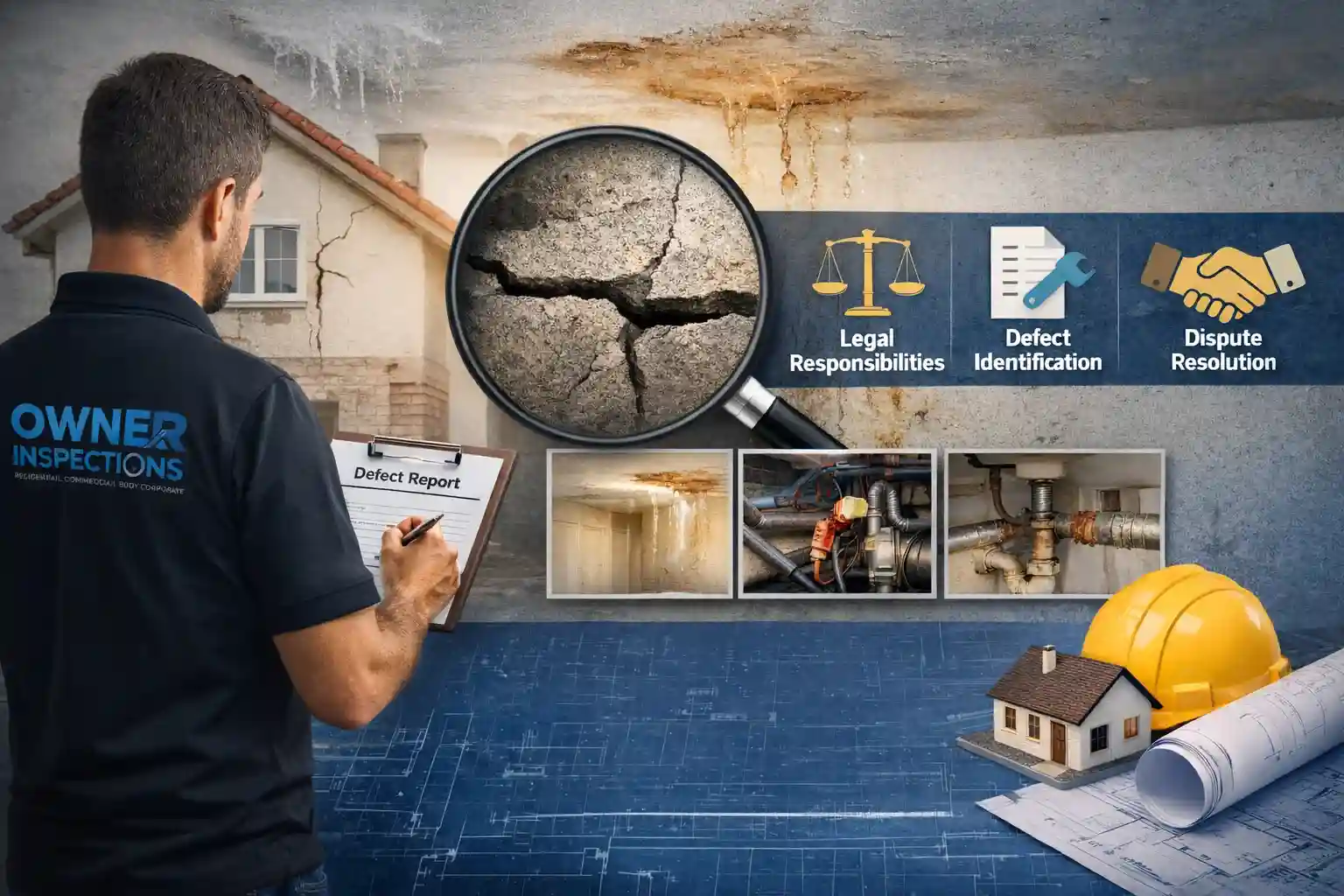

A dilapidation report is a crucial document in the construction process that assesses the condition of a property before and after construction activities. It’s typically used to establish a baseline of the property’s structural condition, and it ensures that there is no damage to neighboring buildings or public infrastructure during the project. In Australia, the importance of dilapidation reports cannot be overstated, especially with the diverse range of building regulations nationwide. Local councils mandate these reports to protect property owners, builders, and developers from potential damage claims.
What is a Dilapidation Report?
A dilapidation report is a formal, written assessment that documents the pre-existing condition of a property, including buildings, roads, utilities, and other public infrastructure, before and after construction. It serves two key purposes: it acts as a preventative tool to avoid disputes over property damage after construction, and it ensures that all parties involved (builders, developers, and homeowners) have an accurate record of the state of the property and surrounding infrastructure.
Contents of a Dilapidation Report:
- Structural Assessments: This includes evaluations of buildings, roads, and utilities such as electricity lines and water pipes. It ensures that any pre-existing issues are documented.
- Photographic Evidence: Photos are taken of the property’s condition, highlighting any cracks, wear, or damage. These images are used for reference in case damage claims arise later.
- Risk Mitigation: The report often includes a written description of risks and recommendations for actions to minimize potential damage during construction, which can be useful for insurance purposes.
Pre-Construction vs. Post-Construction Reports:
- Pre-Construction: This report is conducted before any work begins to establish the property’s condition. It helps protect builders and property owners by documenting the existing damage to prevent future claims.
- Post-Construction: Once the construction or renovation is completed, the post-construction dilapidation report confirms whether any damage has occurred during the project. This ensures that the neighboring properties or public infrastructure remain unaffected.
For example, in areas like Sydney where construction projects often occur near existing infrastructure, such as roads and utility lines, a pre-construction dilapidation report becomes crucial to protect the project and the surrounding community.
Related post: Dilapidation Reports: A Guide for Protecting Your Property
Council Requirements for Dilapidation Reports
Local councils in Australia enforce regulations that require dilapidation reports to be submitted before certain construction activities can proceed. These reports help councils track the condition of the property and public infrastructure to ensure that no damage occurs during construction or demolition.
When Dilapidation Reports Are Required:
- Pre-Construction and Demolition: Councils typically require these reports before any significant construction or demolition starts. This ensures that any pre-existing issues are documented, and it helps prevent potential legal disputes over damages.
- Renovation and Extension Projects: A dilapidation report may be required for smaller projects, especially in densely populated urban areas or historic districts. For example, a builder in Melbourne may be required to submit a report for renovations on properties located near heritage buildings or infrastructure.
- Impact on Surrounding Properties: When construction projects close to neighboring properties, councils are more likely to require these reports to prevent disputes.
Submission and Timing Requirements:
Dilapidation reports must be submitted to the relevant local council before any construction or demolition permits are granted. These reports must typically be submitted several weeks or months before the proposed work. Failure to submit a dilapidation report in time can delay the project or result in fines and penalties. Councils may refuse to issue permits if the report is not provided, underscoring the importance of adhering to these timelines.
Location-Specific Variations:
Each local council in Australia has its own regulations regarding dilapidation reports. For example, councils in highly urbanized regions like Sydney and Melbourne may impose stricter documentation requirements due to the higher density of buildings and infrastructure. In contrast, rural areas may have more lenient regulations. Builders should consult their local council to ensure compliance with the specific requirements of their region.
By enforcing these regulations, councils protect the community and public infrastructure, ensuring that developments do not cause unnecessary harm or disruption.
Related post: Building Inspection Stages
Why Do Councils Require Dilapidation Reports?
Councils require dilapidation reports for several reasons to protect property, infrastructure, and the broader community during construction projects. These reports help mitigate potential risks associated with construction and ensure legal protection for developers, builders, and property owners.
Risk Management:
The primary purpose of a dilapidation report is to identify and document any existing damage to the property and surrounding infrastructure. By establishing a baseline of the property’s condition, these reports provide evidence to prevent future claims of damage caused during construction. If damage is reported after construction, the dilapidation report is a reference point for liability determination.
Protecting Public Infrastructure:
Dilapidation reports are essential when a construction project might impact public infrastructure, such as roads, sidewalks, and utility systems. These reports ensure that no damage occurs during construction, protecting vital infrastructure and ensuring the local community is not inconvenienced or put at risk.
For example, in large-scale urban developments, dilapidation reports document the condition of roads and utilities before construction begins, ensuring that they are not damaged during construction activities.
Insurance and Liability:
For builders and developers, dilapidation reports are a key tool for mitigating risks related to property damage claims. Insurance companies often require these reports to determine coverage and ensure no pre-existing damage is attributed to the construction process. They provide documented proof that the property was in good condition before work began, which is essential for processing insurance claims and avoiding costly litigation.
Urban Planning and Zoning:
Dilapidation reports also support urban planning and zoning efforts. Councils use these reports to assess the impact of construction on surrounding neighborhoods and to ensure that developments align with zoning regulations. In densely populated urban areas or historical districts, these reports help preserve the character and integrity of the local area.
Who Can Prepare a Dilapidation Report?
Preparing a dilapidation report requires specific expertise. Only qualified professionals, such as structural engineers, registered surveyors, or certified building consultants, should be entrusted with this task. These professionals have the knowledge and experience to assess the structural integrity of a building and ensure that all legal and regulatory requirements are met.
Qualified Professionals:
A dilapidation report must be prepared by someone who understands the technical aspects of structural integrity and the local council’s requirements. Structural engineers and building consultants are trained to evaluate the physical condition of buildings and infrastructure, while registered surveyors can provide critical data about the land’s condition.
Hiring a qualified professional ensures the report is thorough, accurate, and legally defensible. It also reduces the risk of the report being rejected by the local council or used in a future dispute.
Importance of Hiring Experts:
A well-prepared dilapidation report serves as legal protection for all parties involved. It can be used in court if disputes over damage arise after the project is completed. For instance, if a neighboring property owner claims their property was damaged during construction, the dilapidation report can prove that it existed before work started.
Legal Consequences of Non-Compliance:
If a certified professional does not prepare the dilapidation report, it may not meet council standards. This could lead to delays in construction, fines, or even legal action. For developers and builders, non-compliance with council requirements can have significant financial and legal consequences.
Local Building Codes and Dilapidation Reports
Local building codes and zoning laws directly influence the requirements for dilapidation reports. These codes set the parameters for what needs to be assessed in the report and ensure that it aligns with safety standards and local regulations.
Building Codes and Structural Assessments:
Local building codes may mandate specific assessments to ensure safety and compliance with construction standards. For example, in areas prone to flooding or earthquakes, a dilapidation report may be required to assess the structural integrity of buildings about these risks. In addition, specific guidelines may be imposed in areas with historic properties or dense urban developments.
The Role of Zoning Regulations:
Zoning regulations play an essential role in dictating the scope of a dilapidation report. In heritage or conservation areas, for instance, reports may need to include more detailed assessments to ensure that construction does not affect the architectural or cultural integrity of the area. Zoning laws can also dictate whether dilapidation reports are required for certain types of developments, particularly in areas where new developments are likely to impact the neighborhood.
State vs. Local Codes:
While the National Construction Code (NCC) provides general guidelines, local councils impose more specific regulations tailored to their community’s needs. This means that requirements can vary from one jurisdiction to another. Builders and developers must understand state-level and local building codes to ensure full compliance.
Regulatory Frameworks and Compliance Laws
Dilapidation reports are governed by a series of national, state, and local regulations defining the report’s scope and purpose. These frameworks ensure the reports meet legal requirements and contribute to effective urban planning.
National and State Regulations:
The National Construction Code (NCC) sets the minimum standards for construction across Australia, including the need for dilapidation reports in certain circumstances. Additionally, state-specific regulations (such as those from New South Wales or Victoria) may impose stricter requirements depending on the location and the type of construction project.
Role of Local Councils:
Local councils play a critical role in enforcing these regulations at the municipal level. They issue permits, approve or deny construction projects, and impose penalties for non-compliance. Councils use dilapidation reports to monitor the condition of surrounding properties and infrastructure, ensuring that new developments do not cause harm or disruptions to the community.
Government’s Role in Risk Assessment:
Government policies on construction risk assessment guide the creation of dilapidation reports. These policies focus on identifying and mitigating environmental impacts, such as the effects of construction on nearby properties, utilities, and public infrastructure. The goal is to ensure that any new construction complies with legal and environmental standards.
Benefits of Dilapidation Reports for Developers and Property Managers
Dilapidation reports offer significant advantages to developers and property managers. They provide legal protection, help improve operational efficiency, and maintain good community relations.
Legal Protection:
A dilapidation report provides developers with crucial legal protection. It offers documented evidence that no damage was caused to neighboring properties during construction. If disputes arise later, the report can serve as key evidence in defending the project.
Operational Efficiency:
By understanding the property’s condition before starting work, developers can avoid unexpected issues and risks during the project. This helps ensure smoother operations and fewer disruptions.
Community Relations:
Dilapidation reports also help foster positive relationships with local communities. By documenting existing conditions and ensuring minimal disruption, developers show their commitment to responsible development practices.