

A pre-settlement inspection is one of the most important steps you can take before finalising the purchase of a property. It gives you the opportunity to walk through the property and check that it is in the agreed condition before settlement. For new builds and off-the-plan purchases, it confirms that the property has been constructed in accordance with the plans, specifications, and relevant building standards. For established properties, it ensures that the condition has not deteriorated since the contract was signed.
This guide covers the most common issues found during pre-settlement inspections across Australia, along with advice on how to address them.
Structural Defects
Structural defects are among the most serious issues that can be identified during a pre-settlement inspection. These affect the integrity and safety of the building and should be addressed before settlement wherever possible.
Foundation Issues
Foundation problems can manifest as cracks in the slab, uneven surfaces, or signs of movement. In new builds, these may indicate poor site preparation, inadequate compaction, or issues with the concrete pour. Foundation defects can worsen over time and lead to significant structural problems if left unaddressed.
Wall and Ceiling Cracks
Cracks in walls and ceilings are one of the most frequently identified issues during pre-settlement inspections. Not all cracks are structural. Hairline cracks in plaster can result from the natural settling of a new building. However, wider cracks, diagonal cracks around door and window frames, or cracks that appear in patterns can indicate structural movement or poor workmanship that requires further investigation.
Roofing Defects
Roofing issues can include incorrectly installed tiles or sheeting, poor flashing around penetrations and junctions, inadequate sealing, and blocked or improperly graded gutters. These defects can lead to water ingress, which can cause significant damage to the internal structure and finishes of a property over time.
Plumbing and Electrical Systems
Leaking Fixtures
Leaking taps, showerheads, toilets, and pipe connections are common findings in new properties. These may result from improper installation, faulty fittings, or connections that have not been adequately tightened. While individual leaks may seem minor, they can lead to water damage and mould growth if not rectified.
Water Pressure Issues
Low water pressure can indicate problems with the plumbing system, including undersized pipes, partially closed valves, or blockages. During the inspection, all taps and showers should be tested to ensure adequate and consistent water pressure throughout the property.
Drainage Problems
Blocked or slow-draining sinks, basins, showers, and floor wastes are common issues. In new builds, these can result from construction debris left in the drainage system. External drainage should also be checked to ensure water flows away from the building and does not pool against the foundation.
Non-Functional Power Outlets and Switches
Electrical outlets and switches that do not work are a frequent finding. This can be caused by loose connections, wiring errors, or tripped circuit breakers. All outlets, switches, and light points should be tested during the inspection.
Exposed Wiring
Any exposed or improperly enclosed wiring is a safety hazard and a non-compliance issue. This includes wiring that is visible in living spaces, incomplete junction boxes, or cables that have not been properly secured.
Flickering Lights
Flickering or intermittent lighting can indicate loose connections, faulty light fittings, or wiring issues. While it may seem like a minor inconvenience, it can point to a more significant electrical problem that needs to be investigated by a licensed electrician.
Cosmetic and Finishing Issues
Cosmetic defects do not affect the structural integrity of the building but can indicate the overall quality of workmanship and finishing standards.
Paintwork Defects
Common paintwork issues include uneven coverage, drips, runs, missed areas, paint on surfaces where it should not be (such as window frames or hardware), and colour inconsistencies between rooms or surfaces. These are some of the most frequently reported issues in new builds.
Flooring Problems
Flooring defects can include uneven surfaces, gaps between boards or tiles, chipped tiles, scratched timber, poorly finished edges, and inconsistent grout lines. In carpeted areas, look for wrinkles, uneven stretching, and poorly finished transitions between different flooring types.
Fixtures and Finishing Quality
Poorly fitted skirting boards, architraves, cornices, and door hardware can detract from the presentation of a new property. Look for gaps, uneven joins, misaligned elements, and rough or unfinished edges. While these are cosmetic, they reflect the builder's attention to detail and should be rectified before settlement.
Fixtures and Fittings
Missing Appliances or Fixtures
Check that all appliances, fixtures, and fittings listed in the contract or schedule of inclusions are present and correctly installed. Missing items can include dishwashers, ovens, rangehoods, towel rails, toilet roll holders, and shower screens. Everything specified in the contract should be in place at the time of inspection.
Faulty Windows and Doors
Windows and doors should open, close, and lock smoothly. Common issues include windows that do not seal properly, doors that stick or swing open on their own, misaligned sliding doors, faulty locks, and damaged or missing flyscreens. These issues can affect security, weather sealing, and energy efficiency.
Built-In Features
Check built-in features such as wardrobes, shelving, cabinetry, and storage units. Common problems include doors that do not close properly, shelves that are not level, drawers that stick, and hardware that is loose or missing. Verify that these features match the specifications in the contract.
HVAC and Ventilation
Air Conditioning and Heating
Test all heating and cooling systems to ensure they operate correctly. Common issues include units that do not turn on, inconsistent temperatures between zones, unusual noises, and systems that have not been properly commissioned. In ducted systems, check that air flows from all vents and that the thermostat responds correctly.
Blocked Vents
Ventilation openings in wet areas such as bathrooms, laundries, and kitchens should be clear and functional. Blocked or non-functional exhaust fans can lead to moisture buildup and mould growth. Sub-floor vents in homes with raised floors should also be checked to ensure adequate airflow beneath the property.
Ductwork Issues
In properties with ducted heating or cooling, inspect accessible ductwork for disconnections, damage, or poor insulation. Poorly installed ductwork can result in air leaks, reduced efficiency, and uneven temperature distribution throughout the property.
Common Building Areas
For apartments, townhouses, and properties within a strata scheme, the common areas are an important part of the pre-settlement inspection.
Lifts and Stairwells
Check that lifts are operational and that stairwells are properly finished, well-lit, and free of defects. Common issues include incomplete painting, damaged handrails, uneven steps, and missing or faulty emergency lighting.
Basement and Car Parking
Inspect basement areas and car parking spaces for water ingress, poor drainage, cracked or uneven surfaces, and inadequate lighting. Verify that your allocated car space and storage cage (if applicable) are correctly identified and accessible.
Security Systems
Test security features such as intercom systems, swipe card access, CCTV, and security gates. Ensure that all access points are secure and that the systems are functioning as described in the contract or marketing materials.
Legal and Financial Considerations
Negotiate Repairs Before Settlement
If defects are identified during the pre-settlement inspection, you have several options. The most common approach is to negotiate with the builder or seller to have the defects rectified before settlement. Provide a written list of defects with supporting photographs and request a timeline for rectification. Your solicitor can advise on the best approach depending on the severity of the issues.
Request Price Adjustments
For defects that cannot be rectified before settlement, you may be able to negotiate a price reduction or a retention of funds in a trust account until the work is completed. This approach ensures you are not left out of pocket if repairs are needed after you take possession.
Engage Your Solicitor
Your property solicitor plays a critical role in managing defect claims and negotiations. They can advise on your legal rights, draft correspondence to the builder or developer, and ensure that any agreed rectification works are documented and enforceable.
Know Your Rights Under Australian Consumer Law
Australian Consumer Law and state-specific building legislation provide protections for property buyers. For new builds, statutory warranties typically cover structural defects for six to seven years and non-structural defects for two years (timeframes vary by state). Understanding your rights ensures you can hold the builder or developer accountable for defective work.
Frequently Asked Questions
QShould I hire a professional inspector for my pre-settlement inspection?
Yes, it is highly recommended. A professional building inspector has the training and experience to identify defects that you might miss, including issues that are not visible to the untrained eye. They provide a detailed report with photographs that can be used to negotiate rectification with the builder or developer.
QWhat if issues are discovered after settlement?
For new properties, statutory warranties provide protection against structural and non-structural defects for a set period after completion. Document any issues as soon as they are discovered and notify the builder in writing. For established properties, your options may be more limited, which is why a thorough pre-settlement inspection before settlement is so important.
QCan cosmetic defects delay settlement?
Generally, minor cosmetic defects on their own are unlikely to provide grounds to delay settlement. However, a large number of cosmetic defects or defects that indicate poor workmanship overall may support a case for delaying settlement or negotiating a retention amount. Your solicitor can advise on whether the defects are significant enough to affect settlement.
QCan I bring someone with me during the inspection?
Yes, you can typically bring a professional building inspector, your solicitor, or a trusted friend or family member to accompany you during the pre-settlement inspection. Having another set of eyes can help identify issues and provide support during the process.
QWhat if the seller or builder refuses to fix defects?
If the seller or builder refuses to rectify defects, your solicitor can advise on your options. These may include negotiating a price reduction, withholding a portion of the settlement funds in a trust account, or in serious cases, seeking resolution through your state's building disputes tribunal or consumer protection body. For new builds, statutory warranties provide additional protections.
QHow long does a pre-settlement inspection typically take?
A thorough pre-settlement inspection by a professional typically takes between one and three hours, depending on the size and type of property. Apartments may take less time, while larger houses or properties with extensive outdoor areas may require more time. It is important not to rush the inspection, as thorough coverage can save you significant costs and stress after settlement.
QWhat tools does a building inspector use during a pre-settlement
inspection?
Professional building inspectors use a range of tools including moisture meters, thermal imaging cameras, spirit levels, electrical testers, and high-resolution cameras for documentation. These tools help identify issues that are not visible to the naked eye, such as moisture behind walls, electrical faults, and uneven surfaces.
QAre there different types of pre-settlement inspections?
Yes, the scope of a pre-settlement inspection can vary. A standard visual inspection covers the visible and accessible areas of the property. A more comprehensive inspection may include thermal imaging, moisture testing, and detailed assessments of specific systems. Discuss your needs with the inspector to ensure the appropriate level of inspection is carried out.
QWhat is the difference between a pre-settlement inspection and a building
inspection?
A pre-settlement inspection is conducted just before settlement to confirm the property is in the agreed condition and that any contracted works have been completed. A building inspection, also known as a pre-purchase inspection, is a broader assessment of the overall condition of a property and is typically conducted before signing the contract. Both serve different purposes and are important at different stages of the buying process.
QCan I request a second inspection if defects are rectified?
Yes, and it is advisable to do so. If the builder or seller agrees to rectify defects before settlement, arrange a follow-up inspection to confirm the work has been completed to an acceptable standard. This ensures that the defects have been properly addressed and prevents ongoing disputes after settlement.
Key Takeaways
- Pre-settlement inspections commonly reveal structural defects, plumbing and electrical issues, cosmetic problems, and missing or faulty fixtures
- Engaging a professional building inspector is highly recommended to identify issues you might miss
- Document all defects with photographs and written descriptions to support negotiations with the builder or seller
- Negotiate rectification, price adjustments, or retention of funds before settlement
- For new builds, statutory warranties provide protection against structural and non-structural defects
- Understand your rights under Australian Consumer Law and state-specific building legislation
- Request a follow-up inspection after defects have been rectified to confirm the work has been completed properly
References and Resources
Related Articles

What to Expect in Your Pre-Settlement Inspection
Your final walkthrough before settlement is crucial. Learn what to check, your legal rights, and when to call in professional help.
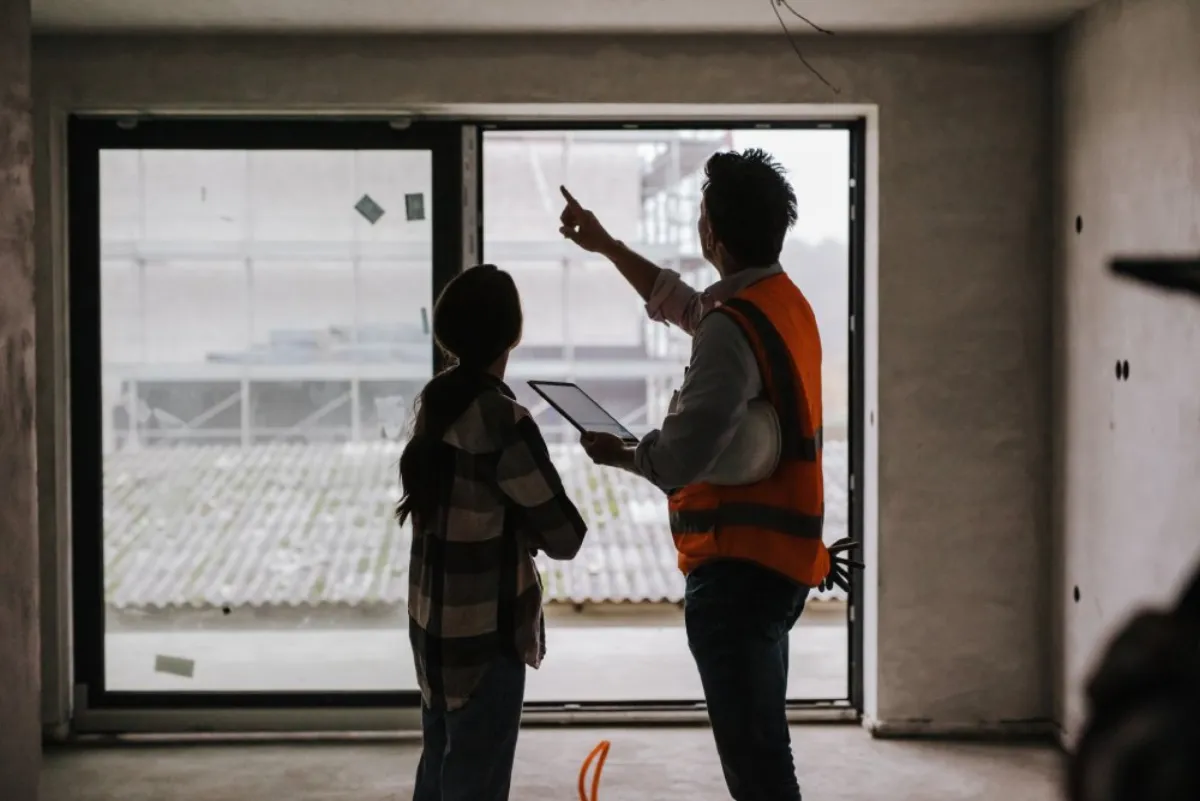
What You Need to Know About Pre-Settlement Inspections
A pre-settlement inspection is your final opportunity to verify that a property is in the agreed condition before you complete the purchase. This guide covers what to check, who should conduct it, and a comprehensive checklist to follow.
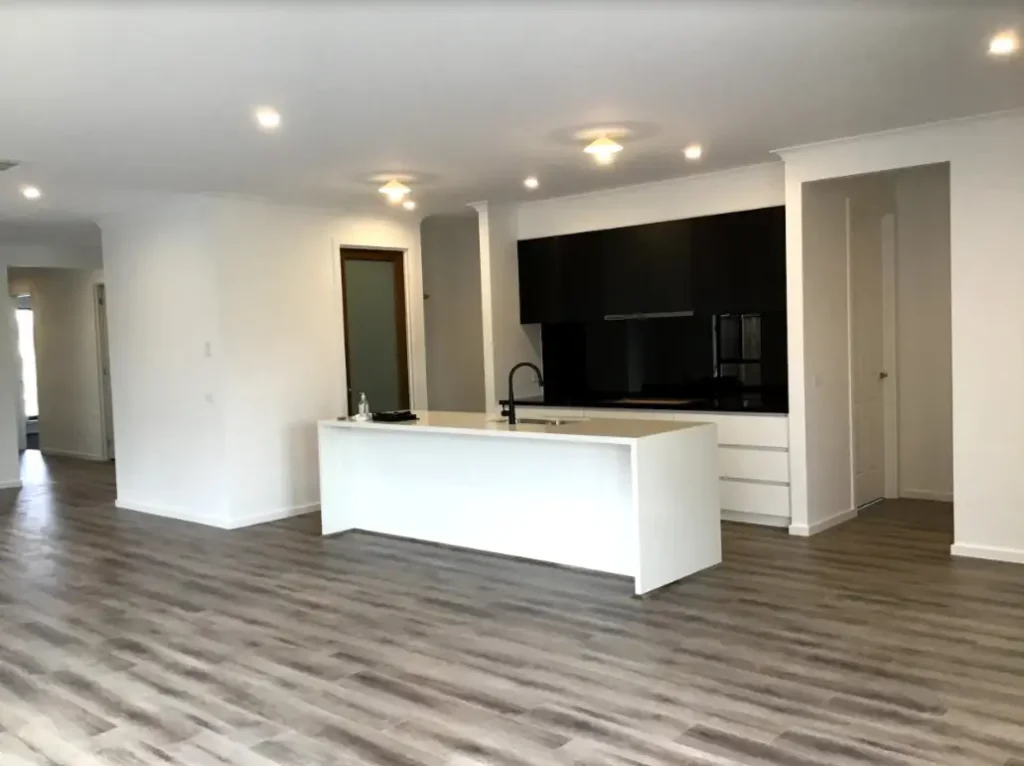
Builder Obligations in Pre-Settlement Inspections
Pre-settlement inspections verify builders have fulfilled contractual and statutory obligations. Learn about defect rectification, timelines, and warranty coverage.
Identify Defects Before You Settle
Book a pre-settlement inspection with Owner Inspections to catch structural, plumbing, electrical, and cosmetic issues before settlement. Our detailed reports give you the evidence you need to negotiate repairs.