

Whether you are a homeowner dealing with storm damage, a property investor facing a building dispute, or a strata manager managing insurance claims for common property, understanding the role of an expert witness can be the difference between a successful claim and a rejected one.
This guide covers what property damage means in legal terms, the types of claims that benefit from expert input, how to select the right expert witness, and the Australian legal framework that applies to these cases.
What Is Property Damage in a Legal Context?
Property damage, in legal and insurance terms, refers to any visible or hidden harm that affects the structure, functionality, or value of a building or its contents. It goes beyond surface-level cosmetic issues. Damage can compromise structural integrity, create health hazards, or render a property uninhabitable.
Property damage falls into three broad categories.
Structural Damage
Structural damage affects the load-bearing elements of a building. This includes foundation cracks, wall fractures, roof collapse, floor subsidence, and damage to supporting beams or columns. Structural damage is often the most expensive to rectify and the most difficult to assess without professional expertise.
Common causes of structural damage include soil movement, poor construction practices, tree root intrusion, inadequate drainage, and extreme weather events such as cyclones or earthquakes.
Environmental Damage
Environmental damage results from natural events or long-term exposure to weather conditions. In Australia, the most common forms of environmental property damage include:
- Cyclone and severe storm damage to roofing, cladding, and windows
- Bushfire damage to structures, fencing, and landscaping
- Flooding causing water ingress, mould growth, and foundation erosion
- Hail damage to roofing materials and external surfaces
- Coastal erosion affecting foundations and retaining structures
Environmental damage often triggers insurance claims where the extent of the damage is contested between the property owner and the insurer.
Wear and Tear Damage
Wear and tear damage develops gradually over time. It includes rust and corrosion on metal elements, mould and mildew growth in poorly ventilated areas, timber decay and rot, deterioration of waterproofing membranes, and degradation of roofing materials. While wear and tear is typically excluded from insurance policies, disputes often arise about whether damage was caused by a sudden event or by long-term neglect.
An expert witness can determine the cause and timeline of damage, which is often the deciding factor in whether an insurance claim is accepted or denied.
Types of Property Damage Claims
Property damage claims can be divided into two broad categories: physical damage claims and non-physical damage claims. Each type benefits from expert witness involvement in different ways.
Physical Damage Claims
| Claim Type | Description | Common Causes |
|---|---|---|
| Fire damage | Destruction or impairment of building elements and contents by fire or smoke | Electrical faults, bushfires, cooking incidents, arson |
| Water damage | Harm caused by water ingress, flooding, or plumbing failure | Burst pipes, storm flooding, roof leaks, rising damp |
| Structural damage | Compromise of load-bearing elements or building envelope | Soil movement, poor construction, tree roots, subsidence |
| Weather damage | Harm from extreme weather events | Cyclones, hailstorms, severe winds, lightning strikes |
Non-Physical Damage Claims
Non-physical damage claims relate to the consequences of property damage rather than the physical harm itself. These include:
- Loss of use: inability to occupy or rent the property while repairs are completed
- Business interruption: lost revenue for commercial properties rendered inoperable
- Emotional distress: psychological impact on occupants displaced by property damage
- Diminished property value: reduction in market value even after repairs are completed
Expert witnesses can quantify both physical and non-physical losses, providing courts and insurers with evidence-based assessments that support fair compensation.
Why Expert Witnesses Are Important in Property Damage Cases
The involvement of an expert witness transforms a property damage claim from a subjective complaint into an evidence-based case. Here is how expert witnesses contribute to better outcomes.
Accurate Damage Evaluations
Expert witnesses conduct thorough inspections using professional equipment and methods. They identify both visible surface damage and hidden defects within walls, floors, ceilings, and subfloor areas. Their assessments include the extent of damage, the cause, the affected building elements, and the estimated cost of rectification.
Without an expert evaluation, property owners often underestimate the full scope of damage. A water leak visible on a ceiling, for example, may have caused extensive damage to framing, insulation, and electrical wiring within the ceiling cavity. An expert witness identifies all affected elements and ensures the claim reflects the true cost of repair.
Impartial and Independent Opinions
Courts and tribunals in Australia require expert witnesses to provide impartial opinions. Under the Uniform Civil Procedure Rules and equivalent state legislation, an expert witness owes a duty to the court, not to the party that engaged them. This independence gives their evidence significant weight in proceedings.
An expert who presents biased or advocacy-driven evidence risks having their testimony excluded and their professional reputation damaged. This framework ensures that expert evidence is reliable and balanced.
Evidence Preservation
Property damage can worsen rapidly after the initial event. Water damage leads to mould growth within 24 to 48 hours. Fire-damaged structures may be unsafe and require demolition. Storm damage may be compounded by subsequent weather events. An expert witness documents the damage thoroughly at the earliest opportunity, preserving evidence through photographs, measurements, material samples, and detailed written reports.
This documentation becomes the foundation of the claim. Without it, disputes about the original extent of damage can derail proceedings months or years later.
Quantification of Losses
Expert witnesses provide detailed cost estimates for rectification work, supported by scope of works documents, material specifications, and reference to current market rates. They can also assess the impact of damage on property value, rental income, and occupancy.
| Expert Witness Function | Benefit to Property Owner |
|---|---|
| Damage evaluation and documentation | Establishes full extent of loss including hidden damage |
| Cause and origin analysis | Determines liability and supports claim validity |
| Cost of rectification estimates | Ensures compensation reflects actual repair costs |
| Evidence preservation | Protects the claim from being disputed on factual grounds |
| Impartial court testimony | Carries greater weight than party statements or lay evidence |
| Timeline and causation analysis | Distinguishes sudden damage from pre-existing conditions |
The 40% Advantage: Why Expert Evidence Matters
Research into property damage claim outcomes consistently shows that claims supported by expert witness evidence are approximately 40% more likely to achieve a favourable resolution. This applies across insurance disputes, tribunal hearings, and court proceedings.
The reasons for this advantage are straightforward:
- Expert reports provide structured, evidence-based assessments that insurers and courts can rely on
- Expert witnesses identify damage that property owners and general assessors miss
- Courts give greater weight to independent expert opinion than to party statements
- Insurers are more likely to settle claims promptly when faced with a well-documented expert report
- Expert evidence reduces the scope for dispute about the cause, extent, and cost of damage
Engaging an expert witness is not a guarantee of success, but it significantly improves the odds of a fair outcome. For claims involving substantial property damage, the cost of an expert report is a small fraction of the potential recovery.
When to Engage an Expert Witness
The most effective time to engage an expert witness is immediately after property damage occurs. Early engagement ensures that evidence is preserved before repairs begin, before weather causes further deterioration, and before the opposing party has an opportunity to dispute the extent of damage.
Immediate Engagement After Damage
Within the first 24 to 72 hours after a damage event, an expert witness should inspect the property and document the following:
- The extent and location of all visible damage
- Indicators of hidden damage (moisture readings, thermal imaging, structural deflection)
- The likely cause and origin of the damage
- Photographic and video evidence of the damage in its original state
- Environmental conditions at the time of inspection
Before Lodging an Insurance Claim
An expert report submitted alongside an insurance claim demonstrates that the claim is well-founded and comprehensively documented. Insurers are less likely to dispute claims that are supported by independent expert evidence from the outset.
Before Tribunal or Court Proceedings
If a property damage dispute proceeds to a tribunal (such as NCAT in NSW, VCAT in Victoria, or QCAT in Queensland) or to court, expert evidence is often required to establish the facts. Engaging an expert early in the dispute process gives your legal team time to prepare a thorough case.
How to Select the Right Expert Witness in Australia
Choosing the right expert witness is as important as deciding to engage one. The wrong expert can weaken a case, while the right expert strengthens it. Here are the key selection criteria.
Qualifications and Credentials
The expert witness should hold formal qualifications relevant to the type of property damage in question. For building-related property damage, appropriate qualifications include:
- Degree in civil engineering, structural engineering, or construction management
- Building inspection licence issued by the relevant state authority (VBA, NSW Fair Trading, QBCC)
- Membership of professional bodies such as Engineers Australia or the Australian Institute of Building
- Certificate IV or Diploma in Building and Construction
Track Record and Experience
Look for an expert with a demonstrated history of providing expert witness reports and testimony in Australian jurisdictions. Ask about the number of reports they have prepared, the types of cases they have been involved in, and their experience with the specific type of damage your case involves.
Courtroom Experience
An expert who can write a strong report but cannot withstand cross-examination in court is of limited value. The best expert witnesses are experienced in giving oral testimony, responding to challenging questions under pressure, and explaining complex technical matters in plain language that judges and tribunal members can understand.
| Selection Criteria | What to Look For |
|---|---|
| Qualifications | Relevant degree or diploma, state-issued building licence |
| Professional memberships | Engineers Australia, Australian Institute of Building, AIBS |
| Insurance coverage | Professional indemnity and public liability insurance |
| Track record | Number of reports prepared, types of cases, success rates |
| Courtroom experience | History of giving oral testimony in Australian courts and tribunals |
| Compatibility | Willingness to work collaboratively with legal team, responsive communication |
| Independence | No conflict of interest, commitment to impartial opinion |
Compatibility with Your Legal Team
Your expert witness will need to work closely with your solicitor or barrister. The expert should be responsive, clear in their communication, and willing to discuss their findings openly. A good working relationship between the expert and the legal team leads to a more effective case presentation.
Australian Legal Framework for Property Damage Claims
Property damage claims in Australia are governed by a combination of federal and state legislation. Understanding this framework helps property owners and their legal teams build stronger cases.
Australian Consumer Law (ACL)
The Australian Consumer Law, contained in Schedule 2 of the Competition and Consumer Act 2010 (Cth), provides consumer guarantees that apply to building work and construction services. Under the ACL, services must be provided with due care and skill, be fit for purpose, and be completed within a reasonable time. Where building work causes or fails to prevent property damage, the ACL may provide a basis for a claim.
State Building Legislation
Each state and territory has specific legislation governing building work and the resolution of building disputes:
- NSW: Home Building Act 1989, with disputes heard at NCAT
- Victoria: Domestic Building Contracts Act 1995, with disputes heard at VCAT
- Queensland: Queensland Building and Construction Commission Act 1991, with disputes managed by QBCC and QCAT
- South Australia: Building Work Contractors Act 1995
- ACT: Building Act 2004
Insurance Contracts Act 1984 (Cth)
The Insurance Contracts Act 1984 governs the relationship between insurers and policyholders. It sets out the obligations of both parties, the duty of utmost good faith, and the process for disputing claim decisions. Property owners who believe their insurance claim has been unfairly denied can escalate the matter to the Australian Financial Complaints Authority (AFCA).
Expert Witness Duties
In all Australian jurisdictions, expert witnesses owe an overriding duty to the court. This is codified in court rules such as the Uniform Civil Procedure Rules 2005 (NSW) and equivalent provisions in other states. Expert reports must comply with specific formatting requirements, include a declaration of the expert's duty to the court, and disclose any potential conflicts of interest.
Common Mistakes to Avoid in Property Damage Cases
Property owners frequently make avoidable mistakes that weaken their claims. Being aware of these pitfalls can protect your case.
- Delaying the engagement of an expert witness, allowing evidence to deteriorate or be destroyed
- Beginning repairs before the damage has been professionally documented and assessed
- Relying solely on the insurer's appointed assessor without obtaining an independent opinion
- Choosing an expert based on cost alone rather than qualifications and experience
- Failing to preserve documents, photographs, and correspondence related to the damage
- Not disclosing pre-existing conditions or prior damage, which can undermine credibility
Frequently Asked Questions
Frequently Asked Questions
What is an expert witness in a property damage case?
An expert witness is a qualified professional who provides independent, evidence-based opinions about property damage to courts, tribunals, and insurers.
In property damage cases, expert witnesses are typically licensed building inspectors, structural engineers, or construction managers with specialised knowledge of building defects, damage assessment, and rectification methods. They inspect the damaged property, document their findings in a detailed report, and may give oral testimony in court or tribunal proceedings. Their role is to help the decision-maker understand technical matters that are beyond the knowledge of a layperson.
How much does an expert witness report cost in Australia?
Expert witness reports for property damage cases in Australia typically cost between $2,000 and $8,000, depending on the complexity of the damage and the scope of the assessment.
Simple cases involving a single type of damage, such as a roof leak, are at the lower end of the range. Complex cases involving multiple damage types, extensive structural assessment, or disputes with insurers are at the higher end. The cost of the report should be weighed against the potential claim value. For claims worth tens or hundreds of thousands of dollars, the cost of an expert report is a modest investment that significantly improves the likelihood of a favourable outcome.
Can I use my own expert witness in an insurance dispute?
Yes. You have the right to engage your own independent expert witness, even if the insurer has already appointed their own assessor.
Insurers typically engage loss adjusters or building assessors to evaluate claims on their behalf. These assessors work for the insurer, and their findings may not fully reflect the extent of the damage. Engaging your own expert provides an independent assessment that can be used to challenge the insurer's evaluation. If the matter proceeds to AFCA or a court, having your own expert report strengthens your position.
What qualifications should an expert witness have for building damage?
An expert witness assessing building damage should hold a relevant degree in civil engineering, structural engineering, or construction management, along with a building inspection licence from the applicable state authority.
Professional memberships with bodies such as Engineers Australia or the Australian Institute of Building add credibility. The expert should also carry professional indemnity insurance and have a track record of providing expert reports in Australian courts and tribunals. Practical construction industry experience is important because it enables the expert to identify defects and assess workmanship quality based on real-world knowledge.
How soon after property damage should I engage an expert witness?
You should engage an expert witness as soon as possible after the damage occurs, ideally within 24 to 72 hours.
Early engagement ensures that the damage is documented in its original state before repairs, weather, or further deterioration alter the evidence. Water damage, for example, can lead to mould growth within 48 hours, making it harder to distinguish the original damage from secondary effects. Fire-damaged structures may be demolished for safety reasons before an expert has the opportunity to inspect them. Prompt engagement preserves the strongest possible evidence base for your claim.
What is the difference between an expert witness and a loss adjuster?
A loss adjuster is engaged by the insurance company to assess the claim on the insurer's behalf. An expert witness is an independent professional who owes a duty to the court and provides impartial evidence.
Loss adjusters evaluate the damage, determine the cause, and recommend a settlement amount to the insurer. Their assessment may favour the insurer's interests. An expert witness, by contrast, is required to provide an honest and unbiased opinion regardless of who engaged them. In disputes where the insurer's assessment is significantly lower than the actual damage, an independent expert witness report can be used to challenge the loss adjuster's findings.
Can an expert witness help with strata property damage claims?
Yes. Expert witnesses are frequently engaged in strata property damage cases, particularly where common property is affected or where the cause of damage is disputed between the owners corporation and individual lot owners.
Strata property damage cases can be complex because they involve multiple parties, shared insurance policies, and questions about whether the damage relates to common property or individual lots. An expert witness can determine the origin and cause of damage, identify which building elements are affected, and provide opinions on liability and rectification costs. This evidence is valuable in body corporate disputes, insurance claims, and tribunal proceedings under state strata legislation.
What happens during an expert witness property inspection?
During a property inspection, the expert witness conducts a systematic assessment of all damaged areas using professional equipment such as moisture meters, thermal imaging cameras, laser levels, and structural measurement tools.
The inspection typically takes between two and six hours depending on the size of the property and the extent of the damage. The expert documents every affected area with photographs, measurements, and written notes. They assess the cause of the damage, the extent of harm to building elements, and the potential for hidden damage within wall cavities, ceiling spaces, and subfloor areas. The findings are compiled into a formal expert report that meets the requirements of the relevant court or tribunal rules.
Is expert witness evidence required in Australian courts?
Expert witness evidence is not always mandatory, but courts and tribunals strongly favour it in property damage cases where technical questions are in dispute.
In practice, cases involving significant property damage, disputed causation, or contested repair costs almost always require expert evidence to succeed. Judges and tribunal members are not building experts, and they rely on qualified professionals to explain the technical aspects of the case. Submitting a claim without expert evidence when the opposing party has engaged their own expert puts you at a significant disadvantage.
Can expert witness evidence be used in AFCA complaints?
Yes. The Australian Financial Complaints Authority (AFCA) accepts expert witness reports as supporting evidence in insurance dispute complaints.
If your property damage insurance claim has been denied, underpaid, or delayed, you can escalate the matter to AFCA. Providing an independent expert report alongside your AFCA complaint strengthens your case by demonstrating that your claim is supported by professional, evidence-based assessment. AFCA considers all available evidence when making its determinations, and an expert report carries significant weight in the process.
Do expert witnesses attend mediation sessions?
Yes. Expert witnesses can attend mediation sessions to provide technical clarification and support settlement discussions.
In many property damage disputes, mediation is attempted before the matter proceeds to a hearing. Having an expert witness present allows both parties to ask technical questions and receive authoritative answers on the spot. This can help bridge the gap between the parties' positions and facilitate a settlement. The expert's role in mediation is advisory rather than adversarial, and their presence often accelerates the resolution process.
Key Takeaways
- Property damage claims supported by expert witness evidence are approximately 40% more likely to achieve a favourable resolution
- Property damage includes structural harm, environmental damage from events like cyclones and flooding, and gradual wear and tear such as rust and mould
- Expert witnesses provide damage evaluations, preserve evidence, maintain impartiality, and quantify losses for courts, tribunals, and insurers
- Engage an expert witness immediately after damage occurs, ideally within 24 to 72 hours, to preserve evidence before it deteriorates
- Select an expert with relevant qualifications in civil engineering or construction management, a track record of expert reports, and courtroom experience in Australian jurisdictions
- Australian Consumer Law and state-specific building legislation such as the Home Building Act 1989 (NSW) and Domestic Building Contracts Act 1995 (VIC) govern property damage claims
- Insurance disputes can be escalated to AFCA, where independent expert reports carry significant weight in the determination process
References and Resources
Related Articles
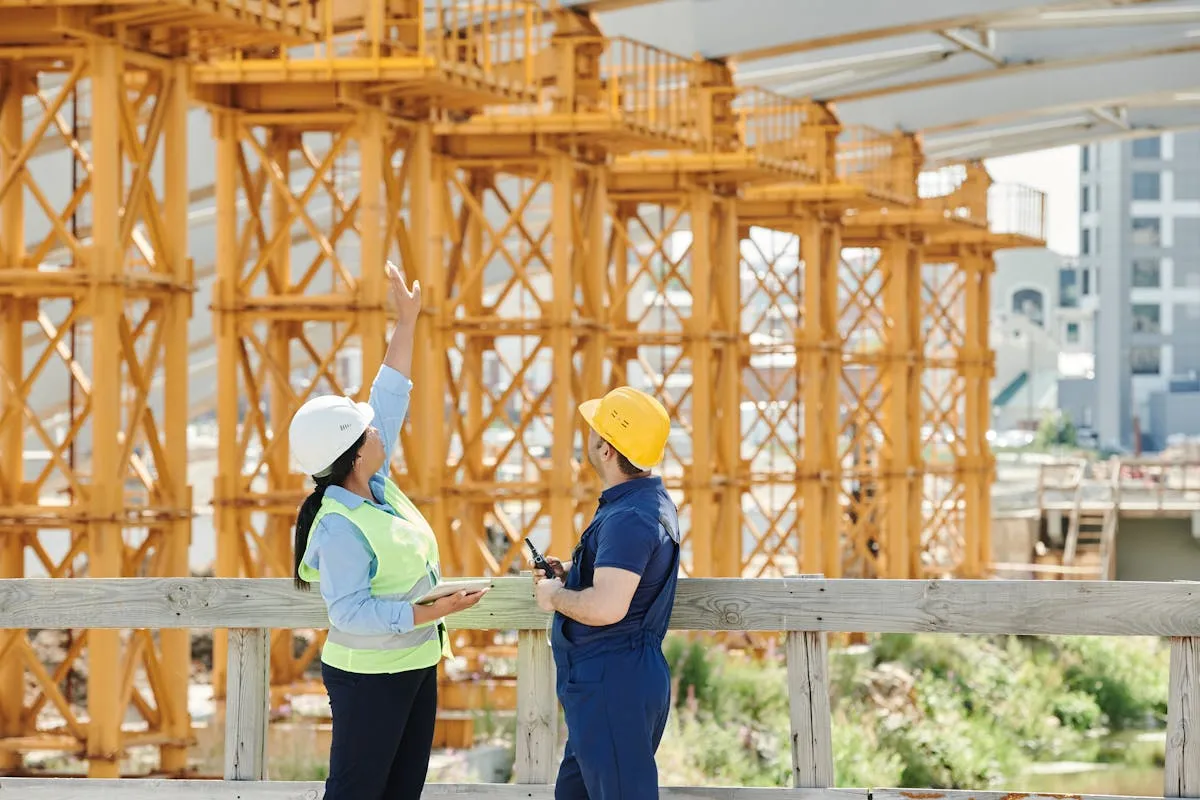
Expert Witnesses in Construction Disputes
Construction disputes over defects, delays, and cost overruns frequently end up before Australian tribunals like NCAT, VCAT, and QCAT. Expert witnesses provide the independent technical analysis that helps these bodies reach fair outcomes. This guide explains who they are, what they do, and when you need one.
Expert Witness Case Studies
Expert witnesses provide specialised knowledge that helps Australian courts understand complex technical matters. These real-world case studies show how structural engineers, property valuers, forensic accountants, and environmental scientists have influenced legal outcomes across construction and property disputes.

Fact Witness vs Expert Witness
Property disputes often require witness testimony, but not all witnesses serve the same purpose. Fact witnesses describe what they observed while expert witnesses provide professional analysis. This guide explains the differences, legal requirements, and when to use each in Australian proceedings.
Need an Expert Witness for a Property Damage Case?
Request an expert witness report from Owner Inspections to strengthen your claim with independent, evidence-based assessment for courts, tribunals, and insurers.
For a complete overview, see our guide to expert witness reports for building disputes.
Need an Expert Witness Report?
Our experienced expert witnesses support cases at NCAT, VCAT, and tribunals across Australia.
Dealing with a property damage insurance dispute? See our guide to insurance claim assessments for practical steps to get a fair outcome.