
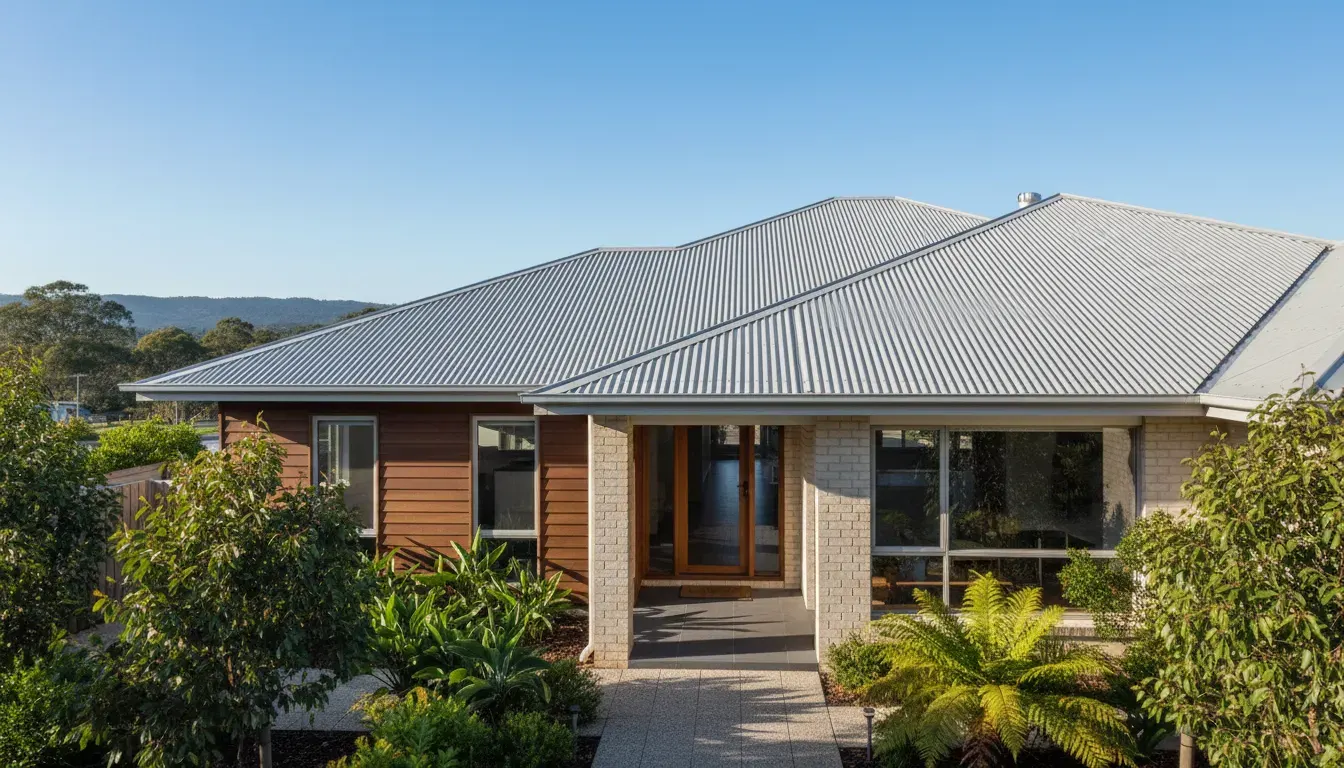
If you're buying a home built before 1990, renovating an older property, or managing a commercial building, understanding what separates a competent asbestos inspector from an inadequate one can protect your health and save thousands in remediation costs. Asbestos was widely used in Australian construction until its complete ban in 2003, meaning millions of properties still contain this hazardous material.
This guide explains the qualifications, equipment, processes, and reporting standards you should expect from a professional asbestos inspector. These criteria apply across all Australian states and territories, though licensing requirements vary slightly by jurisdiction.
3M+
Australian homes contain asbestos
2003
Year asbestos was fully banned
$300-600
Typical inspection cost
Essential Qualifications and Licensing
Identifying asbestos in a home does not need a licence in Australia, but it does need a competent person: someone with the training, experience and equipment to find and sample suspect materials safely. Licences come in where asbestos is removed. The three credentials buyers most often see are easy to confuse:
| Credential | What it allows | Issued by |
|---|---|---|
| Licensed asbestos assessor | Air monitoring and clearance inspections for friable (Class A) removal work; also a strong sign of an experienced inspector | SafeWork NSW, WorkSafe Victoria, WorkSafe Queensland |
| Class A or Class B removal licence | Removing friable (Class A) or non-friable (Class B) asbestos; not an inspection licence | The same state regulators |
| Occupational hygienist | Asbestos surveys, air monitoring and clearance work | Certified through the Australian Institute of Occupational Hygienists |
What to verify before hiring
If the inspector says they are a licensed asbestos assessor, ask for the licence number and check it with the regulator: SafeWork NSW, WorkSafe Victoria or WorkSafe Queensland. If they are not licensed, ask what asbestos training they hold and how many surveys they have done.
A Removal Licence Is Not an Inspection Credential
Some removalists offer a free "inspection" before quoting for removal. Their Class A or Class B licence lets them remove asbestos; it says nothing about how well they identify it, and they have a stake in the answer. An independent inspector does not.
A good inspector should also carry current professional indemnity insurance of at least $1 million and public liability insurance. Request certificates of currency before booking.
Equipment and Inspection Methods
Professional asbestos inspectors use specialised equipment to identify and assess ACMs safely.
Laboratory requirements
Samples must be analysed by a NATA-accredited laboratory using polarised light microscopy (PLM) or transmission electron microscopy (TEM). The inspector should provide laboratory certificates with every sample result.
Never accept verbal identification only. While experienced inspectors can visually identify likely ACMs, laboratory confirmation is the only definitive method.
The Inspection Process
A thorough asbestos inspection follows a systematic methodology.
Pre-Inspection Review
The inspector reviews building plans, previous asbestos registers, and construction dates to identify likely ACM locations.
Site Walkthrough
A visual inspection of all accessible areas including roof spaces, subfloors, wet areas, and external cladding.
Sample Collection
Representative samples taken using wet methods to minimise fibre release. Each sample is documented with location and condition.
Laboratory Analysis
Samples sent to NATA-accredited lab with chain-of-custody documentation.
Report Preparation
Comprehensive report detailing findings, condition assessments, and management recommendations.
When arranging a pre-purchase building inspection, ask whether asbestos assessment is included or requires a separate specialist. Many standard building inspections note suspected ACMs but don't confirm through laboratory testing.
Report Quality and Content
The inspection report is your most valuable deliverable. A quality asbestos report should include:
| Section | What It Should Contain |
|---|---|
| Executive Summary | Clear statement of ACMs found, risk levels, urgent actions |
| Methodology | Inspection standards followed, sampling procedures |
| Findings | Location, material type, condition rating for each ACM |
| Laboratory Results | NATA certificates for all samples |
| Risk Assessment | Condition rating using industry-standard matrix |
| Recommendations | Management options: monitor, encapsulate, or remove |
| Asbestos Register | Ready-to-use register compliant with WHS regulations |
Request an Asbestos Register
If ACMs are found, ask for a formal Asbestos Register and Management Plan. These documents are legally required for commercial properties and recommended for residential homes with confirmed asbestos.
Condition rating system
Good inspectors use a standardised condition rating:
| Rating | Condition | Action Required |
|---|---|---|
| A | Good condition, no damage | Monitor annually |
| B | Minor damage or weathering | Seal, encapsulate, or remove |
| C | Significant damage or friability | Urgent removal required |
Red Flags to Watch For
Not all asbestos inspectors deliver the same quality. Watch for these warning signs.
- No licence number provided or verifiable
- Verbal-only identification without sampling
- Reports without laboratory certificates
- Recommending removal for all ACMs regardless of condition
- Offering removal services (conflict of interest)
Independent assessors should not also provide removal services. This separation ensures unbiased recommendations. If an inspector pushes removal when encapsulation or monitoring would suffice, seek a second opinion.
For complex properties or strata buildings, consider a defect investigation report that includes asbestos assessment as part of a comprehensive building analysis.
Costs and Timeframes
Asbestos inspection costs vary by property size and number of samples required.
| Service | Typical Cost (AUD) | Timeframe |
|---|---|---|
| Residential inspection | $300 - $600 | 2-4 hours on site |
| Commercial inspection | $600 - $2,000+ | Half to full day |
| Laboratory analysis per sample | $30 - $80 | 2-5 business days |
| Asbestos Register preparation | $150 - $400 | Included or additional |
| Air monitoring (if required) | $400 - $800 | Same day results |
Reports should be delivered within 5 to 7 business days of inspection, though urgent turnarounds are available for additional fees.
Frequently Asked Questions
How do I know if my home needs an asbestos inspection?
Any Australian home built before 1990 should have an asbestos inspection before renovation or demolition. Homes built before 1985 are particularly high risk.
Asbestos was used extensively in Australian construction from the 1940s through to the mid-1980s, with some products remaining available until the 2003 ban. Common locations include eaves, wall cladding, wet area linings, vinyl floor tiles, and roof materials.
Even if you're not planning renovations, knowing what's in your home helps you manage risks. Undisturbed asbestos in good condition poses minimal risk, but accidental damage during maintenance can release dangerous fibres.
What qualifications should an asbestos inspector have?
An asbestos inspector should be a competent person with asbestos training and experience, ideally a licensed asbestos assessor or an occupational hygienist, with professional indemnity insurance. Class A and Class B are removal licences, not inspection licences.
A licensed asbestos assessor is the only credential the law requires for air monitoring and clearance inspections after friable (Class A) removal work, so it is a good sign of experience even for a simple home inspection.
Additional credentials like occupational hygienist certification (CIH or COH) through the Australian Institute of Occupational Hygienists indicate advanced expertise.
How much does an asbestos inspection cost in Australia?
Residential asbestos inspections typically cost between $300 and $600, plus $30 to $80 per sample for laboratory analysis.
Costs vary based on property size, accessibility, and the number of suspected materials requiring sampling. A standard three-bedroom house usually requires 3 to 8 samples. Commercial properties cost more due to their size and complexity.
Can a building inspector identify asbestos?
A general building inspector can note suspected asbestos materials but cannot confirm their presence without laboratory testing and appropriate licensing.
Standard building and pest inspections will typically flag materials that may contain asbestos based on visual appearance and construction era. However, definitive identification requires a licensed asbestos assessor to collect samples and have them analysed by a NATA-accredited laboratory.
What does an asbestos inspection report include?
A complete report includes an executive summary, methodology, detailed findings with photographs, laboratory certificates, risk assessments, and management recommendations.
The report should clearly state the location and type of each ACM found, its current condition using a standardised rating system, and specific actions required. For properties with confirmed asbestos, the report should include or offer an Asbestos Register compliant with WHS regulations.
How long does an asbestos inspection take?
On-site inspection takes 2 to 4 hours for residential properties. Reports are typically delivered within 5 to 7 business days after laboratory results.
The inspection duration depends on property size, accessibility of areas like roof spaces and subfloors, and the number of materials requiring sampling. Complex commercial properties may require a full day or multiple visits.
Is asbestos testing destructive?
Sample collection involves removing small pieces of material, typically 2-3 cm, from representative areas. This causes minor damage that may require repair.
Inspectors use wet methods to minimise fibre release during sampling. Sample locations are chosen to be inconspicuous where possible, such as inside cupboards or in areas that will be covered. The inspector should seal sample points after collection.
What happens if asbestos is found during an inspection?
Finding asbestos doesn't automatically mean removal is required. The inspector will assess the material's condition and recommend monitoring, encapsulation, or removal based on risk.
Undisturbed asbestos in good condition often poses minimal risk and can be safely managed in place with regular monitoring. Only damaged, deteriorating, or friable materials typically require immediate action. Your report should include clear guidance on next steps.
Can I collect asbestos samples myself?
DIY sampling is legal for your own home in most states but carries significant health risks and may not be accepted by laboratories without chain-of-custody documentation.
Professional sampling ensures proper safety procedures, maintains evidence integrity, and provides legally defensible results. If you're buying a property or planning commercial work, professional assessment is essential for due diligence.
Should asbestos inspectors also do removal work?
No. Independent asbestos assessors should not offer removal services to avoid conflicts of interest that could lead to unnecessary removal recommendations.
This separation ensures objective assessment. An inspector who profits from removal has an incentive to recommend removal even when encapsulation or monitoring would be appropriate. Always use separate companies for assessment and removal.
What's the difference between friable and non-friable asbestos?
Friable asbestos can be crumbled by hand pressure and is extremely dangerous. Non-friable asbestos is bonded in a matrix and poses lower risk when undisturbed.
Most residential asbestos is non-friable, found in cement sheets, vinyl tiles, and similar products. Friable asbestos includes pipe lagging, sprayed insulation, and damaged cement products. Friable materials require licensed removal by Class A removalists; non-friable materials can often be removed by Class B licence holders.
How often should asbestos be re-inspected?
Known ACMs should be inspected annually to monitor condition changes. Commercial properties must maintain current Asbestos Registers with regular reviews.
Annual visual inspections check for deterioration, damage, or changes in condition. If ACMs remain in good condition with no disturbance planned, annual monitoring is typically sufficient. After any building work near ACMs, immediate re-inspection is recommended.
Key Takeaways
- Choose an independent inspector with asbestos training, ideally a licensed asbestos assessor, and remember Class A and Class B are removal licences
- Insist on NATA-accredited laboratory analysis for all samples collected
- Expect a comprehensive report with photographs, condition ratings, and clear management recommendations
- Budget $300 to $600 for residential inspection plus laboratory fees
- Avoid inspectors who also offer removal services due to conflict of interest
- Undisturbed asbestos in good condition often doesn't require removal
- Any home built before 1990 should be inspected before renovation or demolition
- Keep your Asbestos Register updated with annual condition reviews
References and Resources
Related Articles
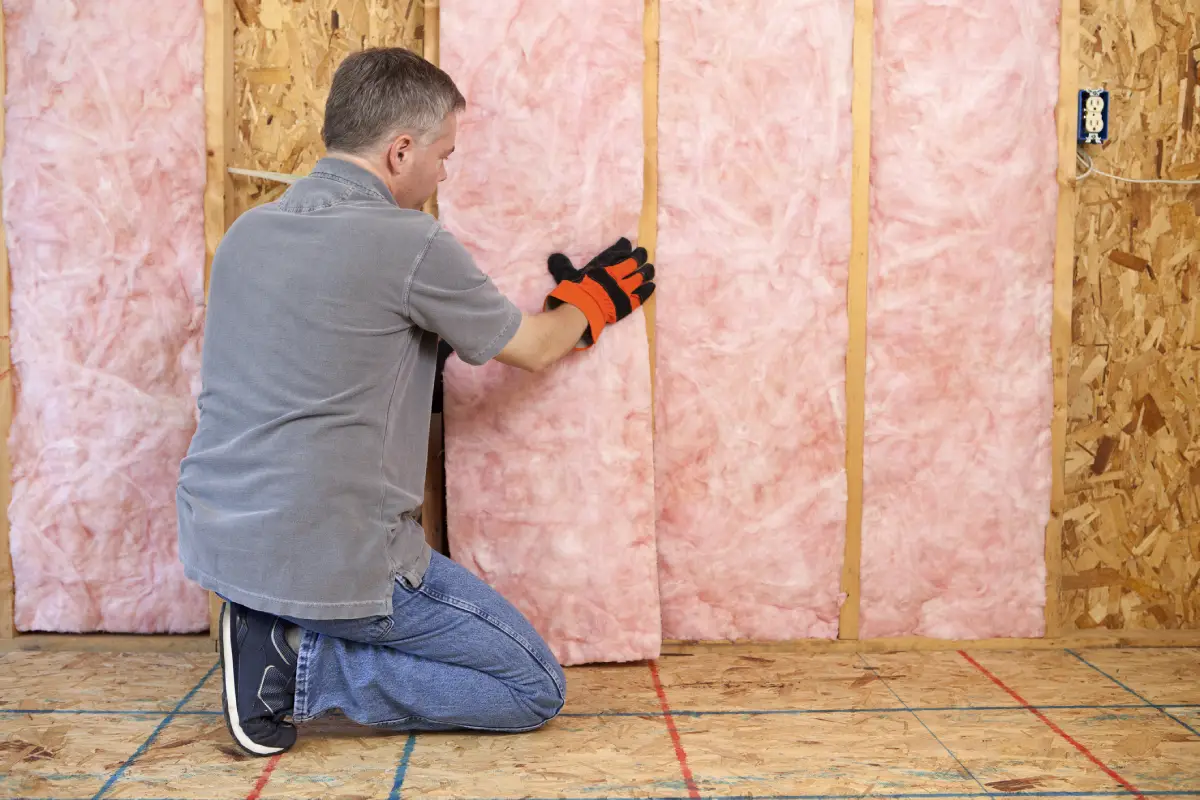
Asbestos Inspections: Identifying Health Hazards in Australian Homes
Asbestos inspections identify hazardous asbestos-containing materials in properties built before 2000. This guide covers the health risks, Australian legal requirements, inspection processes, and safe removal practices to protect occupants.
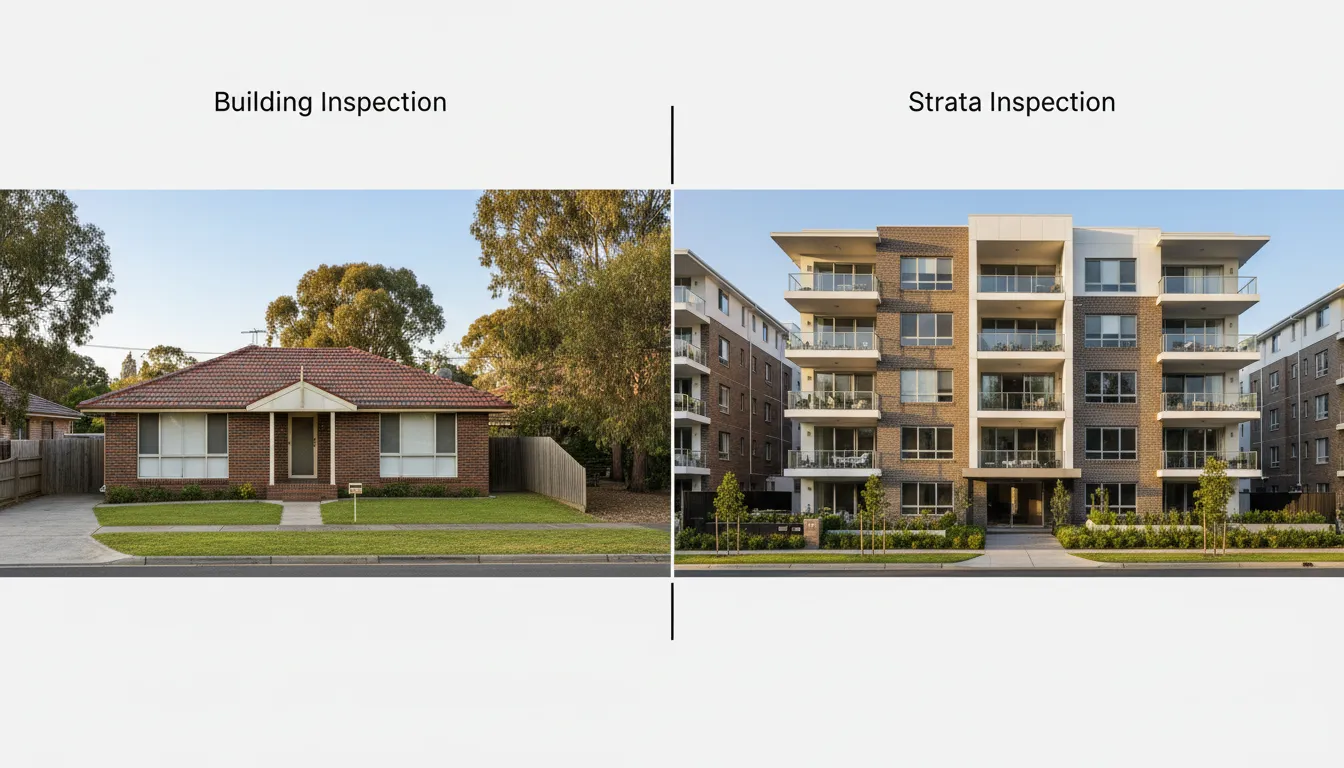
What Is the Difference Between a Building Inspection and a Strata Inspection?
Building inspections and strata inspections serve different purposes when buying property in Australia. Understanding these differences helps apartment buyers make informed decisions and avoid costly surprises.
What are The Types of Ceiling Materials?
Ceilings shape interior spaces, affecting atmosphere and lighting quality. Explore different ceiling materials from drywall to wood and understand their benefits.
Need an Asbestos Assessment?
Our licensed assessors provide comprehensive asbestos inspections across Australia with NATA-accredited laboratory testing.